Asia
Flag of Japan
Japan is an island nation in the Pacific Ocean comprising four main islands plus more than 6,800 smaller ones, home to a society that uniquely blends ancient traditions with cutting-edge modernity. The Japanese imperial dynasty traces an unbroken lineage for over 2,600 years, making it the world's oldest hereditary monarchy. Japan is famous for its cherry blossom festivals, tea ceremony, manga and anime, sushi, precision engineering, and has made profound contributions to global culture, design, and technology.

- CapitalTokyo
- RegionAsia
- Current flag since1870
- Main coloursWhite, Red
- Populationabout 124 million
- Areaabout 378,000 km²
- GeographyIsland nation
- Flags in history4
Population and area are rounded.
What the flag of Japan means
The Hinomaru, “circle of the sun”, reflects Japan's name, Nihon, often translated as “origin of the sun”. A red sun disc was used on fans and banners for centuries before it became the flag of Japanese merchant ships in 1870. It only became the legal national flag in 1999, when a law also fixed the disc at the exact centre.
How to recognise it
White with a red disc (Hinomaru) in the exact centre. Bangladesh is green with its red disc set slightly left of centre.
Did you know?
Japan has the world's oldest company — Kongō Gumi — a construction firm founded in 578 AD.
Easily confused with
Japan's flag is often mixed up with these. Learn to tell them apart:
Flag history of Japan
Every flag that has flown over Japan, from today back through time.
1870–present
Japan (Hinomaru)
The white field with a central red disc — the Nisshōki, or "sun-mark flag" — was designated the national merchant ensign in 1870. Though used for centuries before, it was only formally legislated as the national flag in 1999.
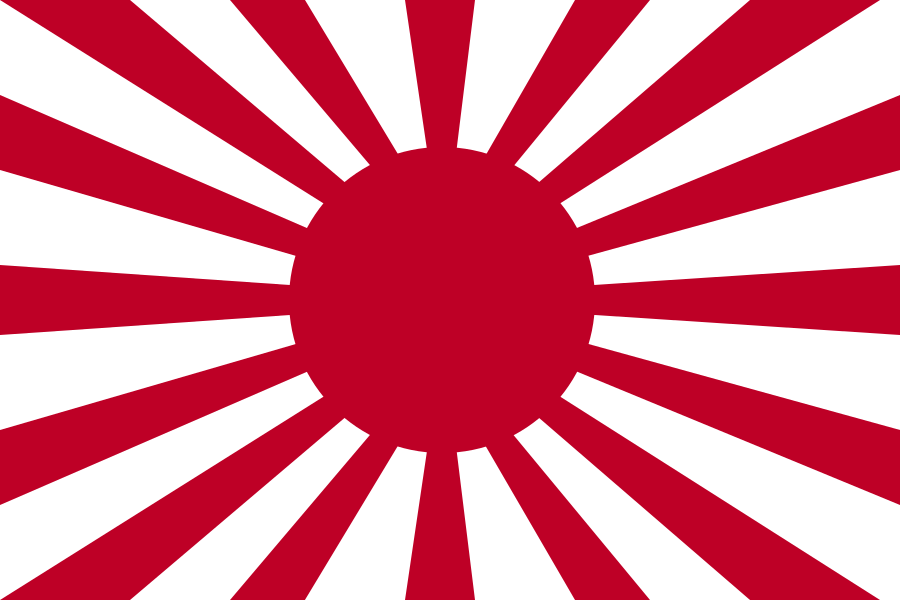
1870–1945
Rising Sun (Imperial military)
A military banner, not the national flag: the Imperial Japanese Army adopted this 16-ray Rising Sun design in 1870. It became closely associated with Japan's wartime expansion until 1945.
Imperial Japanese Navy ensign:
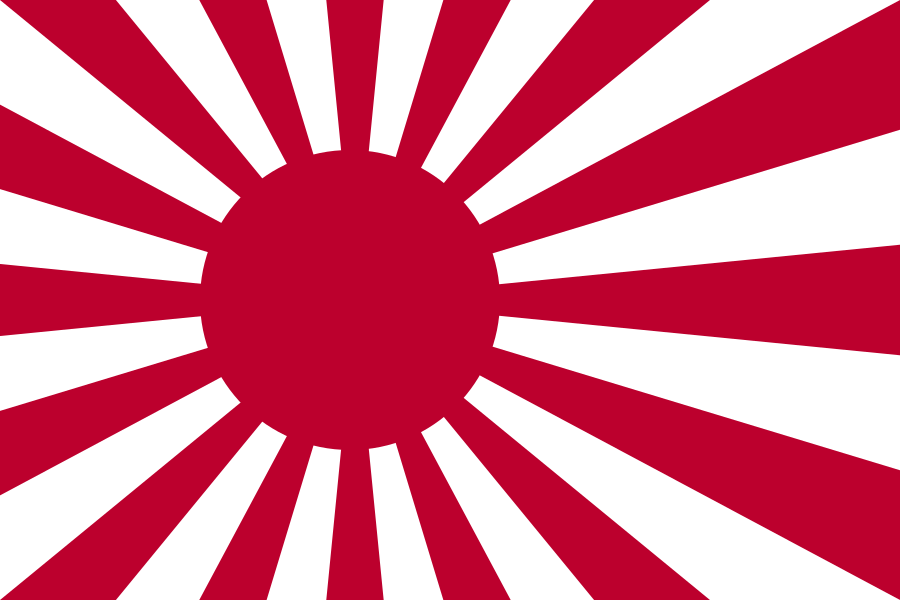
1889–present
Naval ensign
The Navy's version offsets the sun toward the hoist. Controversially, the modern Japan Maritime Self-Defense Force readopted it in 1954, so it still flies at sea today.

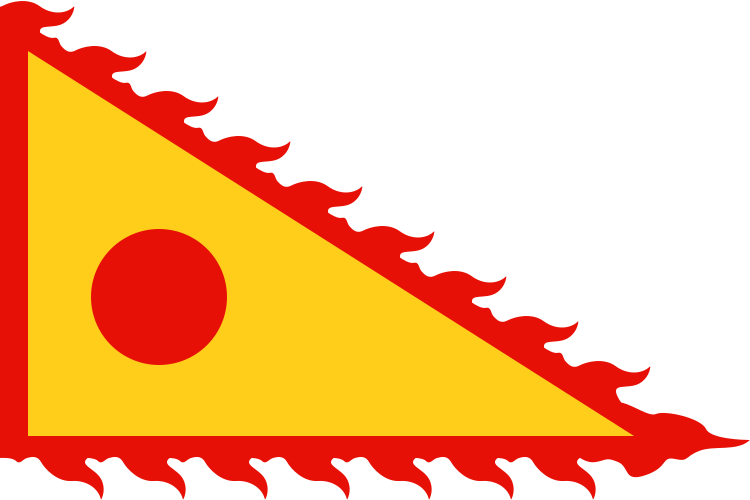
1603–1868
Tokugawa shogunate
The Edo-period military government of the Tokugawa shoguns that unified Japan and sealed it off from the world for over two centuries.
1429–1879
Ryukyu Kingdom
An independent island kingdom that traded across East Asia and paid tribute to China, annexed by Japan as Okinawa Prefecture.
Related historical states
Empires, kingdoms and republics that once covered part of Japan.
1603–1868
Tokugawa Shogunate
A white field bisected by a thick black stripe served as the standard of the Tokugawa bakufu, flown during the Sakoku period when Japan was largely closed to the world.
1870–1945
Empire of Japan
The 16-rayed Rising Sun was adopted as the Imperial Japanese Army's war flag in 1870; the rays-only design is still used today by the Maritime Self-Defense Force.
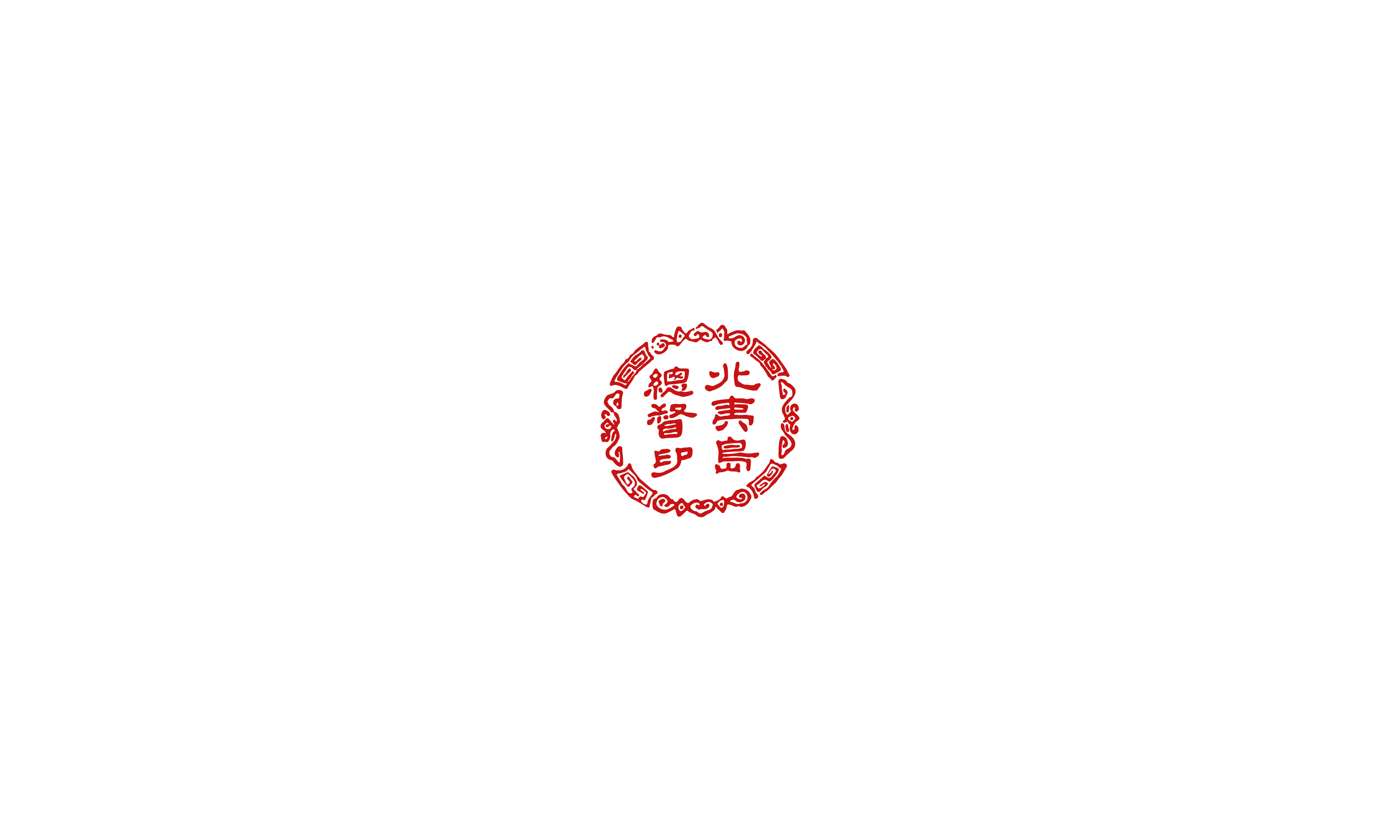
1869
Republic of Ezo
Founded by rebel Tokugawa naval officer Enomoto Takeaki on Hokkaido, it is often called the first republic in Asia to hold an election. It lasted barely five months.
1429–1879
Kingdom of Ryukyu
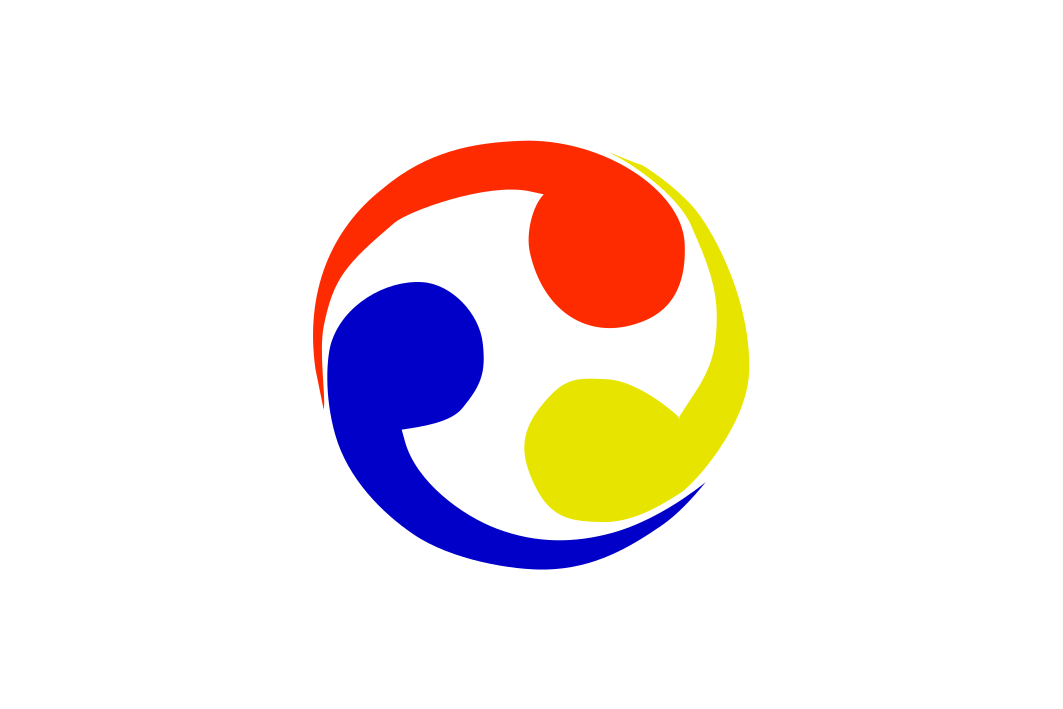
A white field with the Shō dynasty's three-comma mitsudomoe swirl. The independent Okinawan trading kingdom was annexed by Japan in 1879.
1973
Ainu
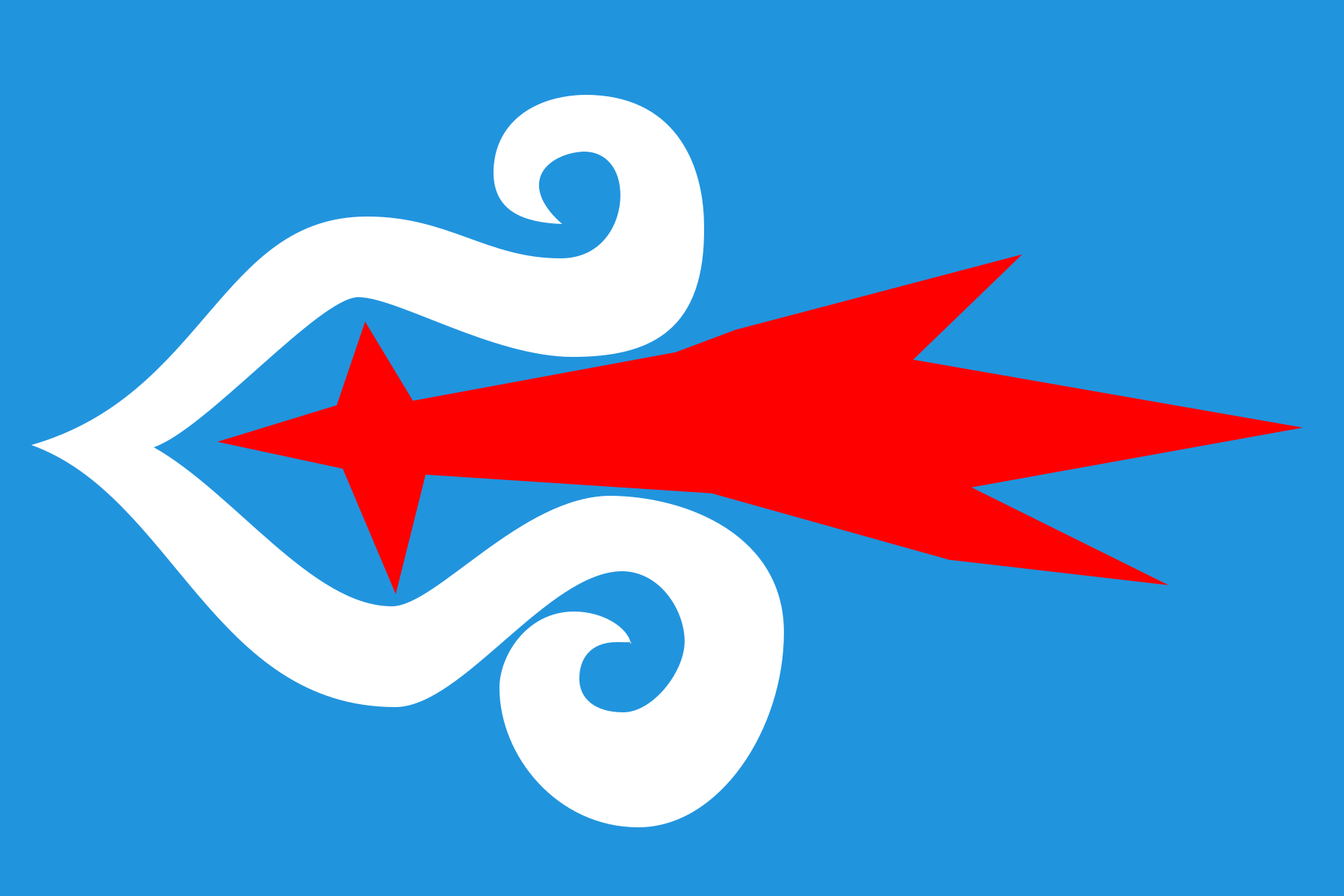
The flag of the indigenous Ainu of Hokkaido, designed in 1973: a blue field for sky and sea, a white wave for snow, and a red arrow for the aconite hunting poison.
1889–1945
Empire of Japan (Naval Ensign)
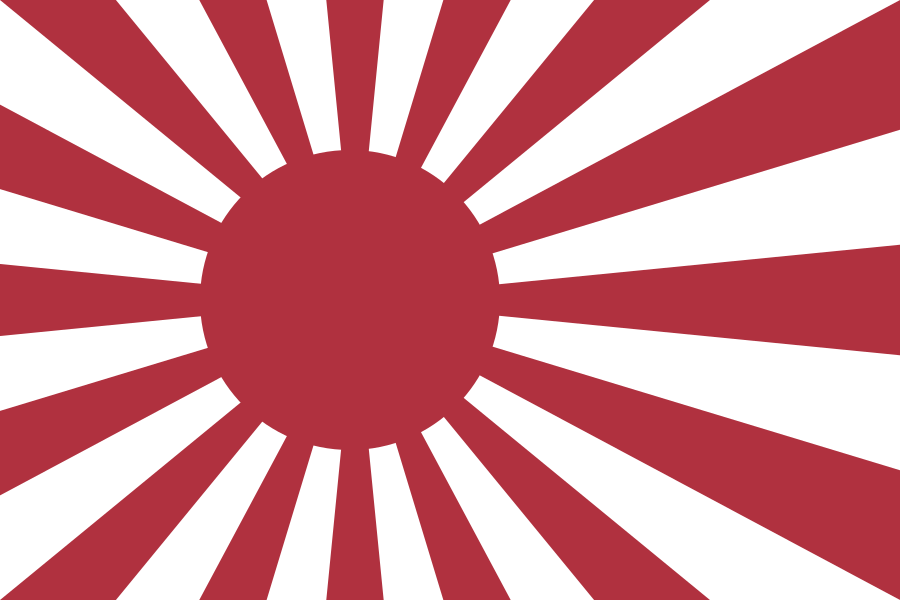
The 16-rayed Rising Sun naval ensign, with the disc offset toward the hoist, flew over the Imperial Japanese Navy and is still used by the Maritime Self-Defense Force today.
Regional flags of Japan
The 47 states, provinces and regions of Japan with their own flags.
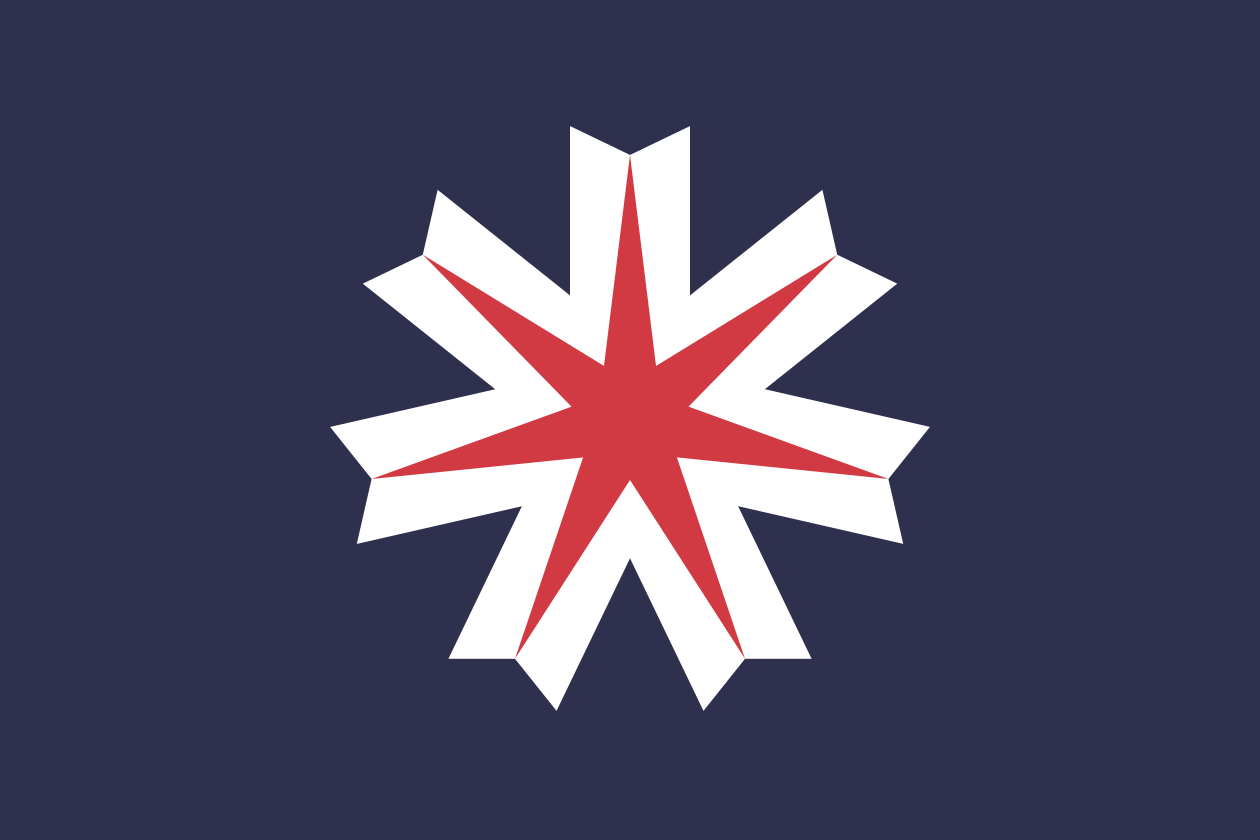
Hokkaido
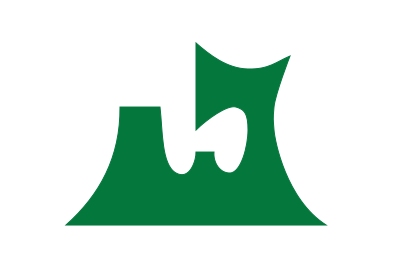
Aomori
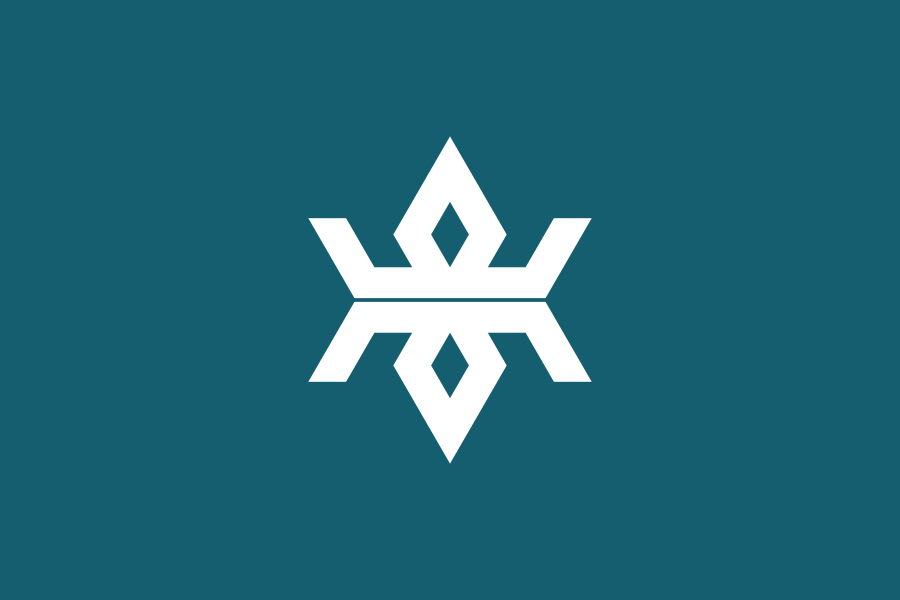
Iwate
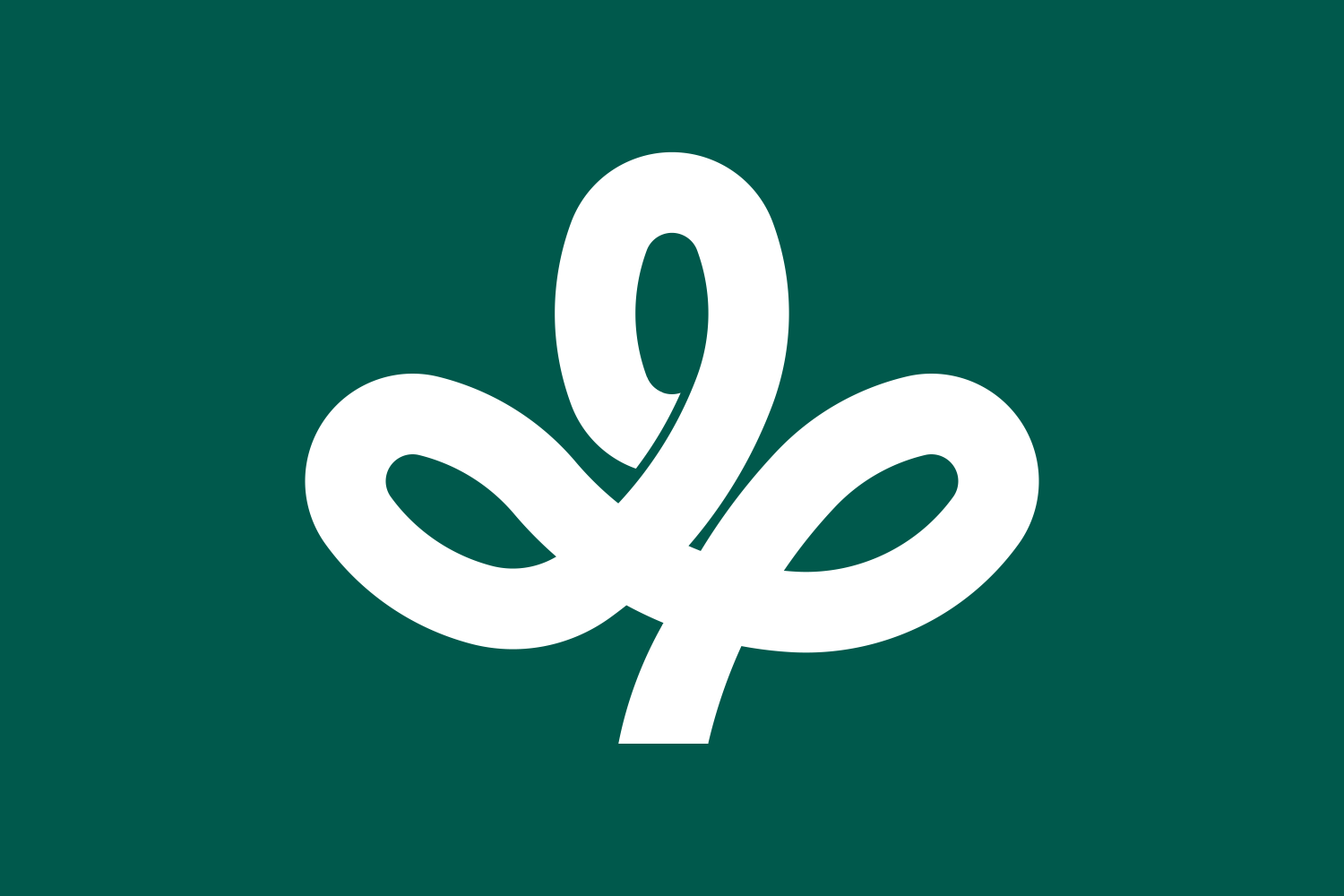
Miyagi

Akita
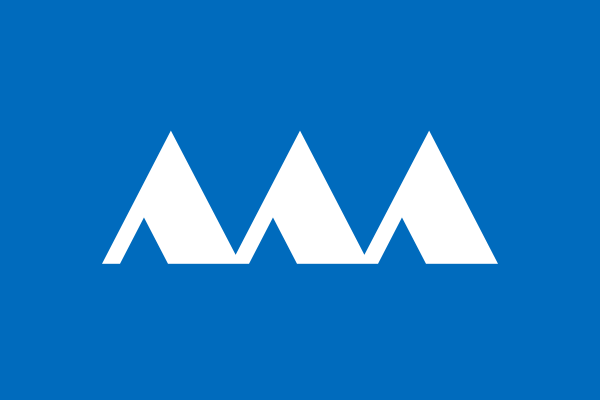
Yamagata
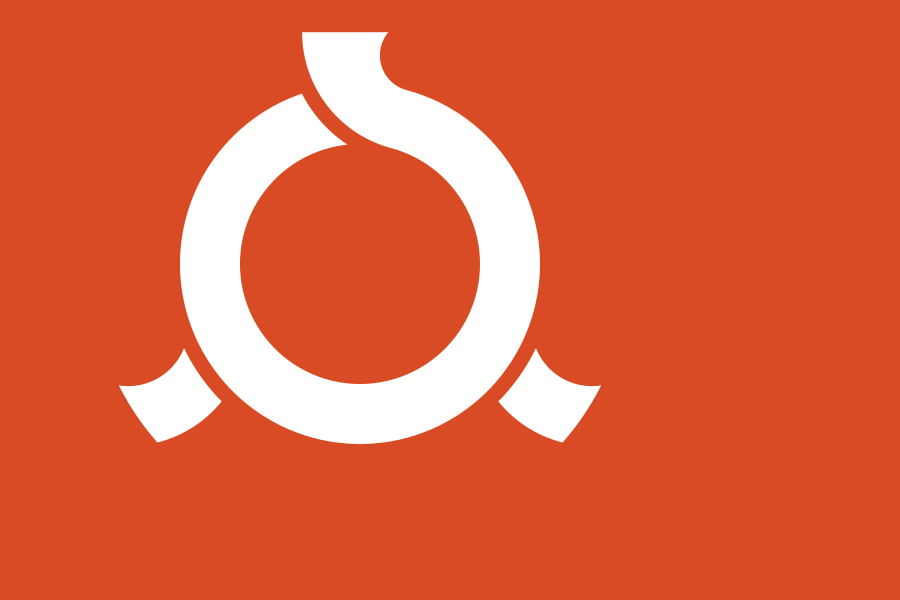
Fukushima
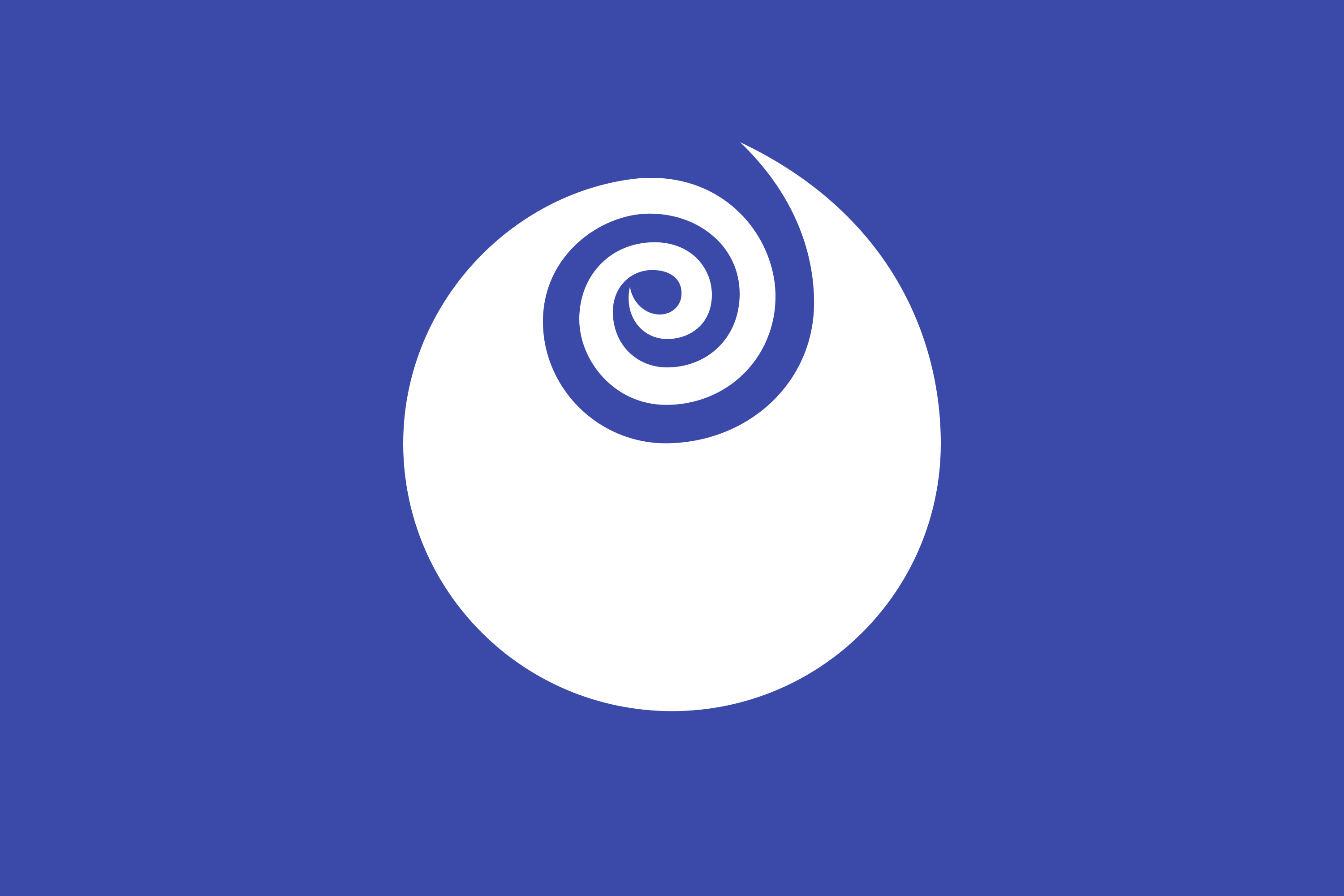
Ibaraki
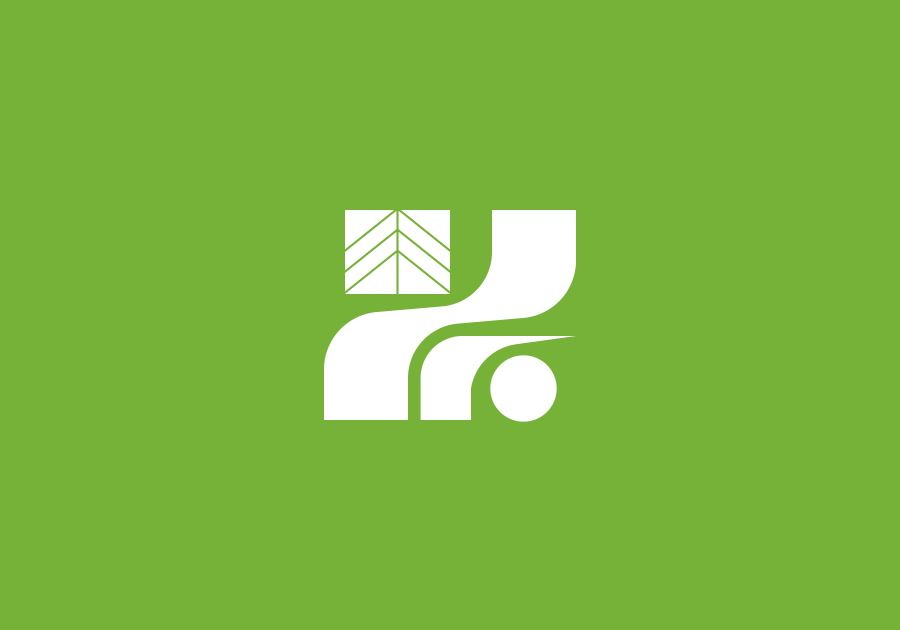
Tochigi
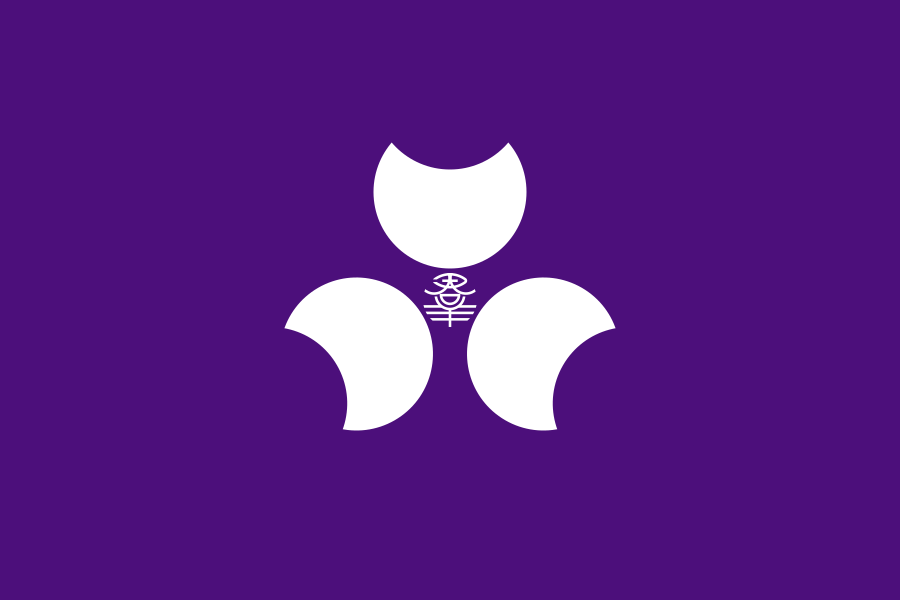
Gunma
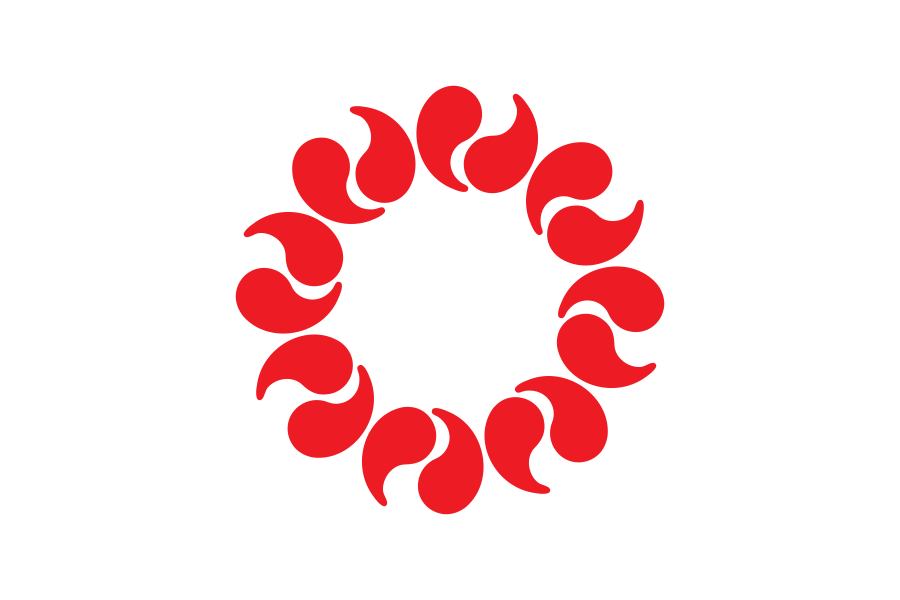
Saitama
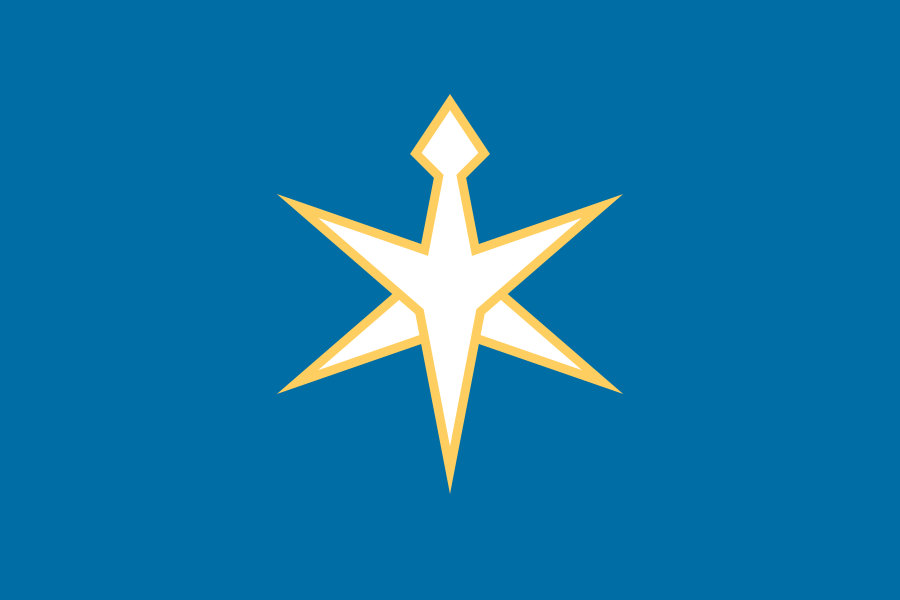
Chiba
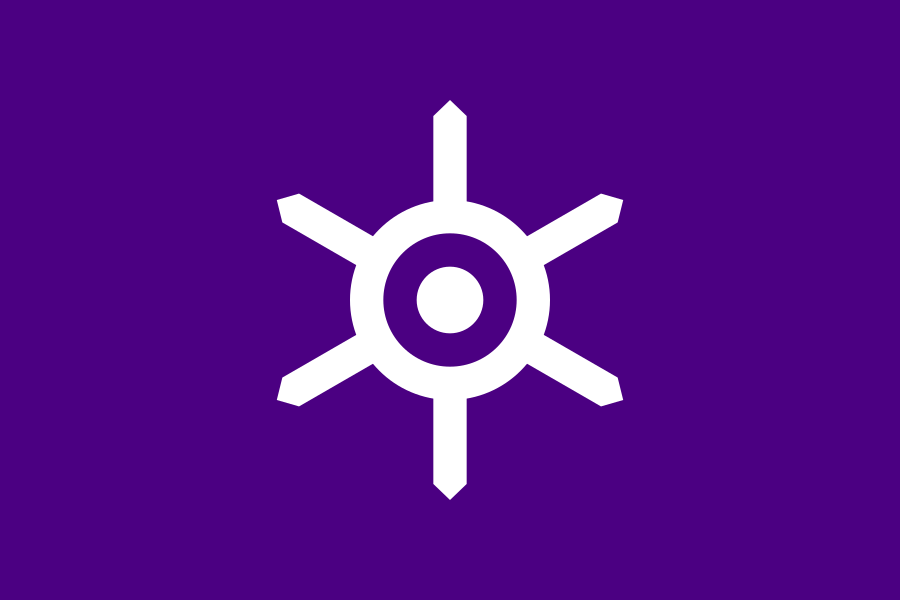
Tokyo
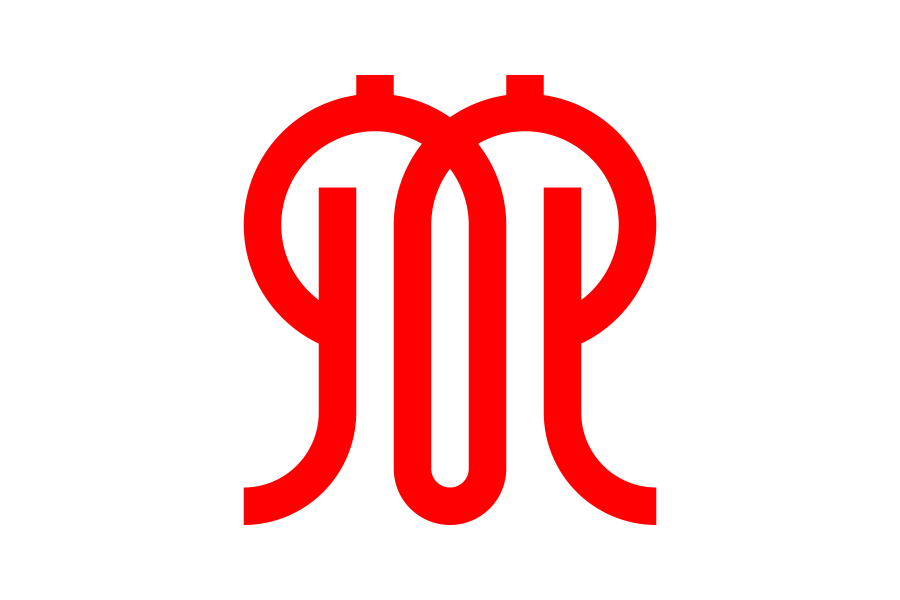
Kanagawa
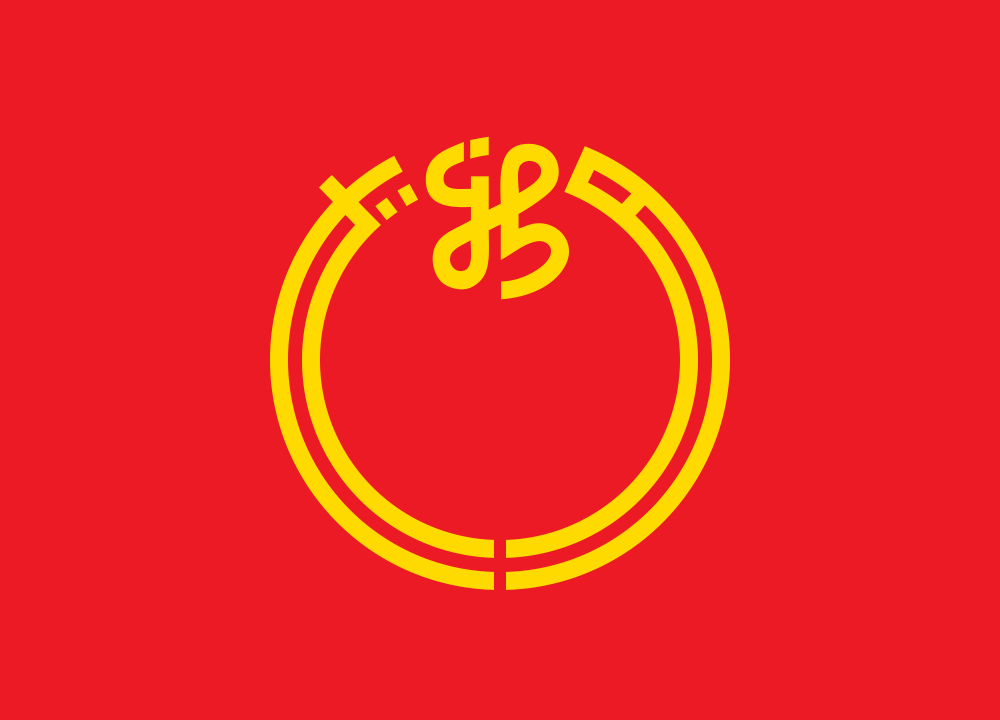
Niigata
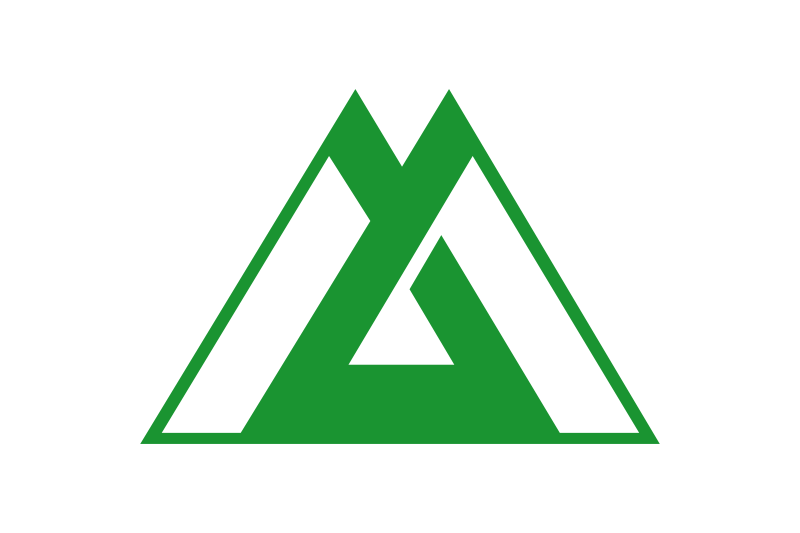
Toyama

Ishikawa
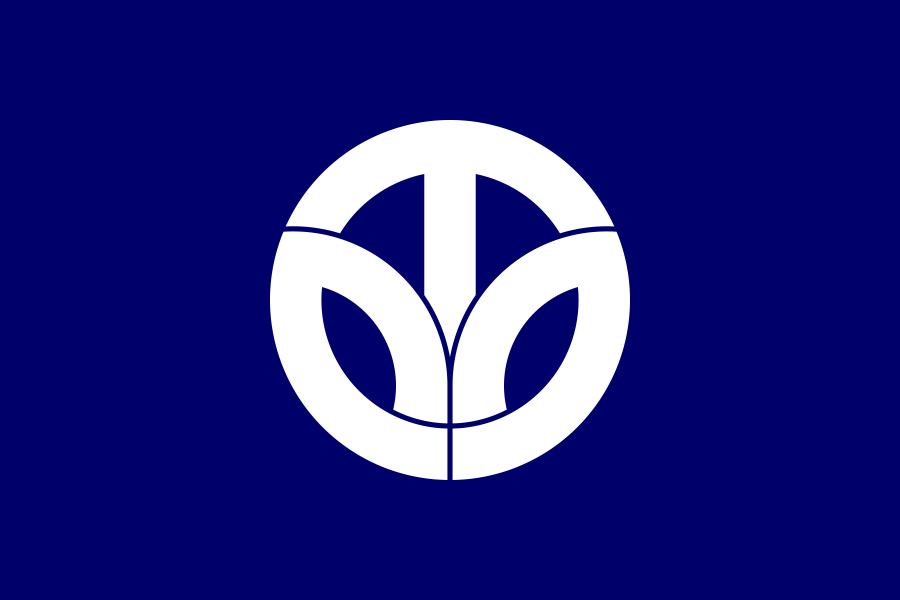
Fukui
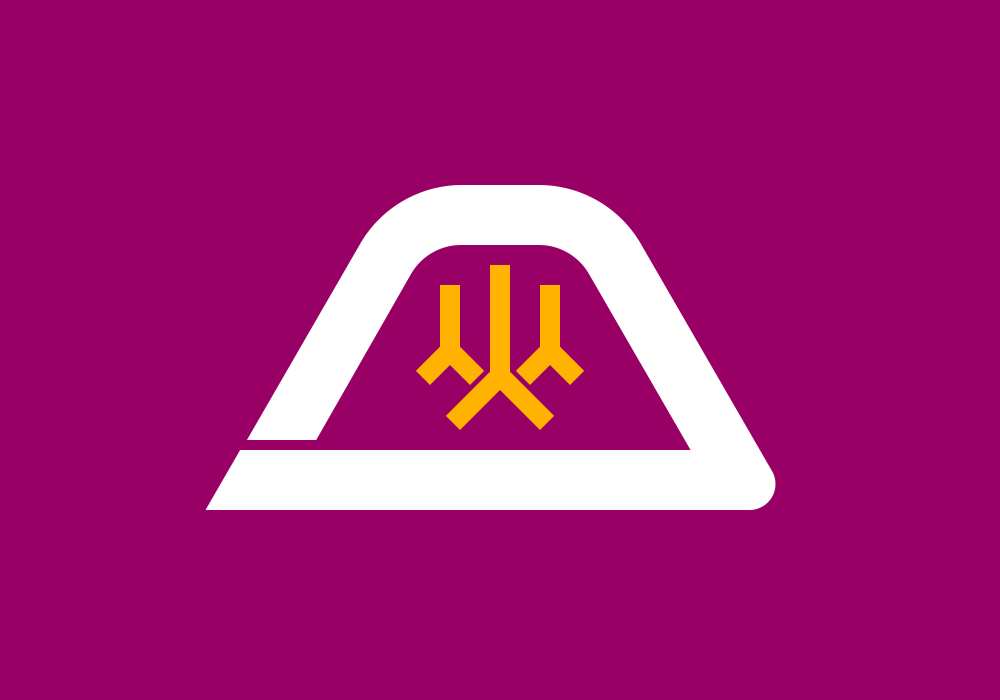
Yamanashi
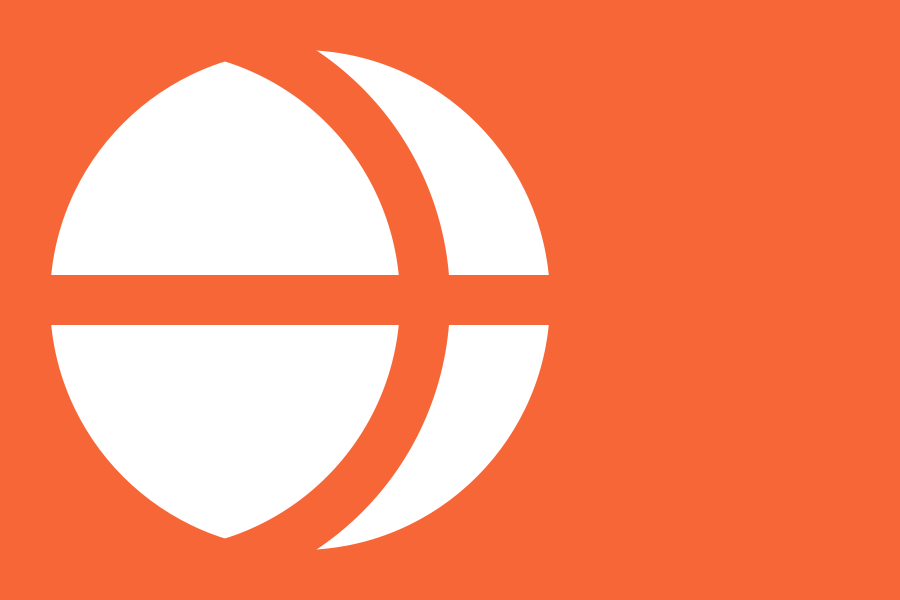
Nagano
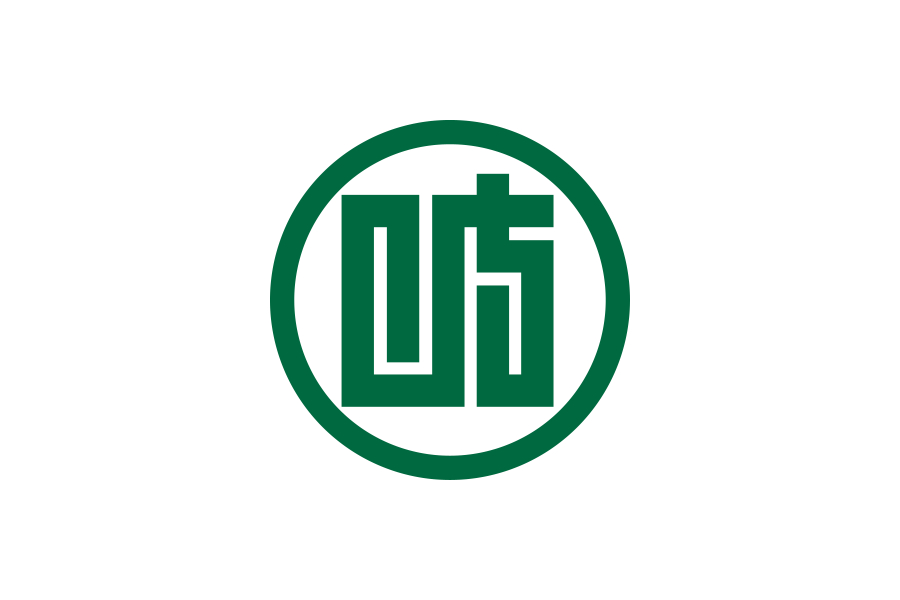
Gifu
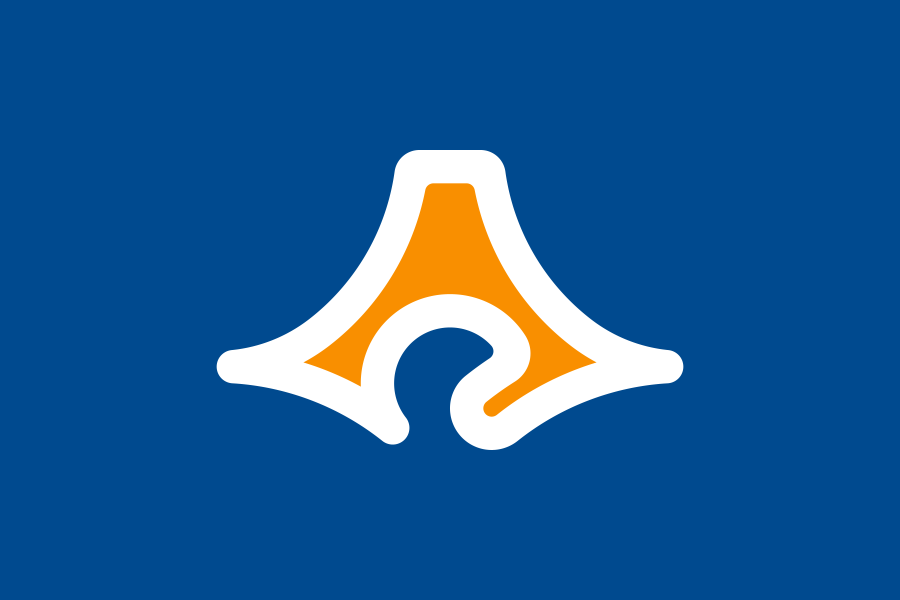
Shizuoka
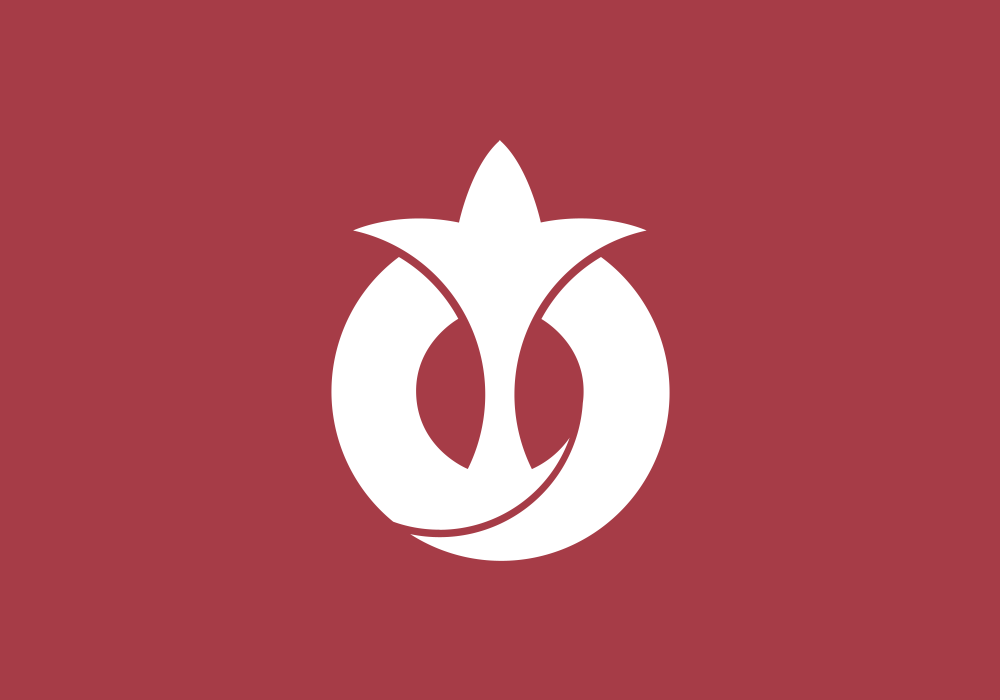
Aichi
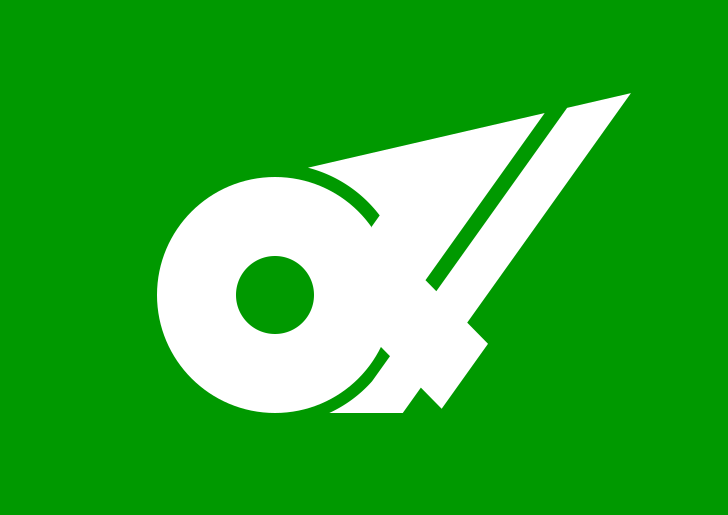
Mie
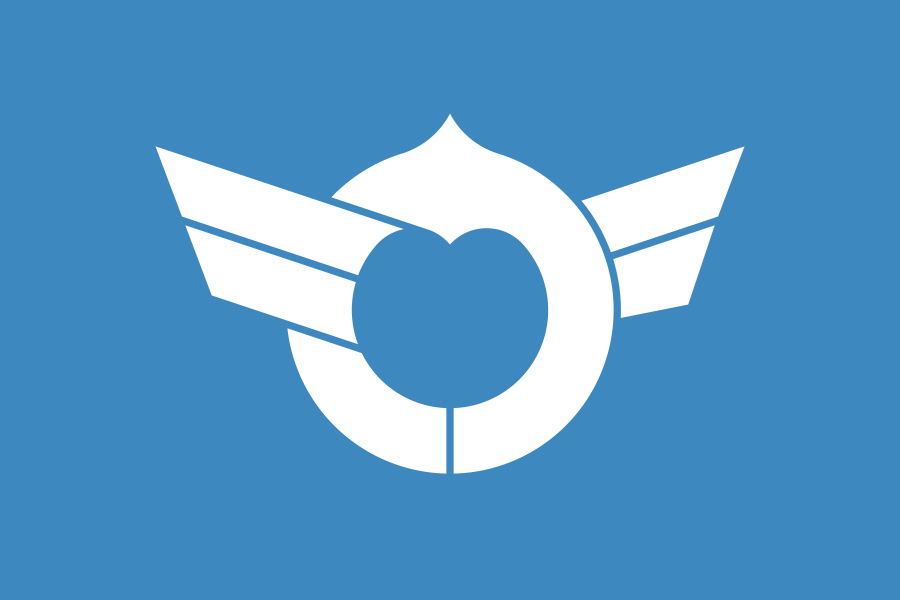
Shiga
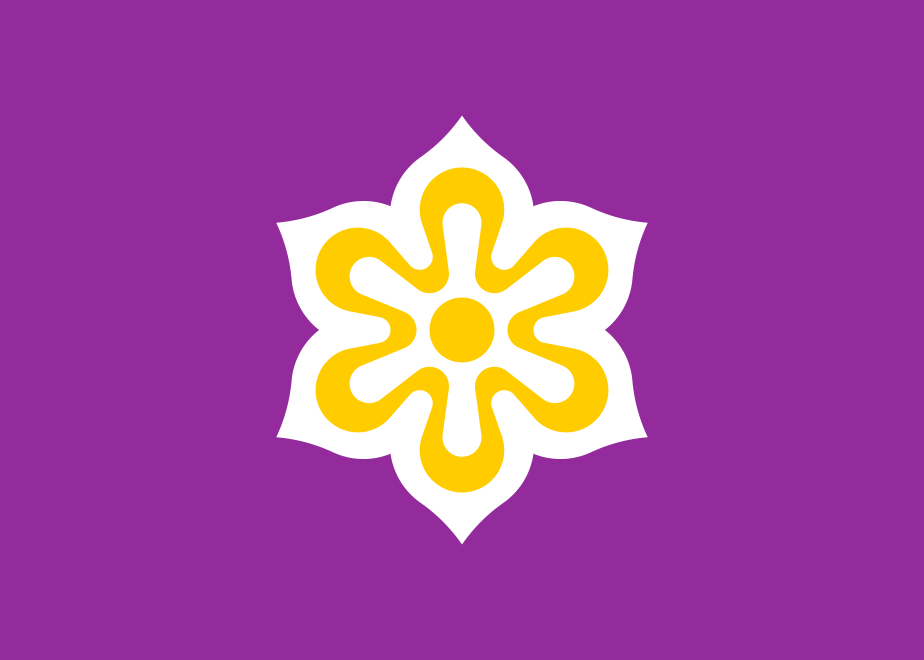
Kyoto
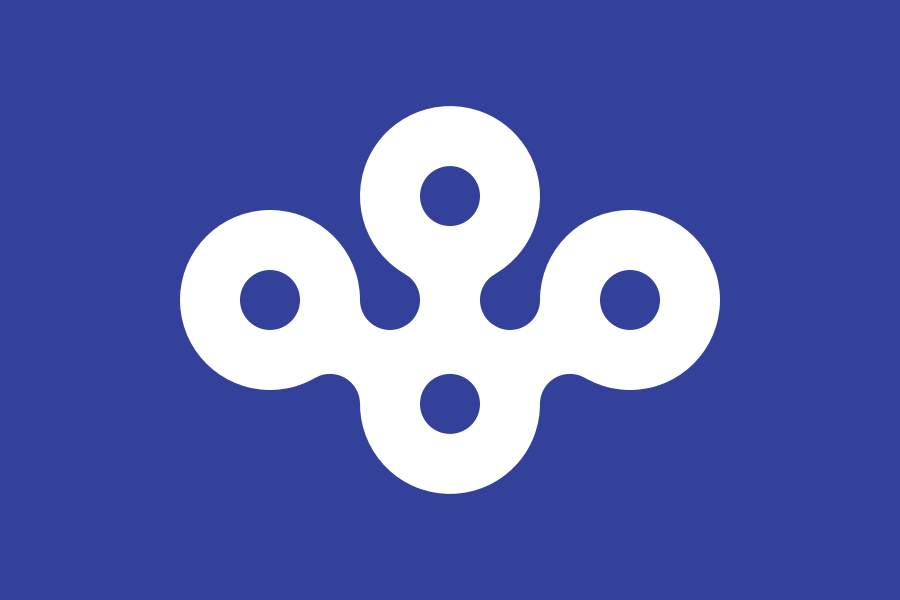
Osaka
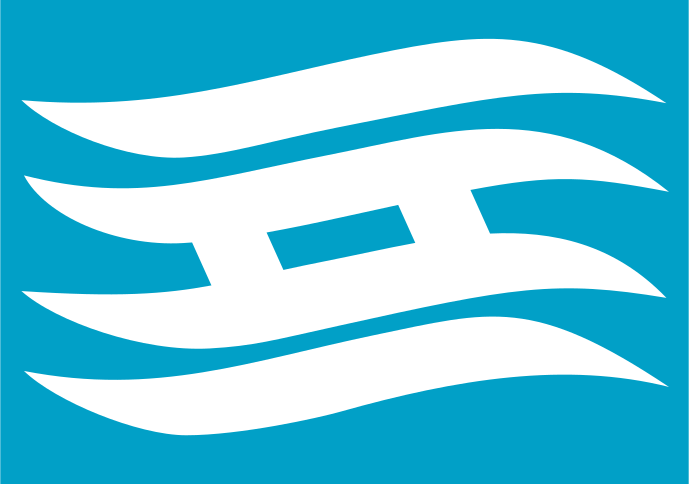
Hyogo
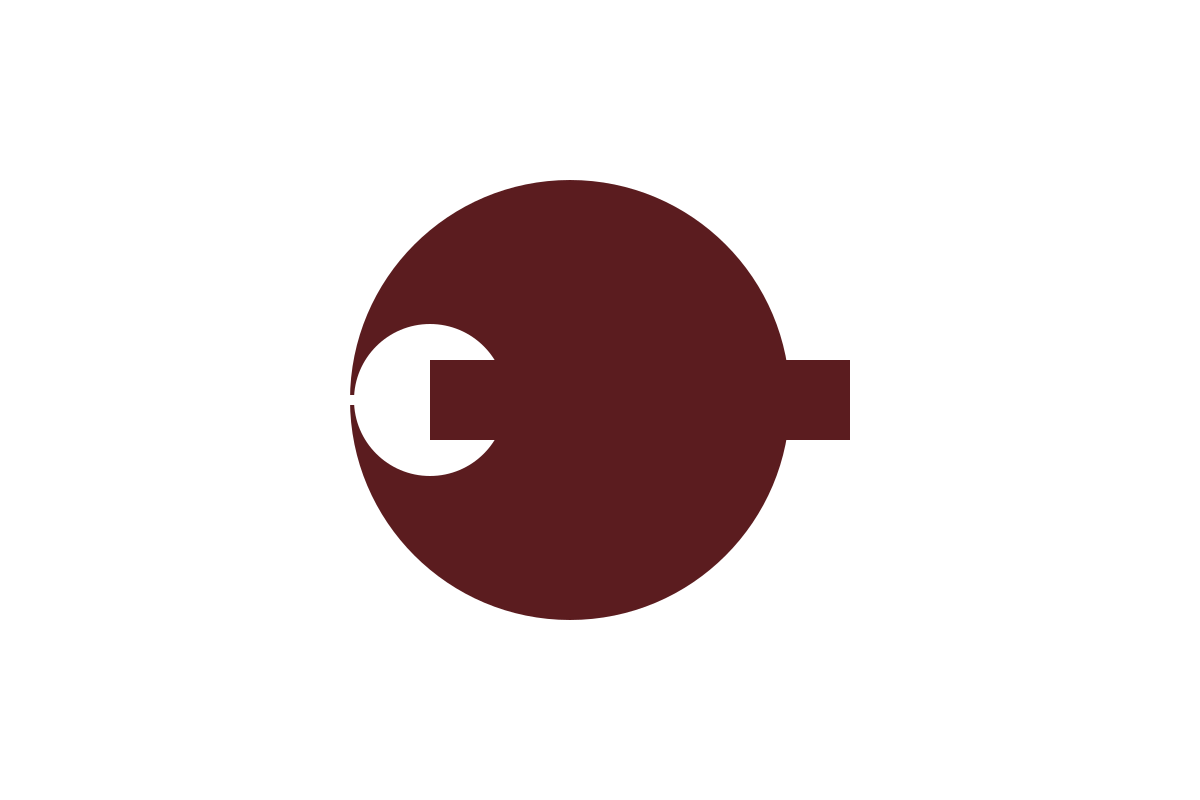
Nara
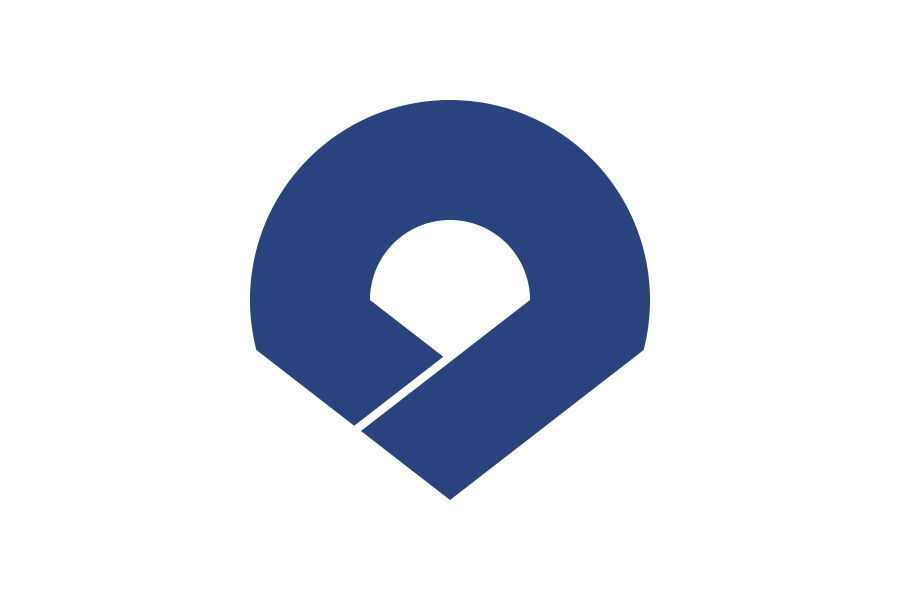
Wakayama
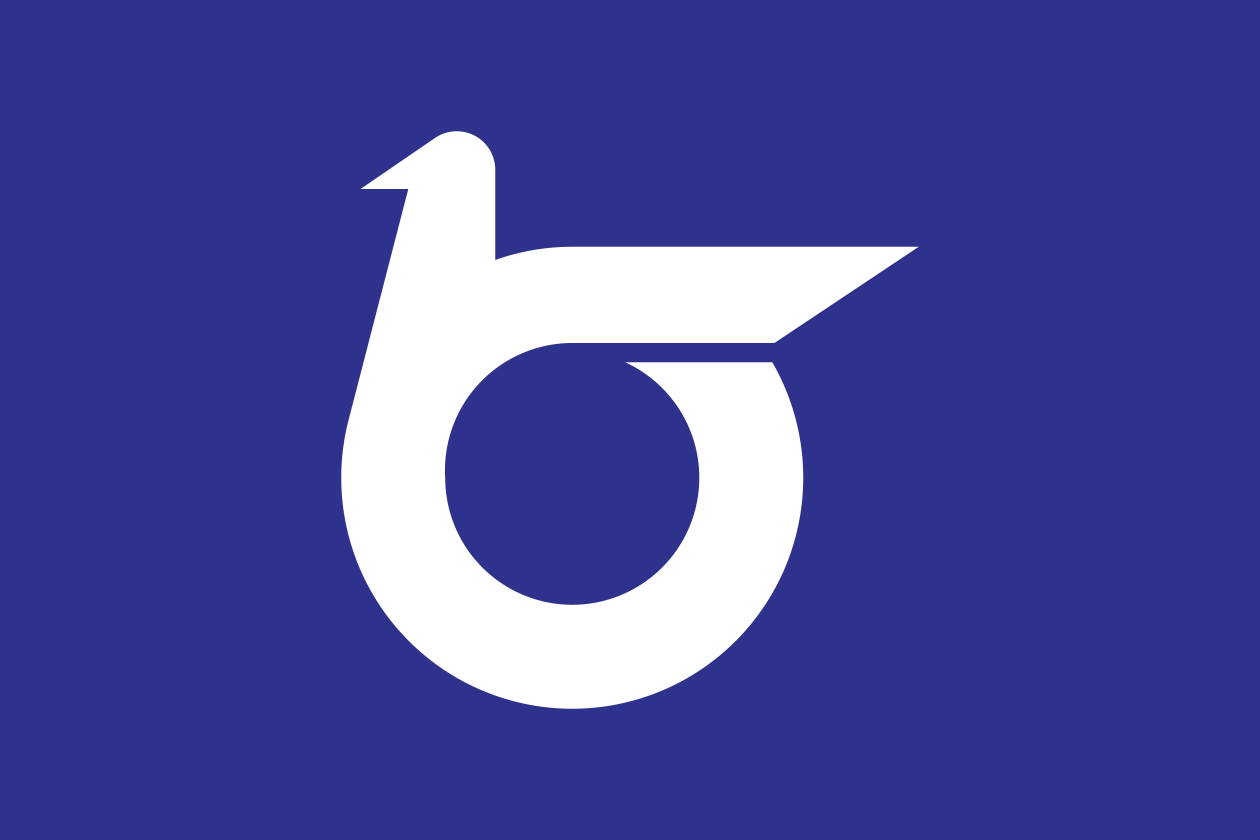
Tottori
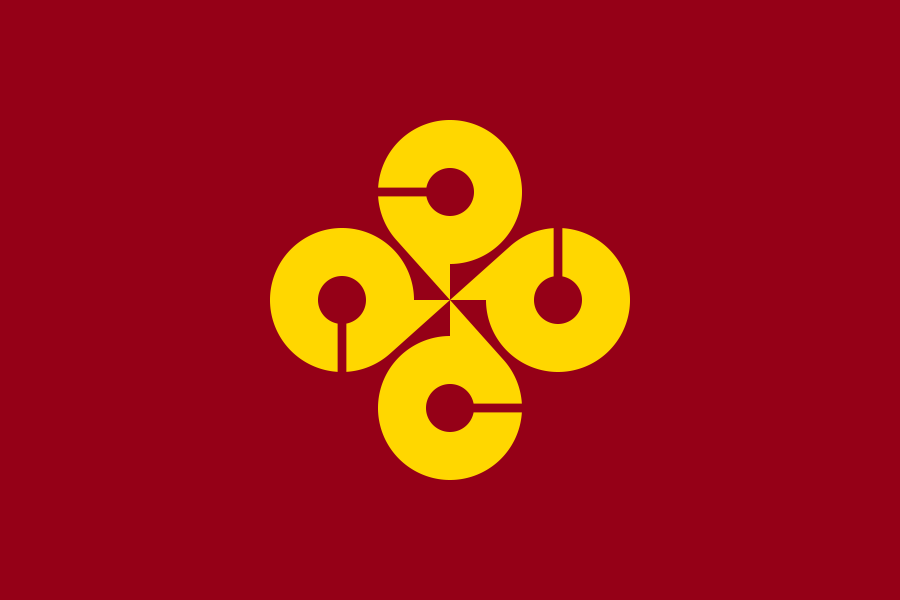
Shimane
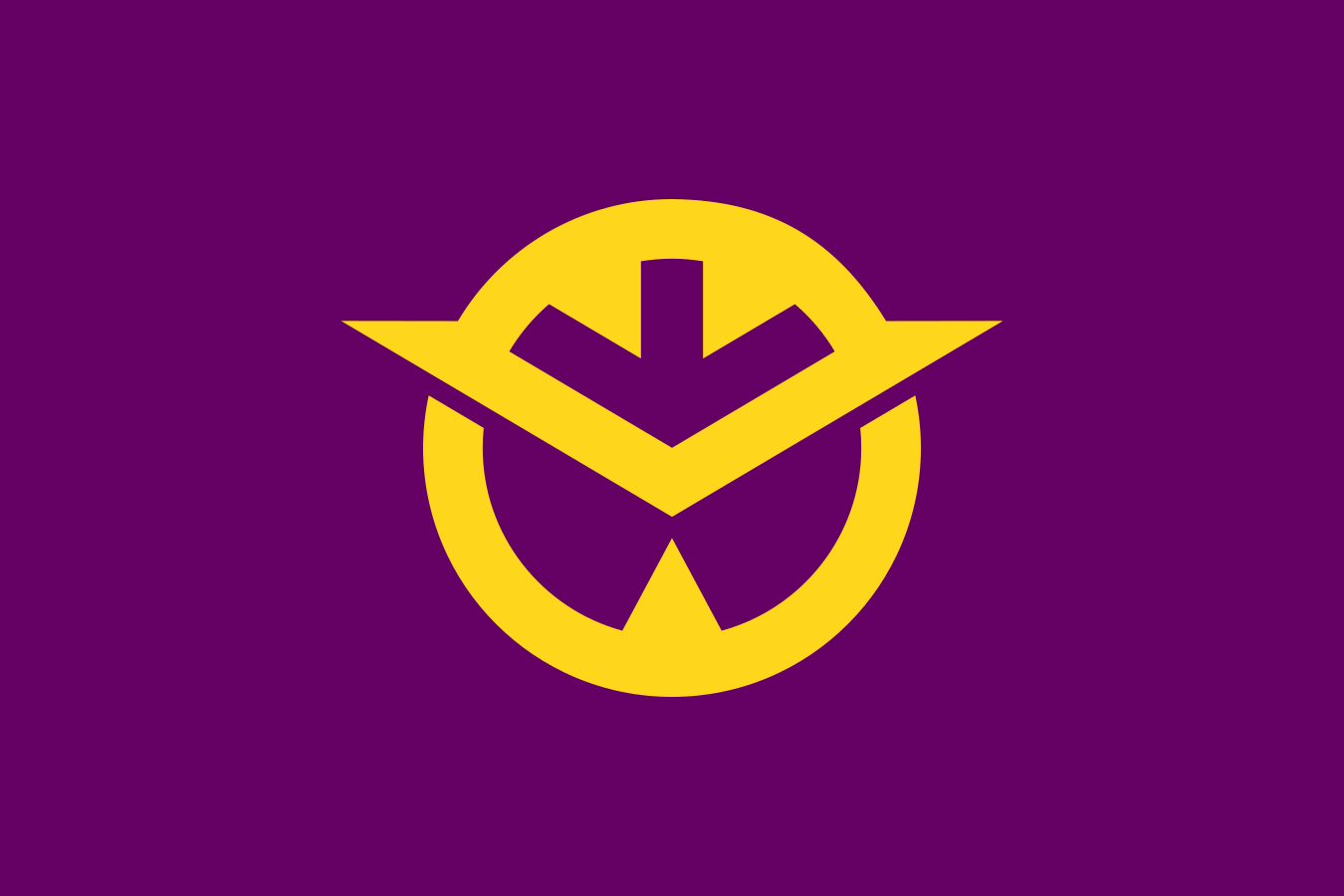
Okayama
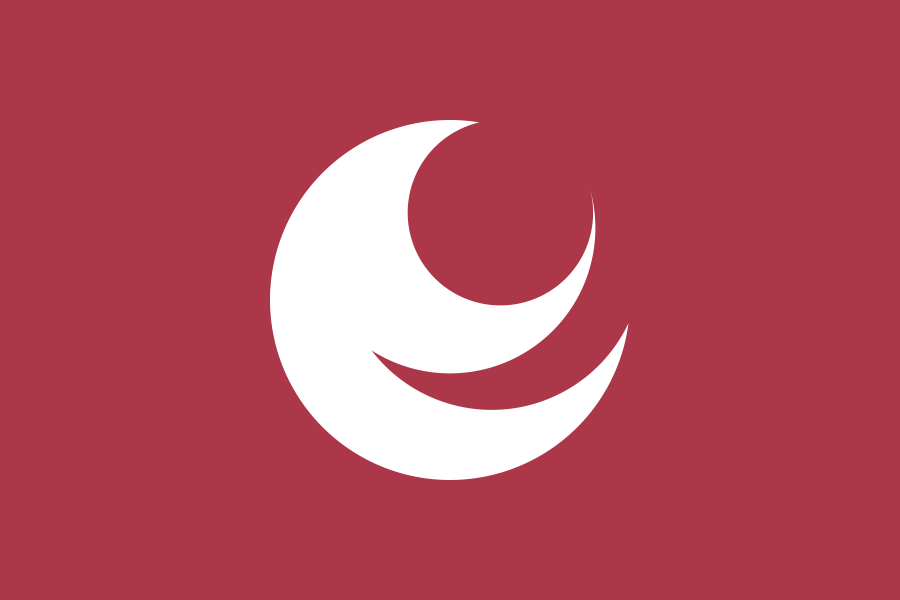
Hiroshima
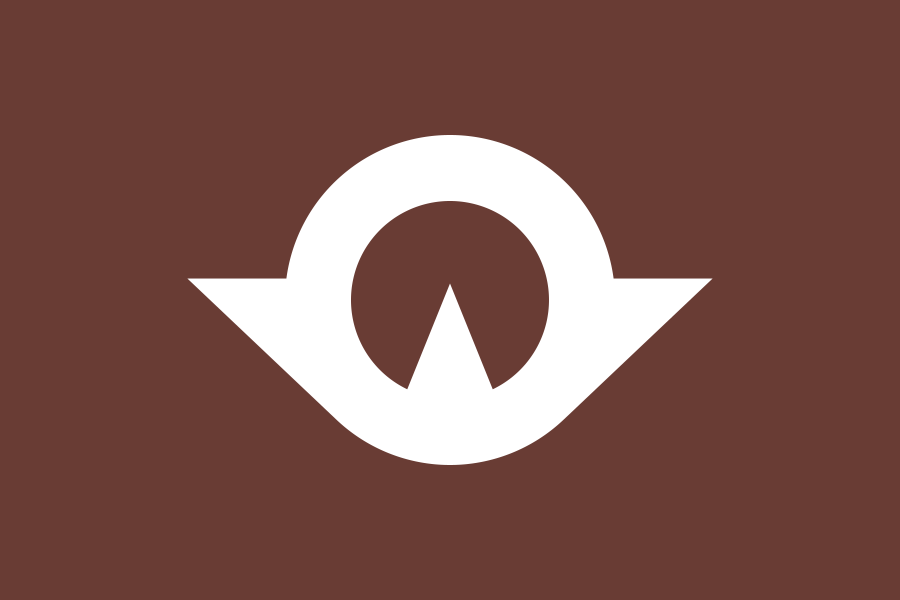
Yamaguchi
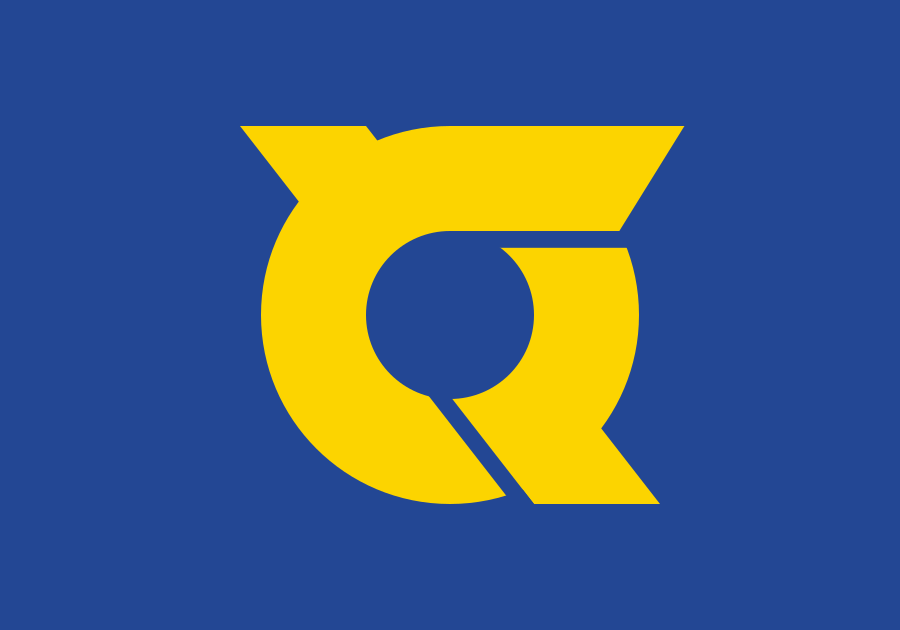
Tokushima
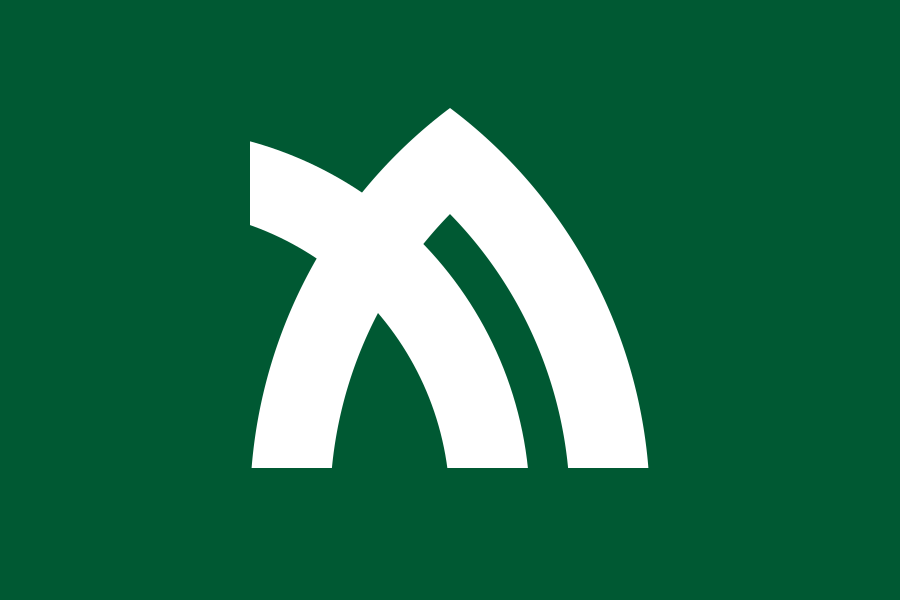
Kagawa
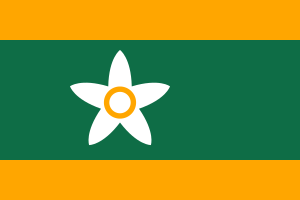
Ehime
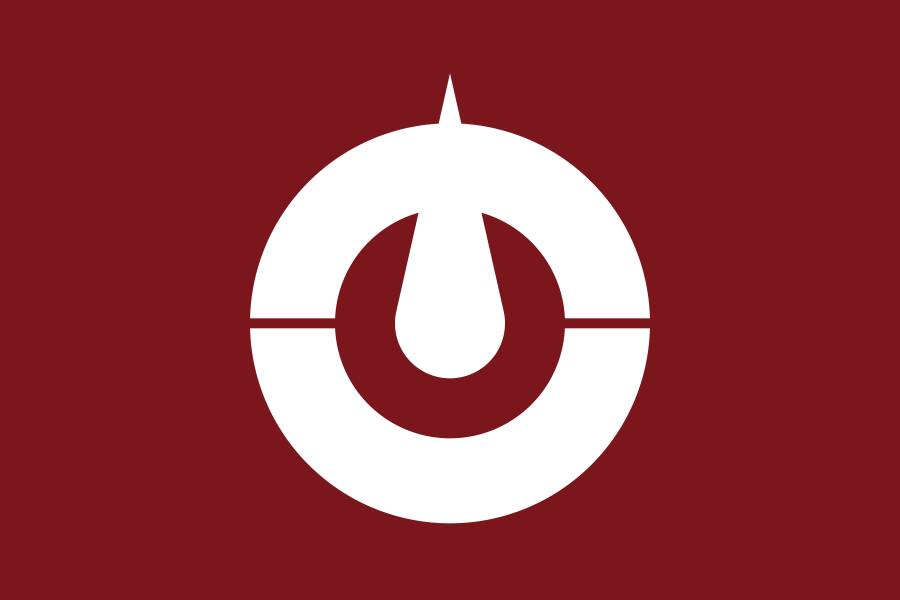
Kochi
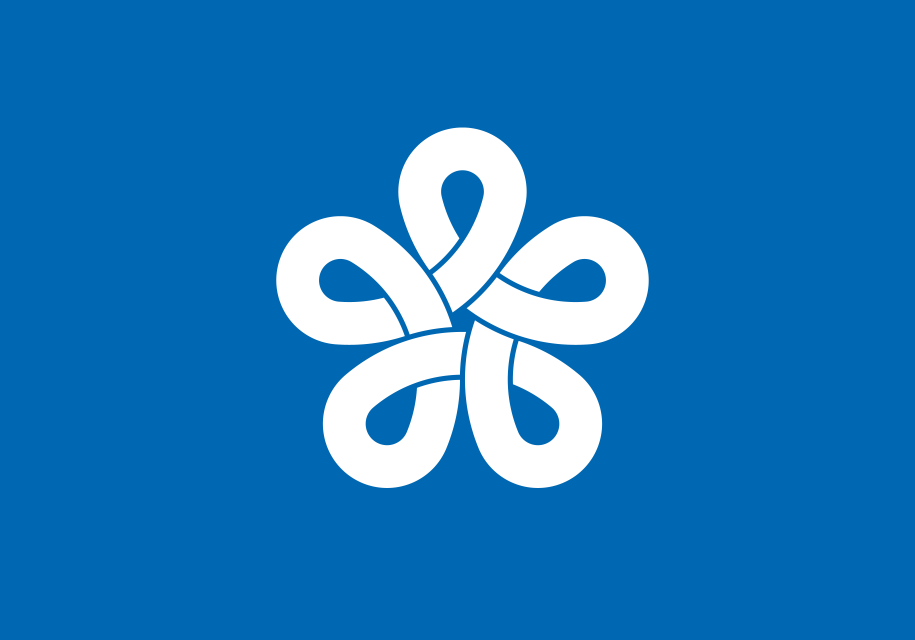
Fukuoka
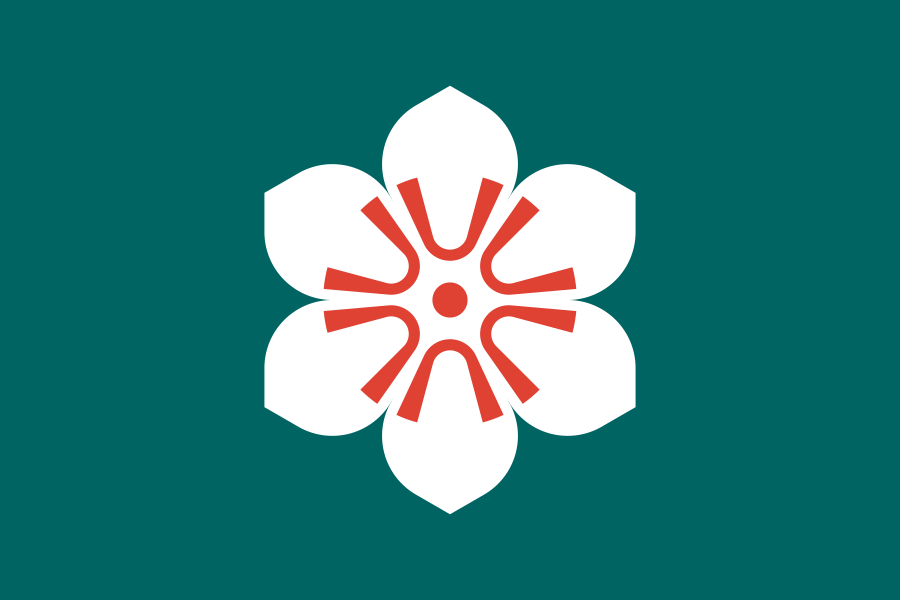
Saga
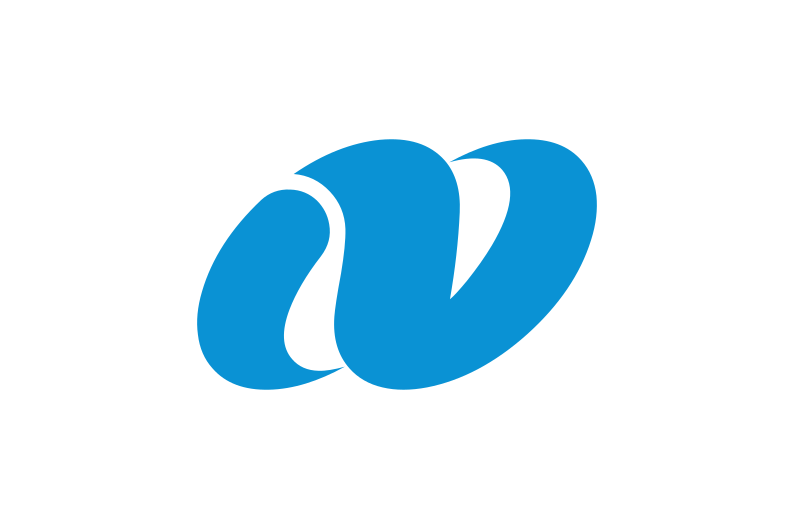
Nagasaki
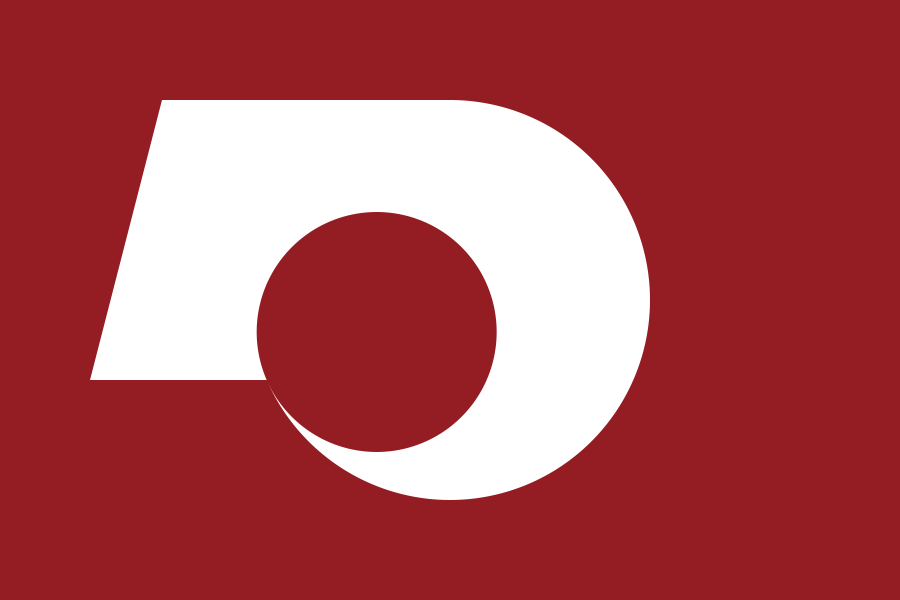
Kumamoto
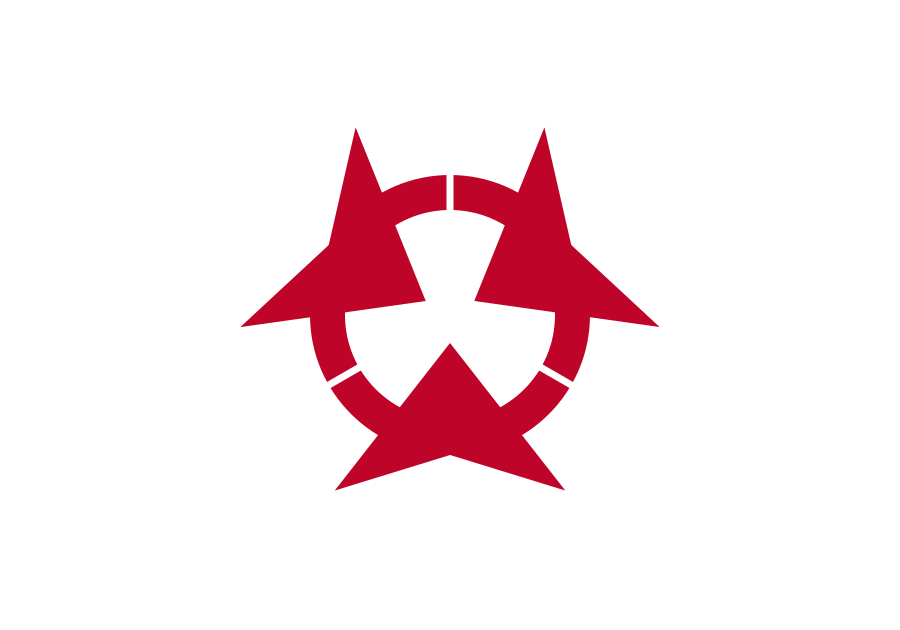
Oita
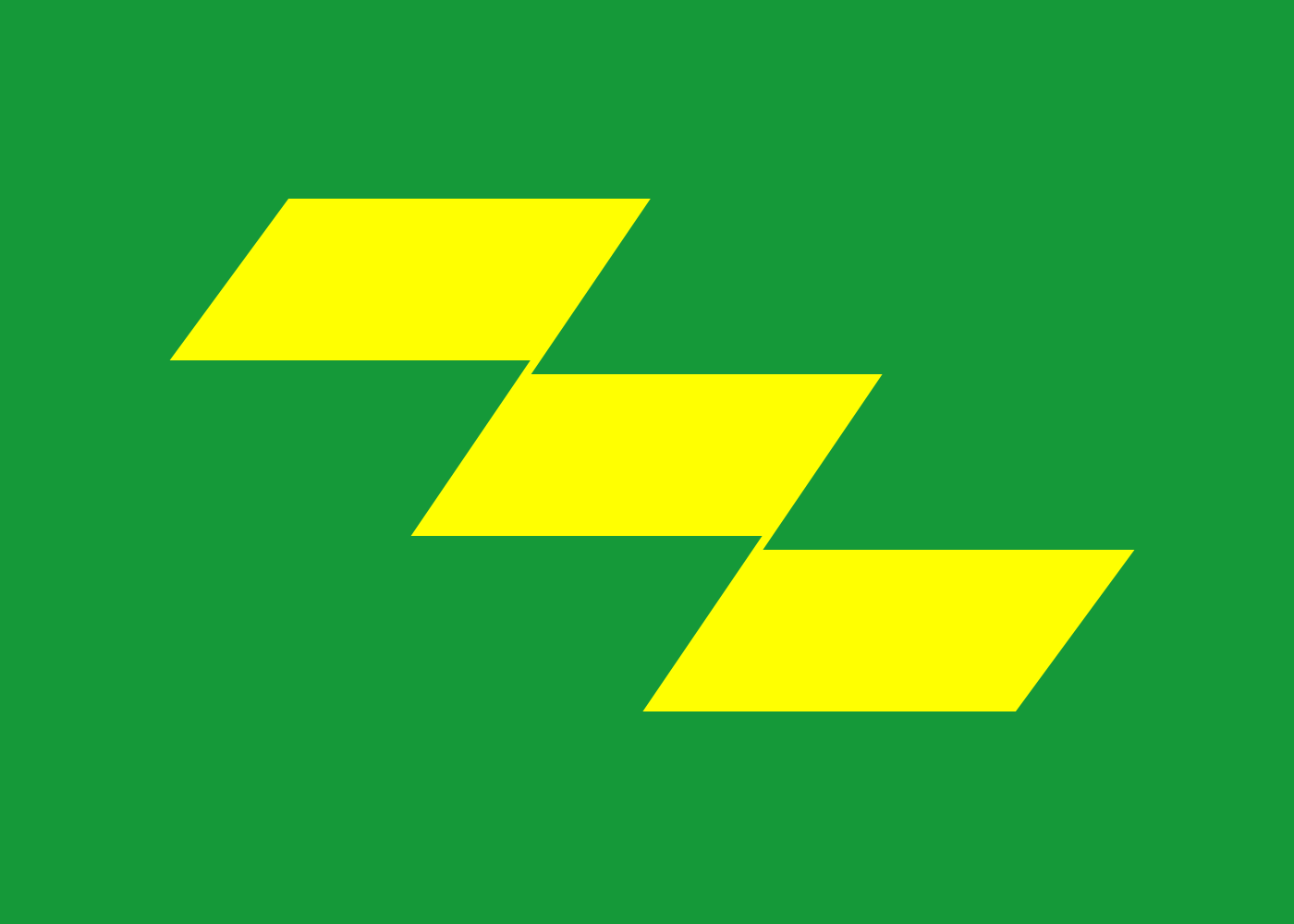
Miyazaki
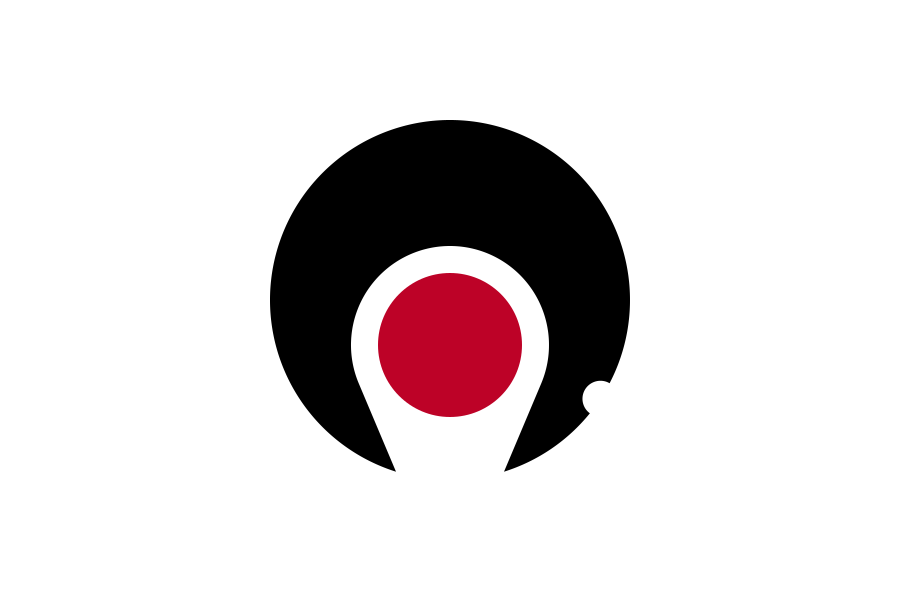
Kagoshima
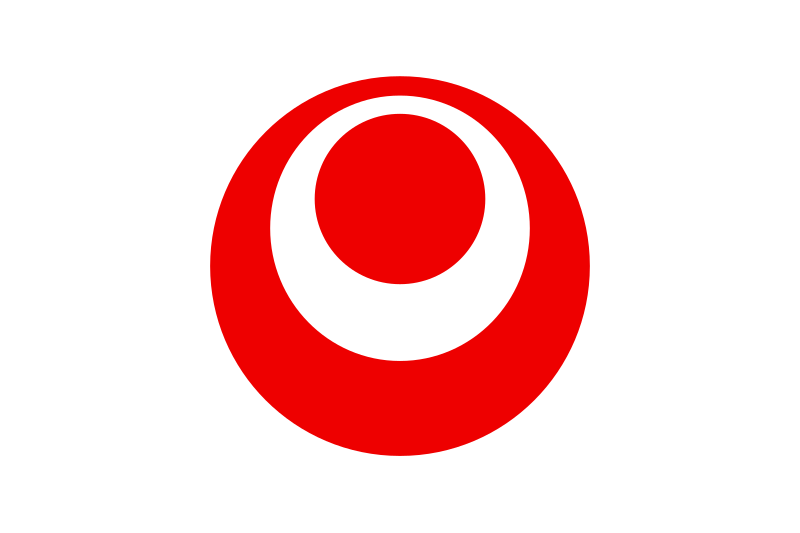
Okinawa
Other flags in white and red
17 other national flags use the same main colours as Japan's.
Play Globalio and learn Japan's flag
 Bangladesh
 Palau
 Austria
 Bahrain
 Canada
 Denmark
 Georgia
 Indonesia
 Latvia
 Malta
 Monaco
 Peru
 Poland
 Qatar
 Singapore
 Switzerland
 Tonga
 Tunisia
 Turkey