Middle East
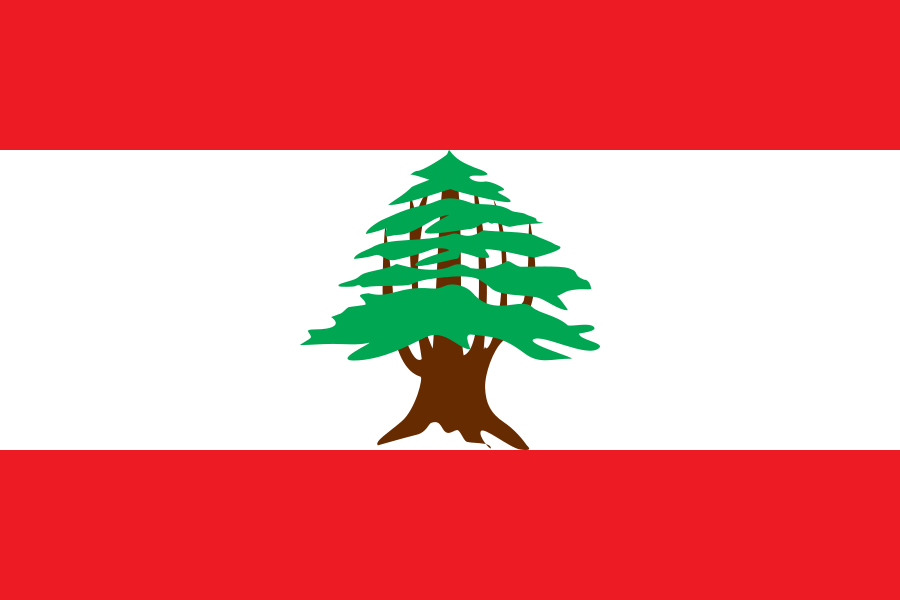
Flag of Lebanon
Lebanon is a small country on the eastern Mediterranean coast with an extraordinarily diverse cultural heritage shaped by Phoenician, Greek, Roman, Arab, Crusader, Ottoman, and French influences. Once called the 'Switzerland of the Middle East' for its banking sector and cosmopolitan lifestyle, Beirut was a major regional cultural and commercial centre. Lebanon is home to the ancient cedars of Lebanon, celebrated in the Bible and depicted prominently on the national flag and coat of arms.

- CapitalBeirut
- RegionMiddle East
- Current flag since1943
- Main coloursRed, White, Green
- Populationabout 5.5 million
- Areaabout 10,000 km²
- Flags in history4
Population and area are rounded.
What the flag of Lebanon means
The green cedar, the Cedar of Lebanon, stands for holiness, eternity and peace, and for the country's ancient forests, which are mentioned in the Bible. The red stripes stand for the blood shed to free the country, and the white for peace and the snow of its mountains. The flag was adopted in 1943, when Lebanon became independent from France.
How to recognise it
Horizontal red-white-red with a green cedar tree in the white centre.
Did you know?
Lebanon's flag is one of the few national flags with a tree on it: the Lebanese cedar, which grows in the country's mountains.
Easily confused with
Lebanon's flag is often mixed up with these. Learn to tell them apart:
Flag history of Lebanon
Every flag that has flown over Lebanon, from today back through time.
1943–present
Lebanese Republic
Lebanon's flag — red-white-red horizontal stripes with a green cedar tree at centre — was adopted in November 1943 when Lebanon declared independence from the French Mandate. The cedar of Lebanon, referenced more than 70 times in the Bible, has symbolised the country for millennia. The flag was designed by Henri Pharaon: the white represents the snow of Mount Lebanon; the red the blood shed for liberation; the cedar represents immortality and steadiness. The exact shade of green of the cedar has varied slightly between official versions.
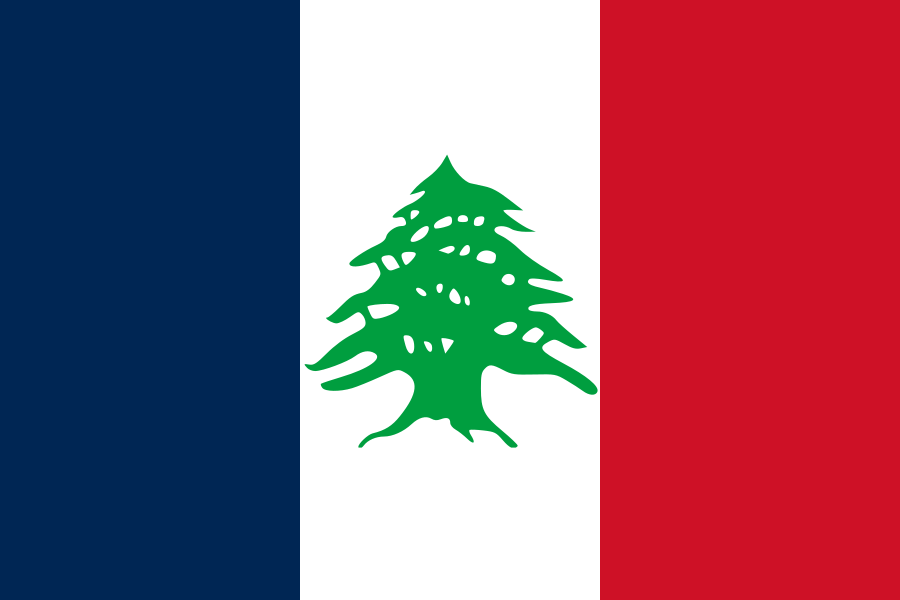
1920–1943
French Mandate of Lebanon
After the Ottoman Empire's collapse, France received the League of Nations mandate over greater Syria and carved out "Grand Liban" in 1920, incorporating the Maronite Christian heartland with surrounding Muslim territories. The mandate flag was the French Tricolore defaced with the cedar tree — a direct imposition of French colonial authority over a Lebanese identity. Lebanese nationalists chafed under the arrangement and declared independence in 1943, though French forces only withdrew in 1946.
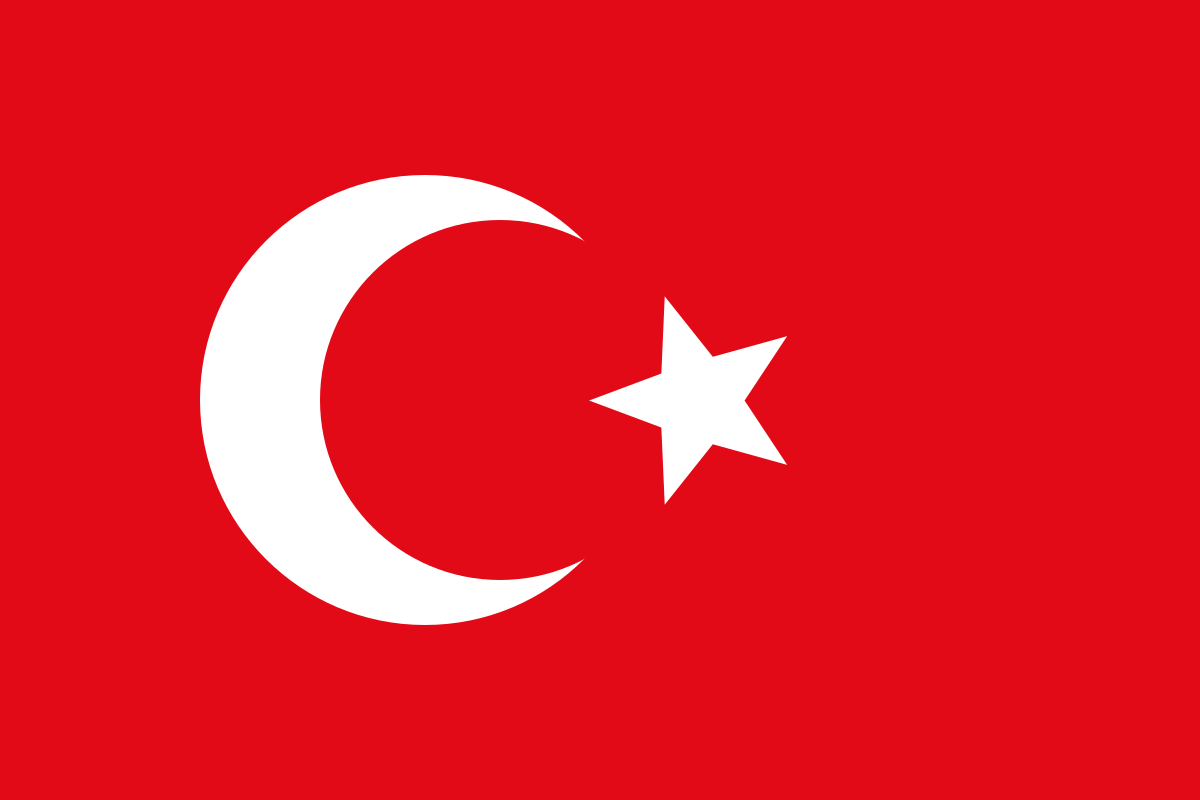
1861–1918
Mount Lebanon (Ottoman era)
For four centuries Lebanon was part of the Ottoman Empire, flying the Ottoman red star-and-crescent. After a wave of sectarian massacres in 1860, European powers pressured the Ottomans into creating the autonomous Mount Lebanon Mutasarrifate in 1861 — a self-governing Christian-majority province that gave the Lebanese their first taste of distinct political identity. This autonomy planted the seeds of the modern Lebanese state, though the territory still flew the Ottoman flag until the empire's collapse in 1918.
1979–1984
Free Lebanon State
A Christian-militia enclave in south Lebanon declared during the civil war, backed by Israel.
Neighbouring countries
Lebanon shares a land border with 2 countries: Israel and Syria.
Other flags in red, white and green
12 other national flags use the same main colours as Lebanon's.
Play Globalio and learn Lebanon's flag
 Hungary
 Austria
 Israel
 Syria
 Algeria
 Belarus
 Bulgaria
 Burundi
 Iran
 Italy
 Madagascar
 Maldives
 Mexico
 Oman
 Turkmenistan