 Pakistan
 Azerbaijan

2001–present
Flag of Turkmenistan
Finalized in 2001, this green flag with a vertical red carpet-stripe of five tribal "guls," a crescent, five stars, and olive branches is among the most detailed national flags in the world.
Turkmenistan is a Central Asian country bordered by Kazakhstan, Uzbekistan, Afghanistan, Iran, and the Caspian Sea, and is one of the world's most isolated and authoritarian states. It holds the world's fourth-largest natural gas reserves and uses this wealth to provide heavily subsidised utilities and fuel to citizens. The country is home to the Darvaza gas crater — a natural gas field that was set alight in 1971 and continues to burn today, nicknamed the 'Door to Hell.'
Population and area are rounded.
The five carpet guls in the red stripe represent the five main tribes and the country's carpet-weaving tradition, and the olive branches beneath them recall Turkmenistan's neutrality, recognised by the United Nations in 1995. The crescent stands for a bright future and the five stars for the five provinces. The flag was adopted in 1992 and took its present proportions in 2001.
Turkmenistan has one of the most detailed national flags in the world, because each of the five carpet guls is drawn in fine detail. The guls belong to the main tribes, the Teke, Yomut, Arsary, Chowdur and Saryk. Turkmenistan became independent from the Soviet Union in 1991.
Dark green with a vertical red stripe near the hoist bearing intricate carpet gul patterns.
Turkmenistan has one of the world's largest natural gas reserves and a burning crater called "The Door to Hell."
Turkmenistan's flag is often mixed up with these. Learn to tell them apart:
Every flag that has flown over Turkmenistan, from today back through time.
Finalized in 2001, this green flag with a vertical red carpet-stripe of five tribal "guls," a crescent, five stars, and olive branches is among the most detailed national flags in the world.
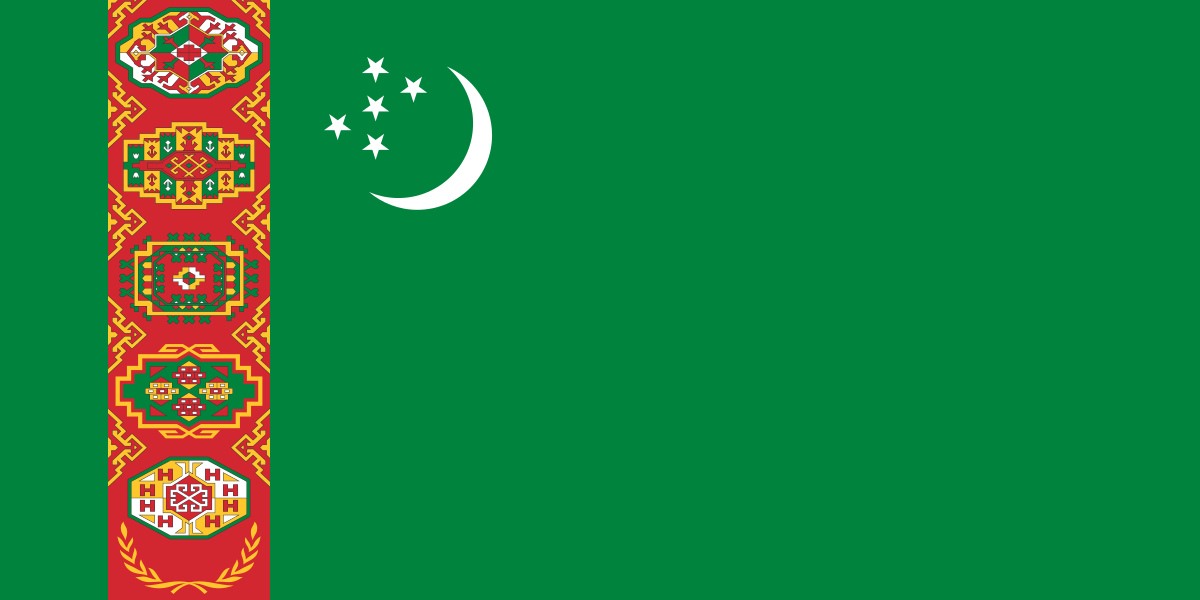
Amended in 1997 to add two crossed olive branches beneath the carpet guls, marking the UN's recognition of Turkmenistan's permanent neutrality.
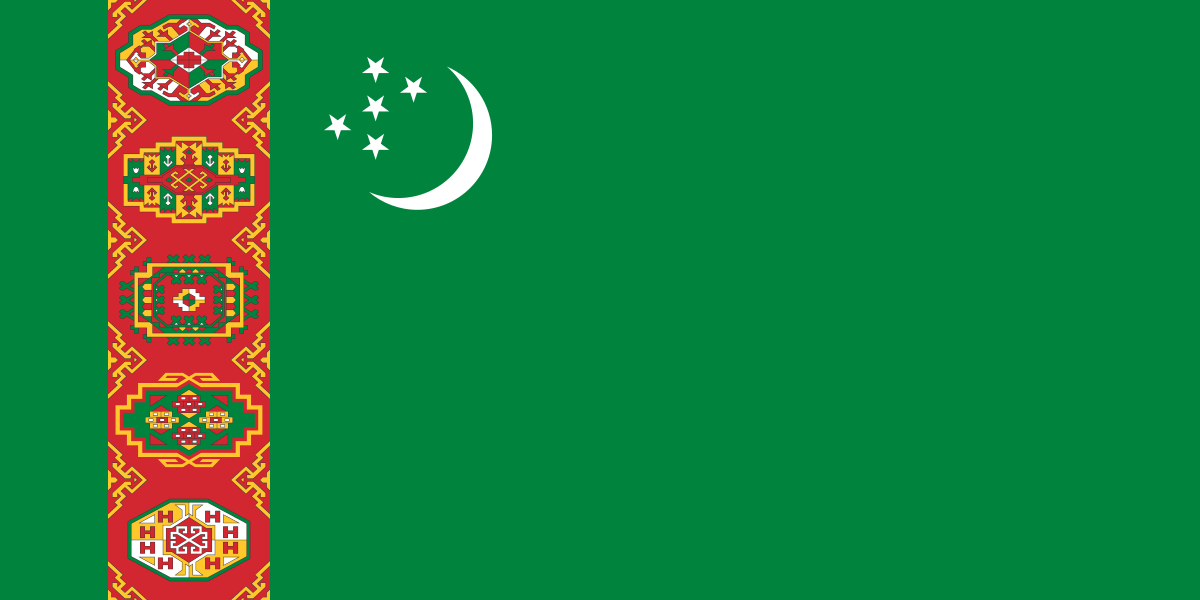
Introduced in 1992: a green field with a vertical red-maroon carpet stripe bearing five tribal guls, plus a white crescent and five stars, but no olive branches yet.
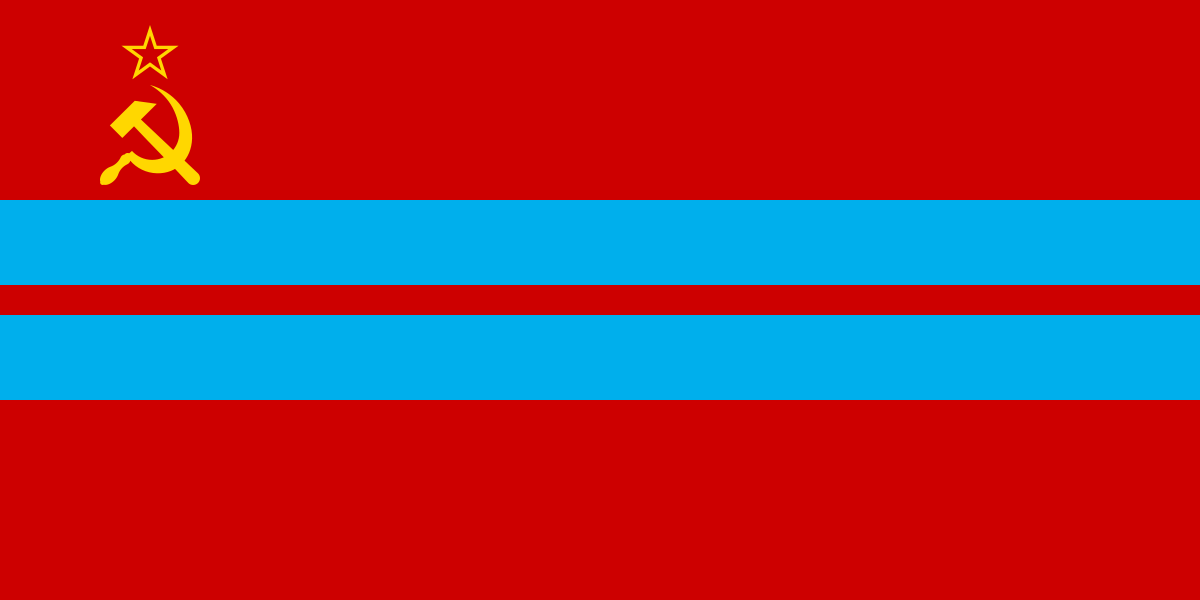
A red flag with two light-blue stripes and a band of Turkmen carpet ornamentation — a Soviet nod to the republic's famous carpet industry, foreshadowing the modern flag.
Empires, kingdoms and republics that once covered part of Turkmenistan.
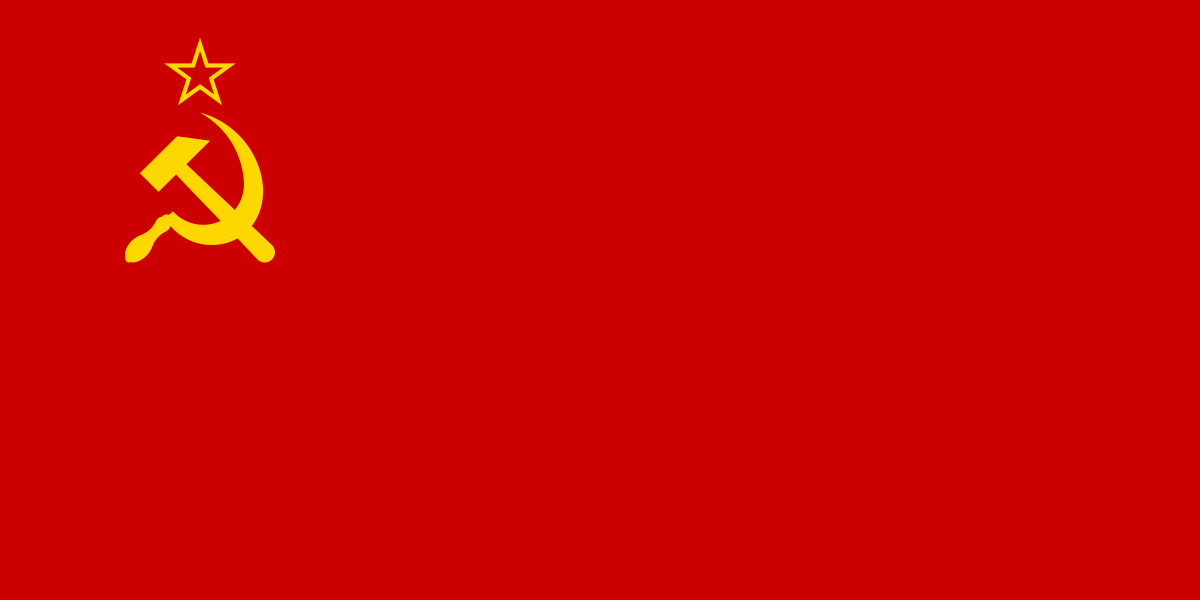
The gold hammer and sickle beneath a red star stood for the worker-peasant alliance. The exact shade and proportions were fixed by Soviet law in 1955.
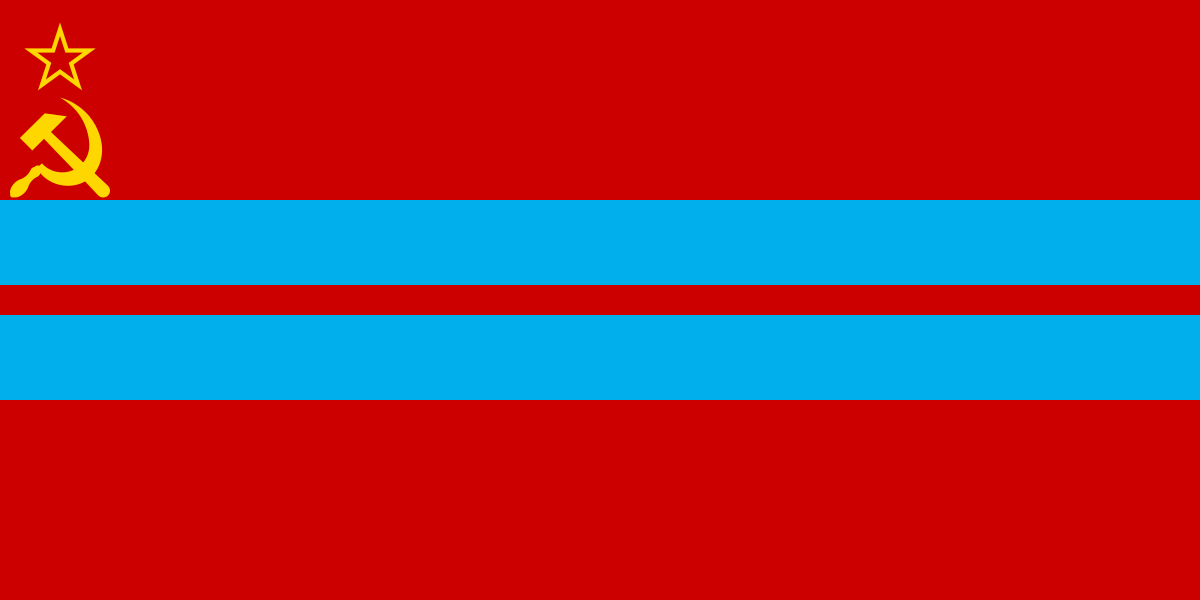
A red Soviet flag crossed by two blue stripes, flown over Soviet Turkmenistan; the modern country adopted its green national flag in 1992.
Turkmenistan shares a land border with 4 countries: Afghanistan, Iran, Kazakhstan and Uzbekistan.
12 other national flags use the same main colours as Turkmenistan's.
Play Globalio and learn Turkmenistan's flag Afghanistan
 Iran
 Kazakhstan
 Uzbekistan
 Algeria
 Belarus
 Bulgaria
 Burundi
 Hungary
 Italy
 Lebanon
 Madagascar
 Maldives
 Mexico
 Oman