 Chad
 Romania
 Germany

1990–present
Republic of Armenia
The red-blue-orange (apricot) tricolour of the 1918 First Republic was readopted in 1990, before formal independence. The orange band symbolizes the Armenian people's creative talent and hard work.
Armenia is a small landlocked country in the South Caucasus with one of the world's oldest continuous civilisations, and was the first country in the world to adopt Christianity as its state religion, in 301 AD. The country is home to some of the world's earliest Christian churches and monasteries, including Etchmiadzin Cathedral, and has a 6,000-year winemaking tradition evidenced by archaeological finds. Armenia has a deep cultural identity shaped significantly by the Armenian Genocide of 1915.
Population and area are rounded.
According to Armenia's constitution, red stands for the Armenian Highland and the people's struggle for survival, blue for the will to live under peaceful skies, and orange for the creative talent and hard work of the people. The tricolour was first used by the First Republic of Armenia from 1918 to 1920 and was adopted again in 1990.
Horizontal red-blue-orange stripes.
Armenia was the first country in the world to adopt Christianity as its state religion, in 301 AD.
Armenia's flag is often mixed up with these. Learn to tell them apart:
Every flag that has flown over Armenia, from today back through time.
The red-blue-orange (apricot) tricolour of the 1918 First Republic was readopted in 1990, before formal independence. The orange band symbolizes the Armenian people's creative talent and hard work.
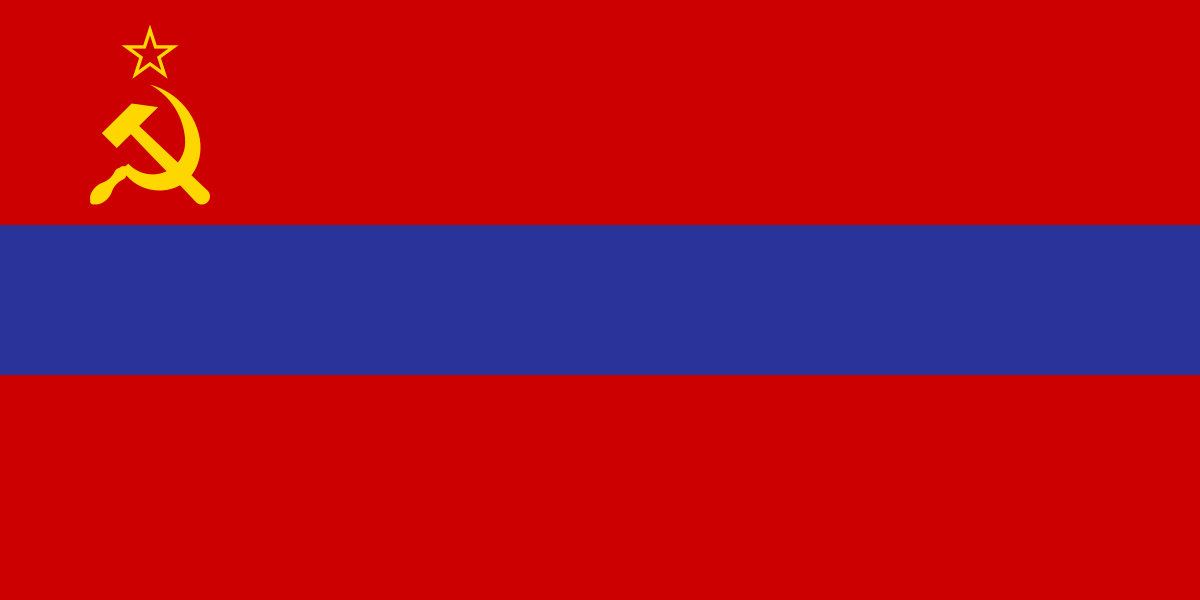
A red flag with a horizontal pale-blue stripe across the middle, one of the more visually distinctive Soviet republic flags.
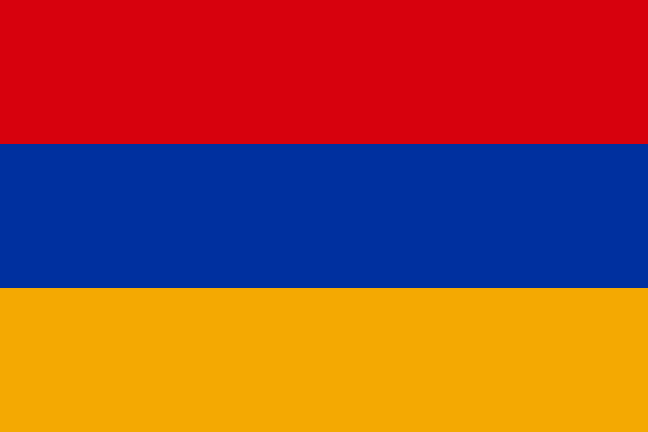
The short-lived First Republic adopted this tricolour in 1918 — the exact design restored as the modern flag, making it the direct ancestor of today's banner.
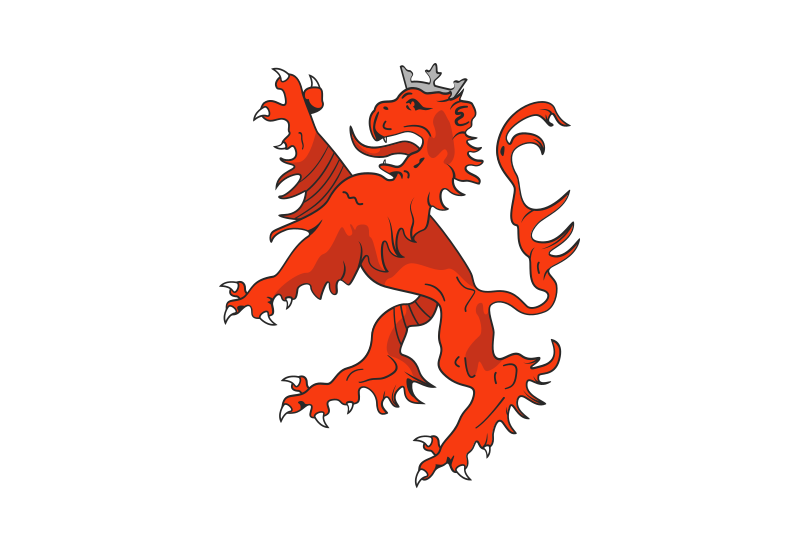
After the Seljuk conquest of the Armenian heartland, Armenians who had fled to the Mediterranean coast founded the Armenian Kingdom of Cilicia (1198–1375), flying the red lion banner of the ruling Rubenid dynasty. A close ally of the Crusader states, it was the last independent Armenian kingdom for six centuries — until the 1918 republic — and a cherished symbol of Armenian statehood.
Empires, kingdoms and republics that once covered part of Armenia.
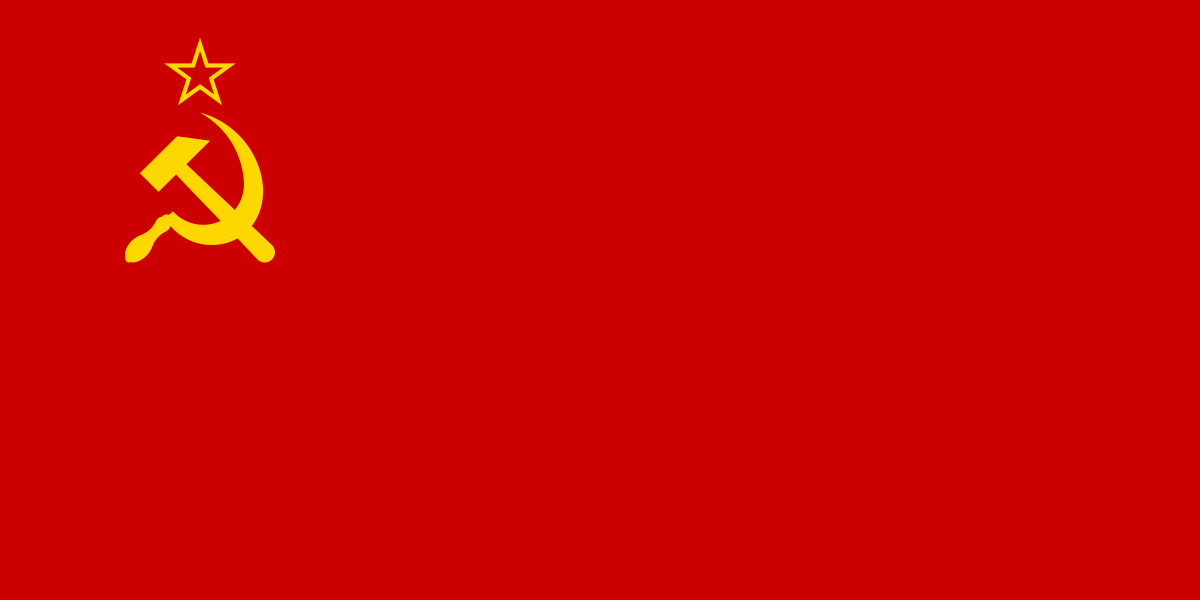
The gold hammer and sickle beneath a red star stood for the worker-peasant alliance. The exact shade and proportions were fixed by Soviet law in 1955.
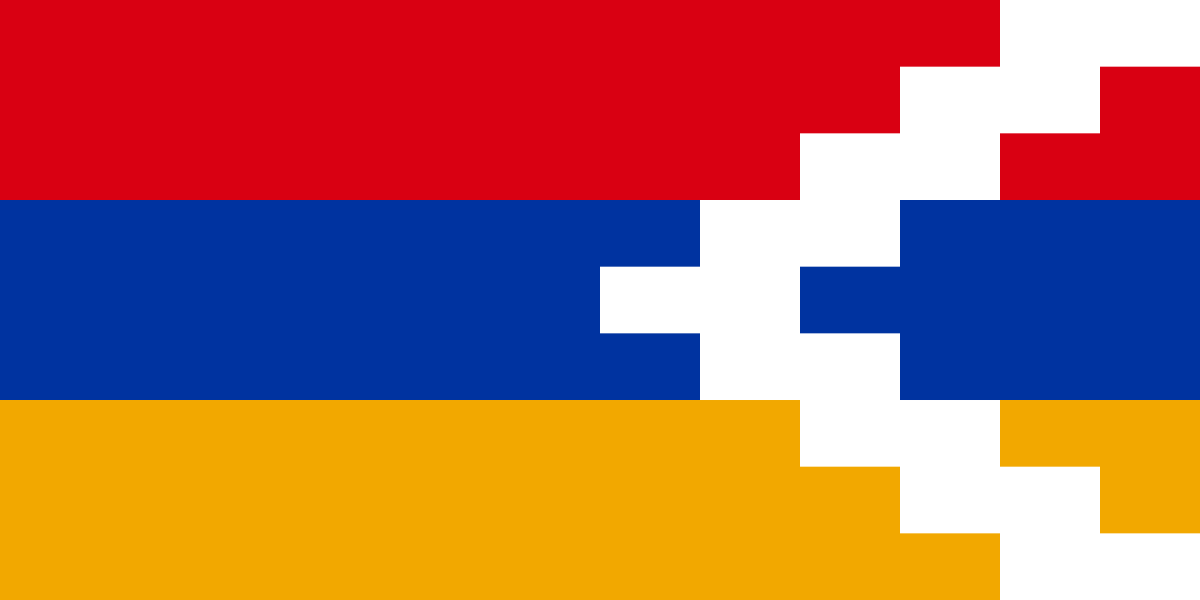
The Armenian red-blue-orange tricolor interrupted by a white stepped chevron, flown by the breakaway Nagorno-Karabakh republic until its dissolution in 2023.
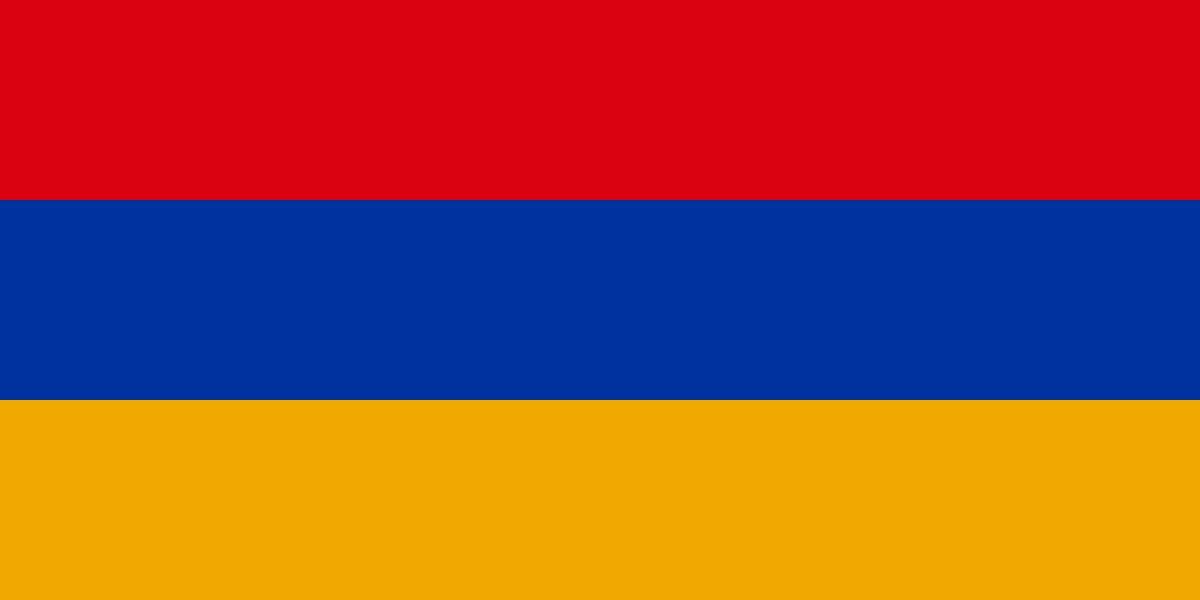
The brief independent republic born from the collapse of the Russian and Ottoman empires; its red-blue-orange tricolor was readopted when Armenia regained independence in 1991.
A red flag with a horizontal blue stripe and the hammer, sickle and star, flown over Soviet Armenia until the national tricolor was restored in 1990.
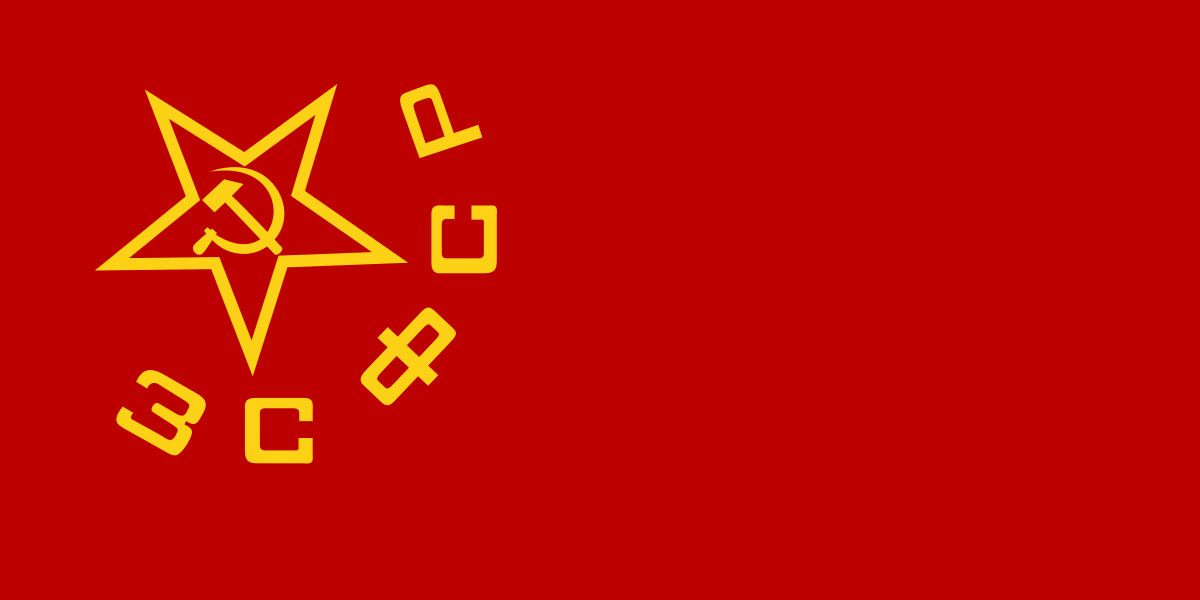
For 14 years Georgia, Armenia, and Azerbaijan were fused into a single Soviet republic — one of the four founding members of the USSR — before Stalin split them apart.
Armenia shares a land border with 4 countries: Azerbaijan, Georgia, Iran and Turkey.
Play Globalio and learn Armenia's flag Azerbaijan
 Georgia
 Iran
 Turkey