 Bangladesh

1981–present
Flag of Palau
Adopted in 1981 when Palau became self-governing: a golden-yellow full moon slightly off-center on a sky-blue field, the moon symbolizing peace and national unity.
Palau is an archipelago of more than 500 islands in the western Pacific, home to some of the world's most pristine marine ecosystems. Jellyfish Lake, where millions of jellyfish evolved without stingers due to the absence of predators, is one of Palau's most famous attractions. Palau gained independence from US administration in 1994 and has established some of the Pacific's strictest marine protection zones.
Population and area are rounded.
The yellow disc represents the full moon, which Palauans regard as the best time for fishing, planting, harvesting and celebrations. The light blue stands for the Pacific Ocean and the end of foreign rule. The flag was adopted in 1981.
Palau is an archipelago of about 340 islands in the western Pacific. It was part of the US-administered Trust Territory of the Pacific Islands, adopted its flag on 1 January 1981, and became independent in 1994 in free association with the United States. Palau's flag is often compared with Bangladesh's and Japan's, which also show a disc, but its blue field and yellow moon are unique.
Light blue with a yellow circle offset slightly to the left of centre.
Palau is home to Jellyfish Lake, where millions of non-stinging jellyfish migrate daily.
Palau's flag is often mixed up with these. Learn to tell them apart:
Every flag that has flown over Palau, from today back through time.
Adopted in 1981 when Palau became self-governing: a golden-yellow full moon slightly off-center on a sky-blue field, the moon symbolizing peace and national unity.
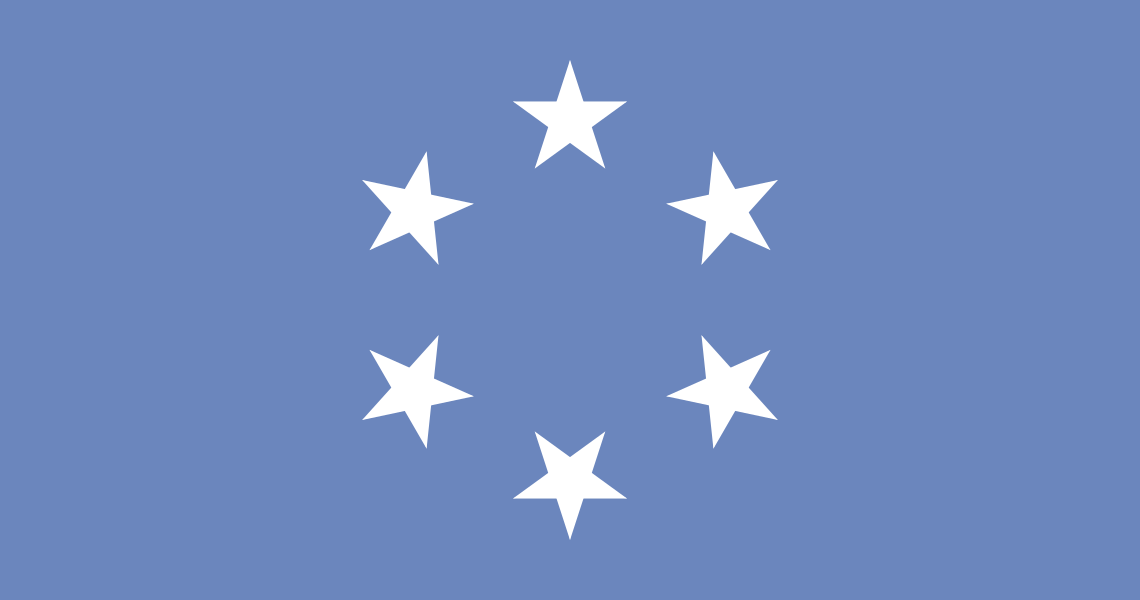
The six-star light-blue flag of the US-administered Trust Territory, which flew over Palau before it adopted its own moon flag.

Koror in Palau was the capital of Japan's entire South Seas Mandate, the administrative heart of Japanese Micronesia from 1914 to 1944, flying the Japanese flag. Japanese settlers came to outnumber Palauans, and the islands saw one of the Pacific War's bloodiest battles at Peleliu before passing to US trusteeship.
Empires, kingdoms and republics that once covered part of Palau.
A US-administered UN trust territory across Micronesia after the Second World War, which split into the modern Federated States of Micronesia, Marshall Islands, Palau and the Northern Marianas.
The 16 states, provinces and regions of Palau with their own flags.
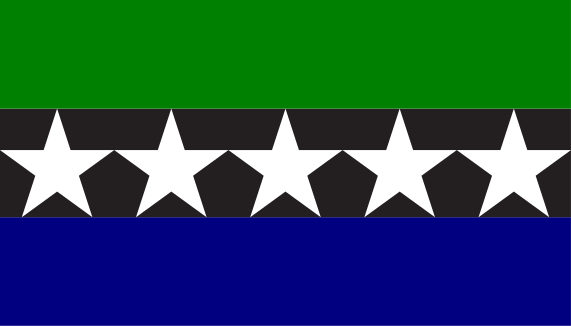 Aimeliik
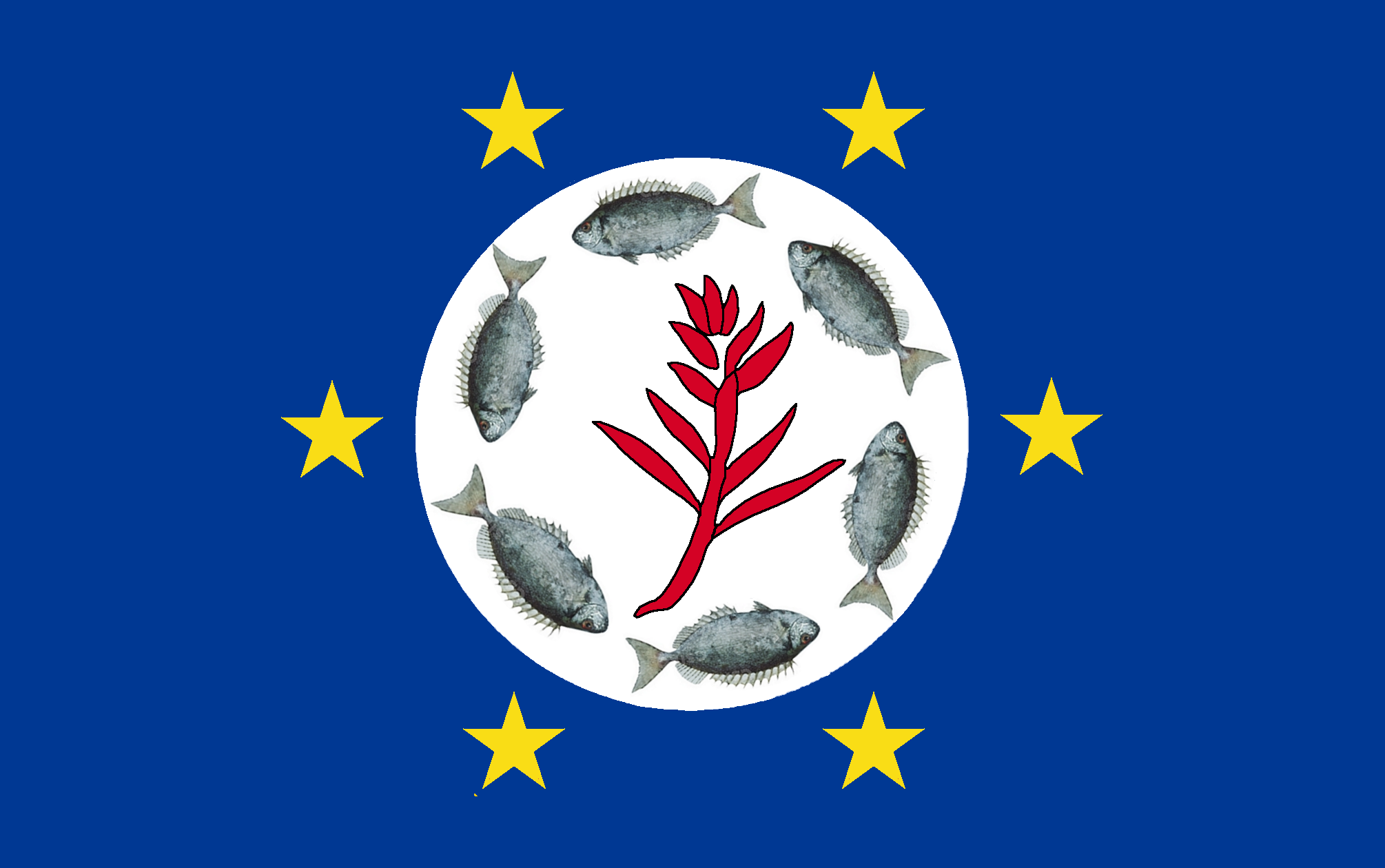 Airai
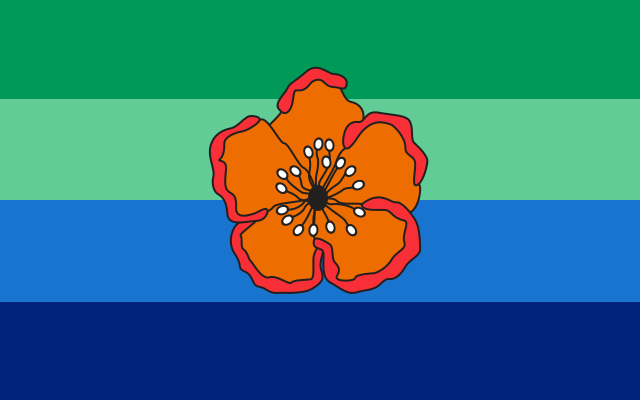 Angaur
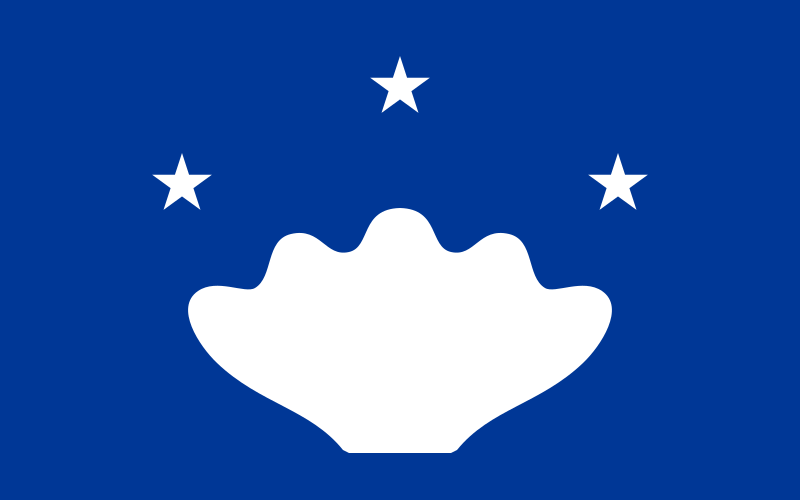 Hatohobei
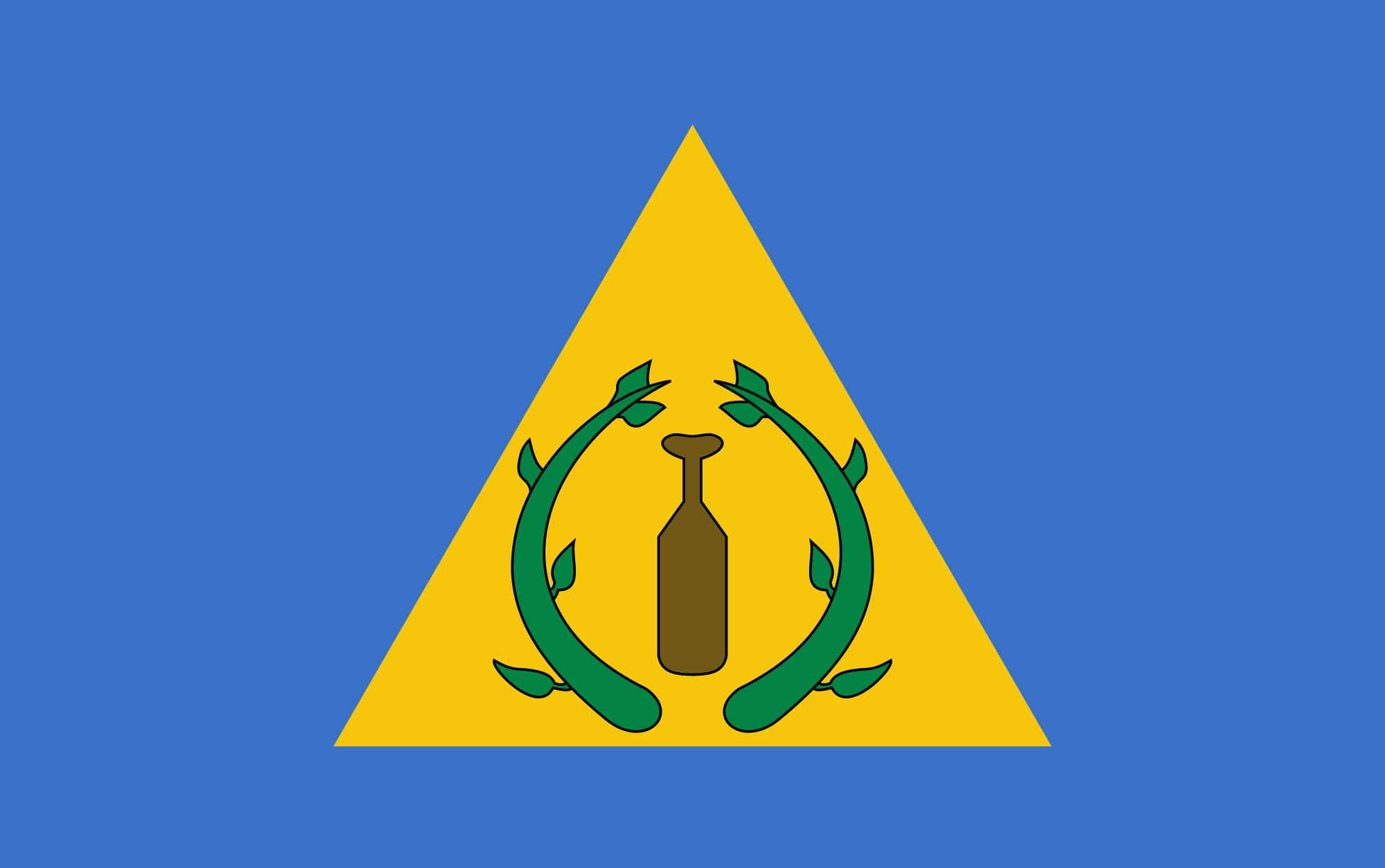 Kayangel
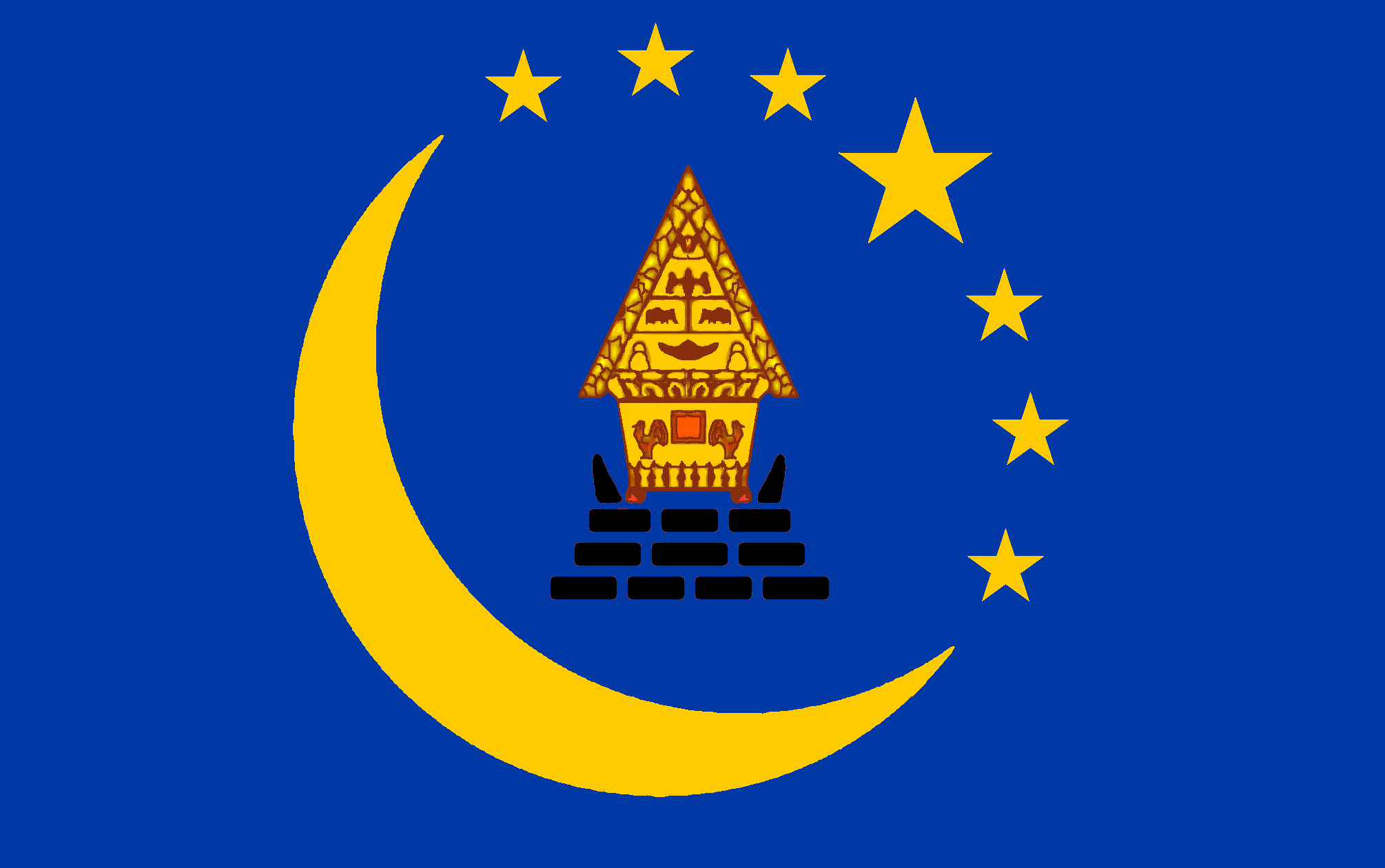 Koror
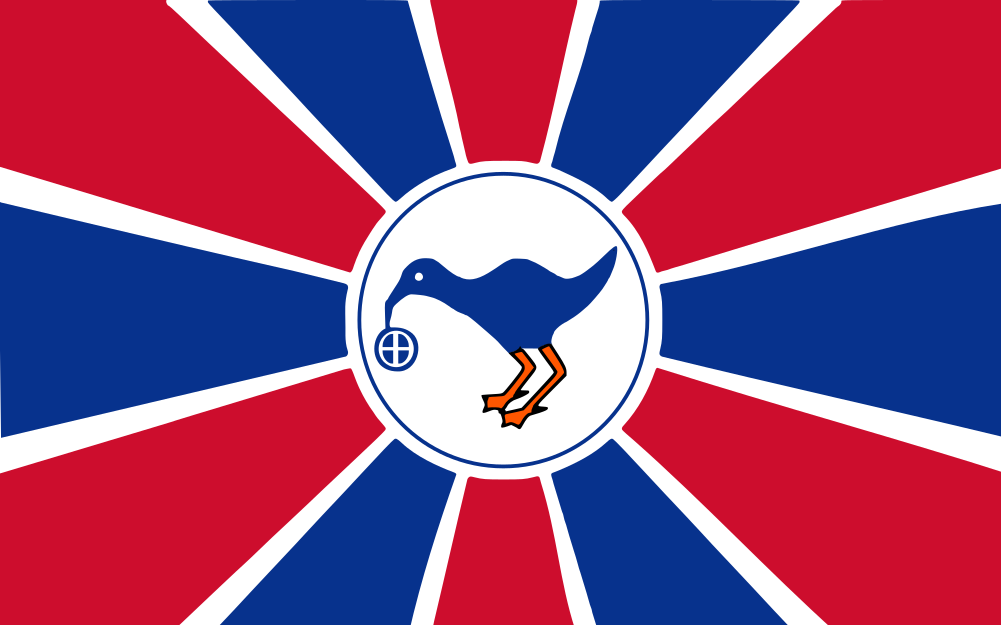 Melekeok
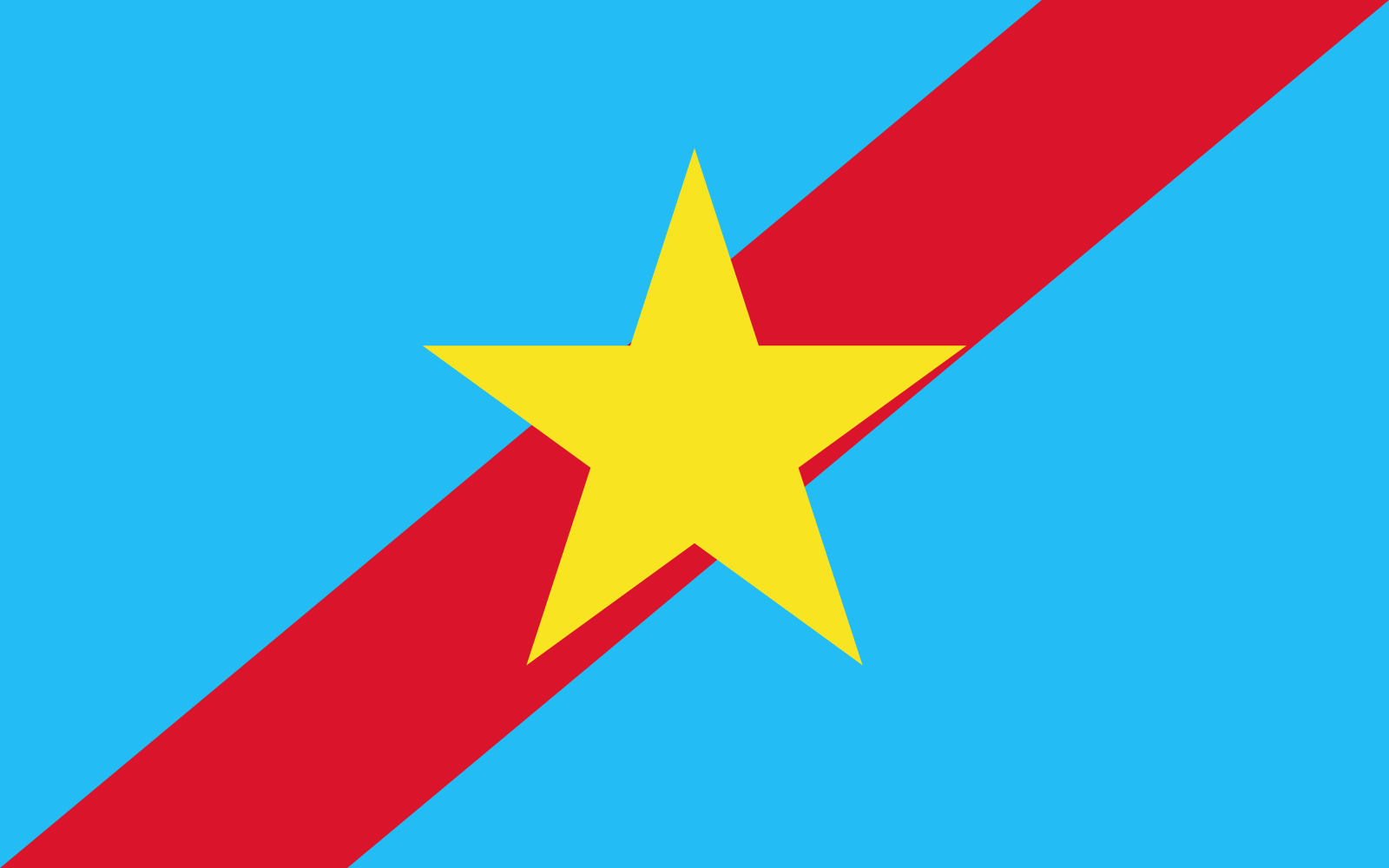 Ngaraard
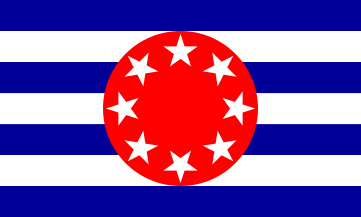 Ngarchelong
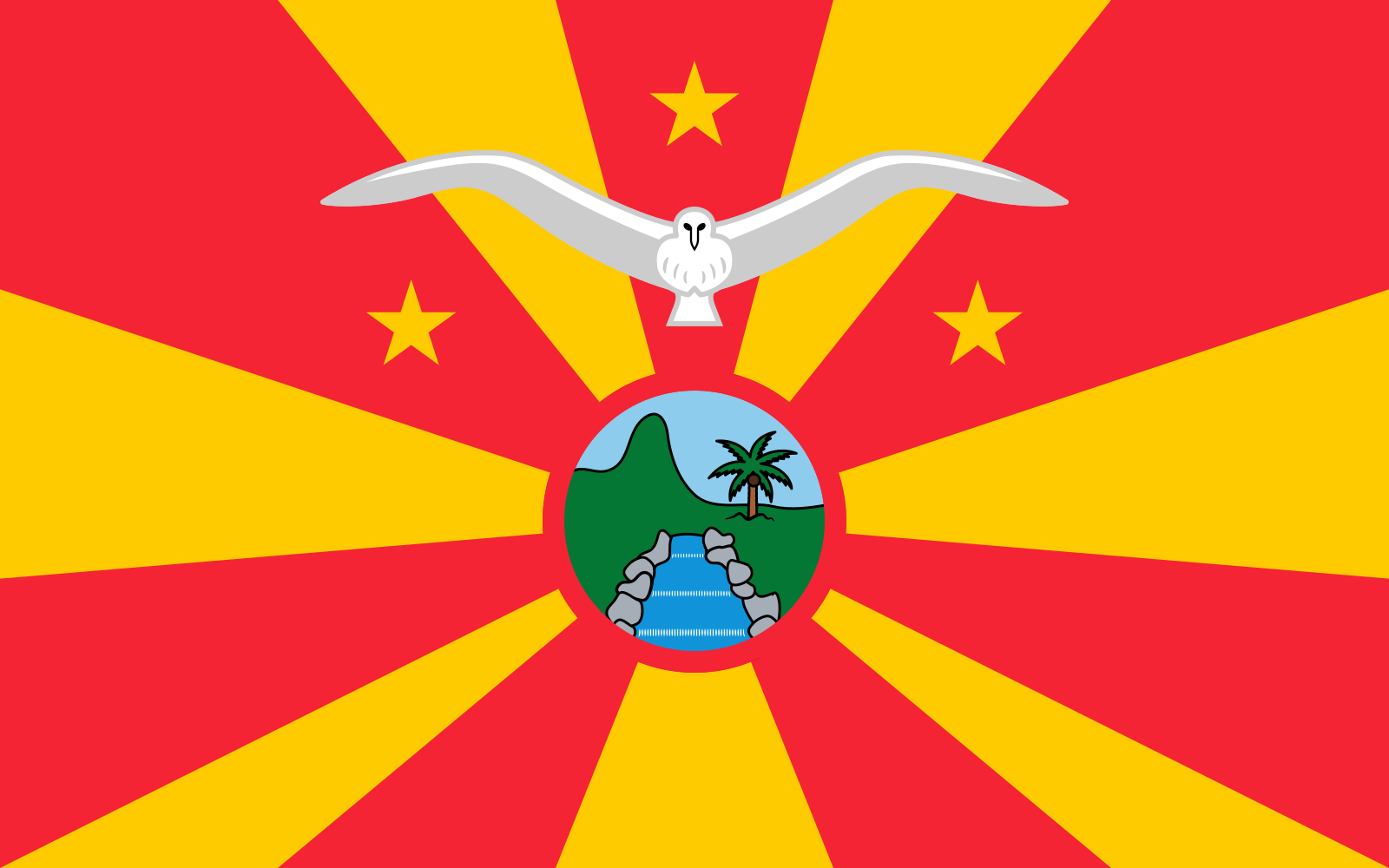 Ngardmau
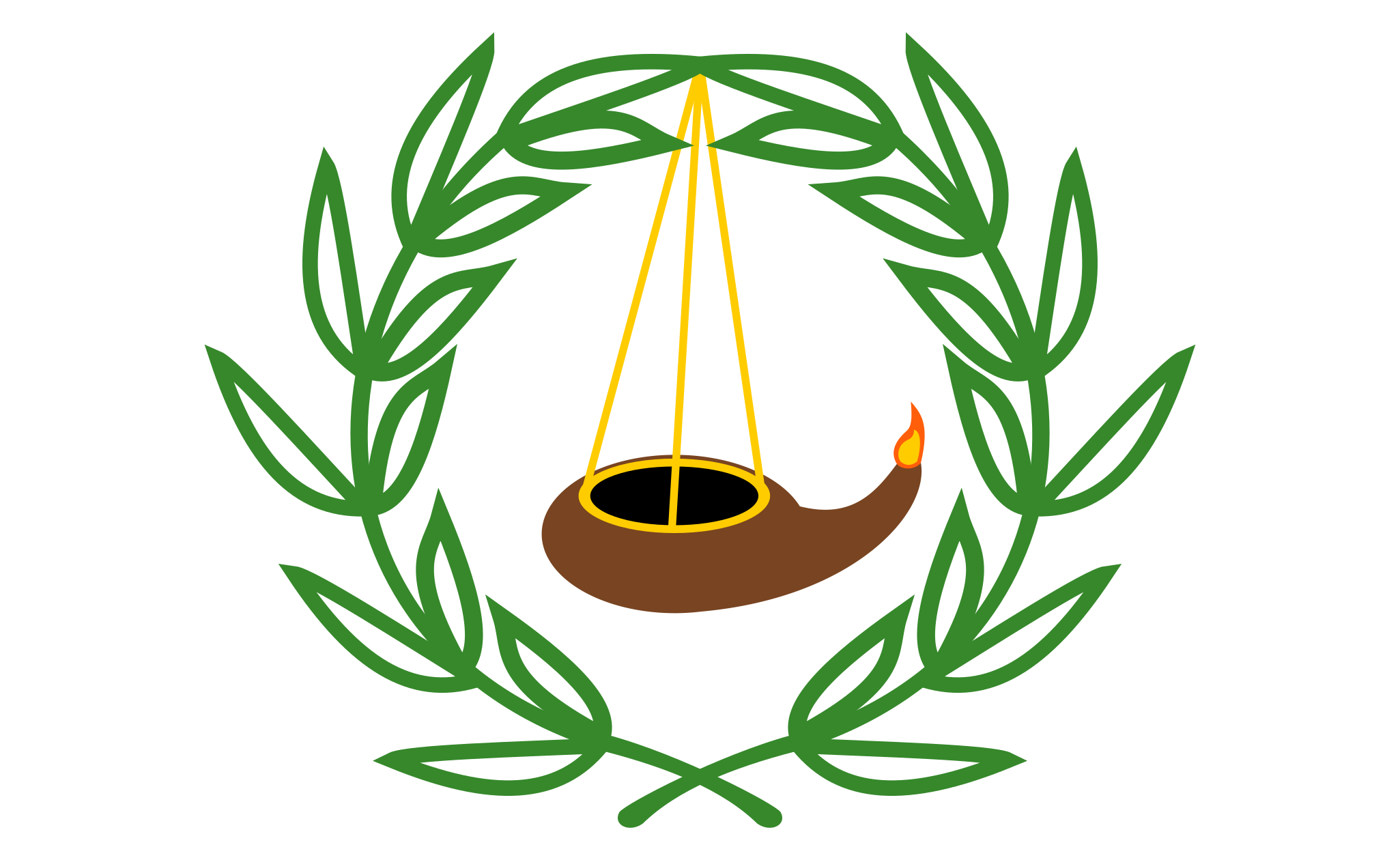 Ngatpang
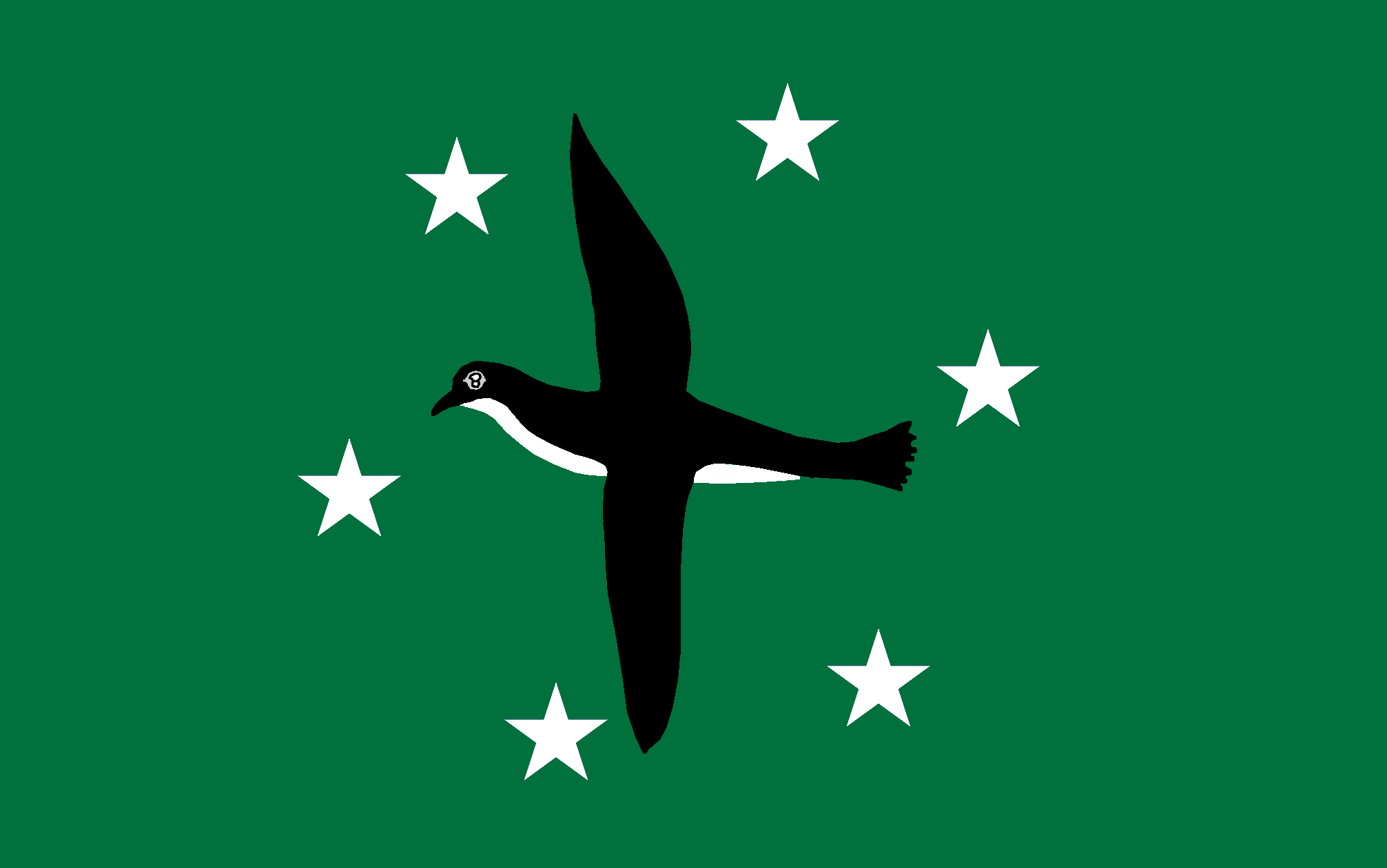 Ngchesar
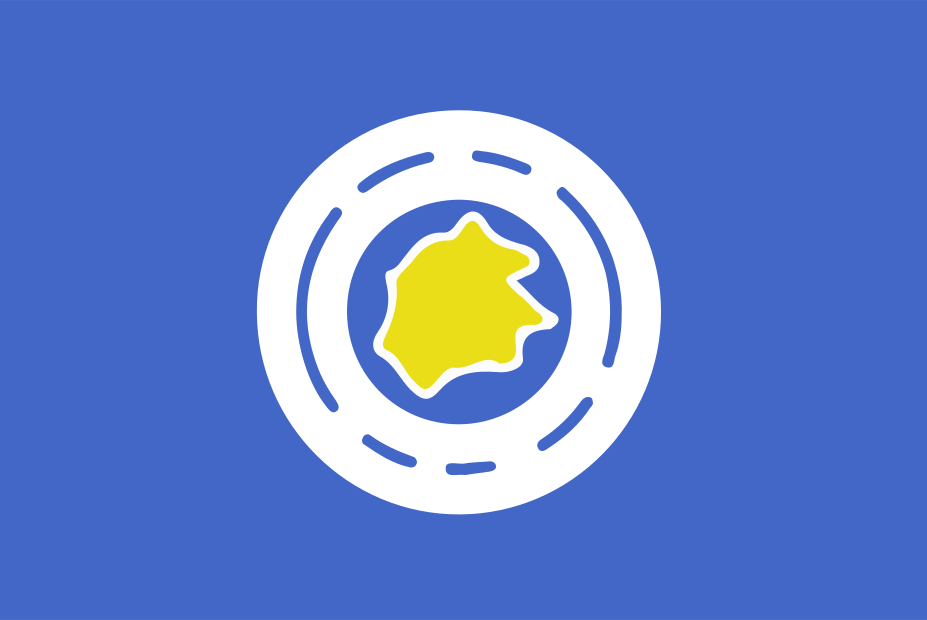 Ngeremlengui
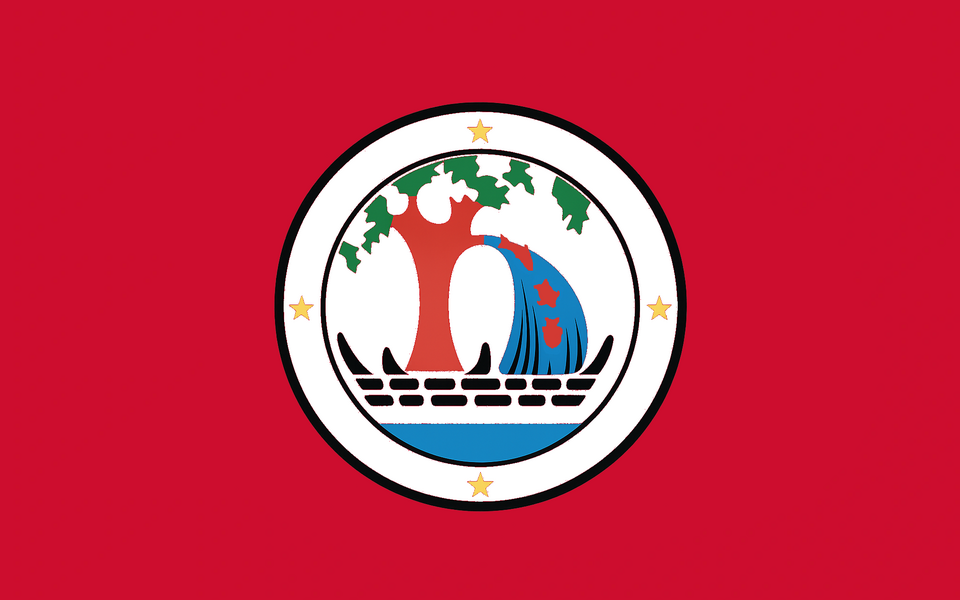 Ngiwal
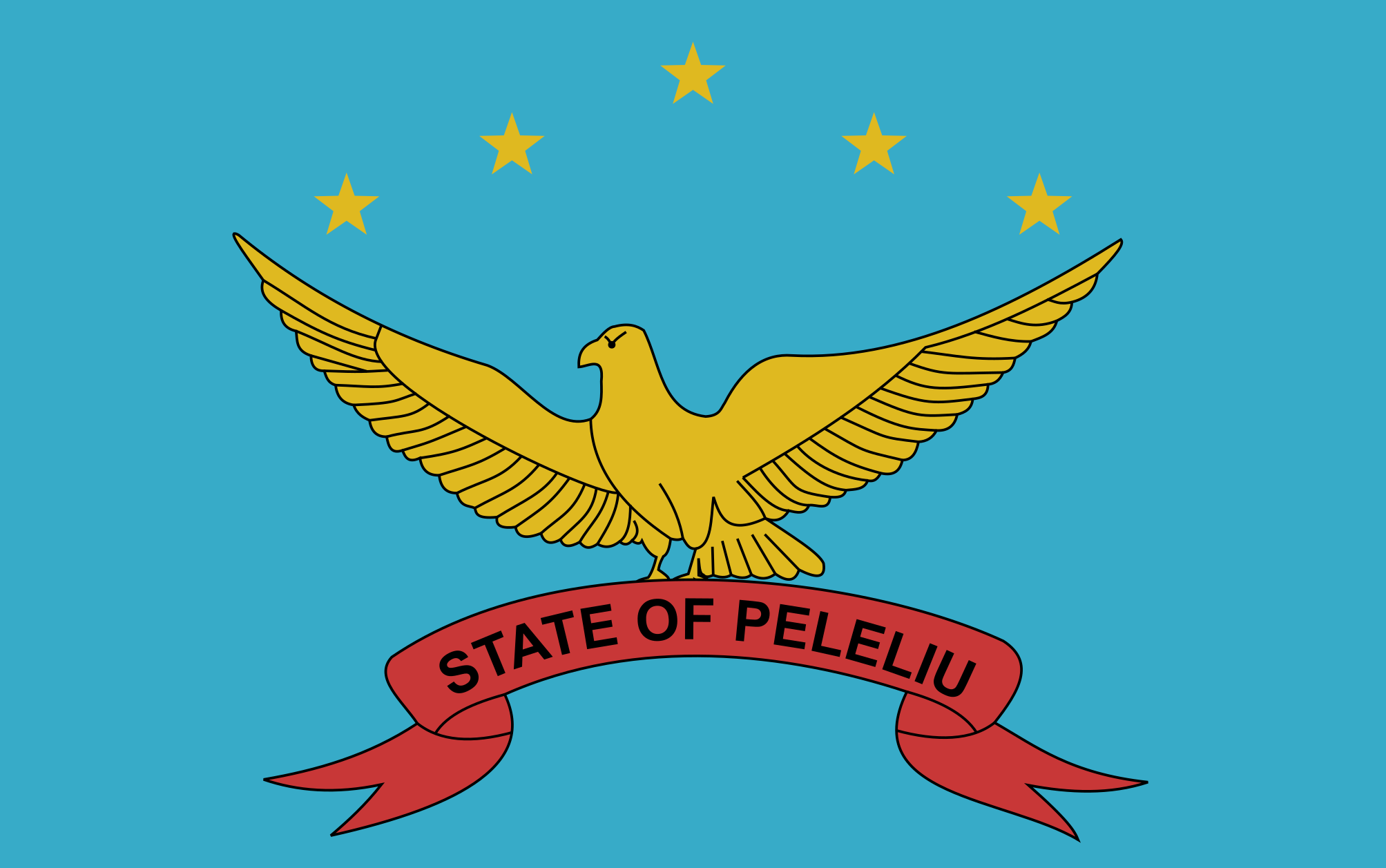 Peleliu
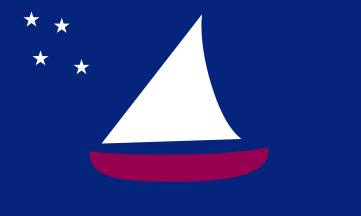 Sonsorol
3 other national flags use the same main colours as Palau's.
Play Globalio and learn Palau's flag Kazakhstan
 Sweden
 Ukraine