Oceania
Flag of Papua New Guinea
Papua New Guinea occupies the eastern half of the island of New Guinea and is one of the world's most linguistically diverse countries, with over 800 languages spoken by a population of around 9 million — more languages than any other country on Earth. The country has extraordinary biodiversity with large areas of intact tropical rainforest and species found nowhere else. Papua New Guinea achieved independence from Australian administration in 1975.

- CapitalPort Moresby
- RegionOceania
- Current flag since1971
- Main coloursRed, Black, Yellow, White
- Populationabout 10 million
- Areaabout 463,000 km²
- Flags in history3
Population and area are rounded.
What the flag of Papua New Guinea means
Red and black are traditional colours in the art of many Papua New Guinean peoples. The bird of paradise represents the country's emergence into nationhood, and the Southern Cross its place in the South Pacific. The flag was designed by Susan Karike, a 15-year-old schoolgirl, in 1971.
How to recognise it
Diagonal red-over-black with a yellow bird of paradise on the red and a white Southern Cross on the black.
Did you know?
Papua New Guinea has the most languages of any country — over 800 distinct languages.
Easily confused with
Papua New Guinea's flag is often mixed up with these. Learn to tell them apart:
Flag history of Papua New Guinea
Every flag that has flown over Papua New Guinea, from today back through time.
1971–present
Flag of Papua New Guinea
Designed by 15-year-old schoolgirl Susan Karike and adopted in 1971, it shows a yellow Raggiana bird of paradise and the white stars of the Southern Cross on a diagonally split red-and-black field. It has never changed.
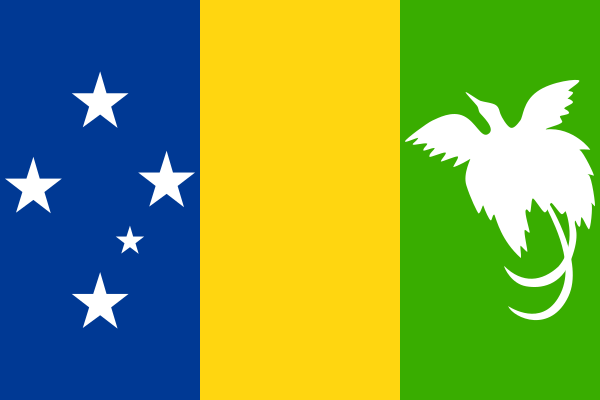
1970–1971
Territory tricolour
A blue-white-green vertical design with stars and a bird of paradise, used briefly for the Territory of Papua and New Guinea before being rejected as too "colonial".
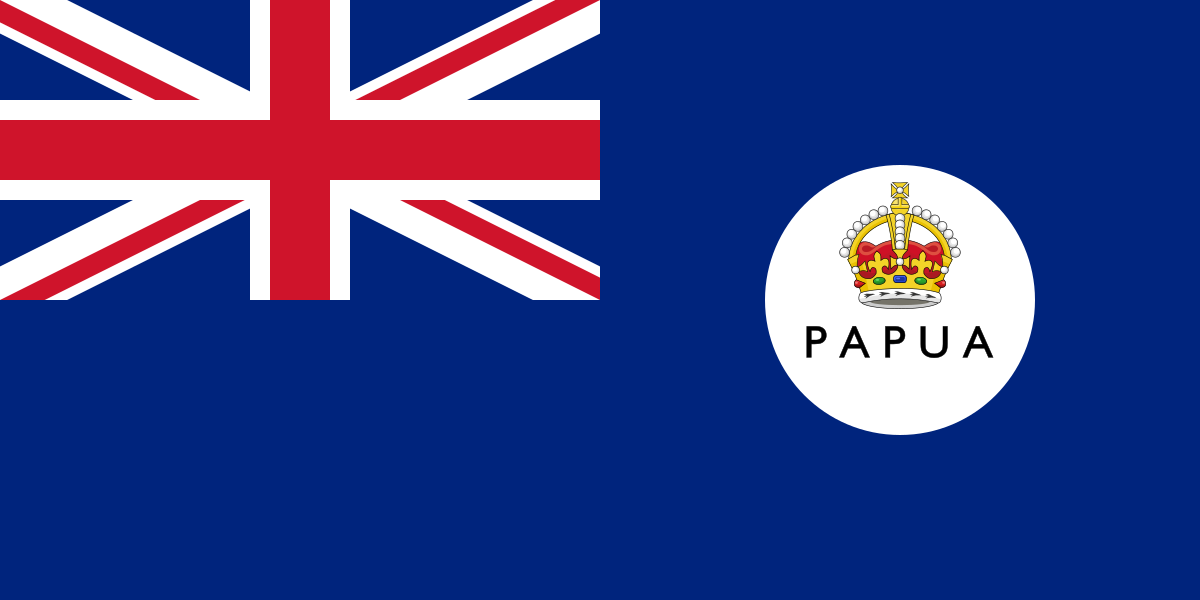
1906–1949
Australian Territory of Papua
Australia took over the southern half — the Territory of Papua — in 1906, flying a British blue ensign defaced with a bird-of-paradise badge, while the German-then-Australian north was administered separately. The two halves were merged into a single Territory of Papua and New Guinea in 1949 (thereafter under the Australian flag) on the road to the unified independence of 1975.
Related historical states
Empires, kingdoms and republics that once covered part of Papua New Guinea.
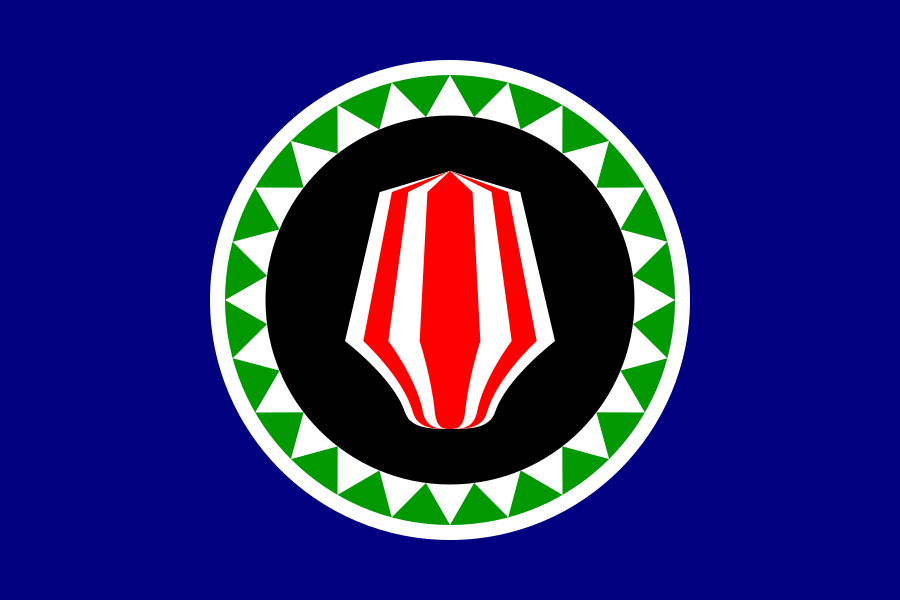
1975
Republic of the North Solomons
Bougainville's secessionists raised this blue flag with an 'upe' headdress and kapkap disc in 1975, days before Papua New Guinea's independence — the start of a long struggle.
Regional flags of Papua New Guinea
The 22 states, provinces and regions of Papua New Guinea with their own flags.
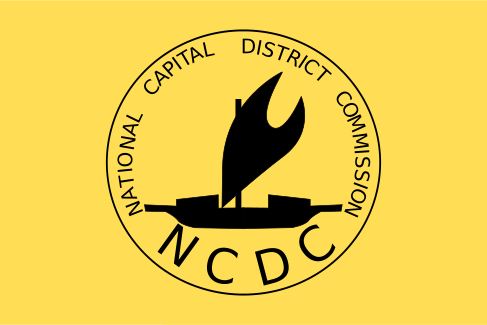
National Capital District
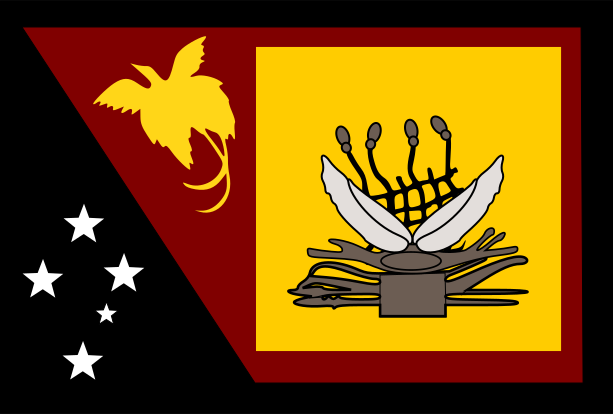
Western
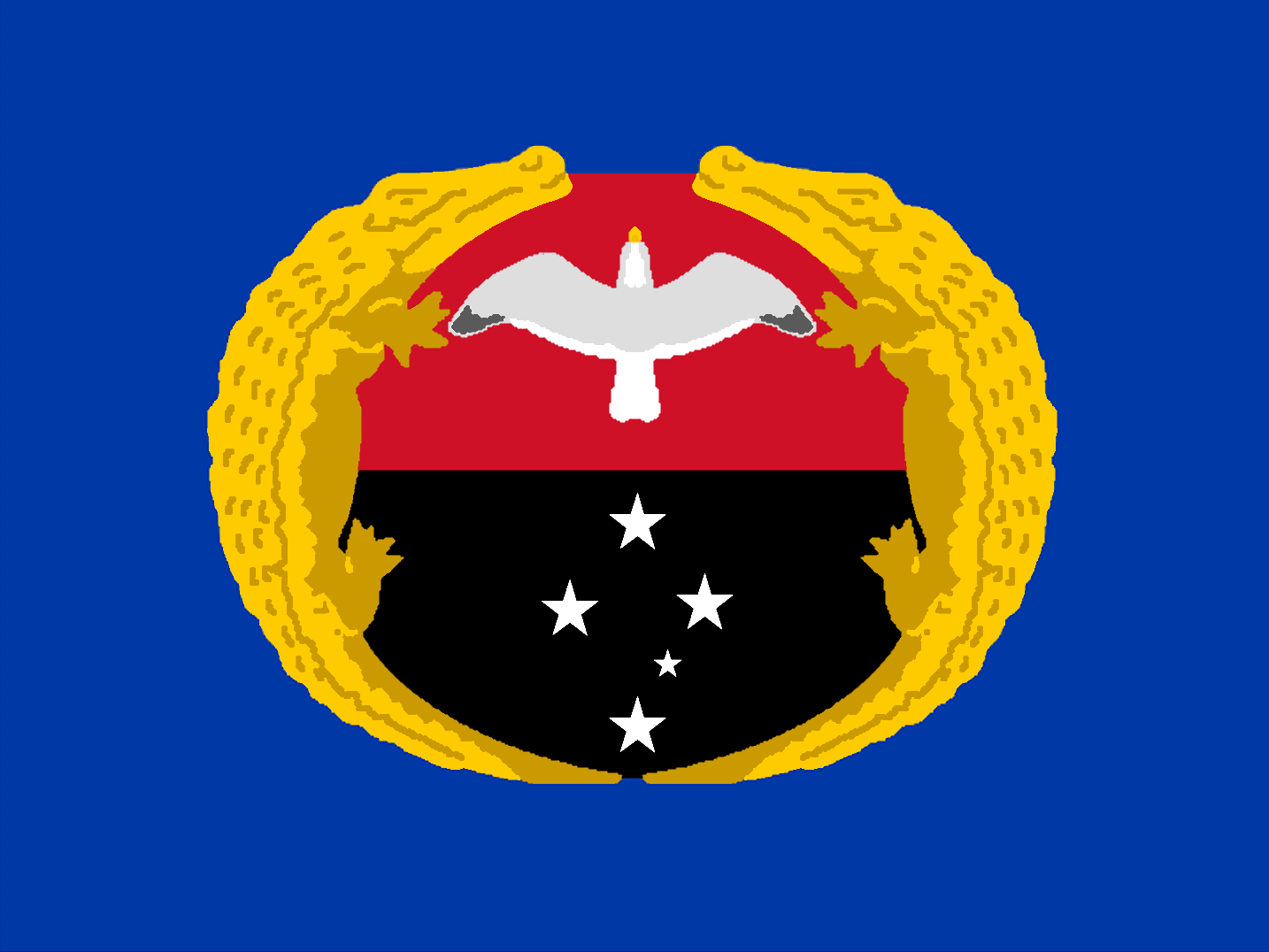
Gulf
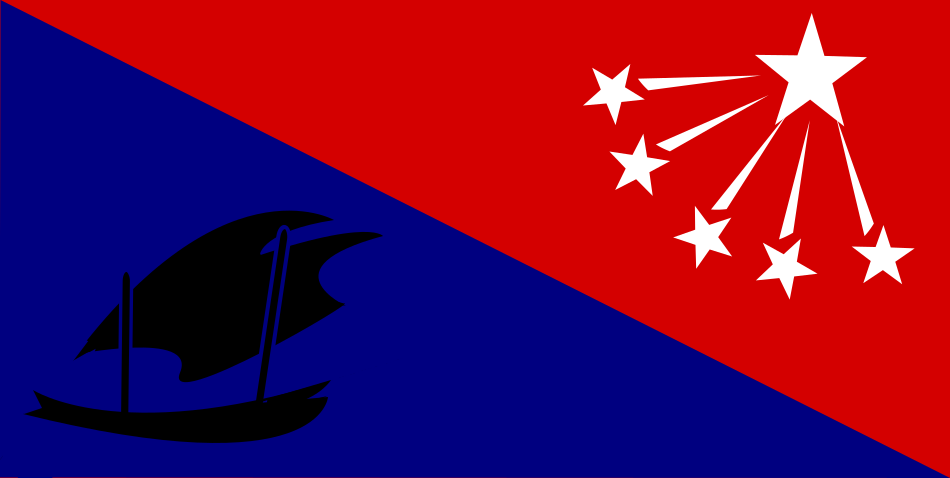
Central
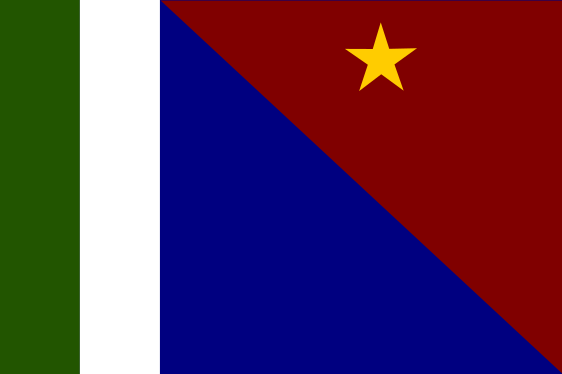
Milne Bay
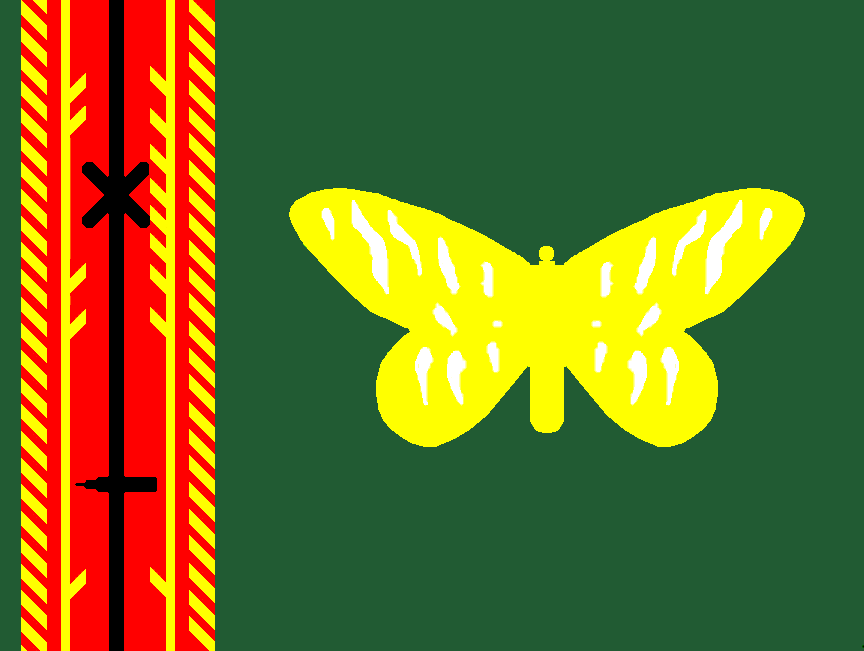
Northern (Oro)
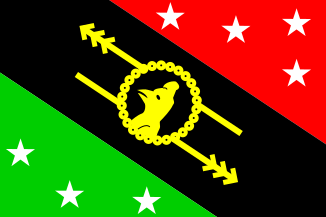
Southern Highlands
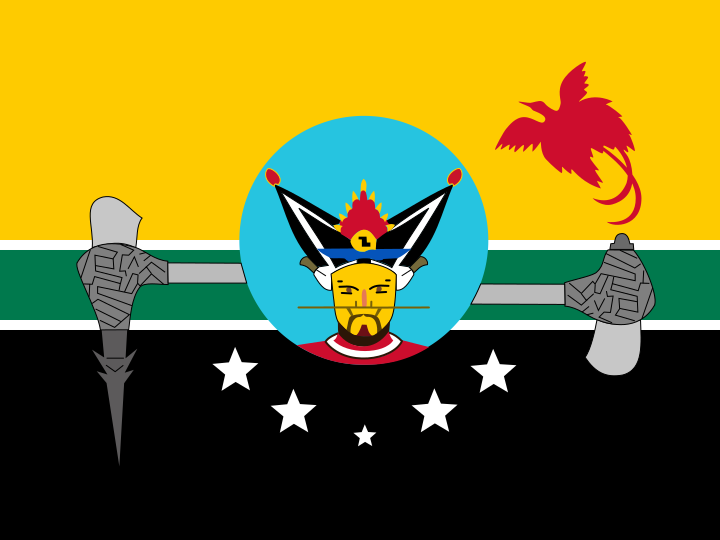
Hela
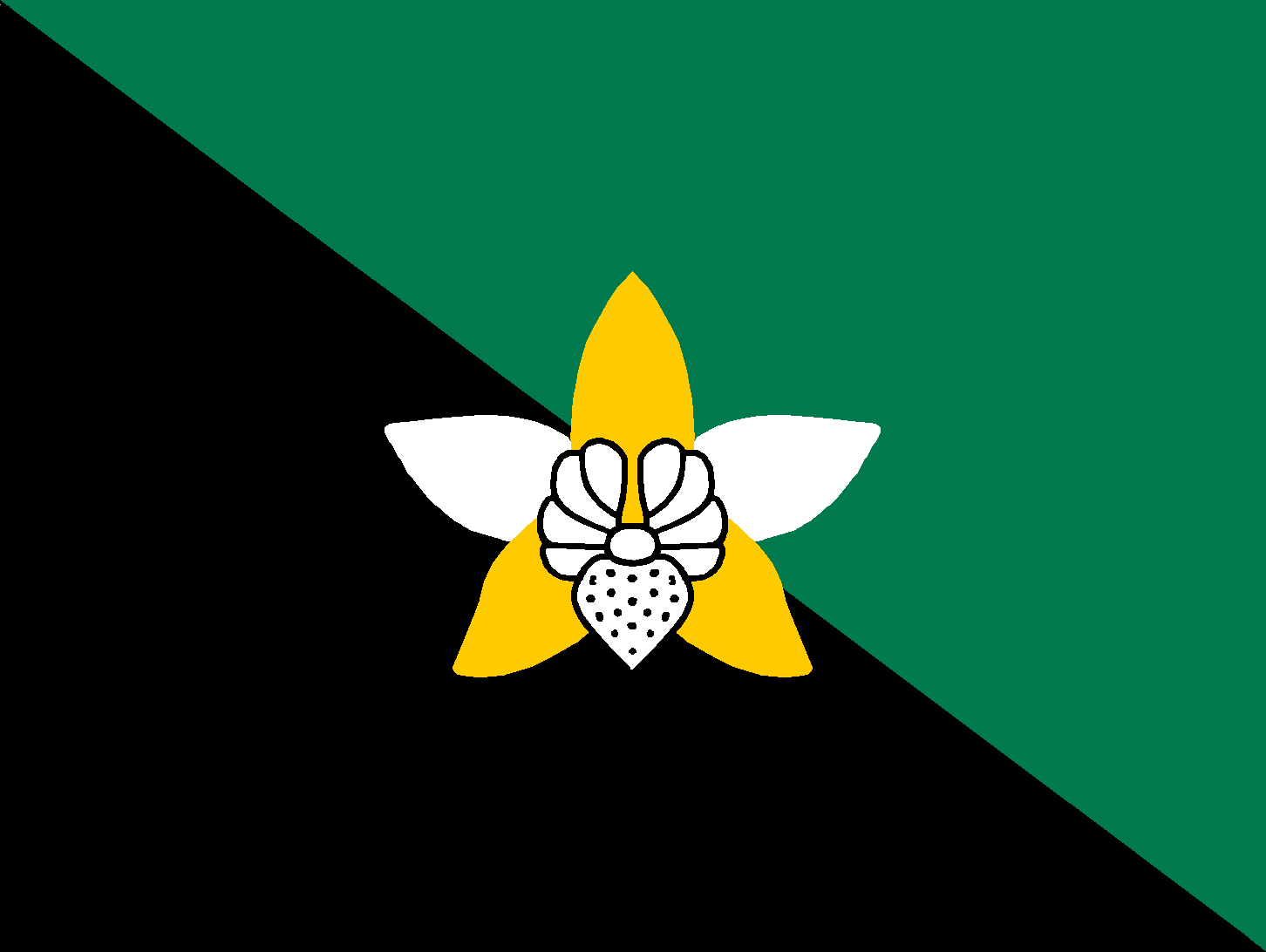
Enga
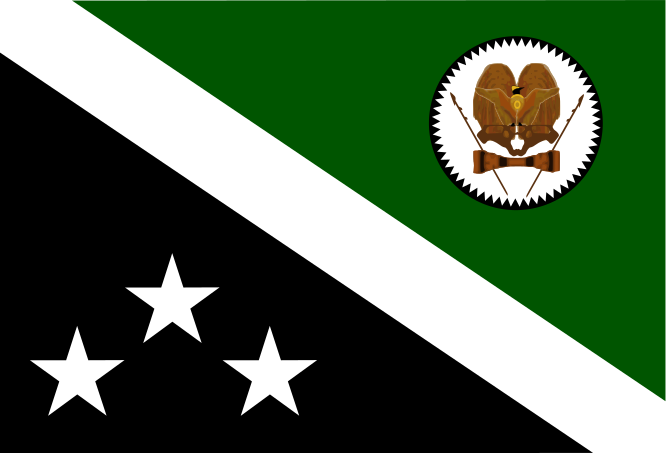
Western Highlands
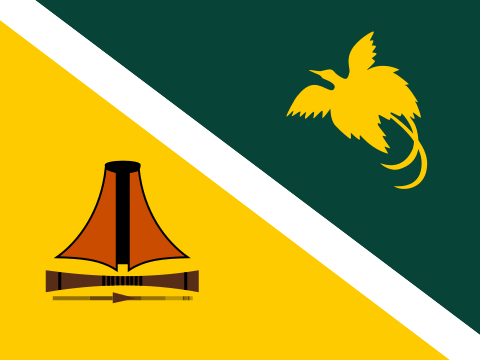
Jiwaka
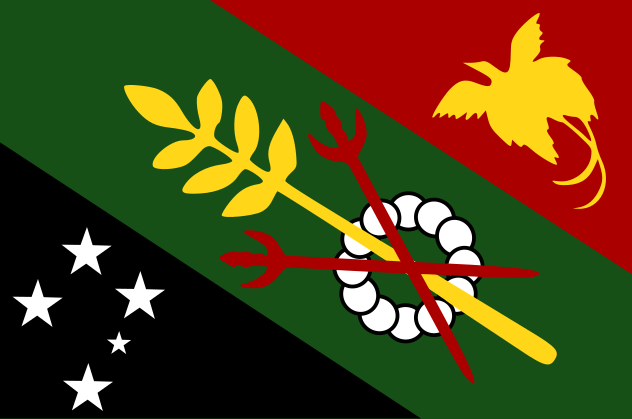
Chimbu
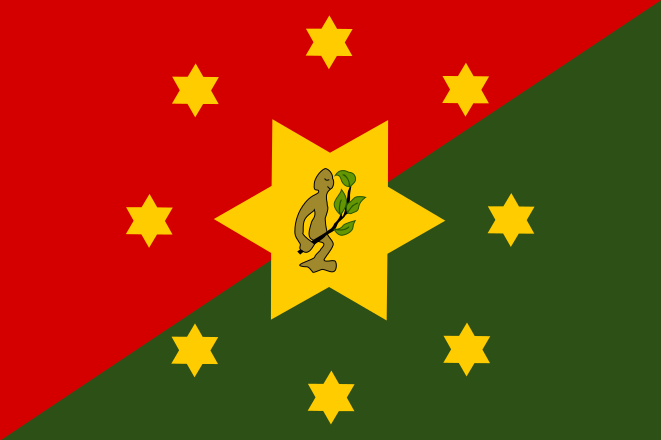
Eastern Highlands
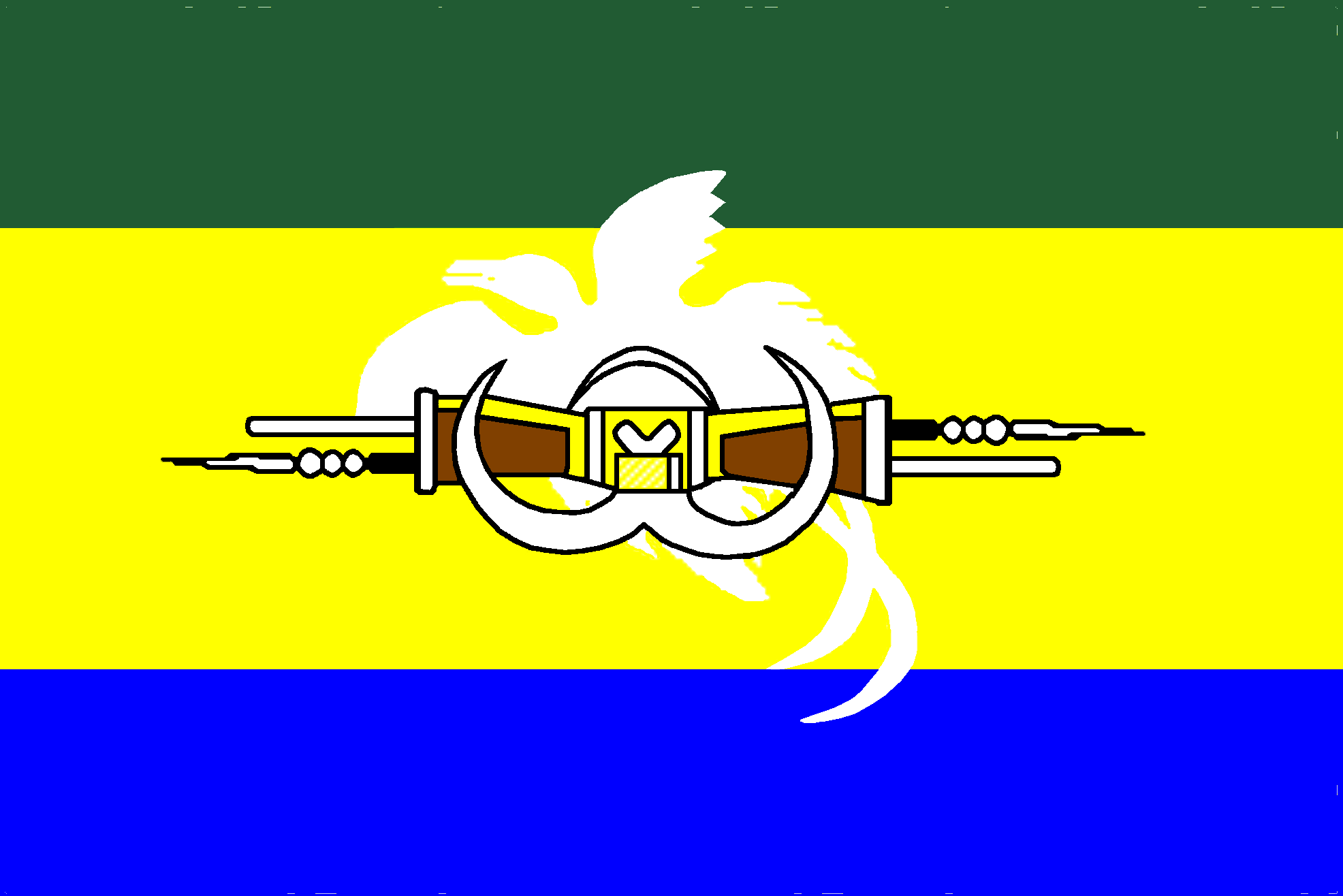
Morobe
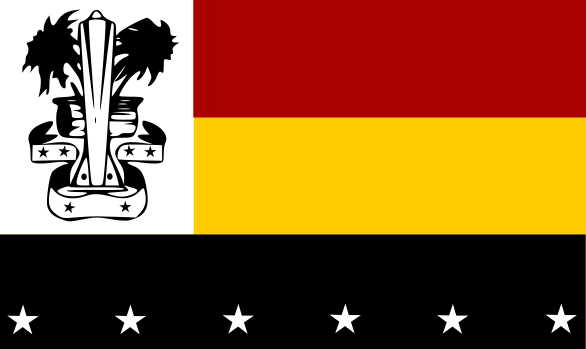
Madang
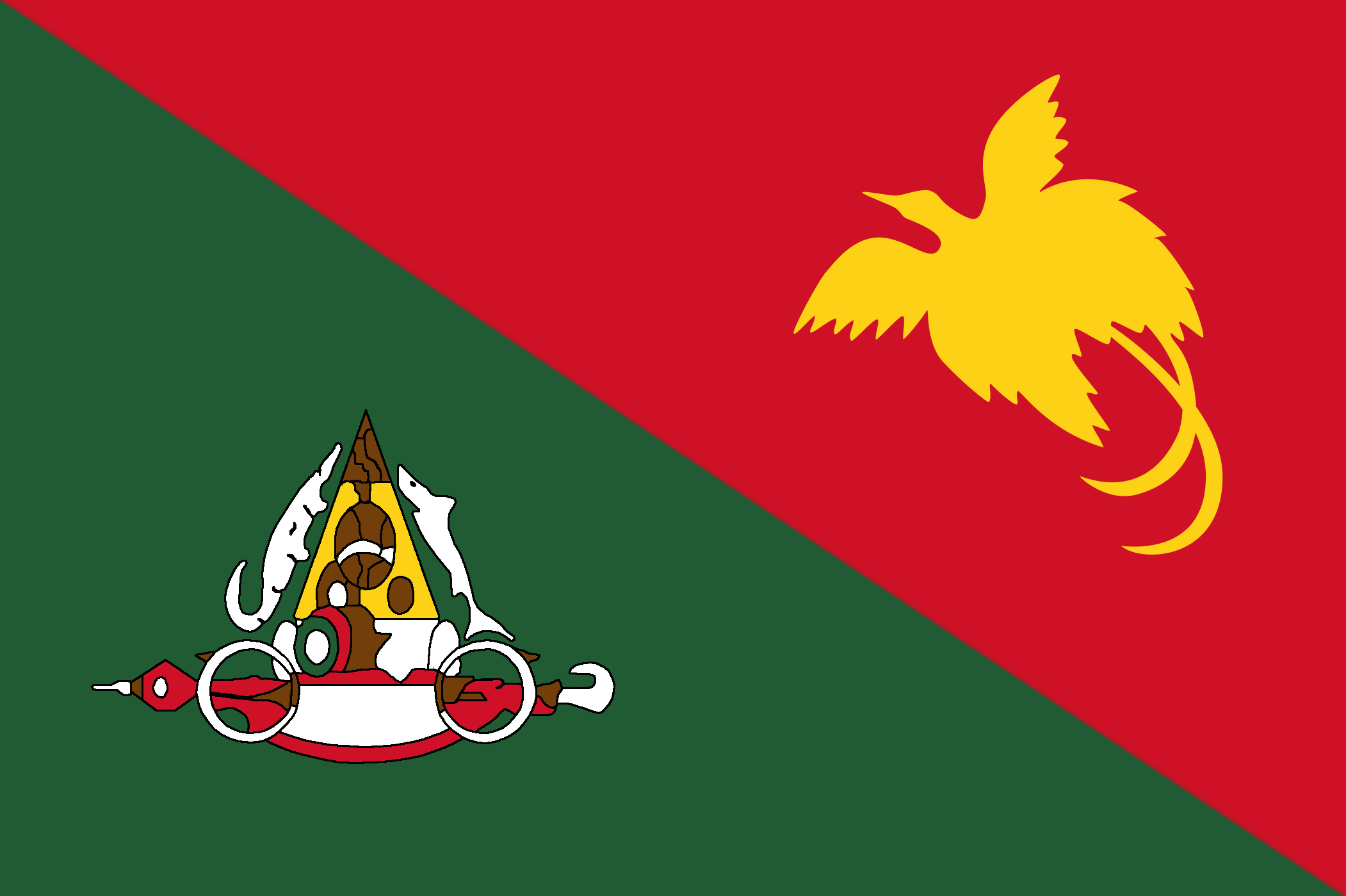
East Sepik
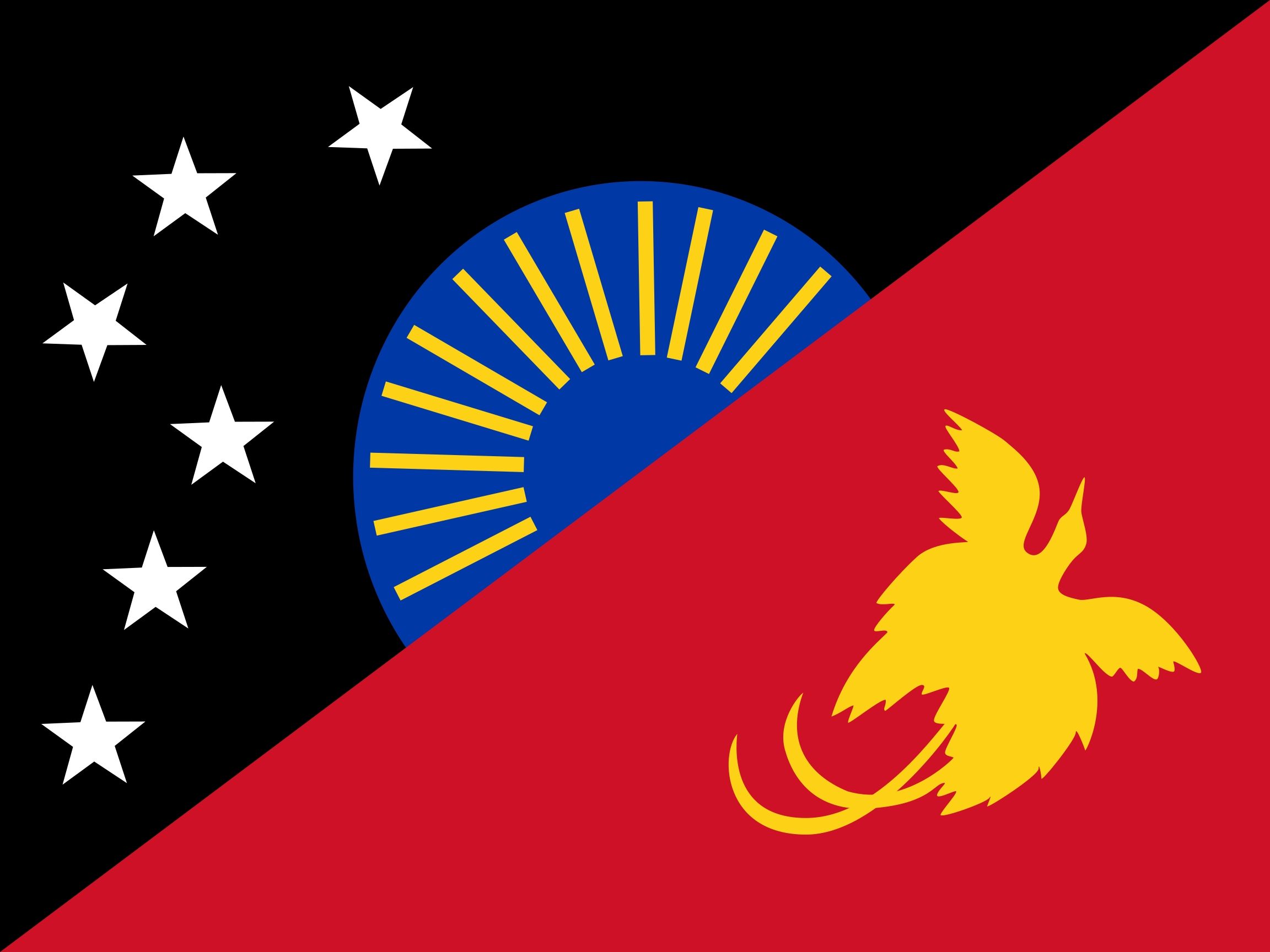
West Sepik
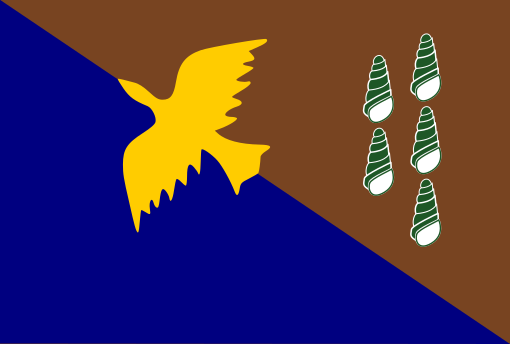
Manus
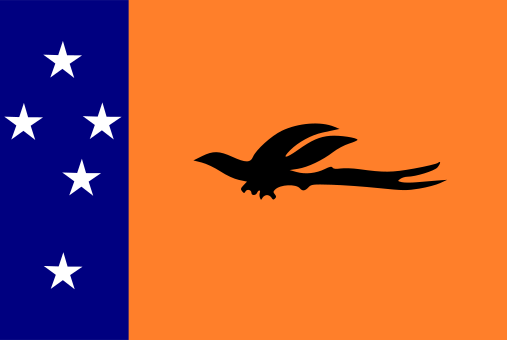
New Ireland
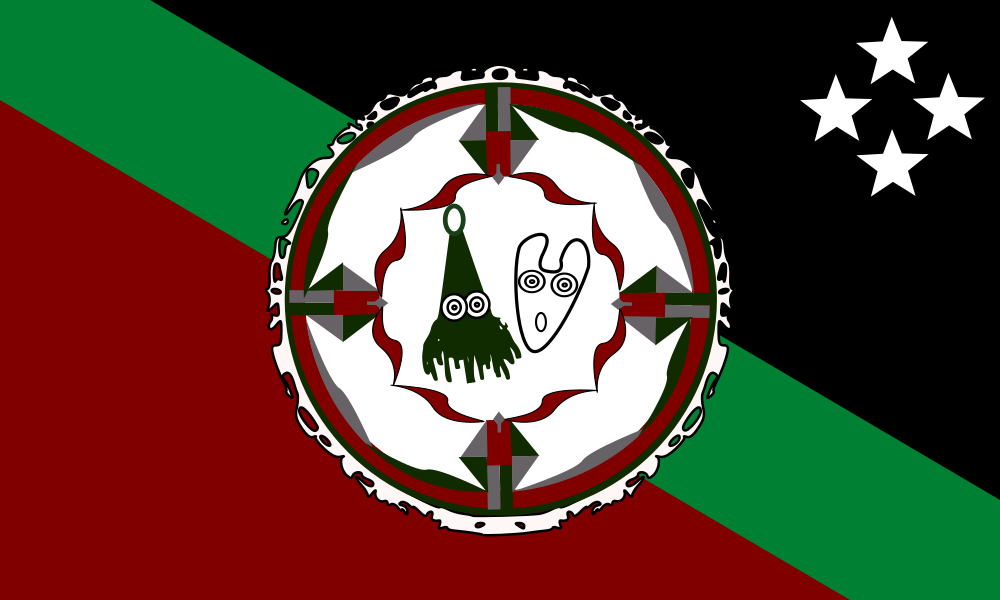
East New Britain
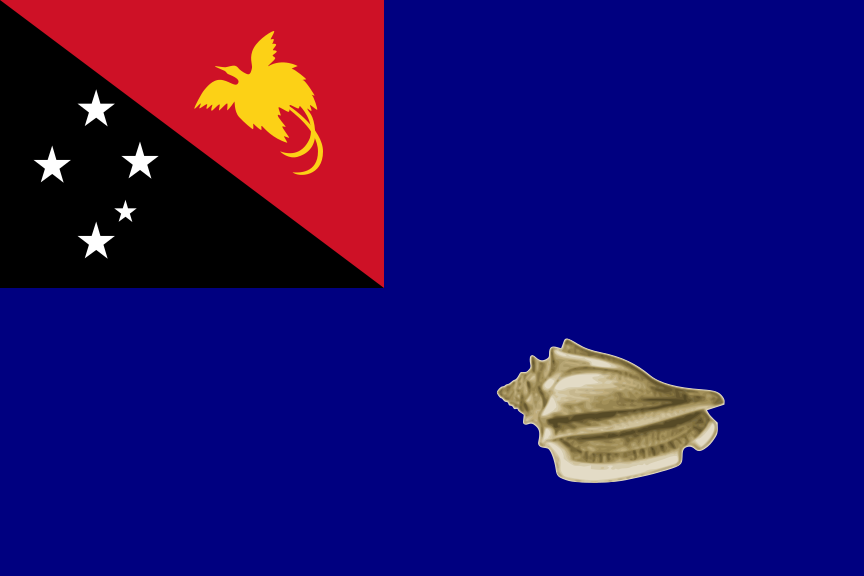
West New Britain
Bougainville
Neighbouring countries
Papua New Guinea shares a land border with one country: Indonesia.
Other flags in red, black, yellow and white
4 other national flags use the same main colours as Papua New Guinea's.
Play Globalio and learn Papua New Guinea's flag
 Tanzania
 Indonesia
 Brunei
 Egypt
 Timor-Leste
 Uganda