Europe
Flag of Greece
Greece is widely regarded as the cradle of Western civilisation, birthplace of democracy, Western philosophy, the Olympic Games, and significant foundations of modern literature and science. The country consists of a mountainous mainland peninsula and more than 6,000 islands, of which about 230 are permanently inhabited. Athens, one of the world's oldest cities, has been continuously inhabited for at least 7,000 years and is home to the ancient Acropolis.

- CapitalAthens
- RegionEurope
- Current flag since1978
- Main coloursBlue, White
- Populationabout 10 million
- Areaabout 132,000 km²
- Flags in history4
Population and area are rounded.
What the flag of Greece means
The nine stripes are traditionally said to match the nine syllables of the independence-war motto “Eleftheria i Thanatos”, Freedom or Death. The white cross in the canton stands for Greek Orthodox Christianity, and the blue and white are popularly linked to the sea and the sky. Used at sea since 1822, the striped design became the sole national flag in 1978, replacing a plain white cross on blue that had been used on land.
How to recognise it
Nine alternating blue-white horizontal stripes with a blue canton holding a white cross.
Did you know?
Greece has been continuously inhabited for over 7,000 years and invented democracy.
Flag history of Greece
Every flag that has flown over Greece, from today back through time.
1978–present
Nine-stripe flag
Adopted as the sole national flag in 1978, with nine alternating blue and white stripes and a white cross in the canton. Tradition links the nine stripes to the syllables of "Eleftheria i Thanatos" — "Freedom or Death".
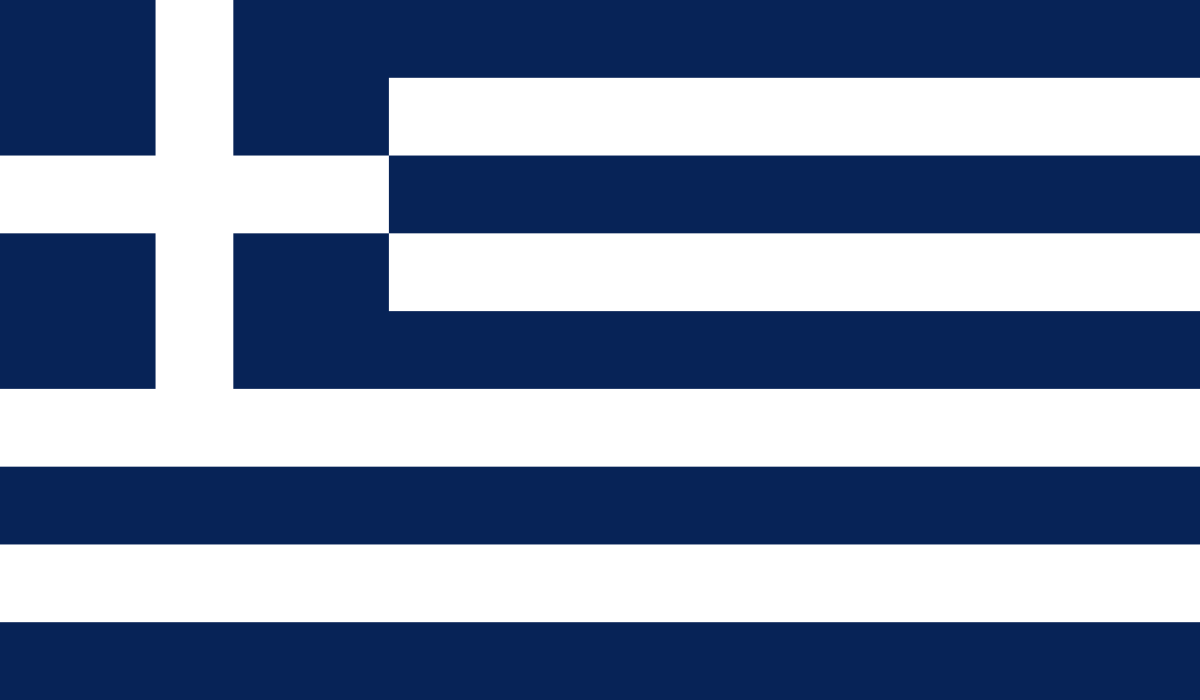
1970–1975
Junta cross flag
During the military junta the plain cross land flag was rendered in a very dark navy blue and made the sole national flag in 1970. It was abolished after the restoration of democracy.
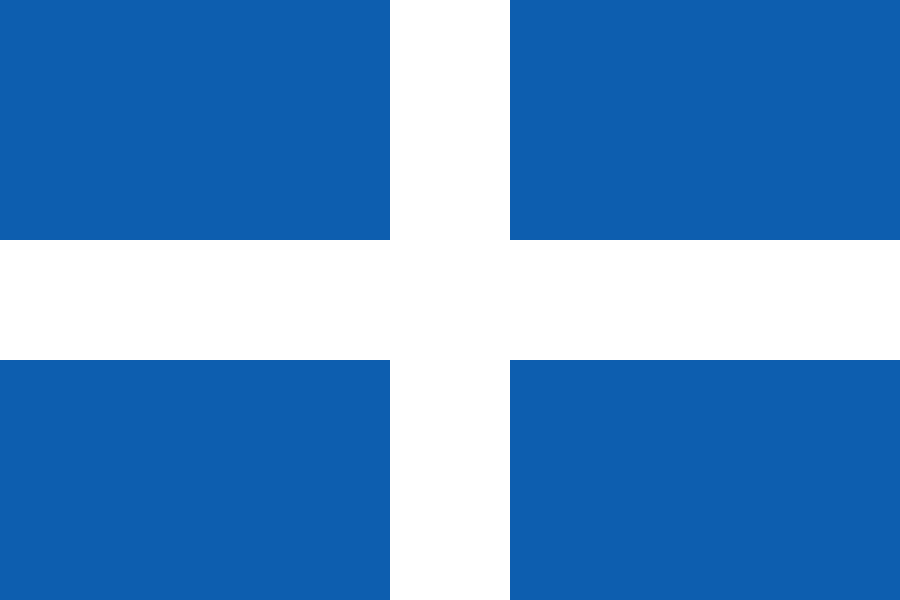
1822–1978
Blue land flag with white cross
Standardized by the Provisional Government in 1822 as the "land flag" — a plain blue field with a centered white cross. It served on and off as the national land flag for over 150 years.
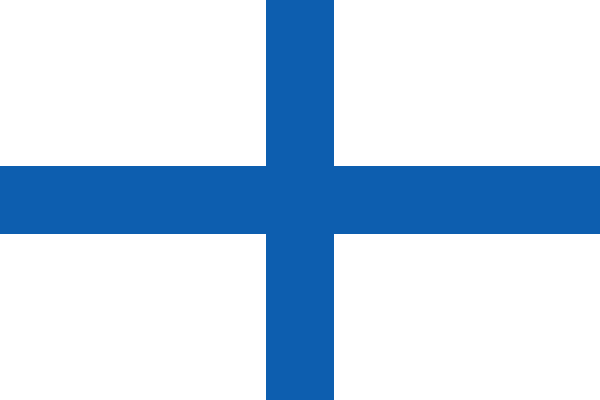
1769–1822
Revolution cross flag
A blue flag with a white cross used by Greek revolutionaries, first appearing in the 1769 Orlov Revolt and becoming the most widespread banner of the 1821 War of Independence. The cross symbolized the Orthodox faith that unified the fighters.
Related historical states
Empires, kingdoms and republics that once covered part of Greece.
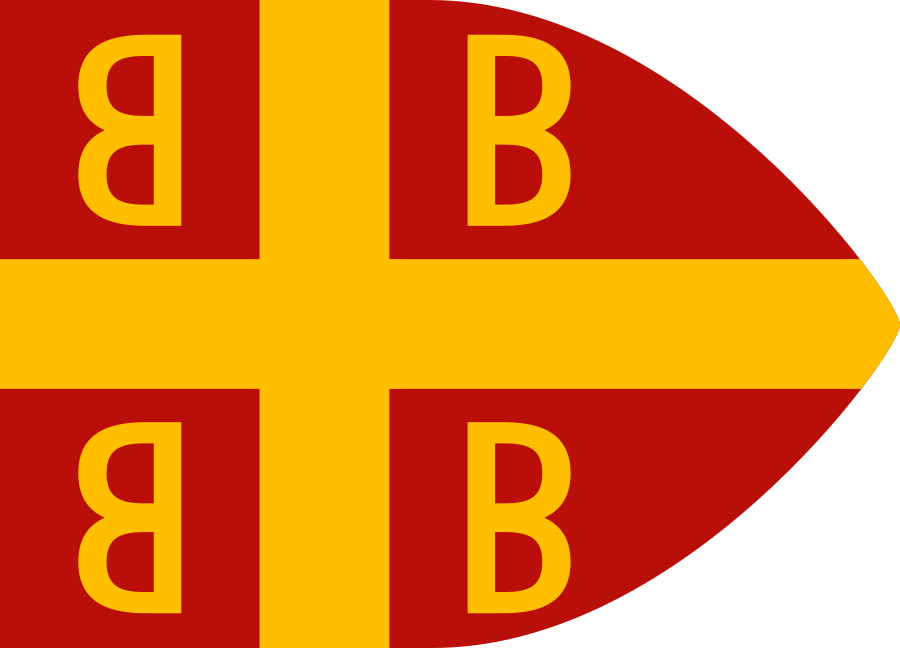
1261–1453
Byzantine Empire
The four gold firesteels (often glossed 'King of Kings, Ruling over Kings') were the emblem of the Palaiologos dynasty, the last imperial house, which fell with Constantinople in 1453.
1822–1978
Kingdom of Greece
The plain blue field with a white cross was the official land flag from 1822. The blue-and-white striped version initially served only as the naval ensign.
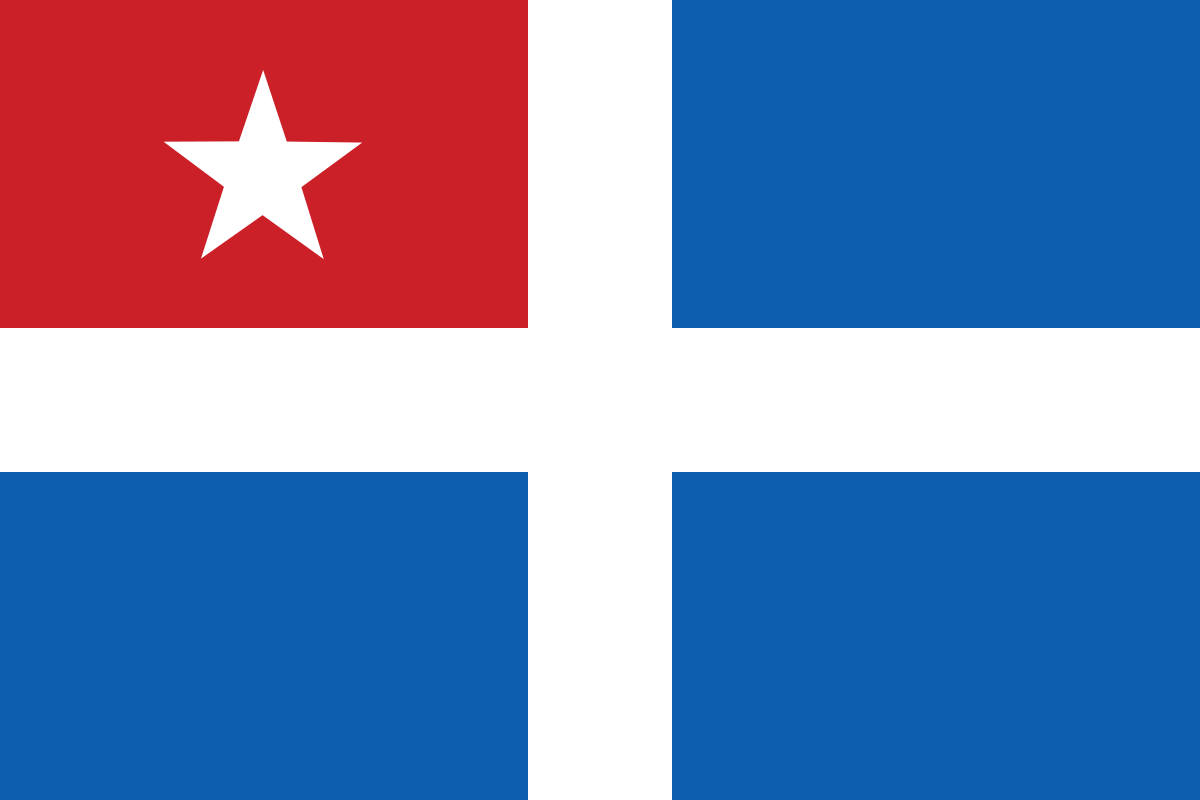
1898–1913
Cretan State
Autonomous Crete under Prince George of Greece; its blue flag with a white cross adds a red canton with a white star, symbolizing remaining Ottoman suzerainty.
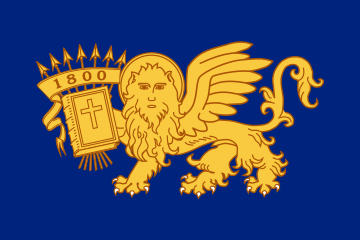
1800–1807
Septinsular Republic
A blue field with the golden Lion of St Mark holding seven arrows for the seven Ionian islands — the first autonomous Greek state of the modern era.
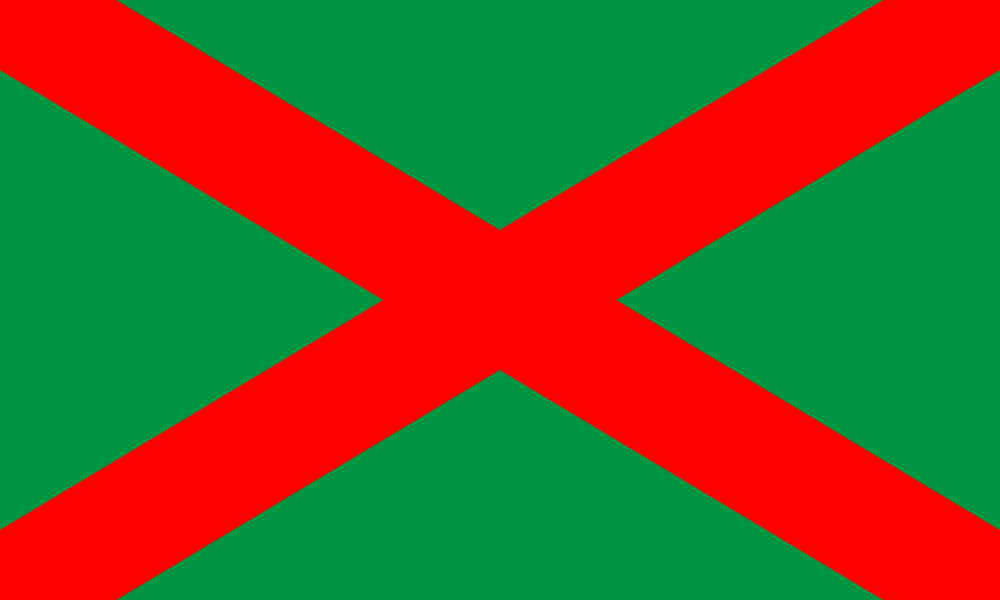
1941–1944
Principality of Pindus
A green-white-blue flag tied to a WWII Axis-sponsored Aromanian (Vlach) state in the Pindus mountains, whose actual existence is disputed by historians.
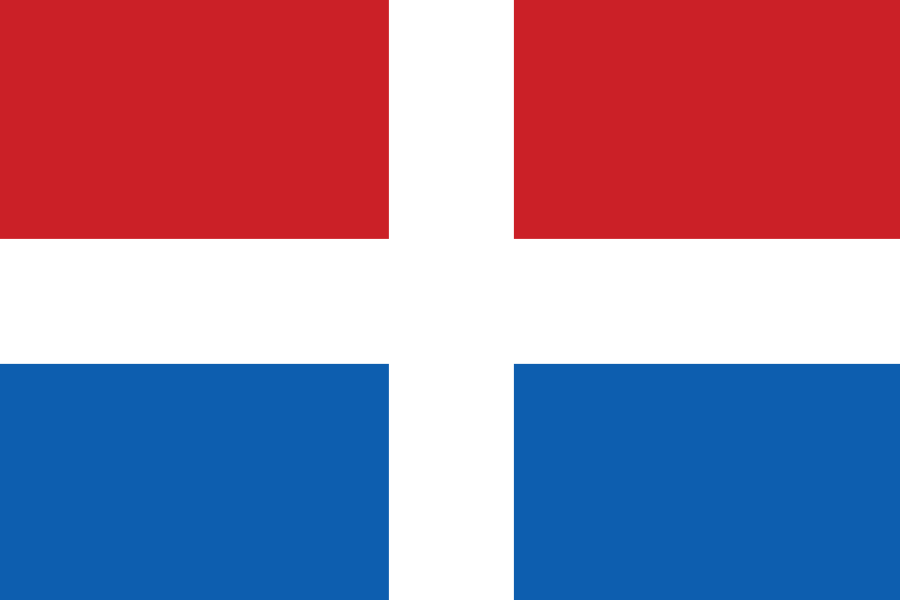
1834–1912
Principality of Samos
A cross flag with two red and two blue quarters, the red marking Ottoman suzerainty over this autonomous Greek island principality, which united with Greece in 1912.
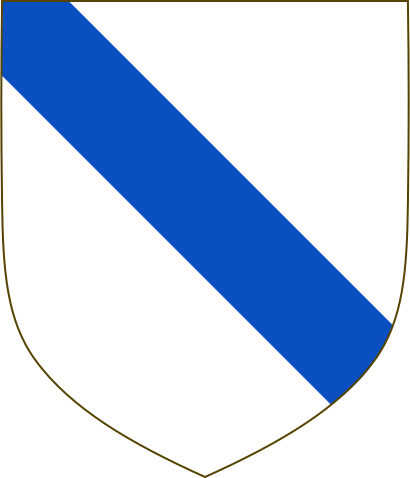
1207–1579
Duchy of the Archipelago
A Venetian crusader state ruling the Cyclades from Naxos, under the Sanudo dynasty whose white banner bore a red cross and four black crosslets.
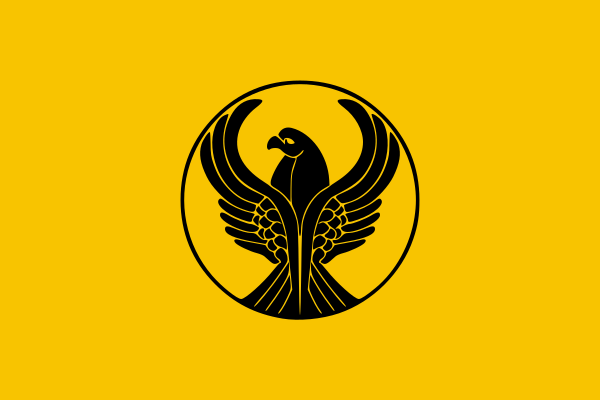
1917–1922
Republic of Pontus
A proposed homeland for the Pontic Greeks of the Black Sea coast, never realized; its black flag bore the eagle of the medieval Empire of Trebizond.
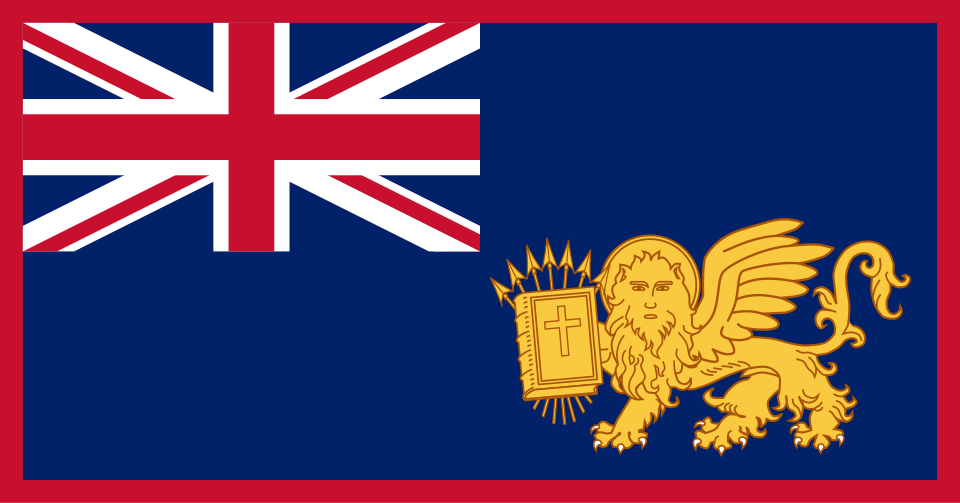
1815–1864
United States of the Ionian Islands
A British protectorate over the Ionian Islands, flying the Lion of St Mark on a Union-Jack-cantoned flag, until the islands were ceded to Greece in 1864.
Regional flags of Greece
The 5 states, provinces and regions of Greece with their own flags.
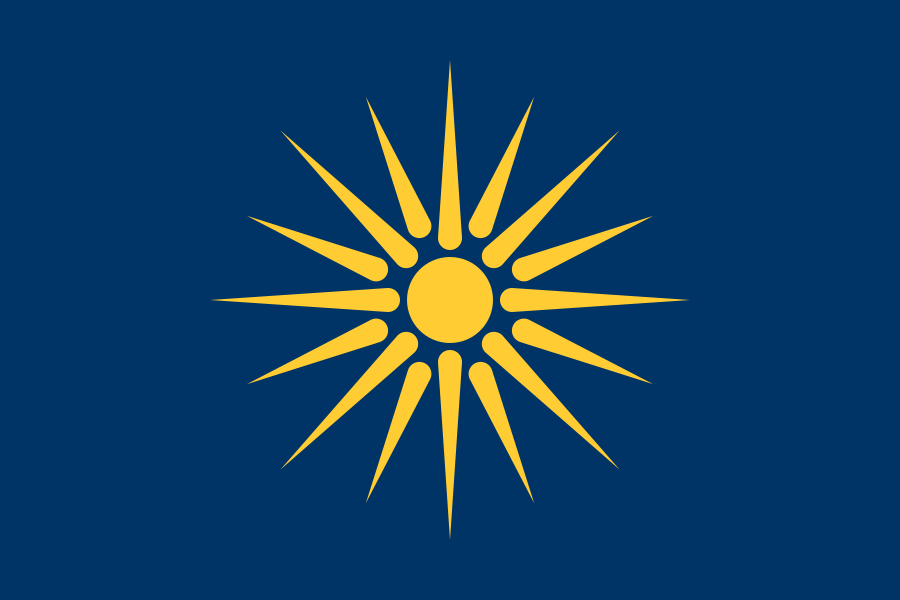
Central Macedonia

West Greece
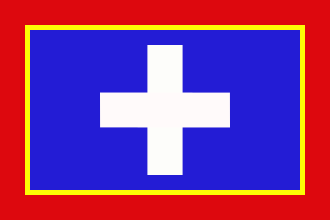
Attica
South Aegean
Crete
Neighbouring countries
Greece shares a land border with 4 countries: Albania, Bulgaria, North Macedonia and Turkey.
Other flags in blue and white
9 other national flags use the same main colours as Greece's.
Play Globalio and learn Greece's flag
 Albania
 Bulgaria
 North Macedonia
 Turkey
 El Salvador
 Finland
 Guatemala
 Honduras
 Israel
 Micronesia
 Nicaragua
 San Marino
 Somalia