 Chad
 Andorra

1990–present
Flag of Moldova
A blue-yellow-red vertical tricolour adopted in 1990, deliberately modelled on Romania's flag to reflect shared heritage, but bearing Moldova's eagle-and-aurochs coat of arms on the central stripe.
Moldova is a small landlocked country in Eastern Europe bordered by Romania and Ukraine, one of Europe's least visited yet historically fascinating nations. Gaining independence from the Soviet Union in 1991, it navigates the challenge of the breakaway region of Transnistria, which has functioned as a de facto separate state since 1990. Moldova has a long winemaking tradition stretching back thousands of years and is known for producing excellent wines.
Population and area are rounded.
Moldova shares Romania's blue, yellow and red, a sign of their common history and language. The coat of arms shows an eagle holding an Orthodox cross in its beak, an olive branch and a sceptre, with a shield bearing the head of an aurochs, the ancient symbol of the Principality of Moldavia, between a rose, a crescent and a star. The flag was adopted in 1990.
Like Romania (blue-yellow-red) but has an eagle with a shield in the centre yellow stripe.
Moldova produces more wine per capita than any other country in the world.
Moldova's flag is often mixed up with these. Learn to tell them apart:
Every flag that has flown over Moldova, from today back through time.
A blue-yellow-red vertical tricolour adopted in 1990, deliberately modelled on Romania's flag to reflect shared heritage, but bearing Moldova's eagle-and-aurochs coat of arms on the central stripe.
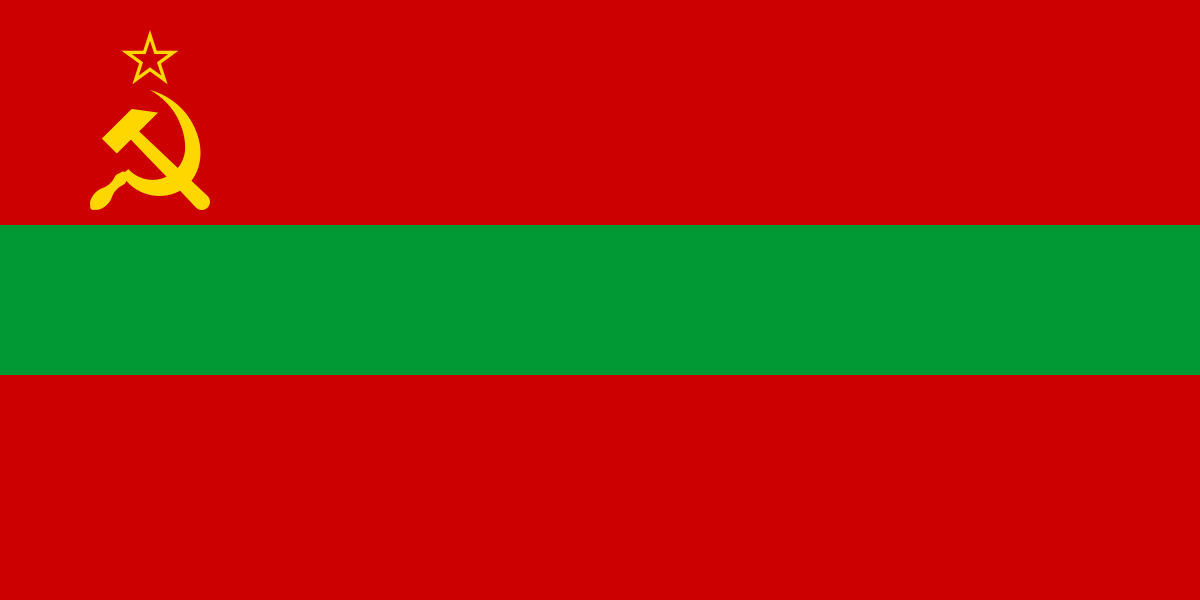
A red field with a central green stripe and a gold hammer, sickle, and star. Its red-green-red layout closely resembles the flag of present-day breakaway Transnistria.

Most of present-day Moldova — historic Bessarabia — united with Romania in 1918 after a century under the Russian Empire, flying the Romanian flag. The 1939 Molotov–Ribbentrop Pact handed it to the USSR in 1940, which carved out the Moldavian SSR — the root of Moldova's lasting question of identity between Romania and the post-Soviet world.
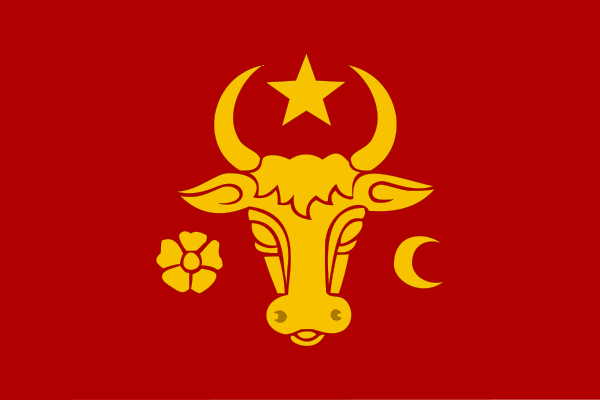
The medieval Principality of Moldavia — the realm of Stephen the Great, who held off Ottoman, Hungarian and Polish armies — flew a red banner bearing the head of an aurochs (a wild ox), the enduring symbol of the Moldavian lands. In 1859 Moldavia united with Wallachia to form modern Romania; the eastern half later became Moldova.
Empires, kingdoms and republics that once covered part of Moldova.
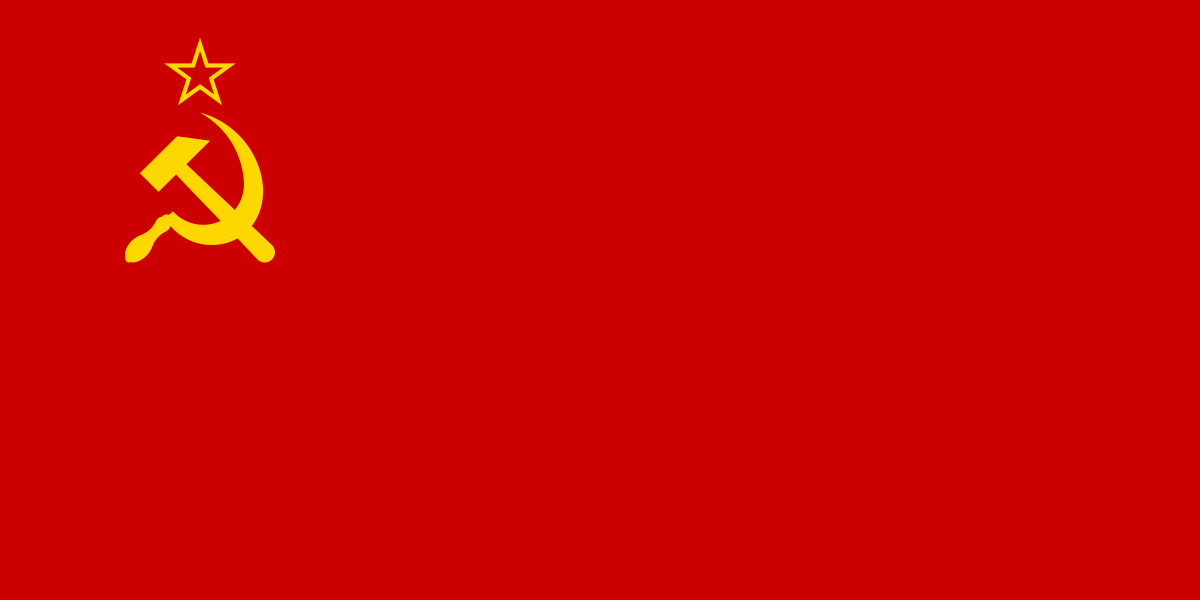
The gold hammer and sickle beneath a red star stood for the worker-peasant alliance. The exact shade and proportions were fixed by Soviet law in 1955.
A red flag with a central green stripe and the hammer, sickle and star, flown by Soviet Moldova before the country adopted a Romanian-style tricolor in 1990.
The 35 states, provinces and regions of Moldova with their own flags.
 Anenii Noi
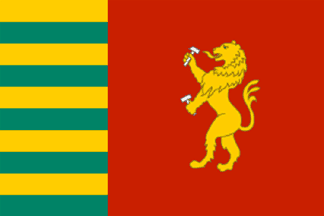 Basarabeasca
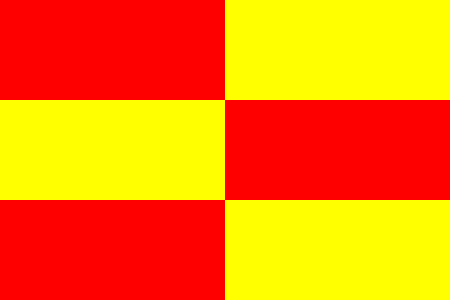 Briceni
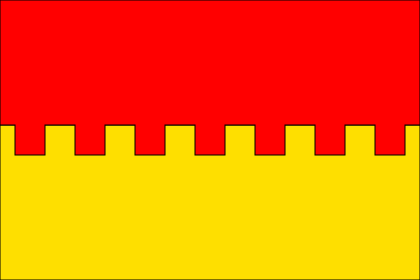 Cahul
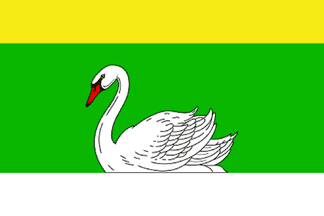 Cantemir
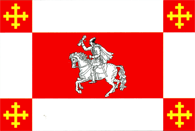 Călărași
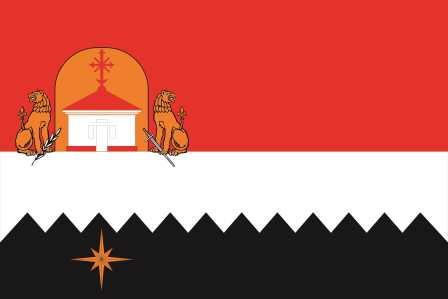 Căușeni
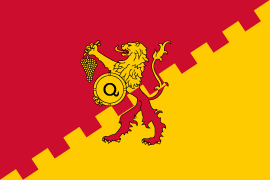 Cimișlia
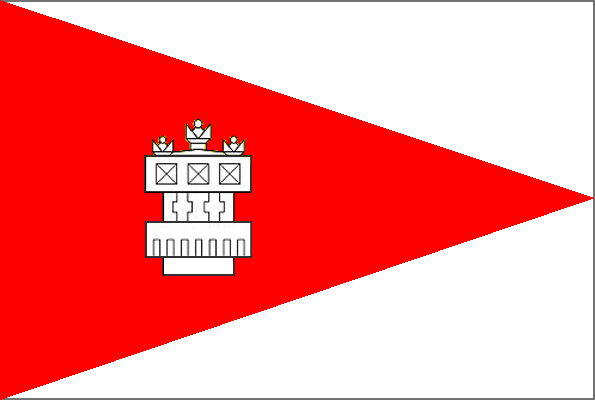 Criuleni
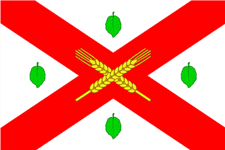 Dondușeni
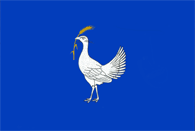 Drochia
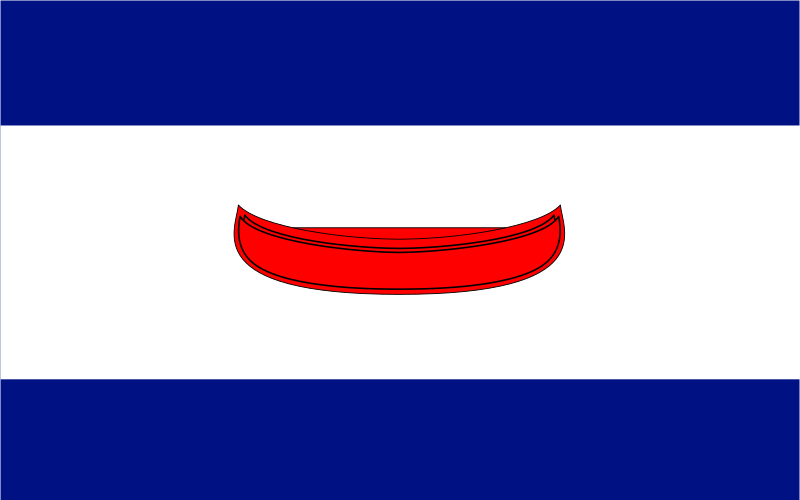 Dubăsari
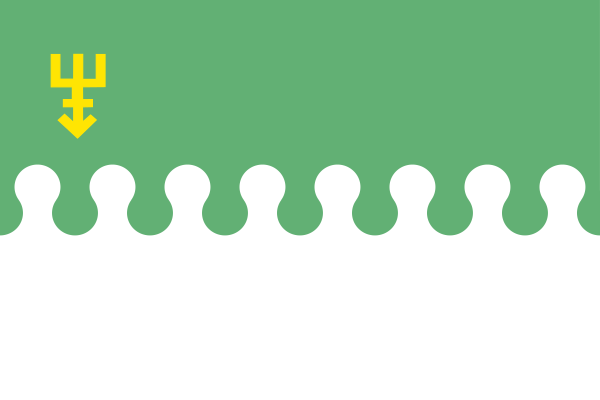 Edineț
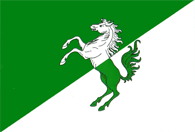 Fălești
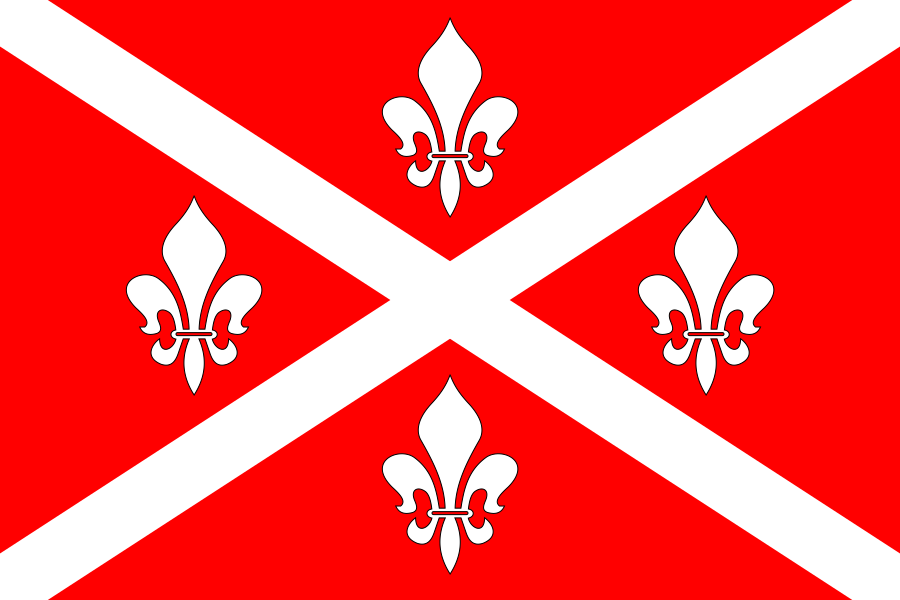 Florești
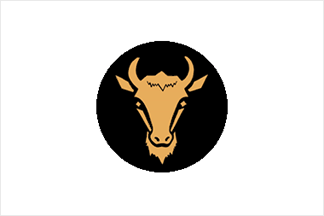 Glodeni
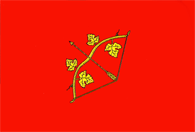 Hîncești
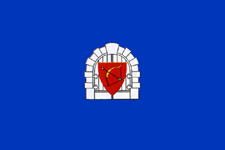 Ialoveni
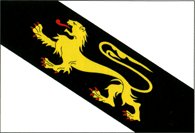 Leova
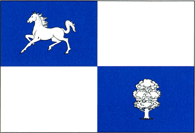 Nisporeni
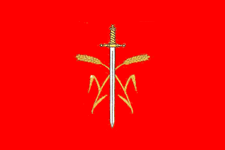 Ocnița
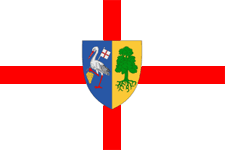 Orhei
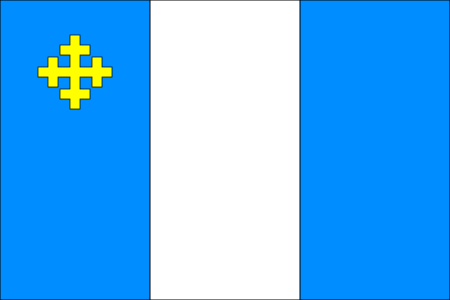 Rezina
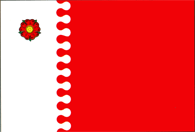 Rîșcani
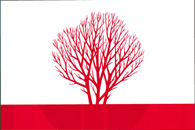 Sîngerei
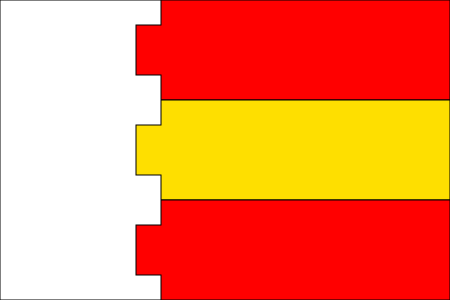 Soroca
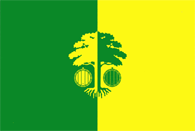 Strășeni
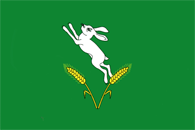 Șoldănești
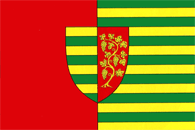 Ștefan Vodă
 Taraclia
 Telenești
 Ungheni
 Chișinău
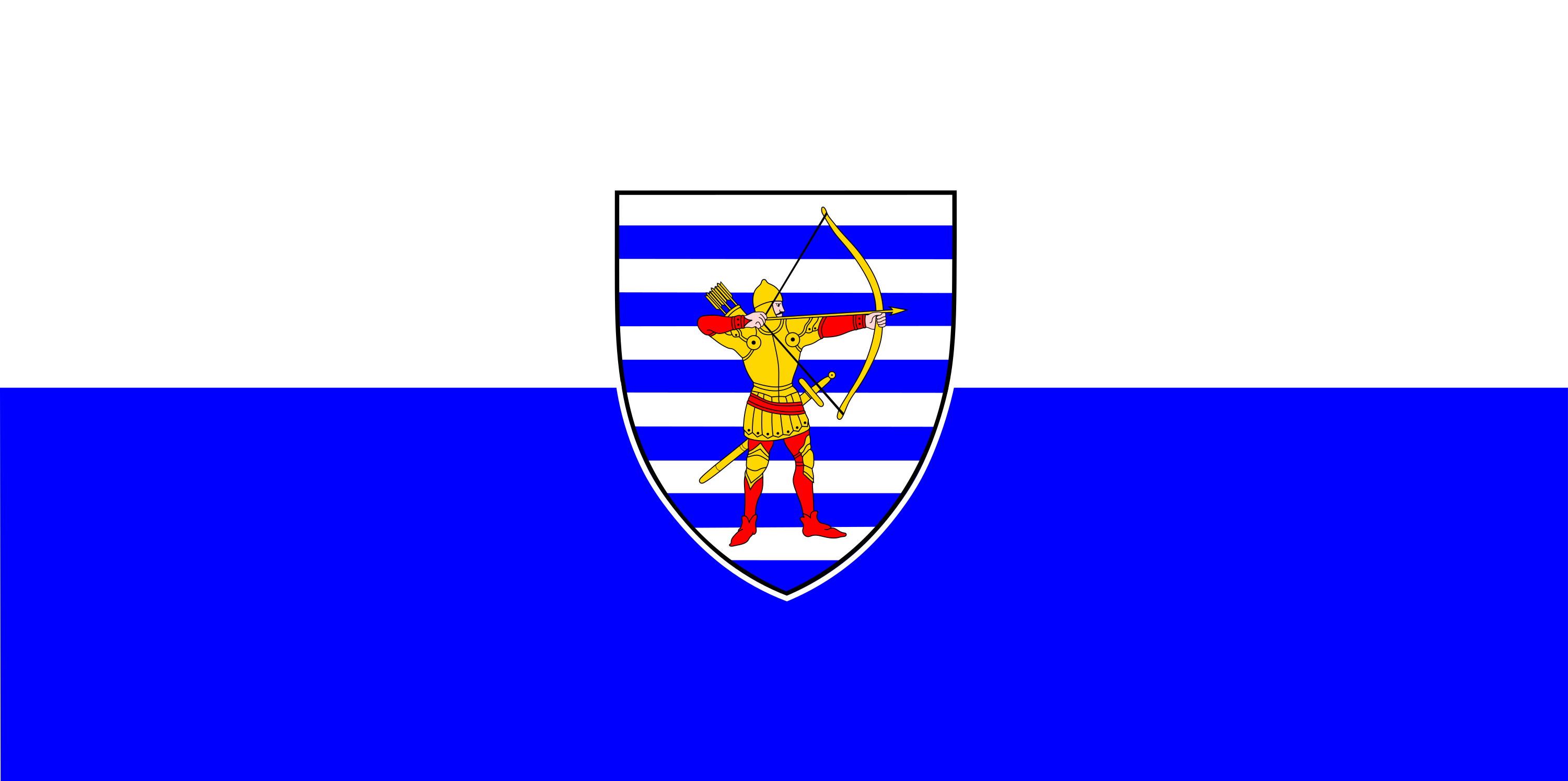 Bălți
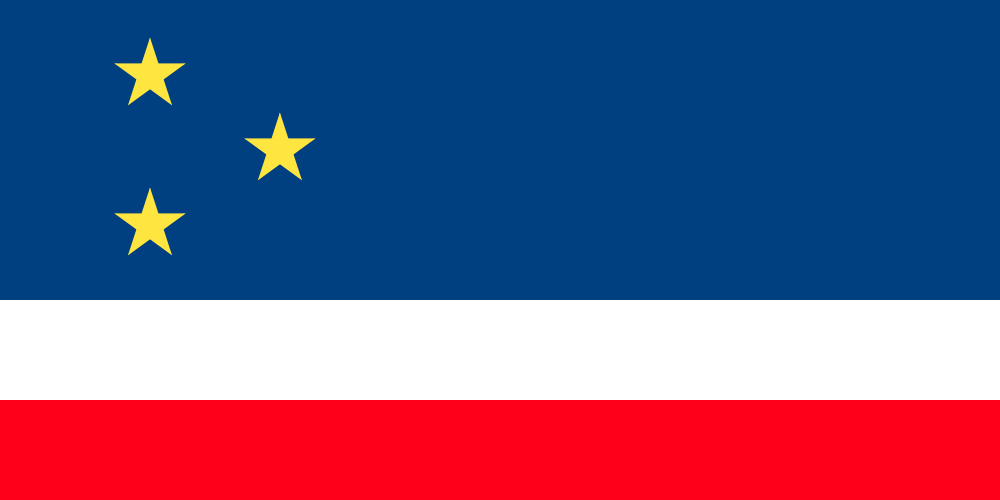 Gagauzia
Moldova shares a land border with 2 countries: Romania and Ukraine.
9 other national flags use the same main colours as Moldova's.
Play Globalio and learn Moldova's flag Ukraine
 Colombia
 DR Congo
 Ecuador
 Liechtenstein
 Mongolia
 Venezuela