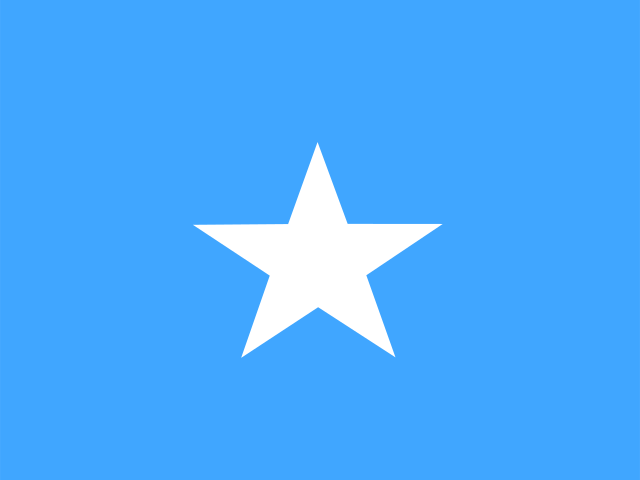
 Somalia
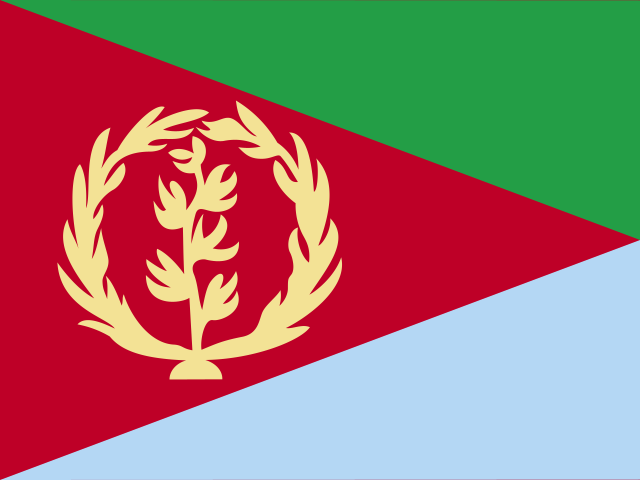 Eritrea
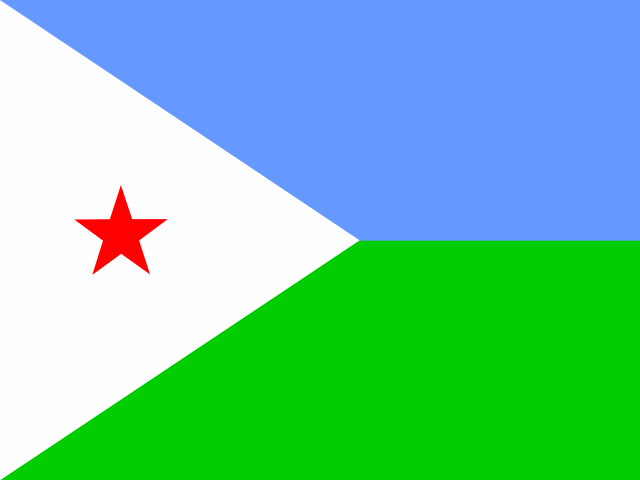
1977–present
Flag of Djibouti
Adopted at independence from France in 1977: light blue and green bands with a white triangle and red star. The colors are associated with the Issa and Afar communities, the star representing unity.
Djibouti is a tiny nation at the Horn of Africa where the Red Sea meets the Gulf of Aden, occupying one of the world's most strategically important maritime chokepoints. This location has made it home to multiple foreign military bases — American, French, Chinese, Japanese, and Italian — a unique concentration for such a small country. Despite limited natural resources, Djibouti generates significant revenue from port services and serves as the main trade gateway for landlocked Ethiopia.
Population and area are rounded.
Light blue represents the Issa Somali people as well as the sea and sky, green the Afar people and the earth, white peace, and the red star the unity of the nation. It was the flag of the independence movement and was adopted when Djibouti became independent from France in 1977.
Djibouti sits on the Bab-el-Mandeb strait between the Red Sea and the Gulf of Aden, one of the world's busiest shipping routes, and hosts military bases of several foreign countries. Before independence on 27 June 1977 it was the French Territory of the Afars and the Issas, named after the two peoples whose colours appear on the flag.
Horizontal light blue-over-green with a white triangle on the left containing a red star.
Djibouti hosts more foreign military bases than almost any other country, due to its strategic location.
Djibouti's flag is often mixed up with these. Learn to tell them apart:
Every flag that has flown over Djibouti, from today back through time.
Adopted at independence from France in 1977: light blue and green bands with a white triangle and red star. The colors are associated with the Issa and Afar communities, the star representing unity.
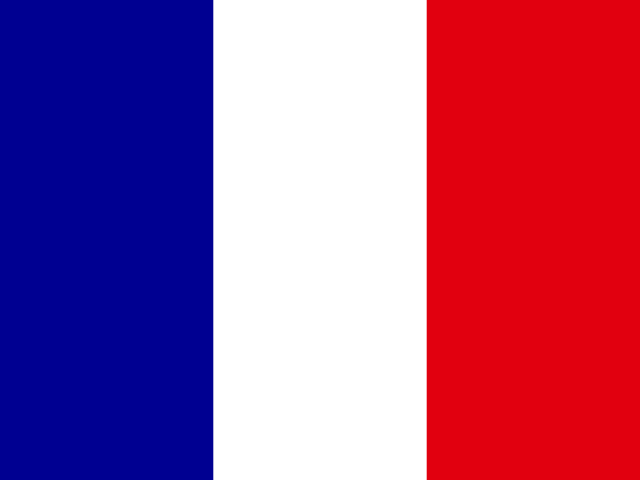
Djibouti was French Somaliland from 1888, renamed the French Territory of the Afars and Issas in 1967 — a strategically vital colony guarding the Red Sea entrance to the Suez route, flying the French tricolor. France held it longer than almost any other African territory, granting independence only in 1977.
Djibouti shares a land border with 3 countries: Eritrea, Ethiopia and Somalia.
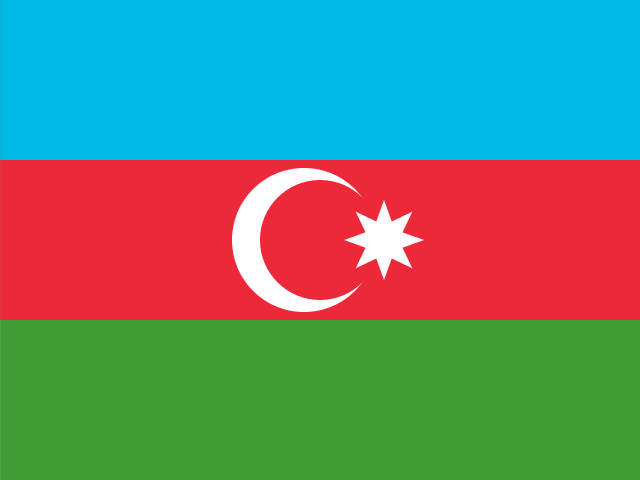
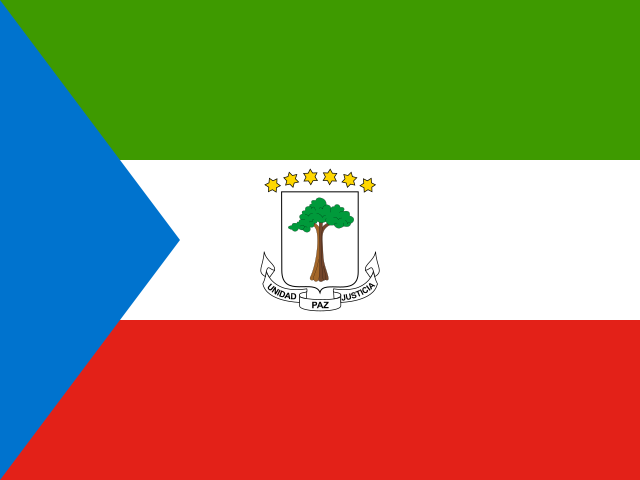
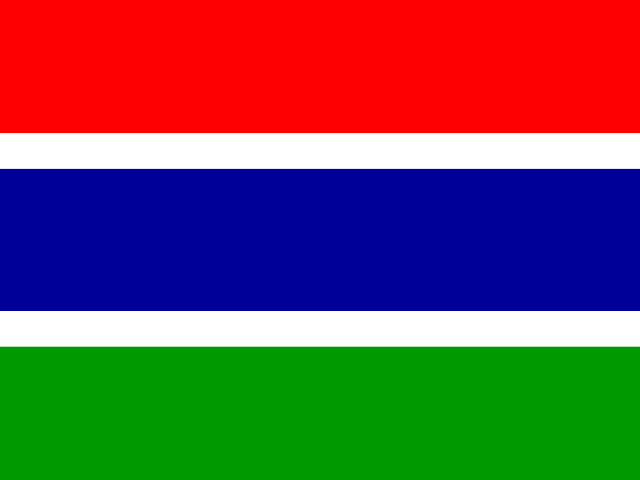
4 other national flags use the same main colours as Djibouti's.
Play Globalio and learn Djibouti's flag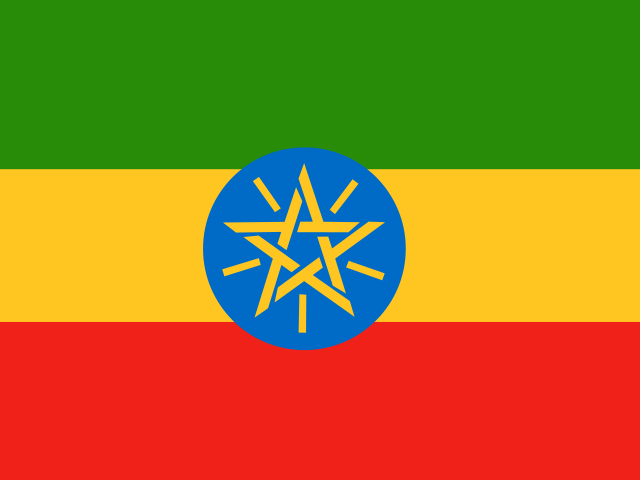 Ethiopia
 Azerbaijan
 Equatorial Guinea
 Gambia
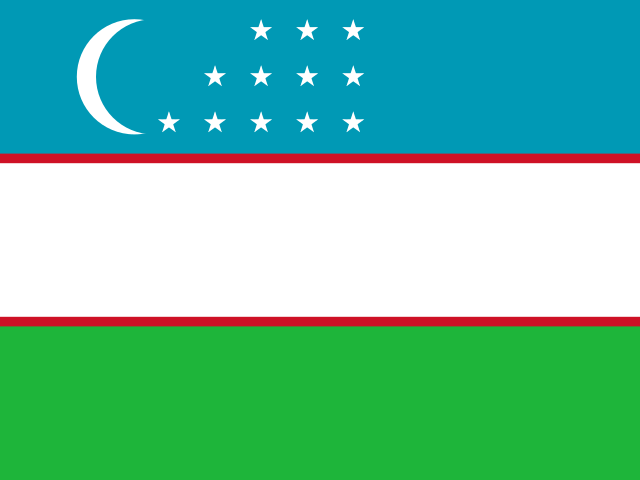 Uzbekistan