Americas
Flag of Trinidad and Tobago
Trinidad and Tobago is a twin-island Caribbean nation just off the northeastern coast of Venezuela and is the birthplace of two distinctive cultural contributions. Trinidad is the origin of the steelpan, the national instrument developed in the early 20th century from oil drums. It is also the birthplace of Caribbean Carnival as it developed, with Trinidad's annual Carnival renowned worldwide for its elaborate masquerade bands and calypso and soca music.

- CapitalPort of Spain
- RegionAmericas
- Current flag since1962
- Main coloursRed, Black, White
- Populationabout 1.5 million
- Areaabout 5,000 km²
- GeographyIsland nation
- Flags in history3
Population and area are rounded.
What the flag of Trinidad and Tobago means
Red represents the vitality of the land and its people and the warmth of the sun, white the sea and the purity of the people's hopes, and black their dedication and strength. The flag was adopted at independence from Britain in 1962.
More about the flag
Trinidad and Tobago became independent from Britain on 31 August 1962. Its flag is said to represent the elements of earth, water and fire, and the diagonal black band is read as the bond uniting the two islands. The country is the birthplace of the steelpan and of calypso and soca music.
How to recognise it
Red field with a black diagonal stripe bordered in white from upper left to lower right.
Did you know?
Trinidad is the birthplace of the steel drum (steelpan) — the only acoustic instrument invented in the 20th century.
Easily confused with
Trinidad and Tobago's flag is often mixed up with these. Learn to tell them apart:
Flag history of Trinidad and Tobago
Every flag that has flown over Trinidad and Tobago, from today back through time.
1962–present
Trinidad and Tobago (independence)
Trinidad and Tobago's flag features a black stripe edged in white running diagonally from the upper hoist to the lower fly on a red field. The designer, Carlisle Chang, intended red for the fire element and the warmth of the people; black for the dedication and strength that unifies the country; white for the equality of all under the sun. The two islands gained independence together from Britain on August 31, 1962.
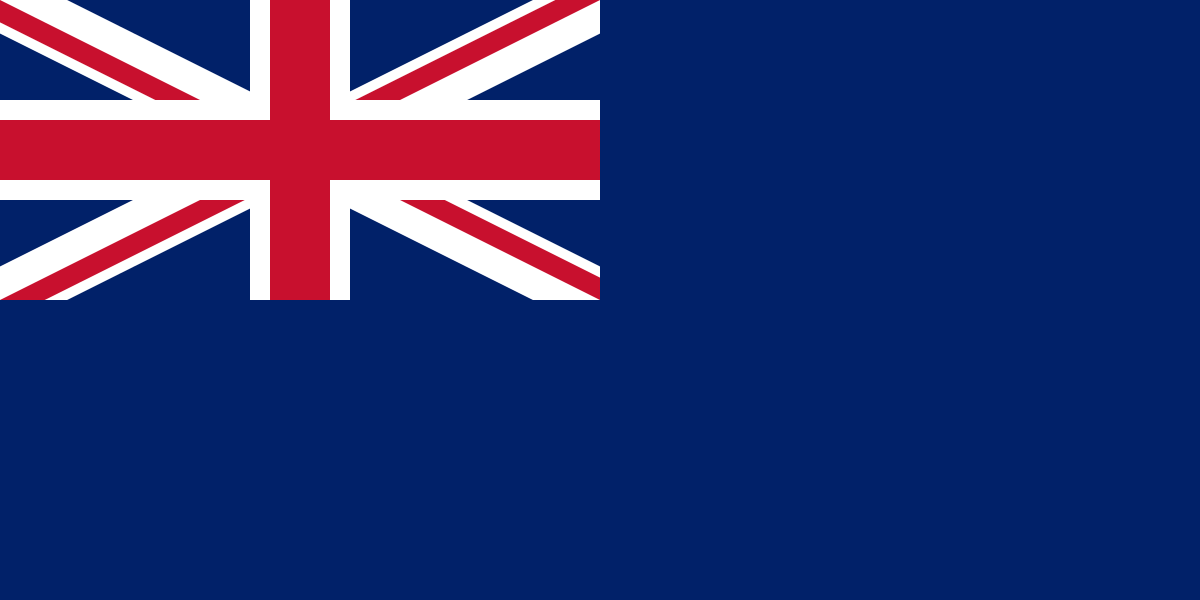
1797–1962
British Trinidad & Tobago (colonial era)
Trinidad was a Spanish colony until captured by Britain in 1797; Tobago changed hands between European powers 22 times — more than any other territory in the world — before being ceded to Britain in 1814. The islands were merged into a single crown colony in 1889. Trinidad and Tobago became one of the wealthiest Caribbean nations through oil production, and its multicultural society (African, Indian, European, and Chinese heritage) shaped a unique culture including calypso, soca, and steelband music.
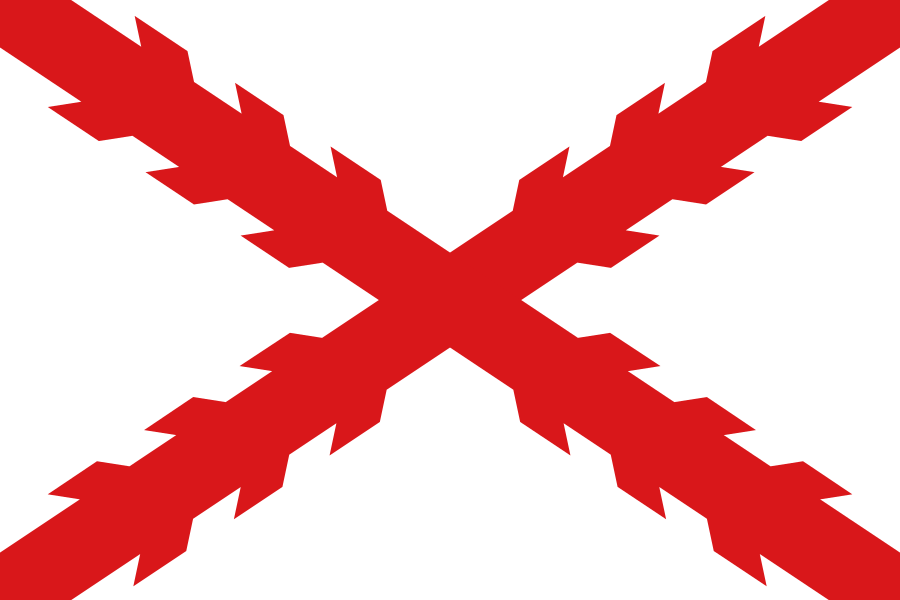
1498–1797
Spanish Trinidad
Columbus reached Trinidad in 1498, and Spain held it for nearly three centuries under the Cross of Burgundy — though it remained a neglected backwater that Spain eventually opened to French Catholic planters, who gave the island much of its Francophone-Creole character before a British fleet took it in 1797.
Regional flags of Trinidad and Tobago
The 1 states, provinces and regions of Trinidad and Tobago with their own flags.
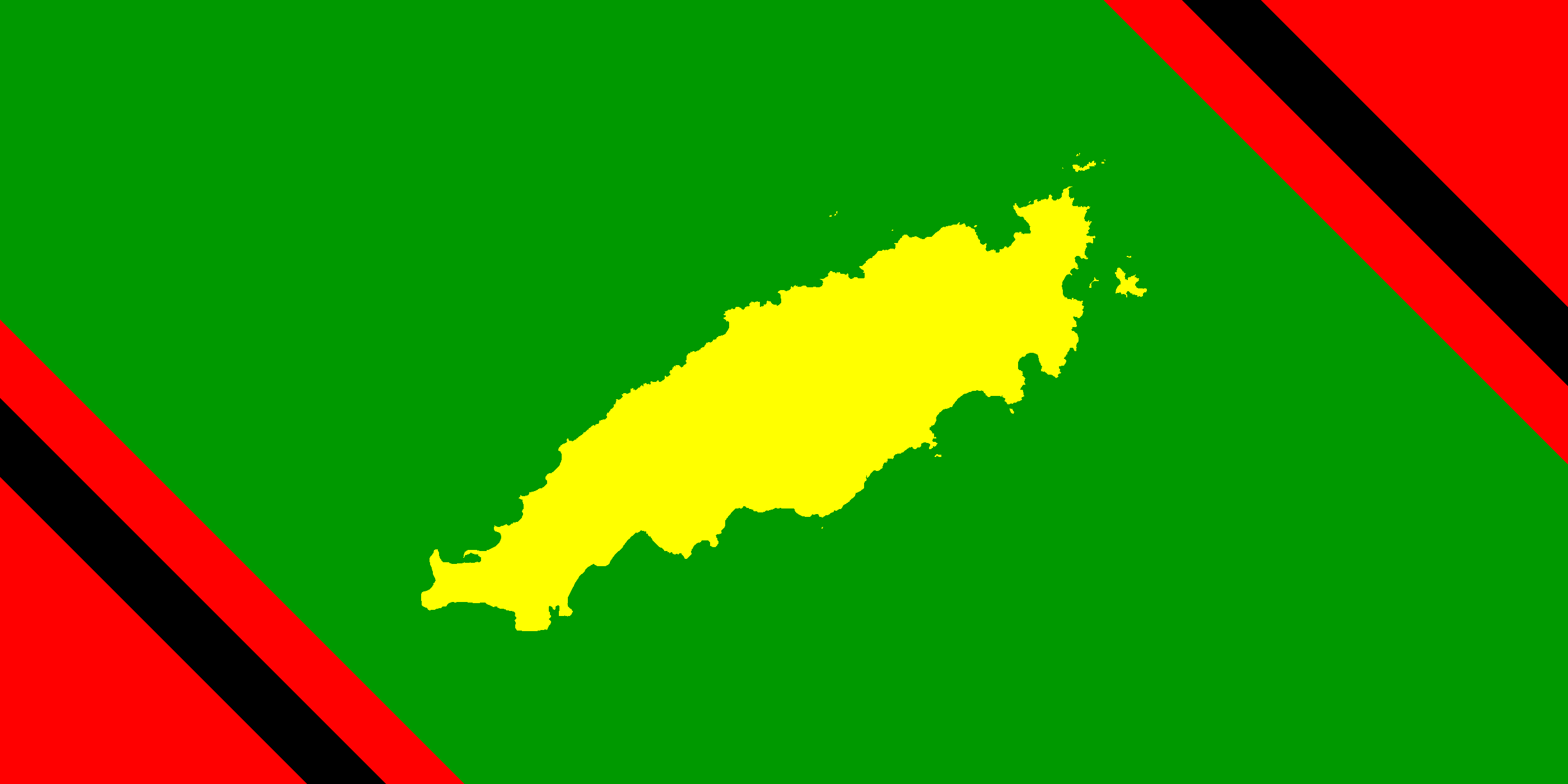
Tobago
Other flags in red, black and white
2 other national flags use the same main colours as Trinidad and Tobago's.
Play Globalio and learn Trinidad and Tobago's flag
 Antigua and Barbuda
 Bahamas
 Iraq
 Yemen