 Ghana
 Senegal
1973–present
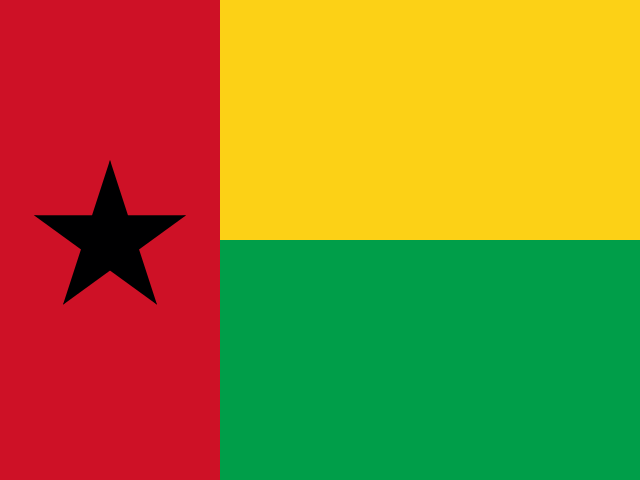
Flag of Guinea-Bissau
Adopted at the 1973 declaration of independence from Portugal, nearly identical to the PAIGC liberation party's flag, with a red hoist band bearing a black star for African unity. It has never been changed.
Guinea-Bissau is a small West African nation bordering Senegal and Guinea and is one of the world's least developed countries. The country includes the Bijagós Archipelago, a UNESCO biosphere reserve of extraordinary ecological richness, home to saltwater hippopotamuses and rare marine turtles. Guinea-Bissau gained independence from Portugal in 1974 and has experienced significant political instability since.
Population and area are rounded.
Guinea-Bissau's flag is based on the flag of the PAIGC, the movement that fought for independence from Portugal. Red stands for the blood of the liberation struggle, yellow for the sun and wealth, green for hope, and the black star for Africa and African unity. It was adopted in 1973, when independence was declared.
Guinea-Bissau declared independence from Portugal on 24 September 1973 in the hills of Boé, and Portugal recognised it in 1974 after the Carnation Revolution. The flag was very similar to Cape Verde's flag of 1975 to 1992, as both countries were led by the same party and planned to unite; the plan ended after a coup in Guinea-Bissau in 1980.
Vertical red stripe with a black star on the left; horizontal yellow-green on the right.
Guinea-Bissau is an archipelago nation with over 80 islands in addition to its mainland.
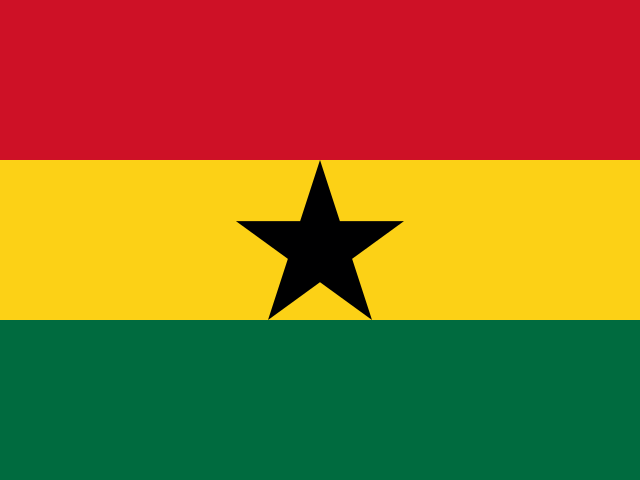
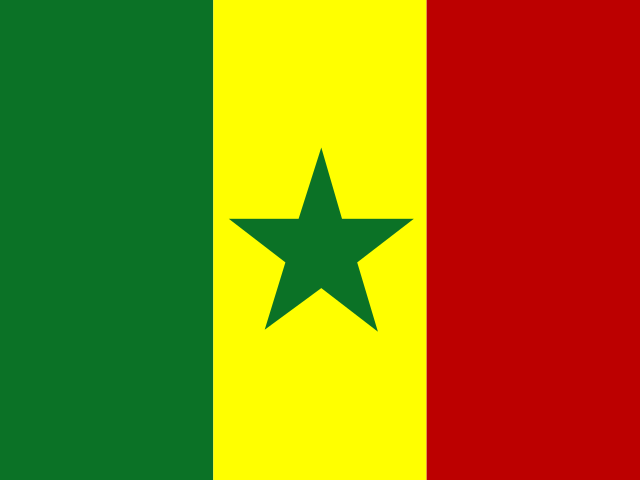
Guinea-Bissau's flag is often mixed up with these. Learn to tell them apart:
Every flag that has flown over Guinea-Bissau, from today back through time.
Adopted at the 1973 declaration of independence from Portugal, nearly identical to the PAIGC liberation party's flag, with a red hoist band bearing a black star for African unity. It has never been changed.
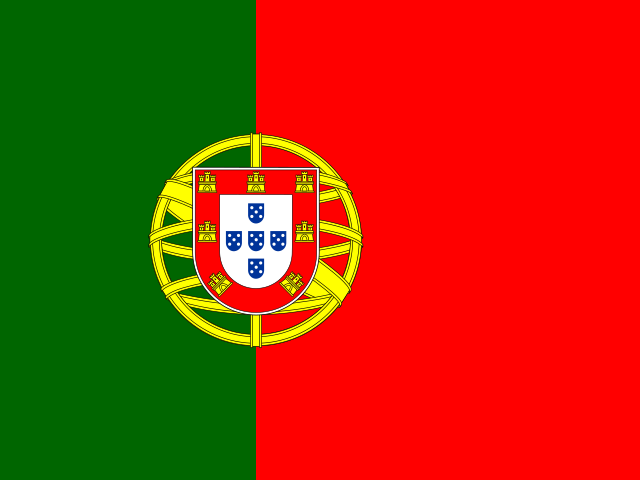
Held by Portugal for five centuries as Portuguese Guinea — long a hub of the transatlantic slave trade — under the Portuguese flag. Amílcar Cabral's PAIGC fought one of Africa's most effective liberation wars here, controlling much of the countryside and declaring independence in 1973, which Portugal recognised in 1974 after the Carnation Revolution.
Guinea-Bissau shares a land border with 2 countries: Guinea and Senegal.
4 other national flags use the same main colours as Guinea-Bissau's.
Play Globalio and learn Guinea-Bissau's flag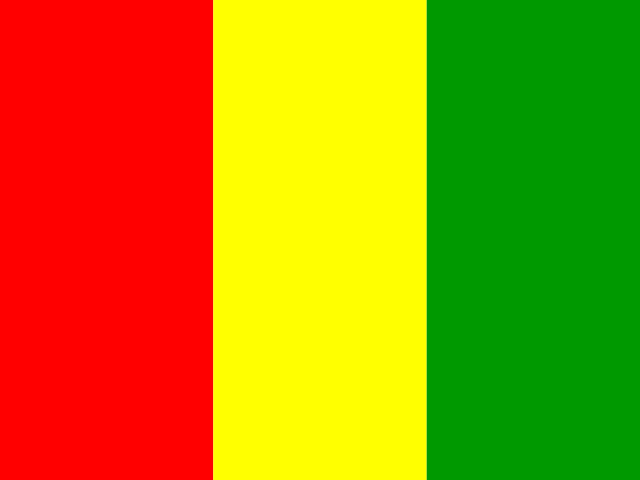 Guinea
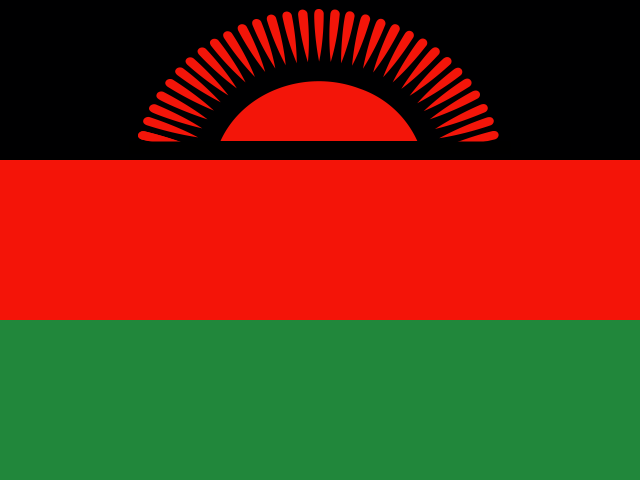 Malawi
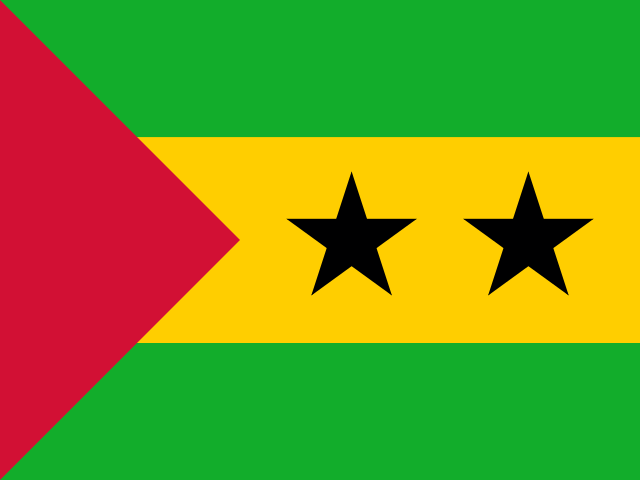 São Tomé and Príncipe
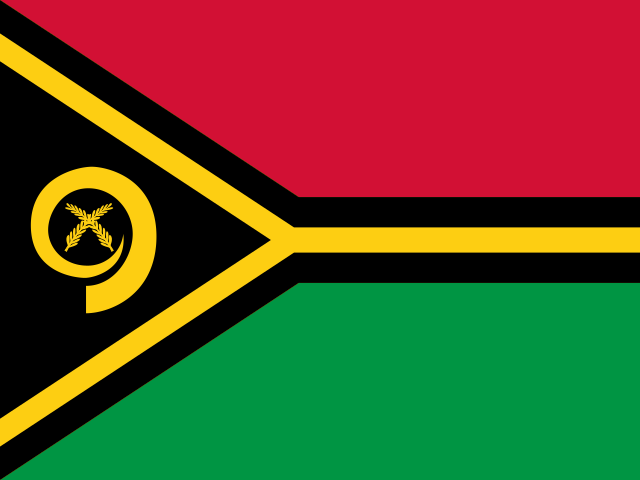 Vanuatu