 Niger
 Iran

1947–present
Tricolour with Ashoka Chakra
Adopted on 22 July 1947, weeks before independence, it replaced the spinning wheel with the 24-spoke navy Ashoka Chakra. The wheel is taken from the Lion Capital of Ashoka at Sarnath.
India is the world's most populous country, home to one of history's oldest civilisations and extraordinary diversity in language, religion, culture, and geography — it has 22 officially recognised languages and hundreds more spoken across the subcontinent. It is the birthplace of four major world religions: Hinduism, Buddhism, Jainism, and Sikhism. India has the world's largest film industry by number of productions and has made fundamental contributions to mathematics, astronomy, medicine, and philosophy throughout history.
Population and area are rounded.
Saffron stands for courage and sacrifice, white for truth and peace, and green for faith, fertility and prosperity. The navy blue Ashoka Chakra, a 24-spoke wheel taken from the Lion Capital of Ashoka at Sarnath, represents the wheel of law, dharma. The flag was adopted by the Constituent Assembly on 22 July 1947, shortly before independence, and was traditionally made from khadi, hand-spun cloth.
Horizontal saffron-white-green with a blue 24-spoke Ashoka Chakra in the white stripe.
India invented the number zero, chess, and the decimal system.
India's flag is often mixed up with these. Learn to tell them apart:
Every flag that has flown over India, from today back through time.
Adopted on 22 July 1947, weeks before independence, it replaced the spinning wheel with the 24-spoke navy Ashoka Chakra. The wheel is taken from the Lion Capital of Ashoka at Sarnath.
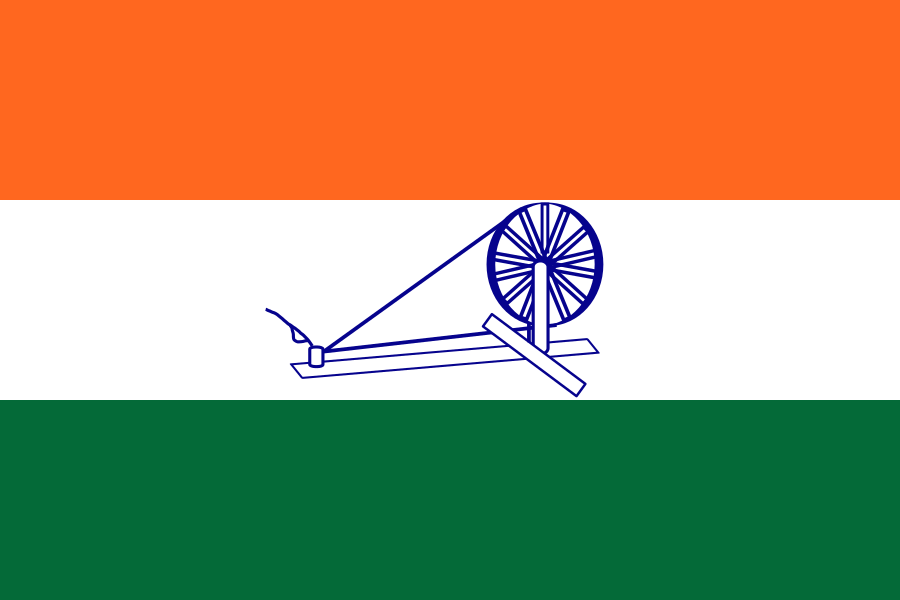
Adopted by the Indian National Congress at its 1931 Karachi session, this tricolour put saffron on top and a navy spinning wheel (charkha) at the centre, dropping the earlier reading of the colors as communal.
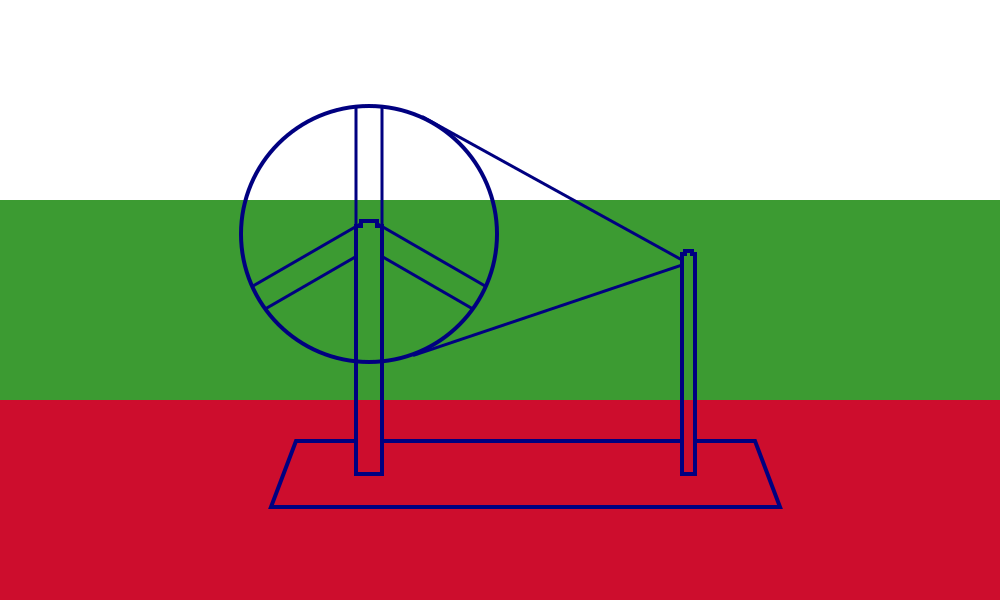
Designed by Pingali Venkayya and presented to Gandhi, it carried red and green bands with a charkha. Gandhi added the white band so that all of India's religious communities would be represented.
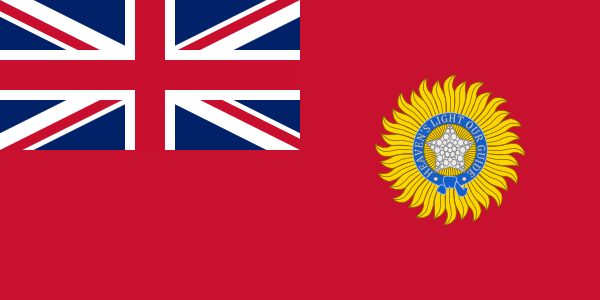
A red ensign with the Union Jack and the "Star of India" emblem, used unofficially for British India. The Union Jack itself remained the official flag of the Raj.
Princely state of the Raj era:
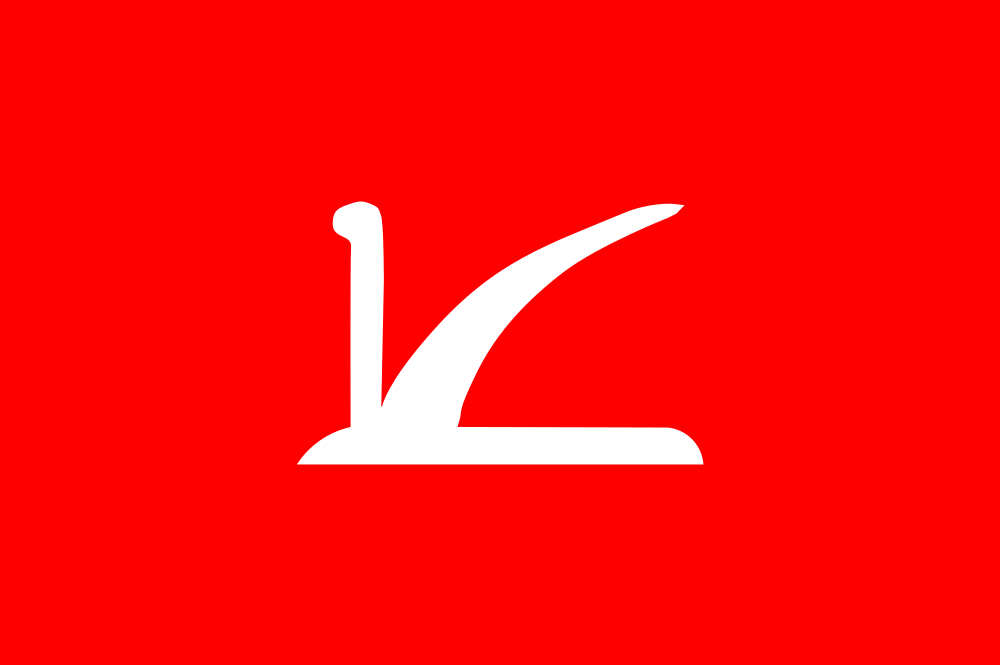
The princely state of Jammu and Kashmir was ruled by the Hindu Dogra dynasty over a Muslim-majority population under British paramountcy. Its disputed accession to India in 1947 triggered the first India-Pakistan war and a conflict that continues today. The state kept its own flag under special autonomy until that status was revoked in 2019.
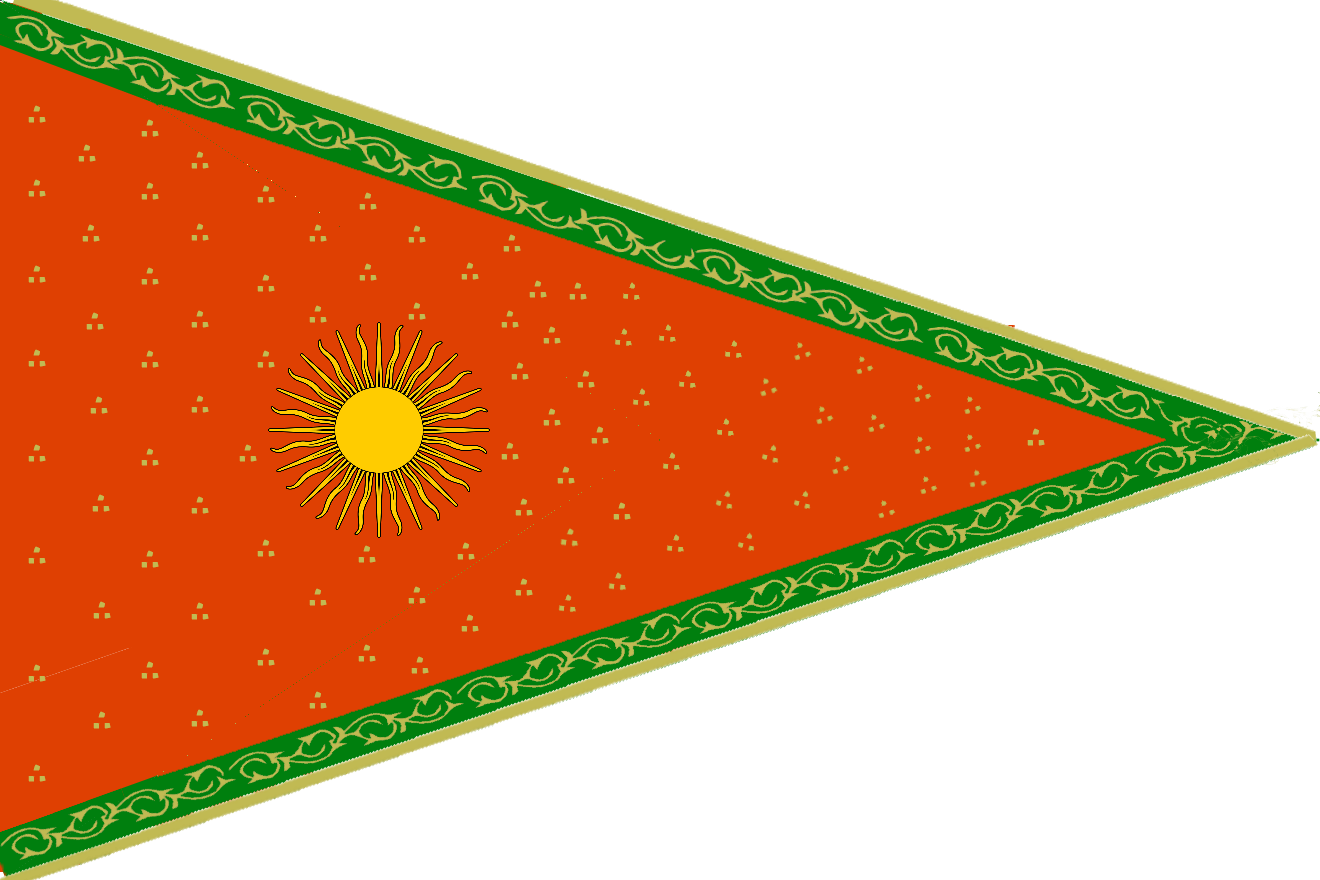
Ranjit Singh forged a powerful Sikh Empire across Punjab and the northwest (1799–1849), flying the saffron Nishan Sahib of the Khalsa. The last major Indian power to fall to the British, it was annexed only after two hard-fought Anglo-Sikh Wars — the same conquest that delivered the Koh-i-Noor diamond to the British crown.

Founded by Chhatrapati Shivaji in 1674, the Maratha Empire grew to dominate most of the subcontinent in the 18th century, flying the saffron Bhagwa Dhwaj. It was the principal Indian power the British East India Company had to defeat — in three Anglo-Maratha Wars — to win control of India.
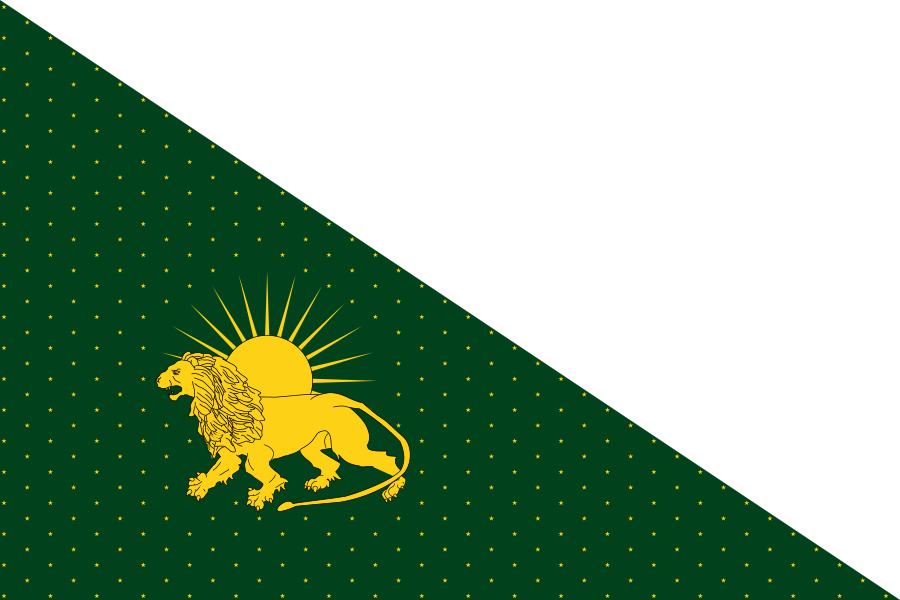
For over three centuries the Mughal Empire ruled much of India — the age of the Taj Mahal, of emperors Akbar and Aurangzeb — under the green Alam bearing a lion and rising sun. Its slow decline left the vacuum that regional powers and the British filled; the last emperor was deposed after the 1857 rebellion, formally ending Mughal rule.
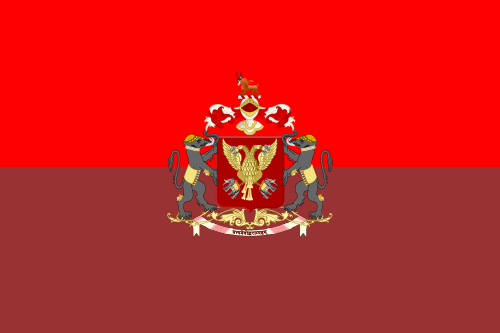
The Kingdom of Mysore, and especially the rule of Hyder Ali and his son Tipu Sultan, mounted the fiercest southern Indian resistance to the British. Tipu — the "Tiger of Mysore" — flew flags rich with tiger-stripe (bubri) motifs and even deployed some of the world's first iron-cased war rockets against the Company before his death in 1799.
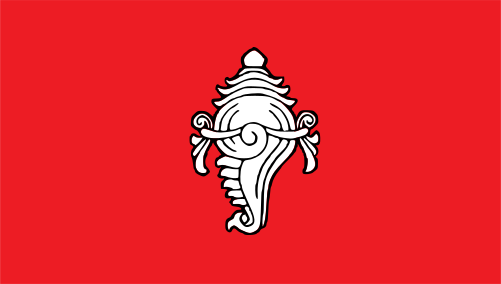
A princely state in Kerala famed for high literacy and the gold-laden Padmanabhaswamy Temple, joined to India at independence.
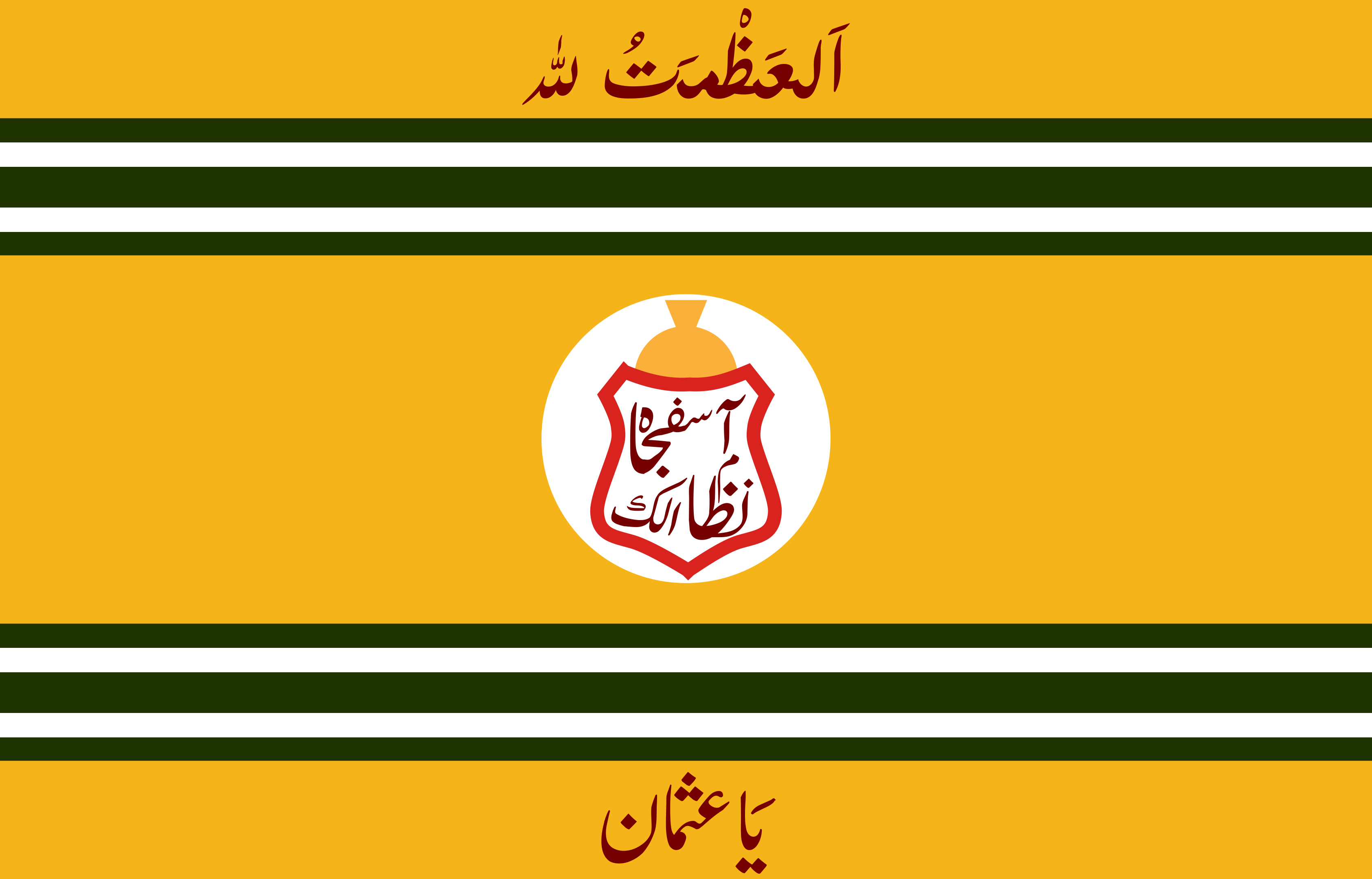
The largest and richest of British India's princely states, ruled by the Nizam, forcibly integrated into India in 1948.

A Deccan sultanate whose mines produced the world's most famous diamonds (the Koh-i-Noor and Hope) before Aurangzeb annexed it.
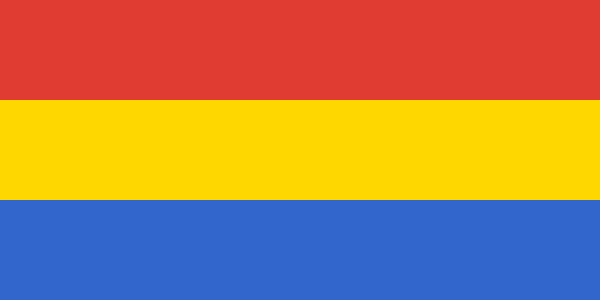
A princely state on the Kerala coast, an early partner of the Portuguese and Dutch in the spice trade.

An ancient Himalayan kingdom in Uttarakhand, home to the sources of the Ganges, that acceded to India at independence.
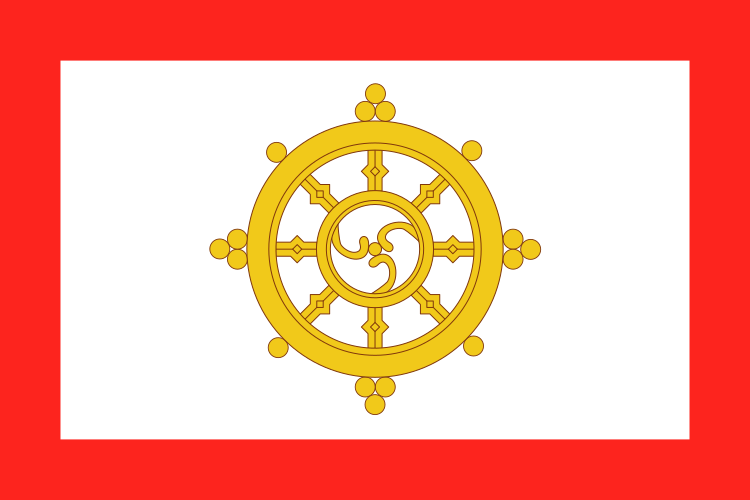
A Himalayan Buddhist kingdom ruled by the Namgyal dynasty for over 300 years, which became the 22nd state of India in 1975.
Empires, kingdoms and republics that once covered part of India.
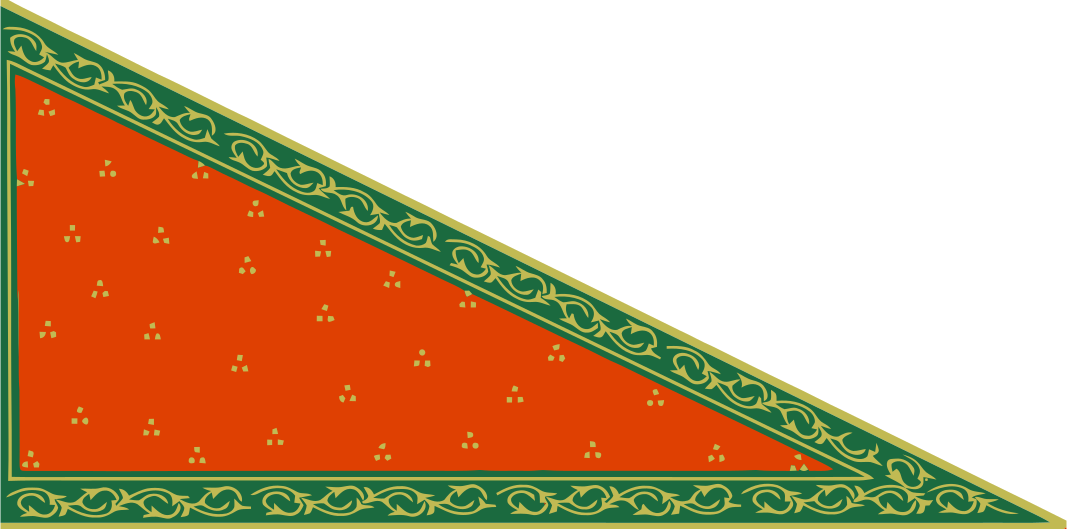
The triangular saffron Nishan Sahib of Ranjit Singh's Punjab empire, which united the Sikh misls and held the Khyber Pass against Afghan invasion.
The yellow 'Asafia' flag of the fabulously wealthy Nizams, the largest princely state of British India, annexed by India in 1948.

A red field with a mountain range and a hand (panja) symbol, flown by the Dogra maharajas whose 1947 accession sparked the still-unresolved Kashmir dispute.
A red field with a white conch shell, the sankha of Vishnu and the dynastic emblem of the south Indian kingdom famed for its temples and backwaters.
The saffron swallow-tailed 'Bhagwa Dhwaj' of Shivaji's empire, which at its peak ruled most of the Indian subcontinent before the British.
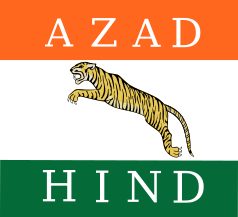
Subhas Chandra Bose's Japanese-allied Provisional Government of Free India flew a saffron-white-green tricolor with a springing tiger.

The series of Muslim dynasties that ruled much of medieval India from Delhi, repelling the Mongols, before the Mughals supplanted them.
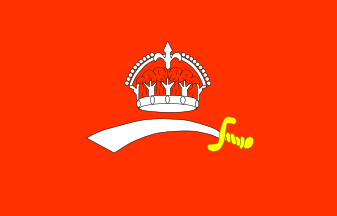
One of the wealthiest princely states of British India, ruled by the Maratha Gaekwad dynasty and famed for a pearl carpet and the gem-studded Star of the South diamond.

The Scindia dynasty's powerful Maratha state in central India, whose flag bears a sun flanked by cobras; its great hilltop fort guarded the route to the Deccan.

The Holkar dynasty's Maratha state, founded by the remarkable queen-regent Ahilyabai Holkar, who built temples and rest-houses across India.
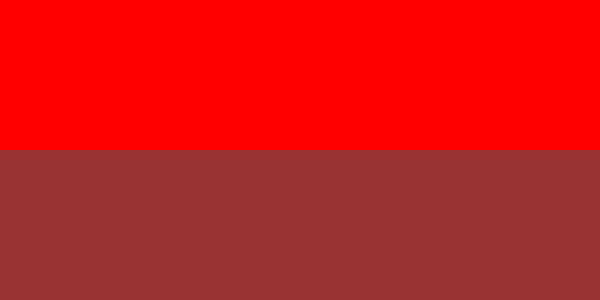
Ruled by the Wadiyar dynasty, the south Indian kingdom flew a flag bearing the mythical Gandaberunda, a two-headed eagle still used as the state emblem of Karnataka.

An ancient kingdom on India's Malabar coast, an early ally of the Portuguese and Dutch, whose spice ports made it one of the wealthiest of the southern Indian states.
The Himalayan kingdom of the Namgyal dynasty flew a flag bearing a Buddhist gankyil and prayer wheel, until a 1975 referendum made it India's 22nd state.
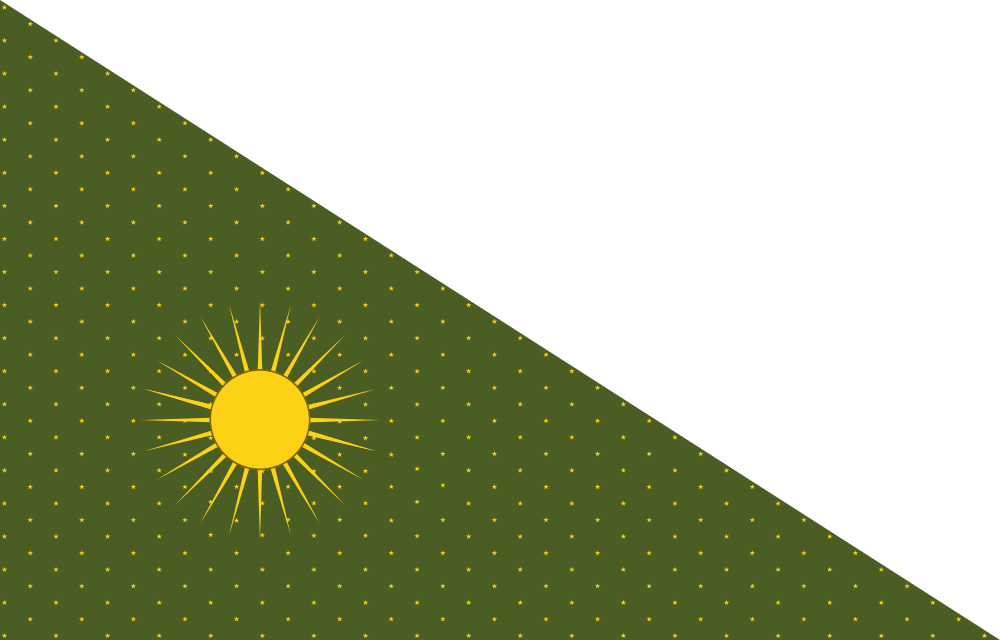
One of history's great empires, ruling most of the Indian subcontinent at its height; its green 'Alam' banner bore a lion and rising sun. Builders of the Taj Mahal, the Mughals were finally deposed by the British after the 1857 rebellion.
India shares a land border with 6 countries: Bangladesh, Bhutan, China, Myanmar, Nepal and Pakistan.
Play Globalio and learn India's flag Bangladesh
 Bhutan
 China
 Myanmar
 Nepal
 Pakistan