Africa
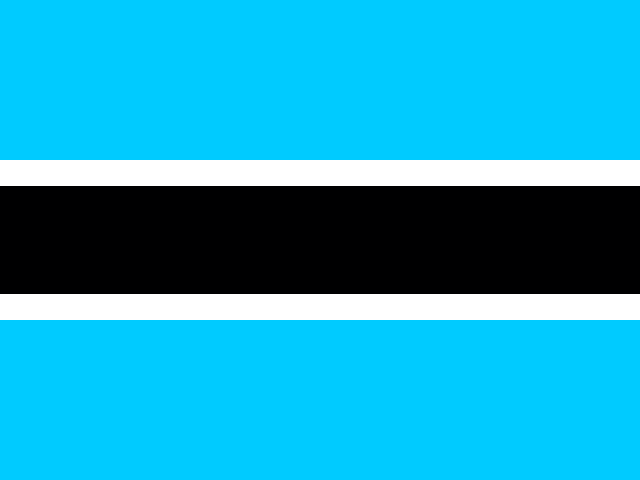
Flag of Botswana
Botswana is a landlocked country in Southern Africa that has undergone one of history's most remarkable development transformations, going from one of Africa's poorest nations at independence in 1966 to a middle-income country driven by diamond mining and stable governance. It is home to the Okavango Delta, one of the world's largest inland deltas, which floods seasonally to create an extraordinary wildlife-rich oasis in the Kalahari Desert. Botswana has maintained democratic governance since independence.
- CapitalGaborone
- RegionAfrica
- Current flag since1966
- Main coloursBlue, White, Black
- Populationabout 2.6 million
- Areaabout 582,000 km²
- GeographyLandlocked
- Flags in history2
Population and area are rounded.
What the flag of Botswana means
The light blue stands for water, especially rain, echoing the national motto “Pula”, which means rain in Setswana. The black and white stripes represent the harmony of people of different races, and also recall the coat of the zebra, the national animal. Adopted at independence from Britain in 1966, it is one of the few African flags that does not use the Pan-African colours.
More about the flag
Botswana, the former British protectorate of Bechuanaland, became independent on 30 September 1966. Its flag deliberately stands apart from the black, green and gold of many liberation movements, reflecting a peaceful transition to independence. Diamonds discovered soon after independence turned it from one of the poorest countries in the world into one of Africa's steadiest economies.
How to recognise it
Horizontal light blue-white-black-white-light blue stripes.
Did you know?
Botswana transformed from one of the poorest countries to a middle-income nation in just one generation through diamond revenues.
Easily confused with
Botswana's flag is often mixed up with these. Learn to tell them apart:
Flag history of Botswana
Every flag that has flown over Botswana, from today back through time.
1966–present
Flag of Botswana
First hoisted at independence in 1966. The light blue stands for water and rain (the national motto "Pula" means "let there be rain"); the black band with white edges symbolizes racial harmony. It has never been changed.
1885–1966
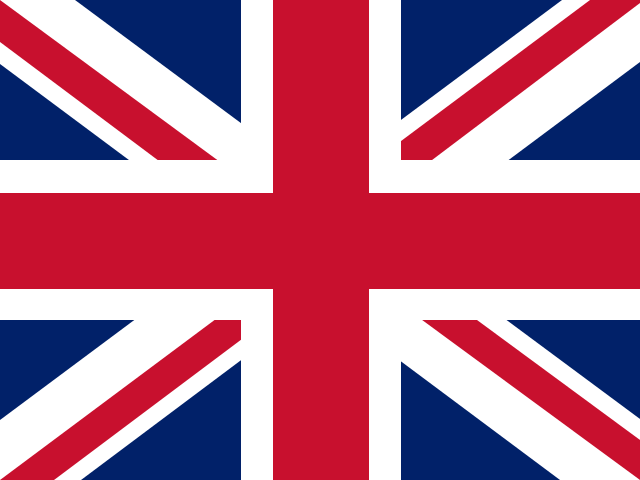
Bechuanaland Protectorate
Botswana was the British Bechuanaland Protectorate from 1885 until independence in 1966, flying the Union Jack. Unusually, Britain never settled or heavily developed the territory — it was administered from Mafeking, a town actually outside its borders in South Africa — which left Botswana to chart its own course at independence.
Neighbouring countries
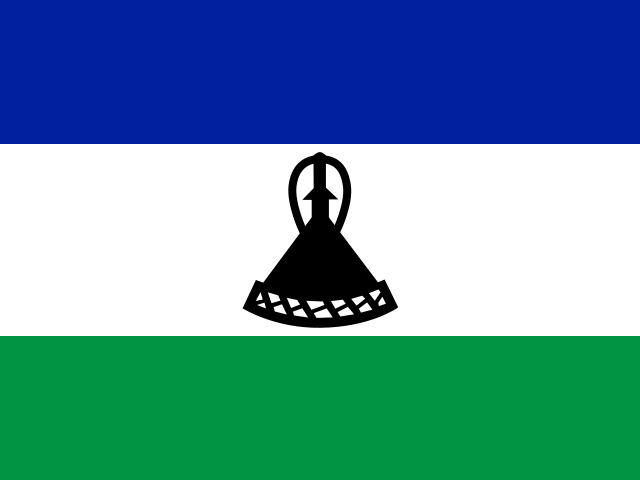
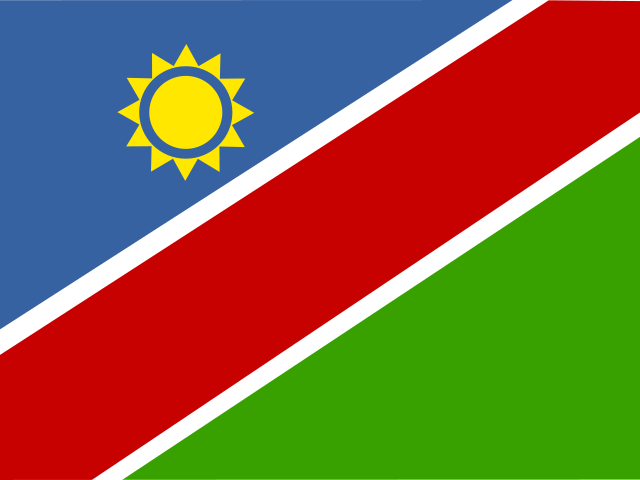
Botswana shares a land border with 4 countries: Namibia, South Africa, Zambia and Zimbabwe.
Other flags in blue, white and black
One other national flag uses the same main colours as Botswana's.
Play Globalio and learn Botswana's flag
 Lesotho
 Namibia
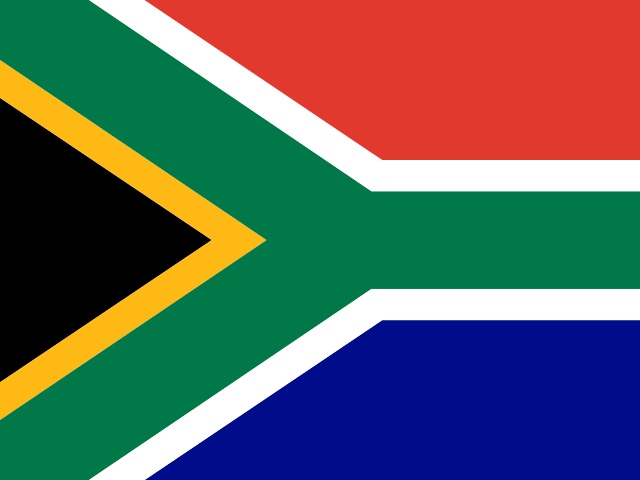 South Africa
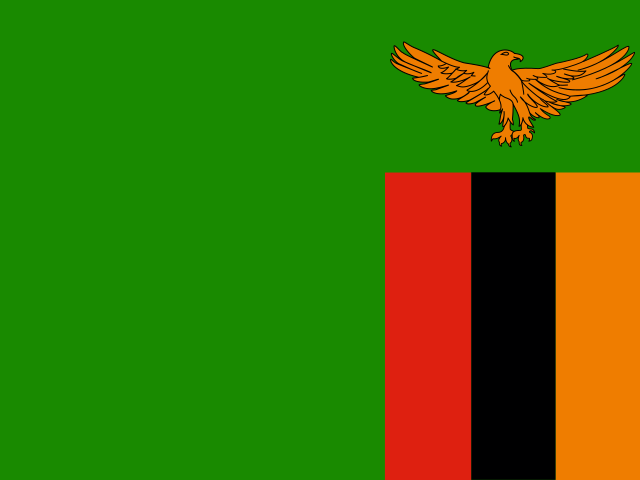 Zambia
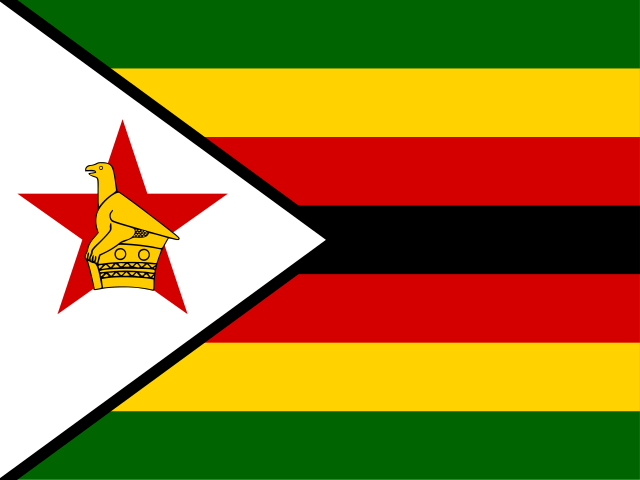 Zimbabwe
 Estonia