Americas
Flag of Barbados
Barbados is the easternmost island in the Caribbean and is widely credited as the birthplace of rum — production from molasses began on Barbadian sugar plantations in the 17th century. The island was continuously under British rule from 1625 until independence in 1966, making it one of the most stable British colonial territories. In 2021, Barbados transitioned from a constitutional monarchy to a republic, with Rihanna — its most famous daughter — named a National Hero.

- CapitalBridgetown
- RegionAmericas
- Current flag since1966
- Main coloursBlue, Yellow, Black
- Populationabout 280,000
- Areaabout 430 km²
- GeographyIsland nation
- Flags in history2
Population and area are rounded.
What the flag of Barbados means
The blue bands stand for the sea and sky and the gold for the sand of the beaches. The trident of Neptune is broken from its shaft to show the break from colonial rule, since the colonial badge had shown a whole trident. The flag was designed by Grantley Prescod and adopted at independence in 1966.
More about the flag
Barbados's flag was raised at midnight on 30 November 1966, when the island became independent. On 30 November 2021 Barbados became a republic, replacing the British monarch as head of state with a president, and kept the same flag. The three points of the trident are officially said to stand for the three principles of democracy: government of, for and by the people.
How to recognise it
Vertical blue-gold-blue with a broken black trident (Neptune's trident) in the centre.
Did you know?
Barbados has the third-oldest parliament in the world still in operation, established in 1639.
Flag history of Barbados
Every flag that has flown over Barbados, from today back through time.
1966–present
Barbados (independence)
Barbados's flag features three vertical bands of blue-gold-blue with a broken trident in the centre — the trident representing Barbados's maritime heritage (the country was known as "Little England" under colonial rule) and the "broken" lower shaft symbolising the break from colonial status. The flag was designed by Grantley Prescod and adopted at independence from Britain on November 30, 1966. In November 2021 Barbados became a republic, but kept the same flag — the trident remained.
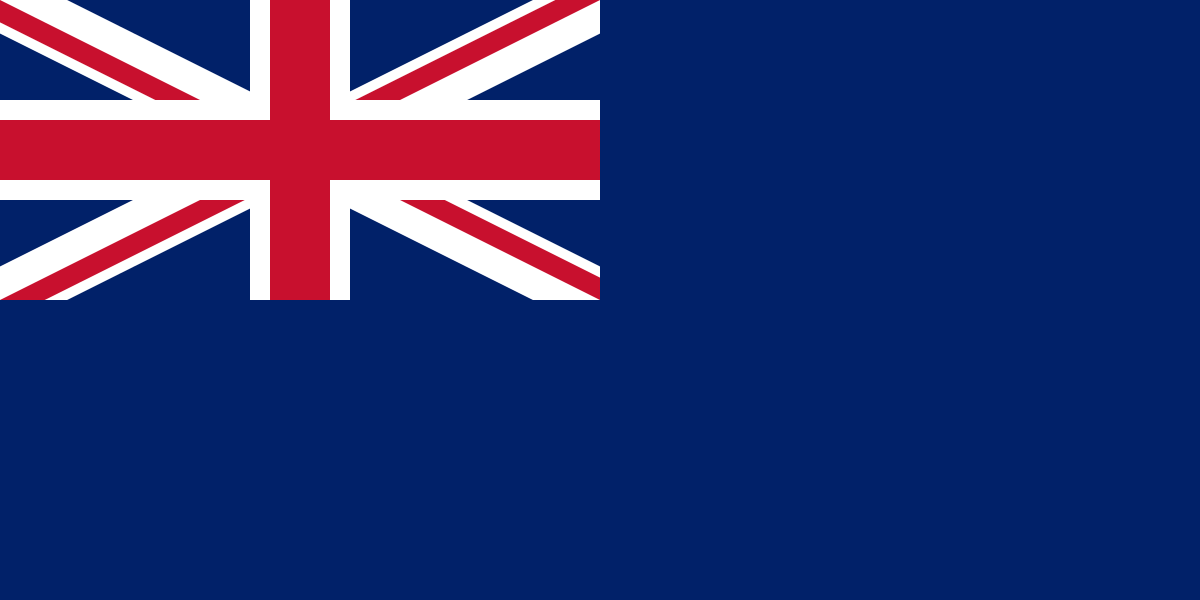
1627–1966
British Barbados (colonial era)
Barbados was an English colony from 1627, one of the earliest and most profitable British Caribbean possessions. At the height of the sugar era in the 18th century, Barbados was Britain's most valuable colonial asset per acre. The island's plantation economy was based entirely on enslaved African labour; by some estimates the island's enslaved population had a life expectancy of just seven years after arrival. Barbados achieved independence peacefully in 1966 and became a republic in 2021.
Other flags in blue, yellow and black
One other national flag uses the same main colours as Barbados'.
Play Globalio and learn Barbados' flag
 Bahamas