Abkhazia
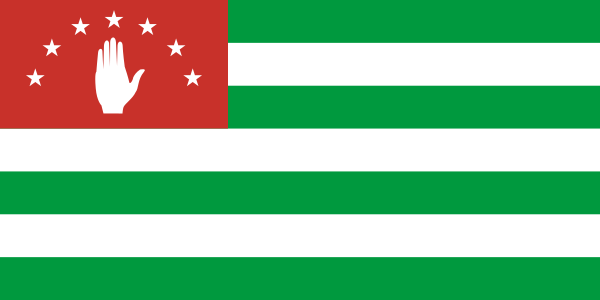
The breakaway Georgian region's flag: seven green and white stripes with a red canton bearing an open hand and seven stars.
Flags of independence movements, breakaway states and autonomous regions. 142 flags, each with its story.
The breakaway Georgian region's flag: seven green and white stripes with a red canton bearing an open hand and seven stars.
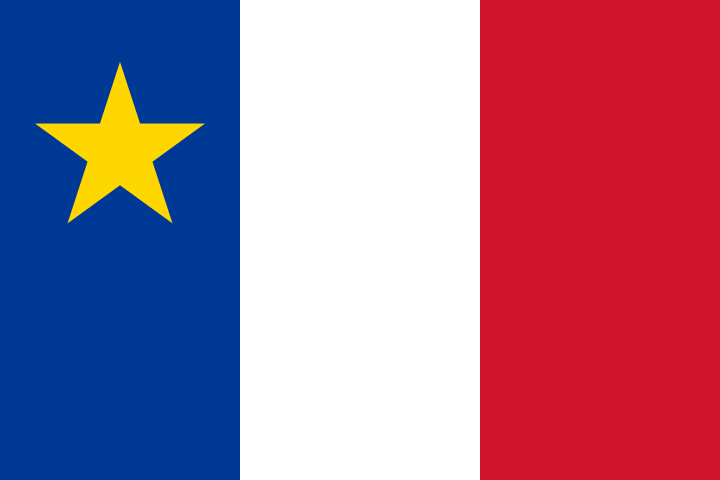
The French tricolour with a gold star, flag of the Acadian people of Atlantic Canada.
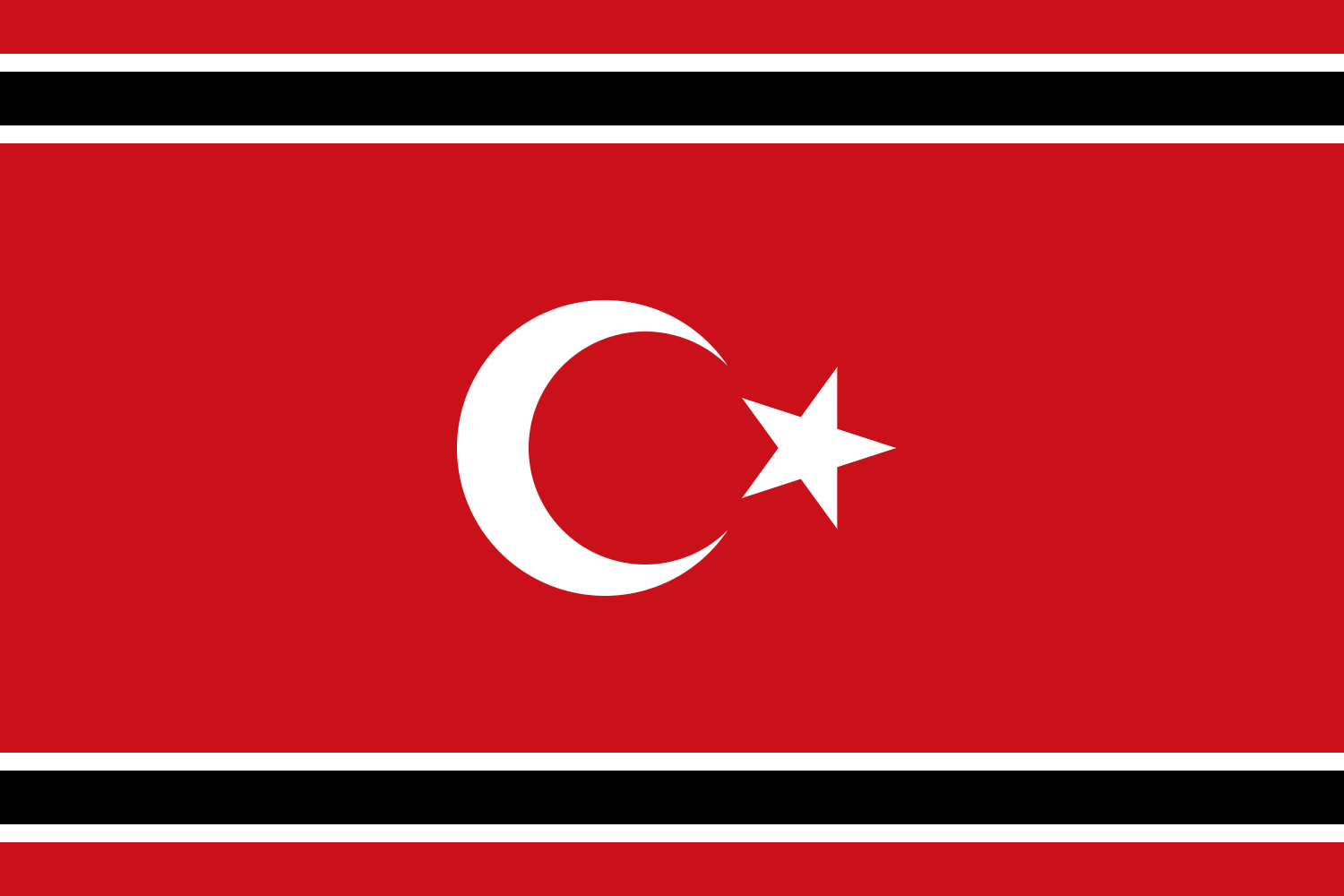
A red field with white and black bands and a star and crescent — banner of the long Acehnese independence struggle in Indonesia.
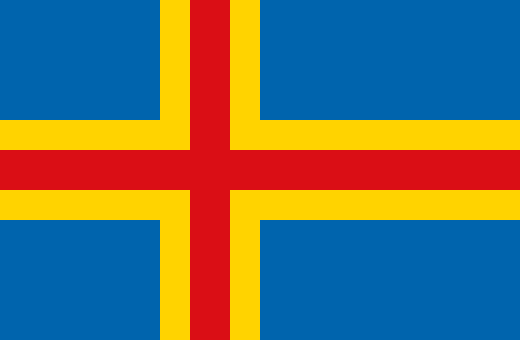
A red Nordic cross over a yellow one on blue — flag of the autonomous, Swedish-speaking Åland Islands of Finland.
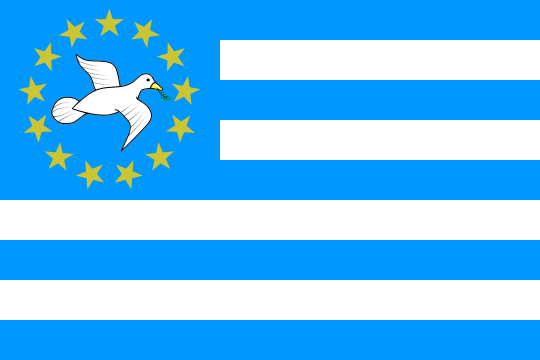
The blue-and-white flag with a dove and thirteen stars, declared by separatists in Cameroon's English-speaking regions.
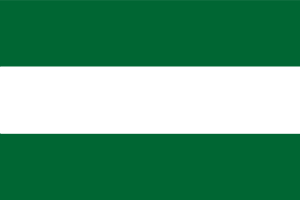
Green-white-green with the coat of arms of Hercules — flag of Spain's most populous autonomous community and of Andalusian nationalism.
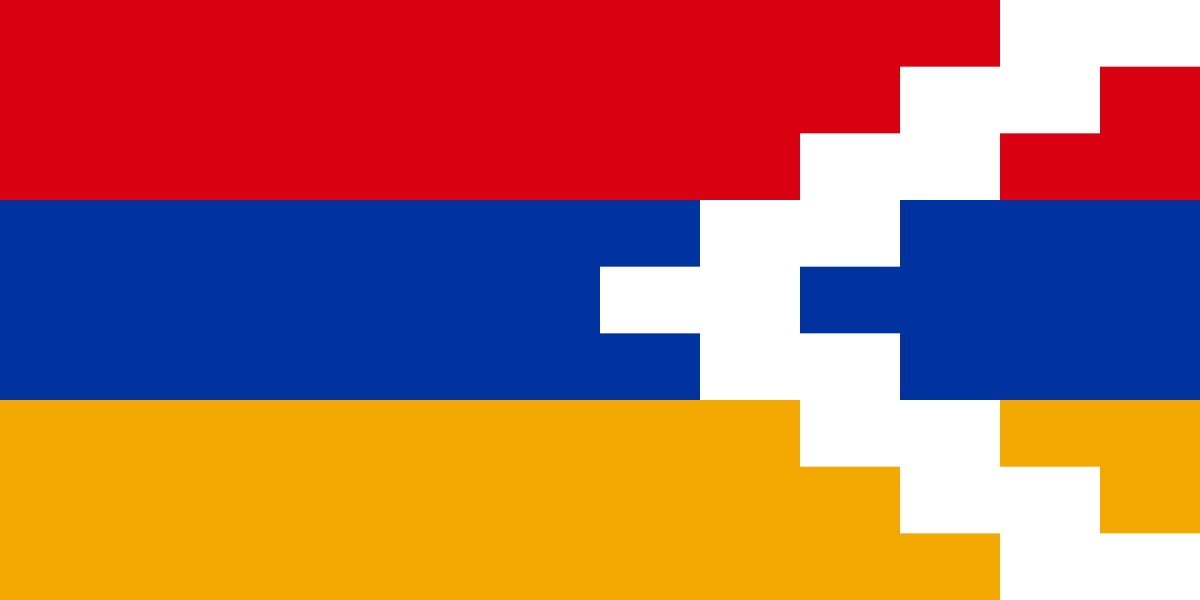
The Armenian tricolour with a white stepped pattern at the fly, used by the self-declared Republic of Artsakh until its dissolution in 2024.
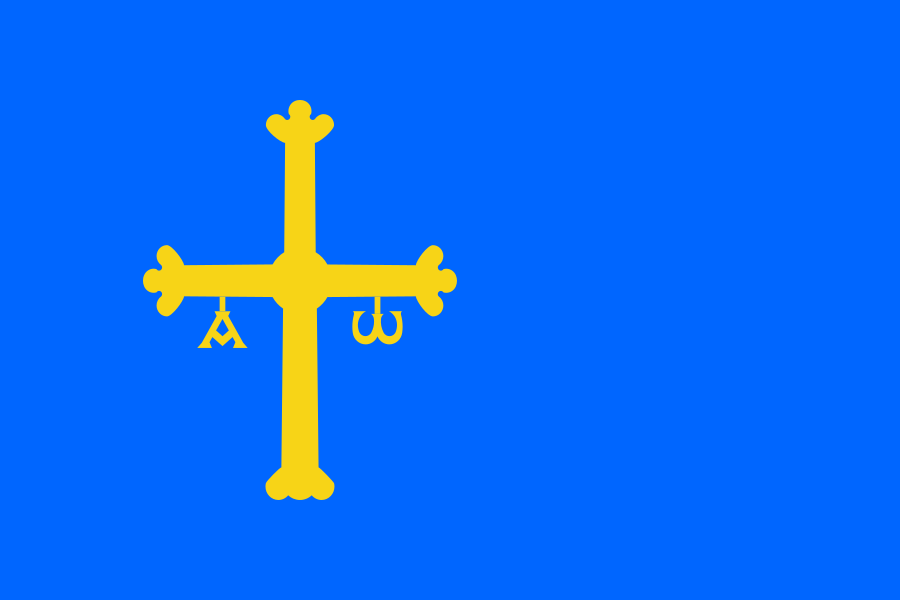
A blue field with the golden Victory Cross — flag of the Principality of Asturias in northern Spain.
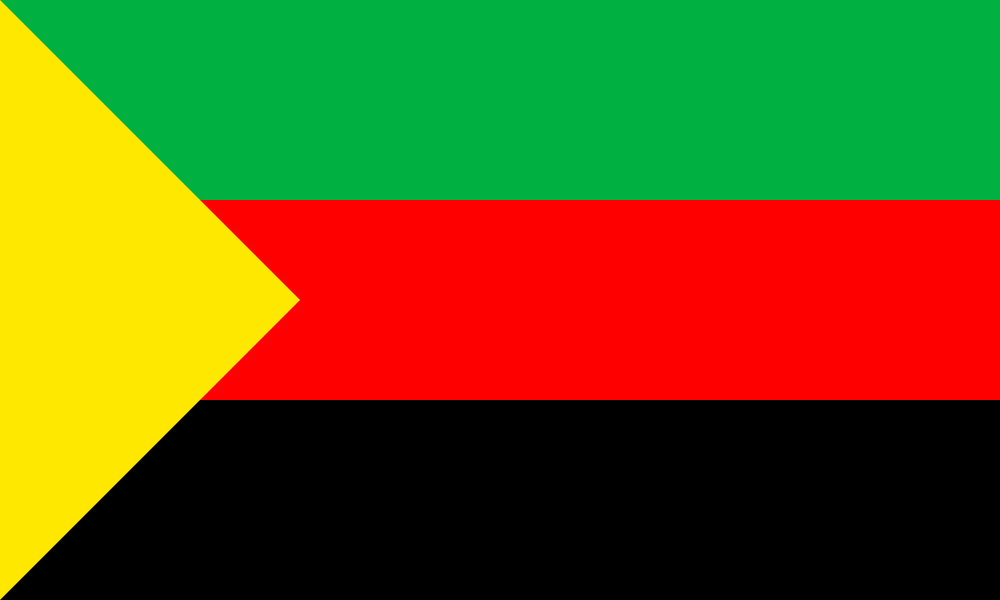
The flag of the Tuareg state declared in northern Mali in 2012, which survived only months before being overrun.
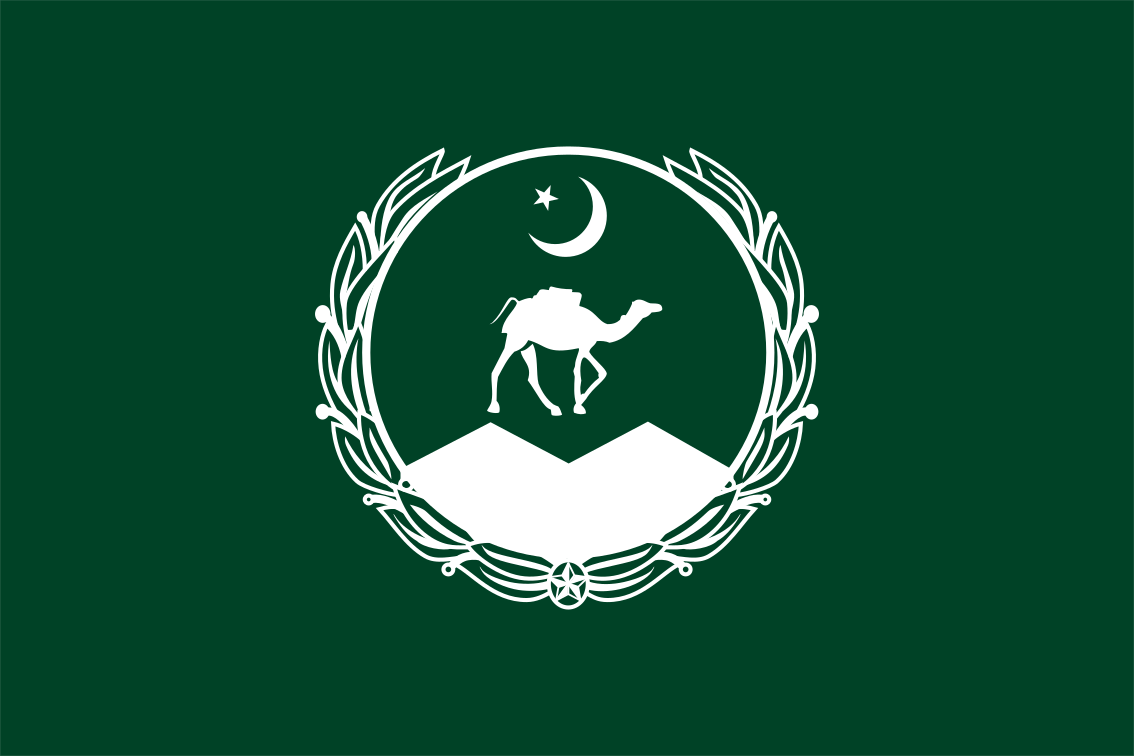
A symbol of Baloch nationalism spanning Pakistan, Iran and Afghanistan.
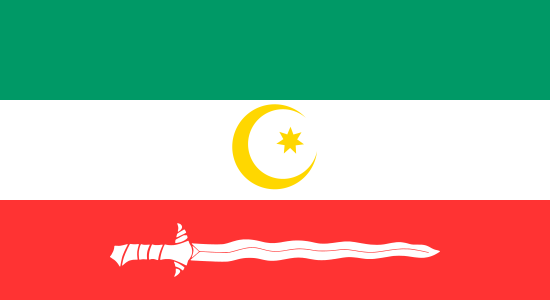
Green with a yellow sword, crescent and seven-rayed star — flag of the Bangsamoro autonomous region of the southern Philippines.
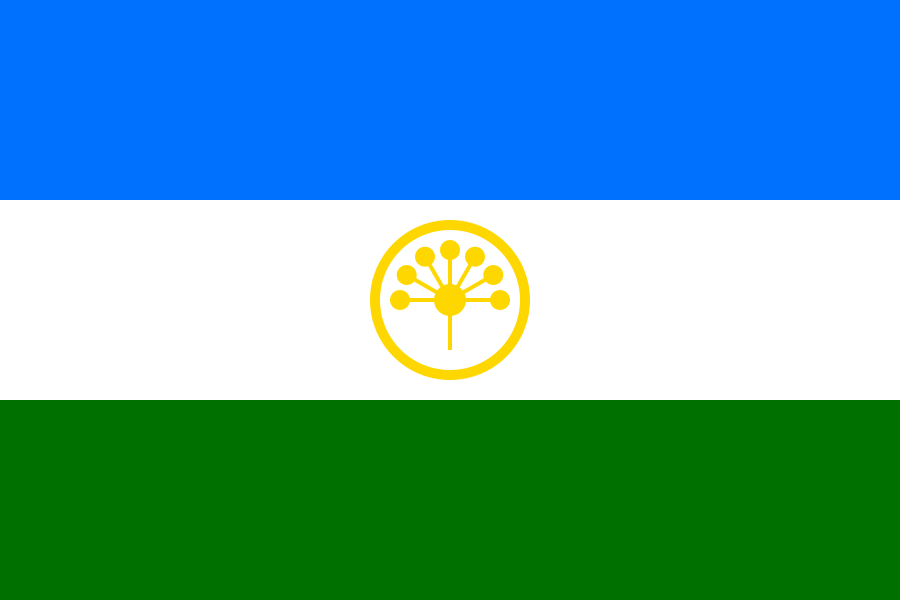
Blue-white-green with a golden kurai flower — flag of the Bashkir republic within Russia.
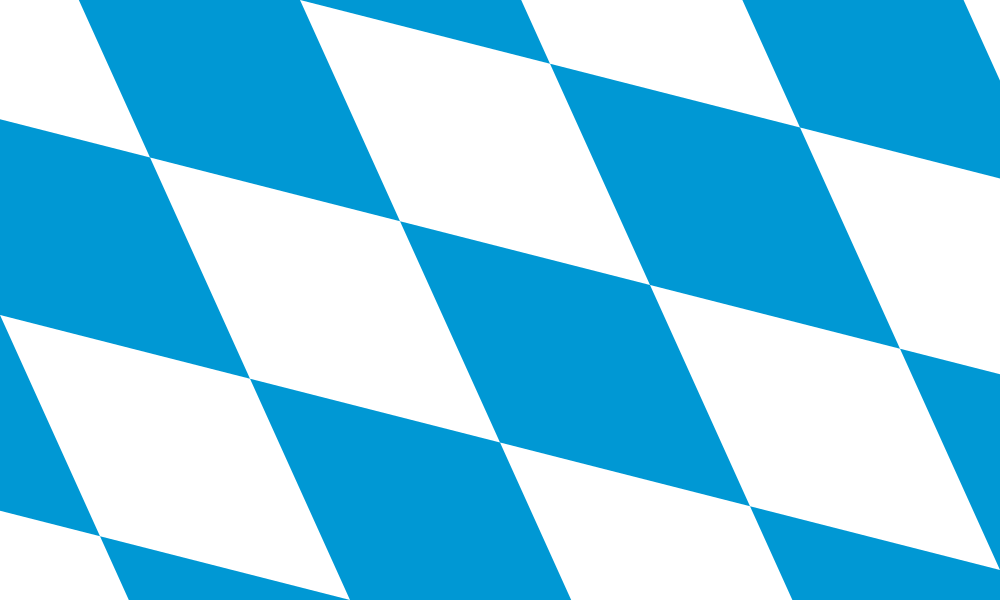
The white-and-blue diamond pattern of the German Free State of Bavaria, whose regionalist Bavaria Party has long sought independence.

Red-black-green with a rising golden sun — flag of the short-lived Republic of Biafra (1967–70) and of present-day south-eastern Nigerian separatism.
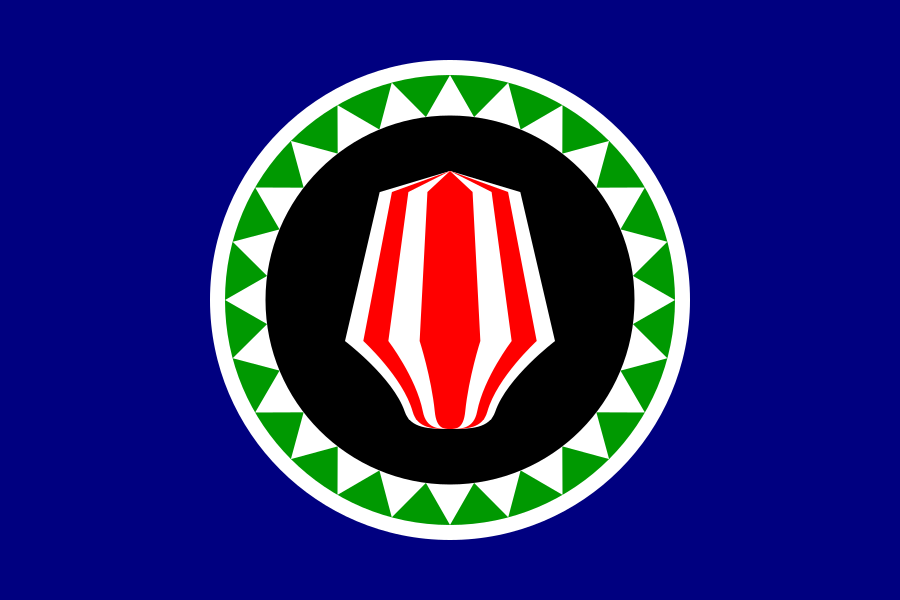
Flag of the autonomous region of Papua New Guinea that voted ~98% for independence in 2019; the central upe is a traditional ceremonial headdress.
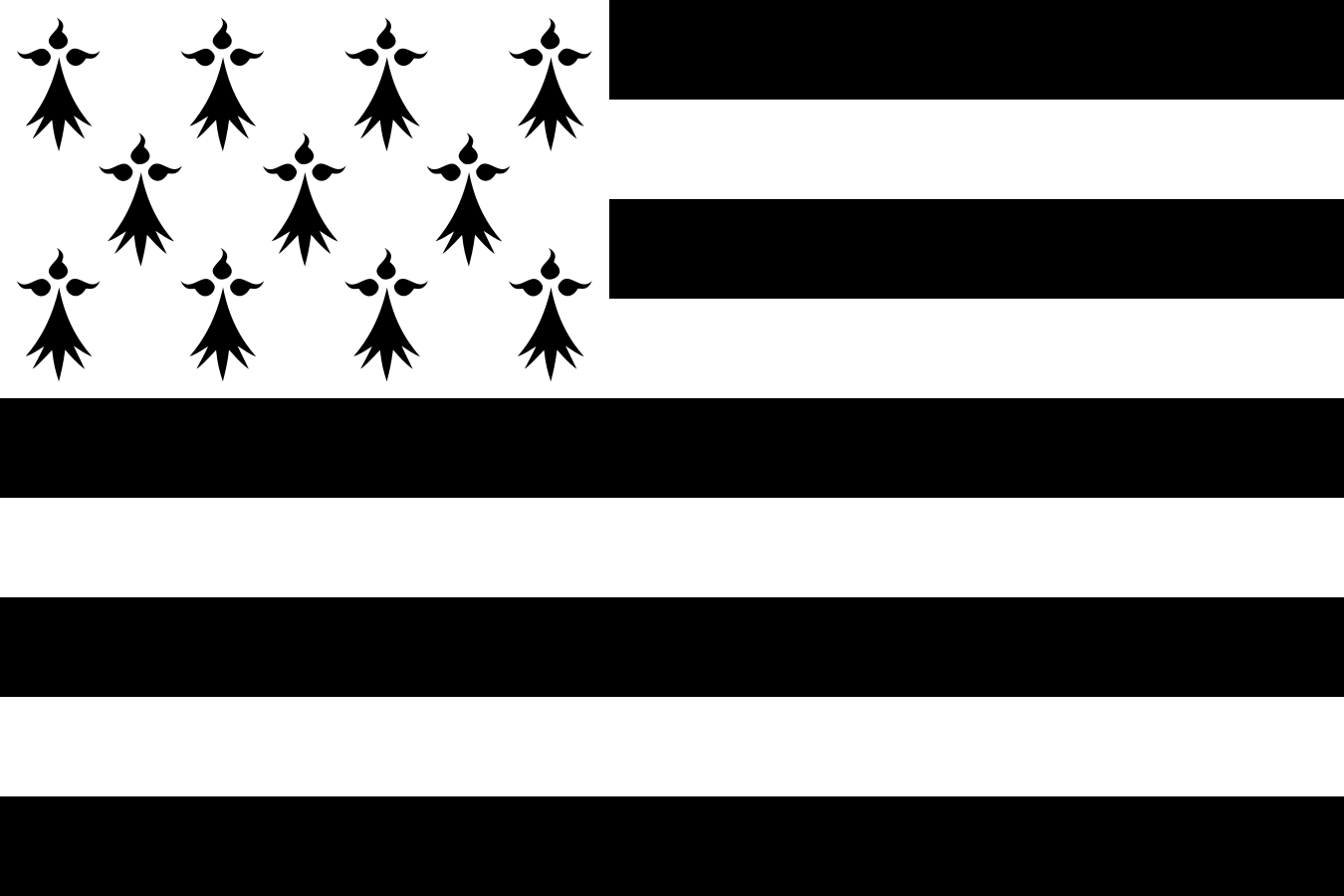
The 'White and Black': nine stripes for Brittany's historic dioceses and a field of black ermine spots. Designed in 1923, now the region's everyday flag.
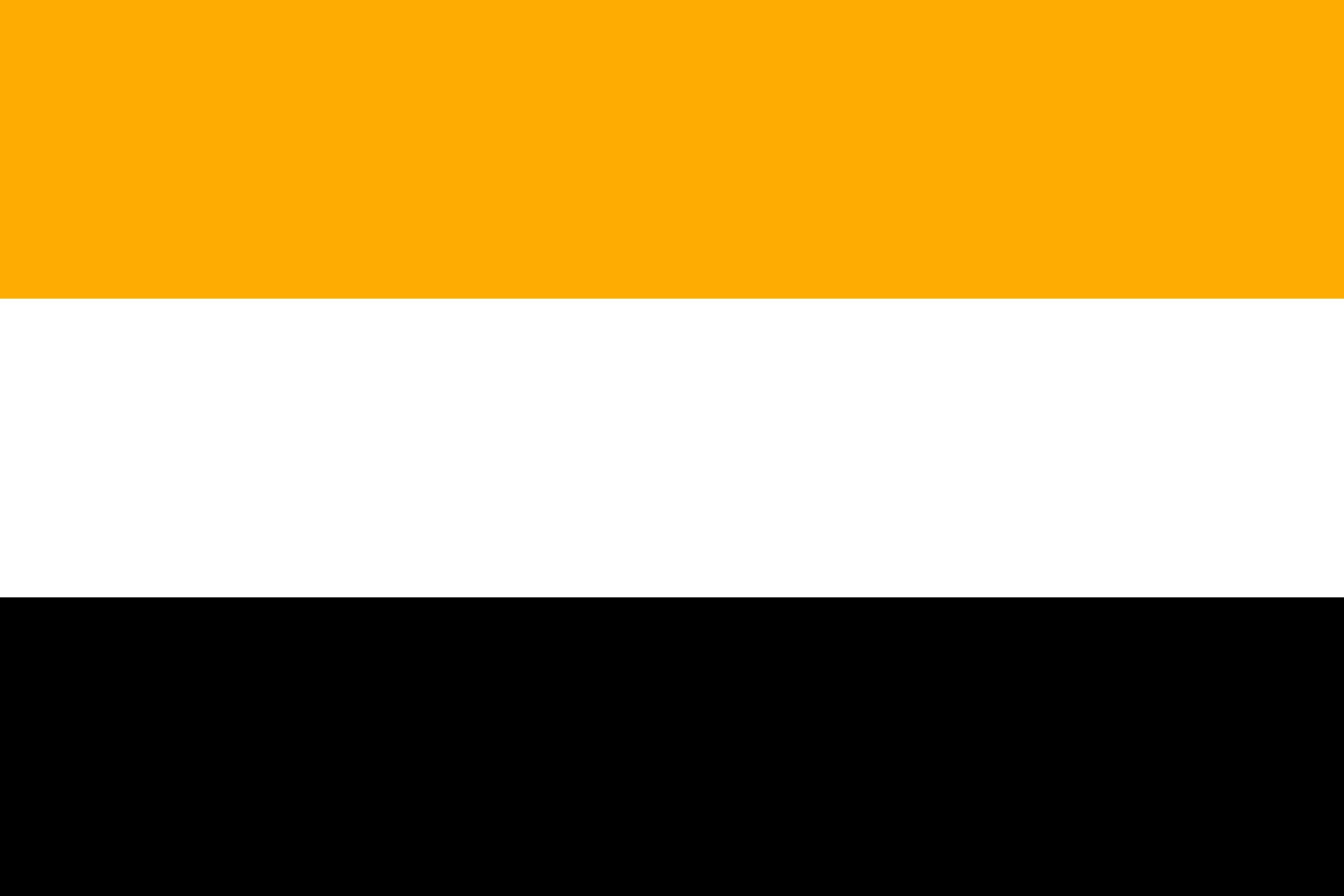
The flag of the oil-rich Angolan exclave whose separatists have long sought independence, bearing the Simulambuco monument.
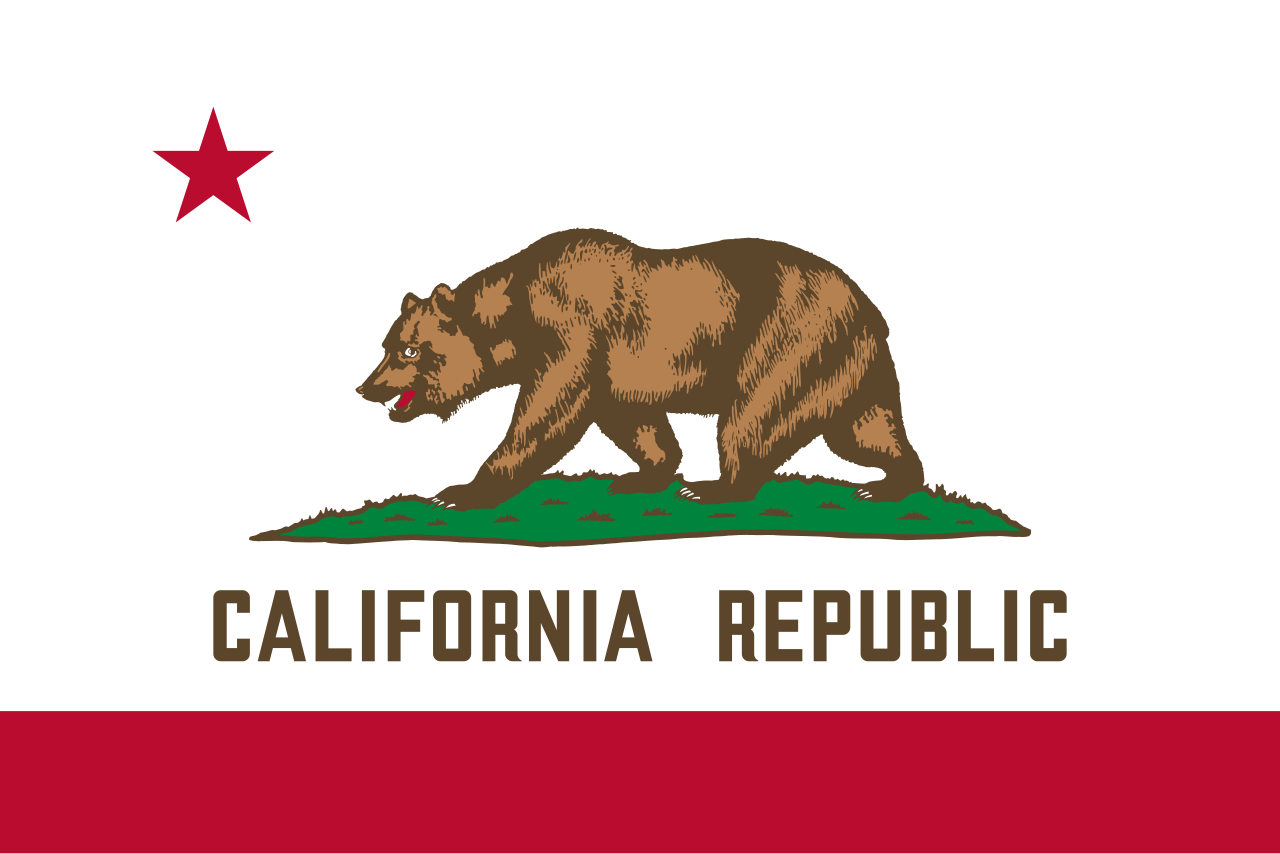
The Bear Flag of the short-lived 1846 California Republic, now the state flag and a 'Calexit' symbol.
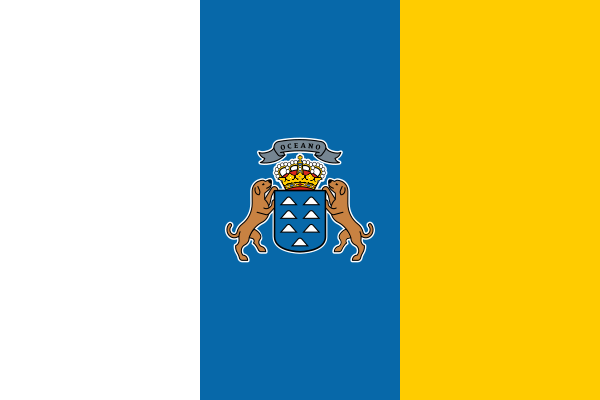
White-blue-yellow vertical bands for the Spanish archipelago off Africa; independence groups fly a seven-green-star variant.
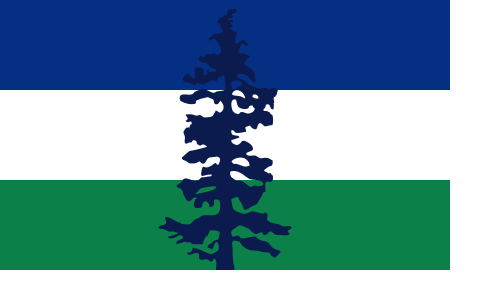
The blue-white-green 'Doug' flag with a Douglas fir, emblem of the Pacific Northwest bioregional movement spanning the US and Canada.
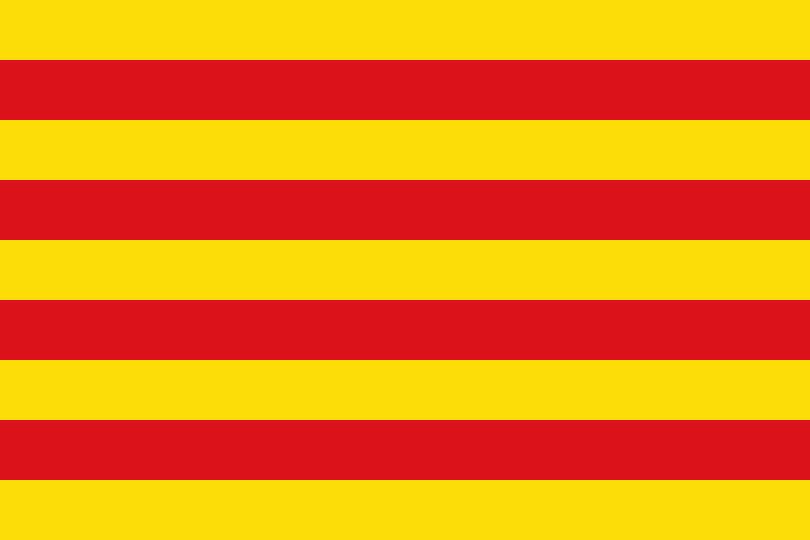
Four red bars on gold — one of Europe's oldest flags and the official banner of Catalonia.
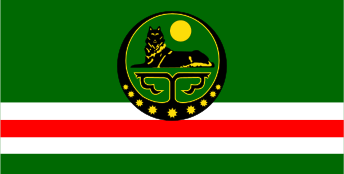
The green flag of the 1990s separatist Chechen republic, still flown by those who reject Russian rule over Chechnya.
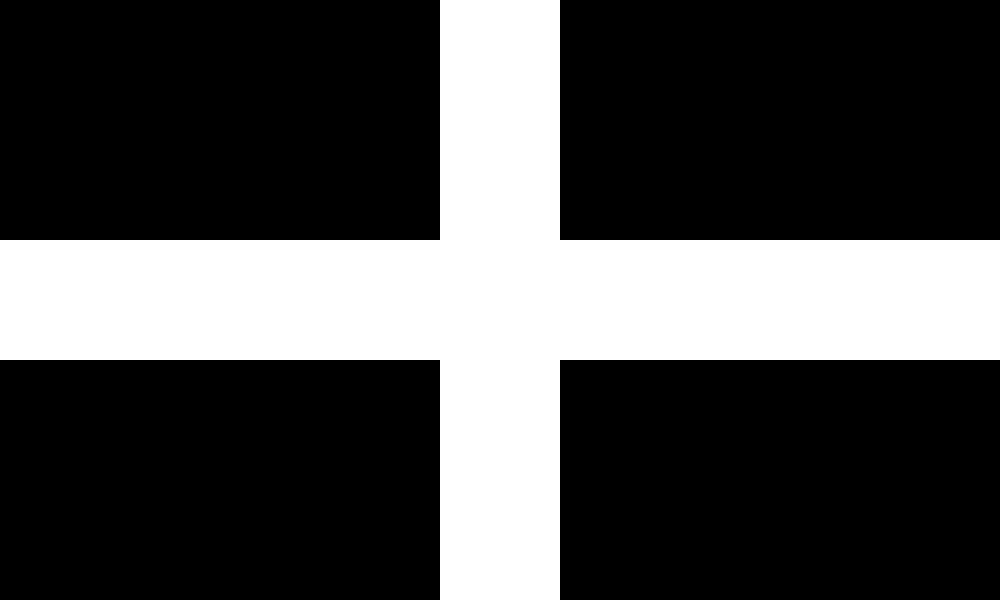
A white cross on black, said to represent tin (white) running from ore (black). The banner of Cornish identity and the Cornish self-government movement.
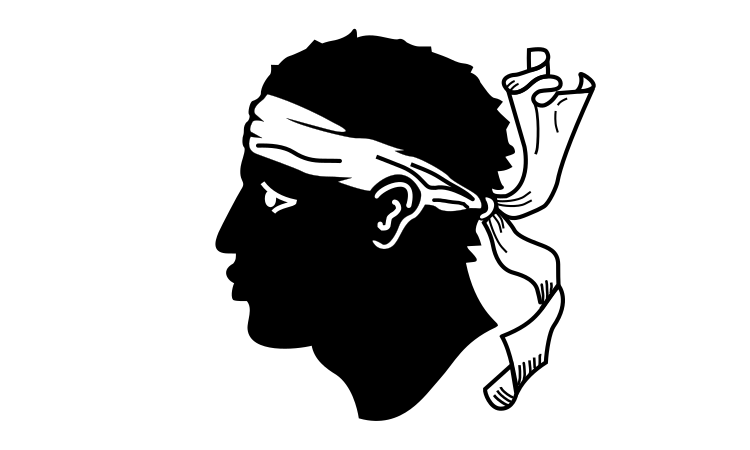
A black Moor's head with a white bandana on white — adopted by Corsican nationalist Pasquale Paoli in 1755 and a symbol of the island's autonomy movement.
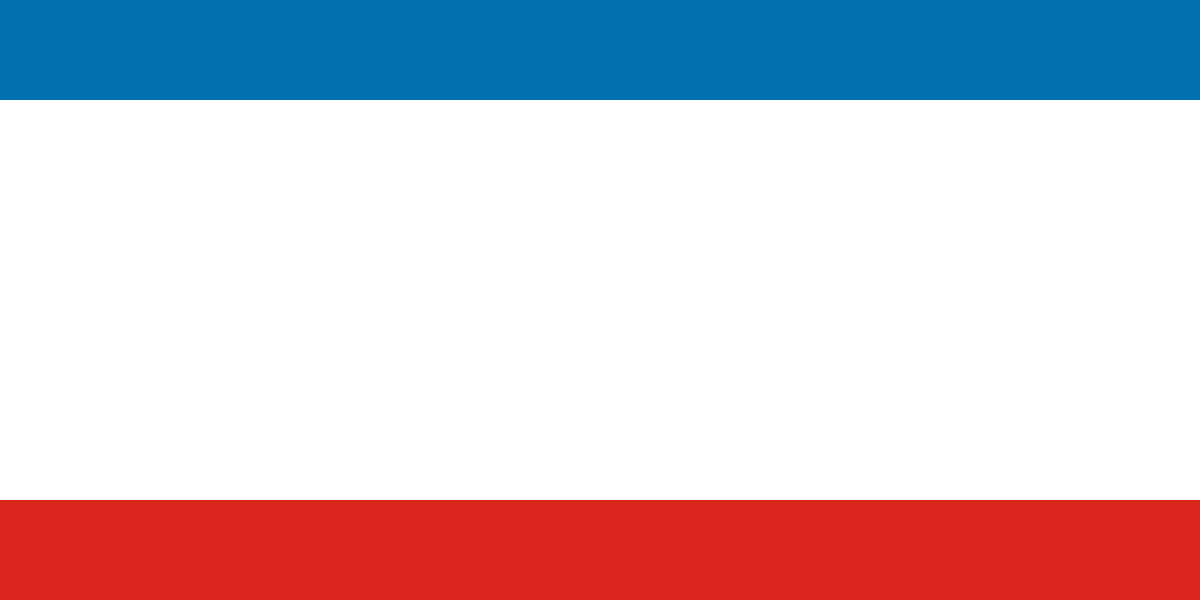
The flag of the contested Crimean peninsula, annexed by Russia in 2014.
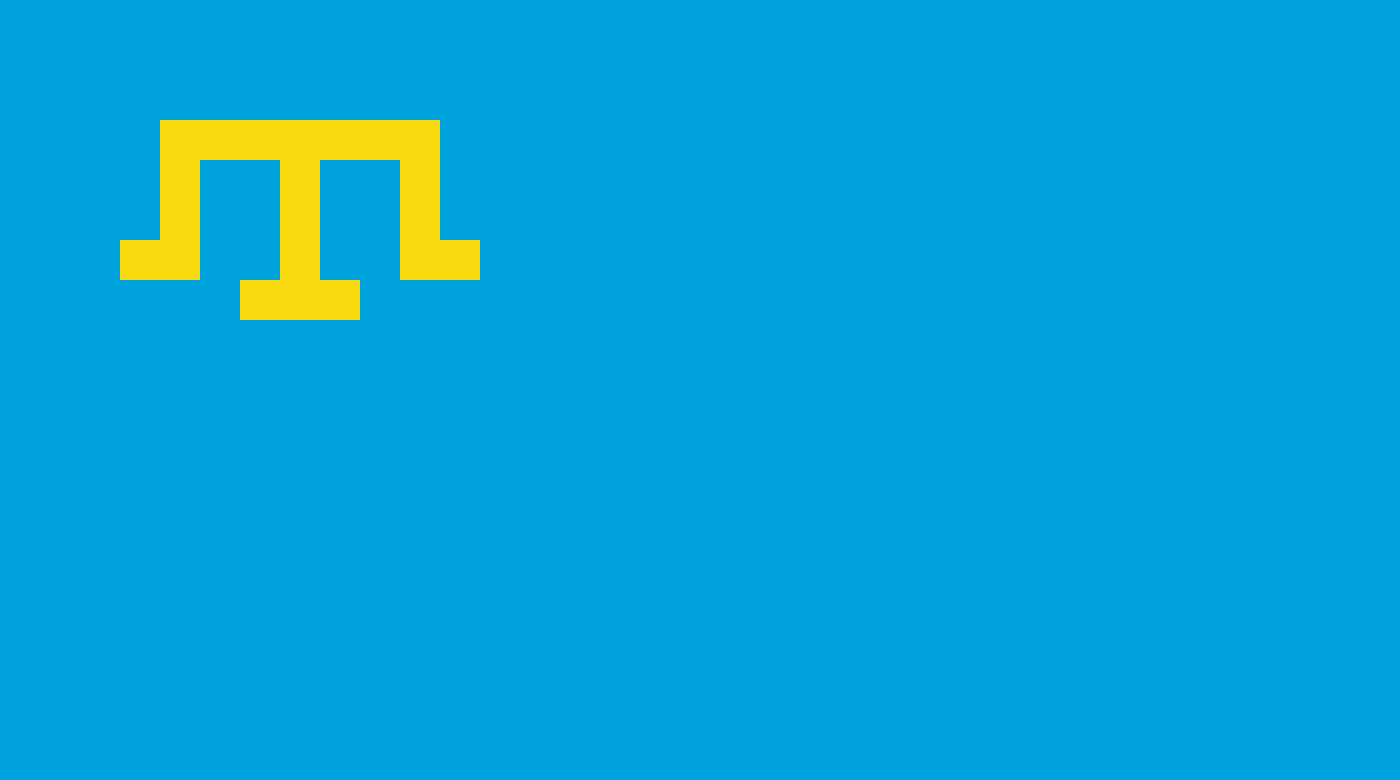
A golden tamga (clan seal) on light blue — emblem of the Indigenous Crimean Tatar people of the Black Sea peninsula.
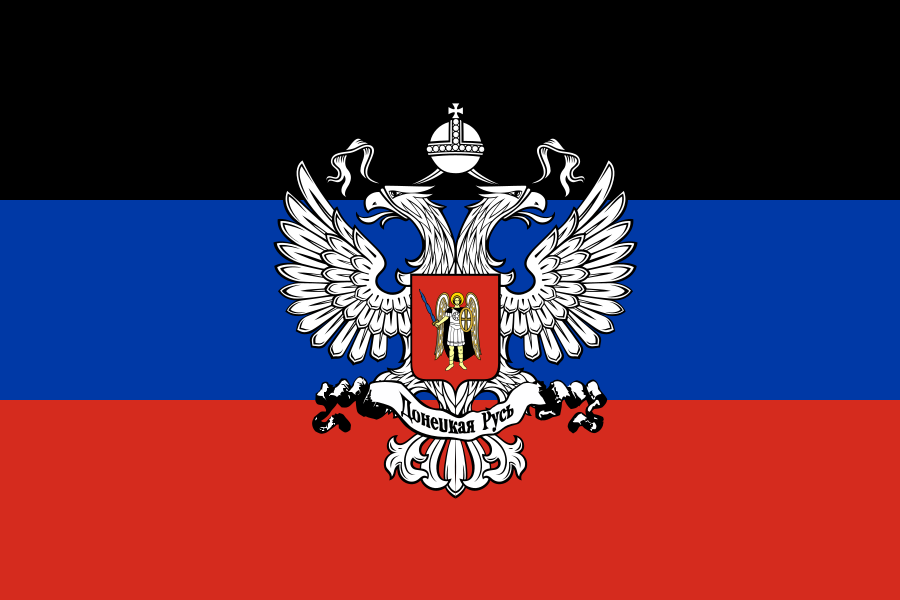
The black-blue-red banner of the Russian-backed breakaway in eastern Ukraine's Donbas.
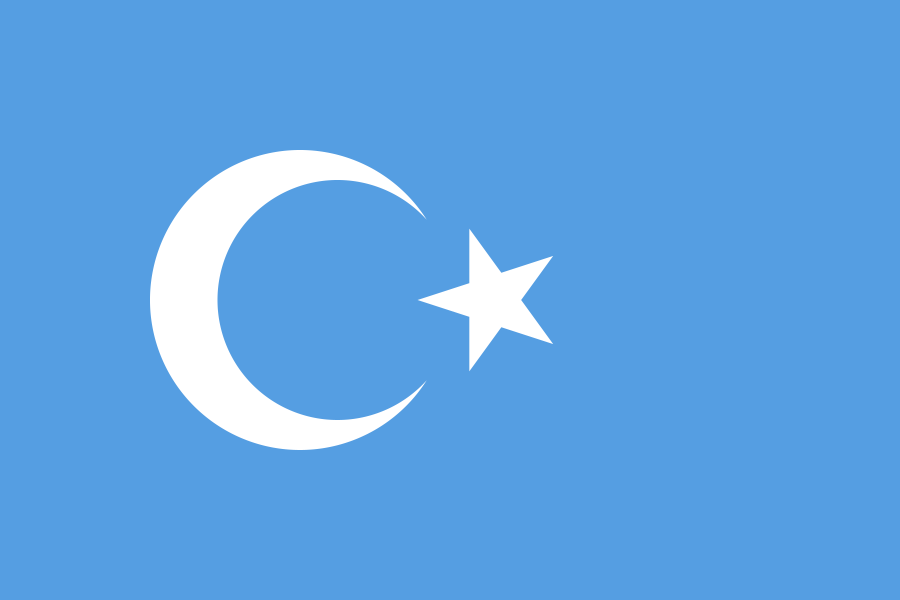
A sky-blue flag with a white crescent and star, the banner of the Uyghur independence movement in China's Xinjiang region.
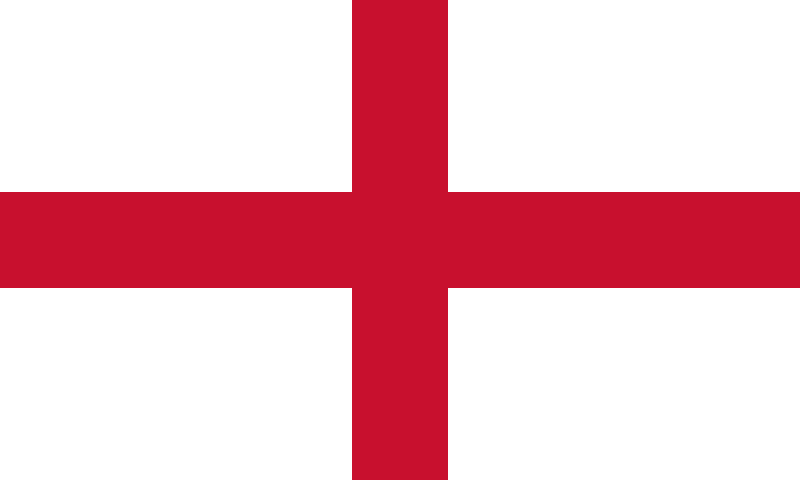
The red St George's cross on white — the flag of England within the United Kingdom.
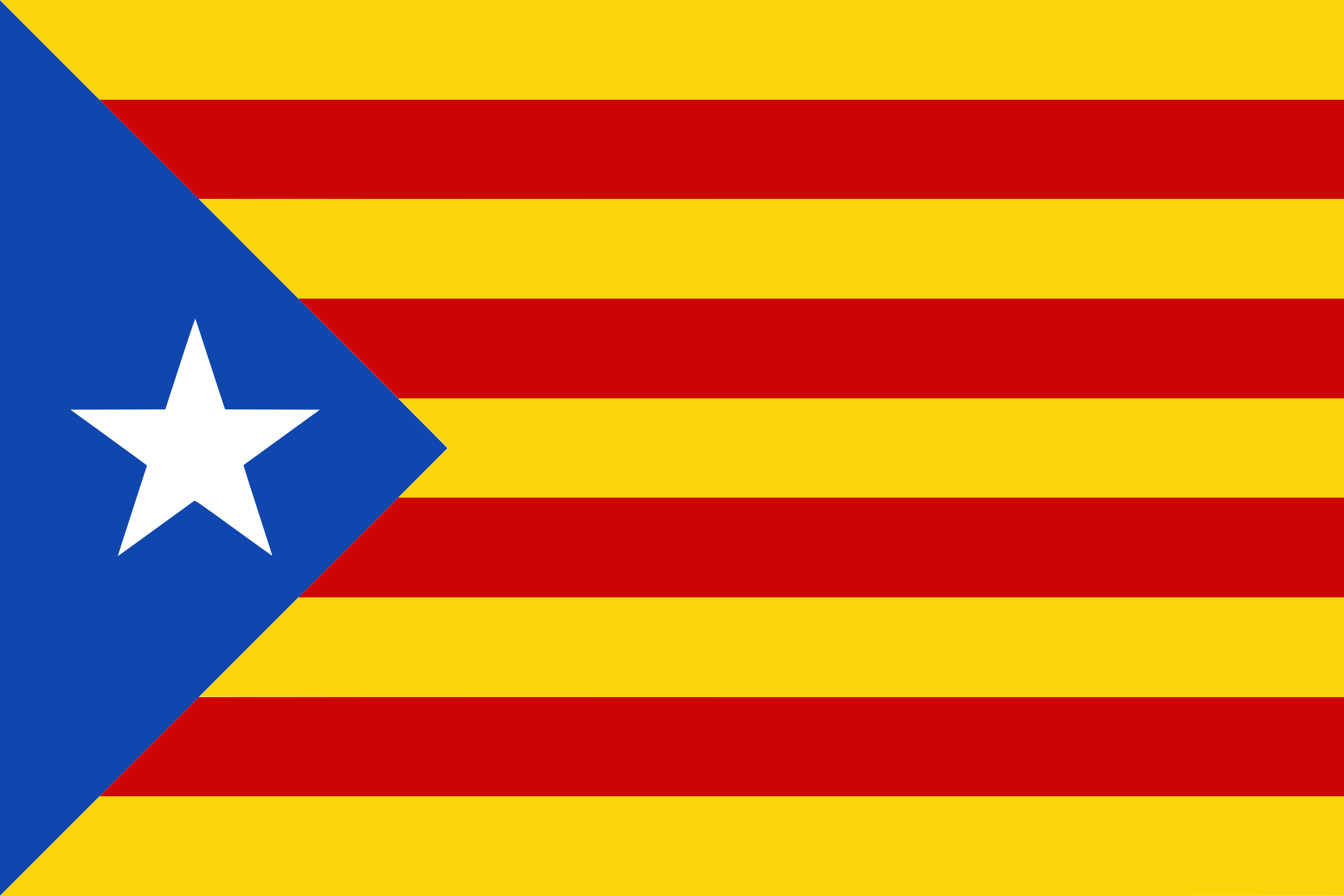
The Catalan independence flag: the red-and-yellow Senyera with a blue triangle and white star at the hoist, inspired by the Cuban and Puerto Rican flags.
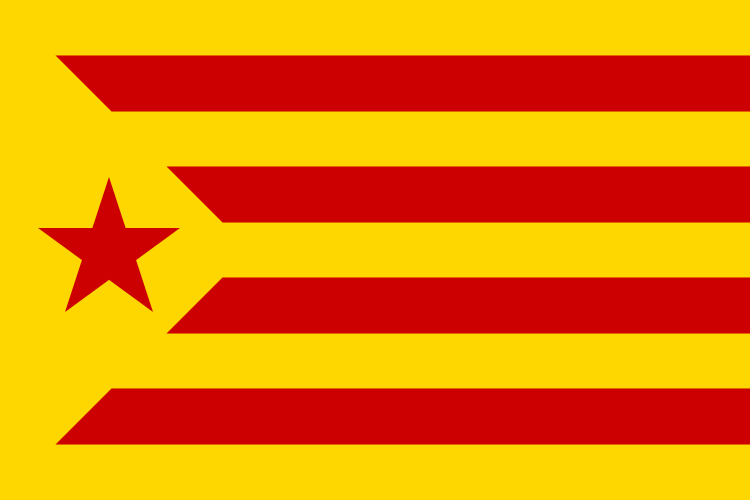
The left-wing, socialist variant of the Catalan independence flag, with a yellow triangle and a red star.
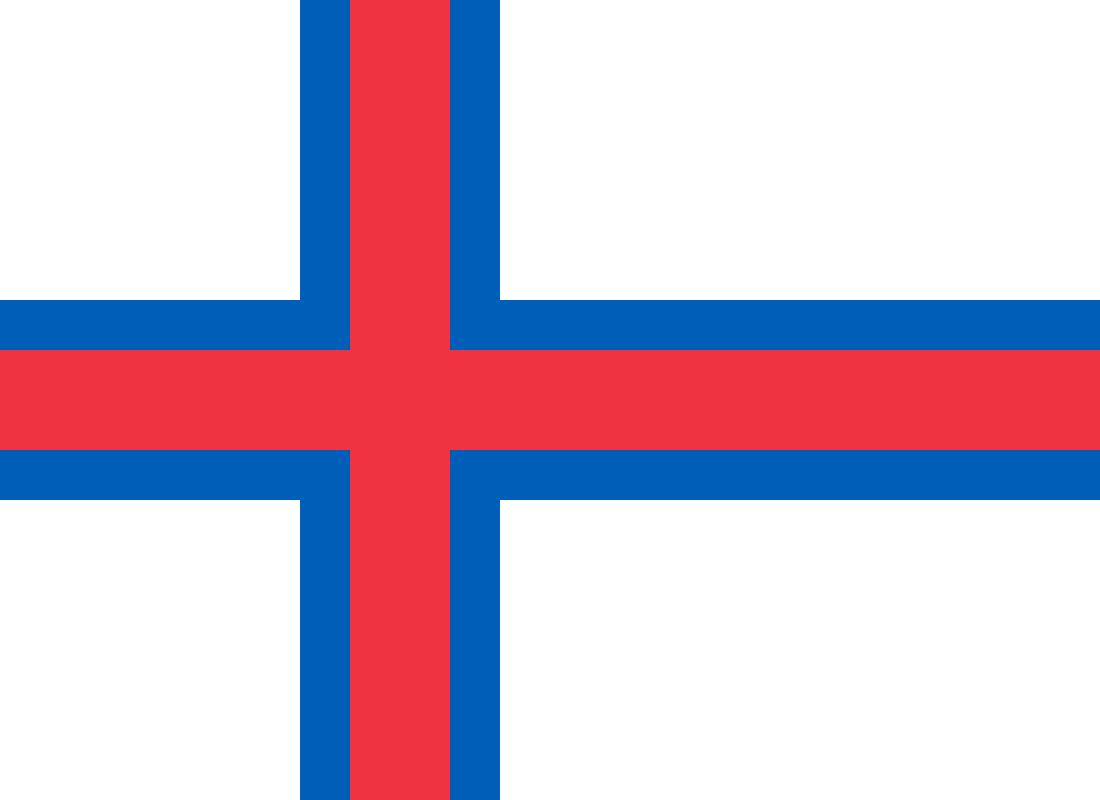
A red-and-blue Nordic cross on white for the self-governing Faroe Islands, an autonomous nation within the Kingdom of Denmark.
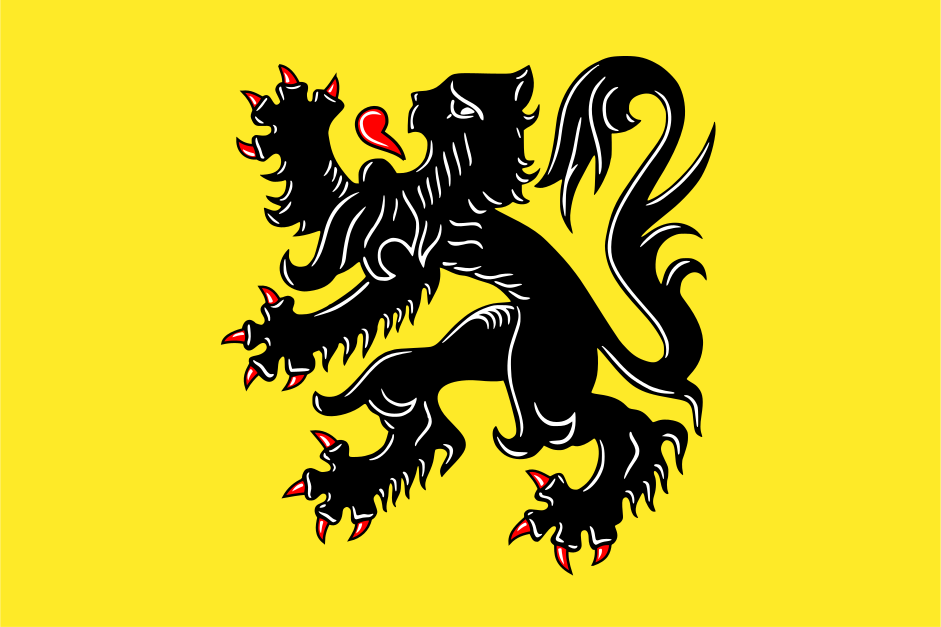
A black lion on yellow — emblem of Dutch-speaking Flanders and the Flemish Movement within Belgium.
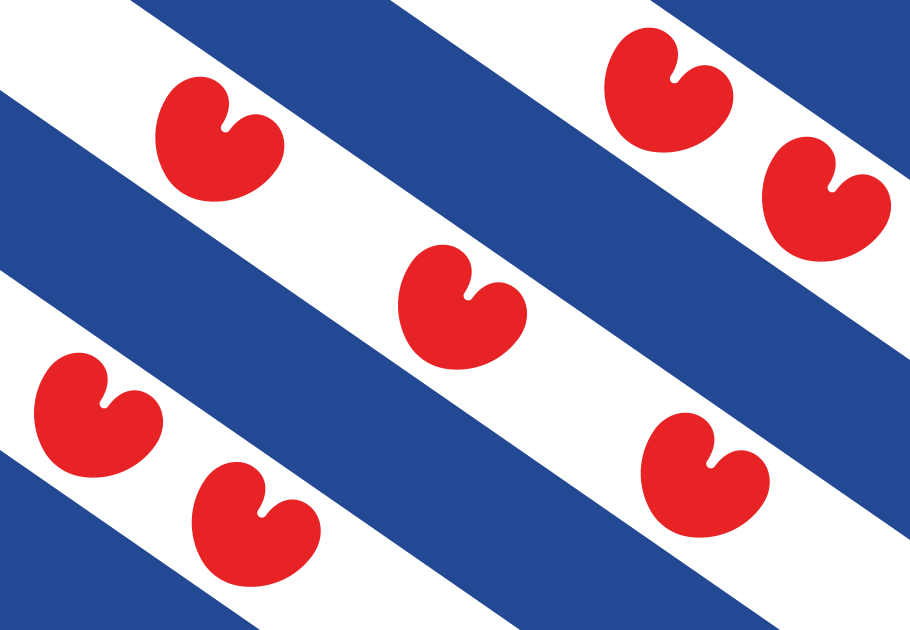
Diagonal blue-and-white stripes strewn with red pompeblêden (water-lily leaves) — flag of the Frisian people of the Netherlands.
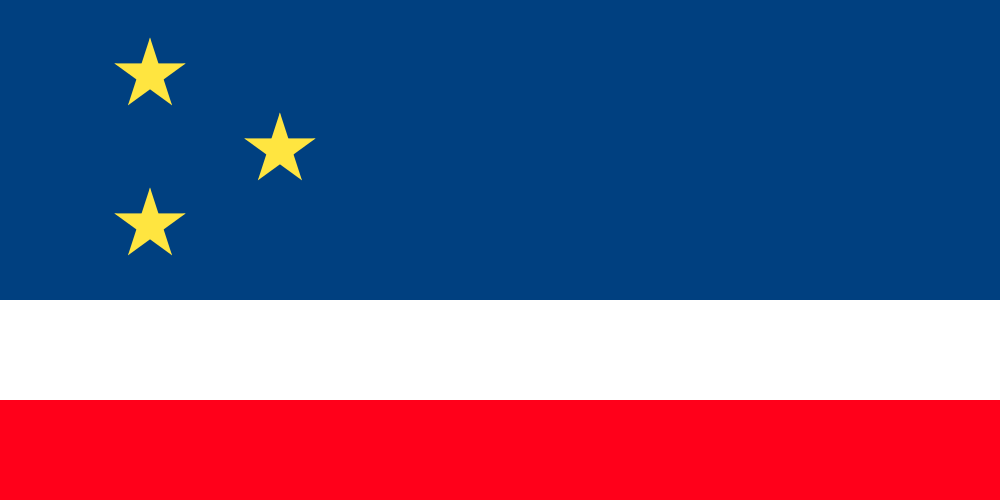
The flag of the Turkic Christian autonomous region of Moldova: blue-white-red with three yellow stars at the hoist.
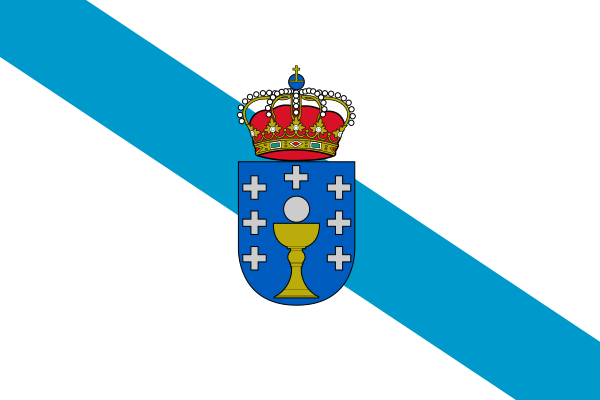
A blue diagonal stripe on white — flag of the Celtic-rooted autonomous community of north-west Spain.
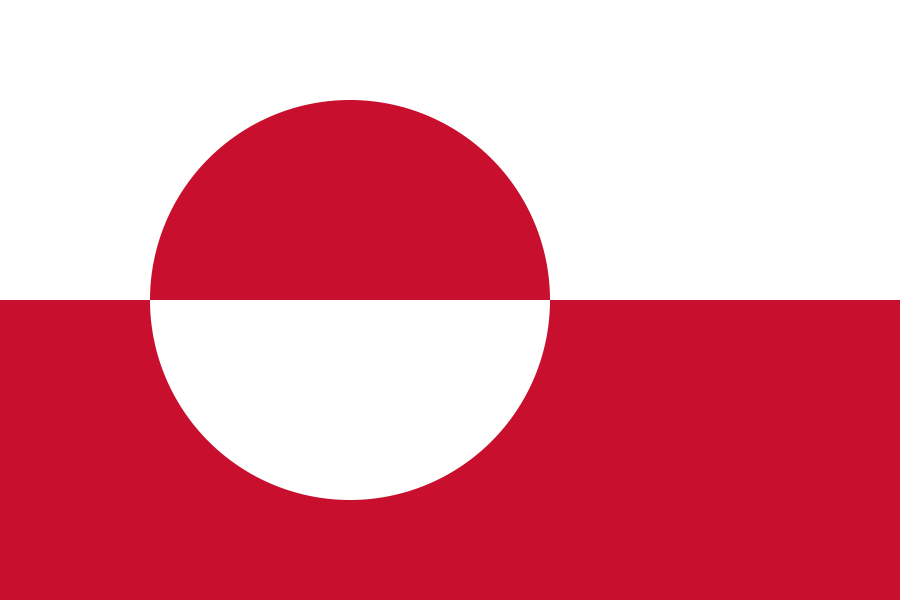
Red-and-white halves with an offset circle evoking the midnight sun on ice — flag of autonomous Greenland (Kalaallit Nunaat), adopted 1985.
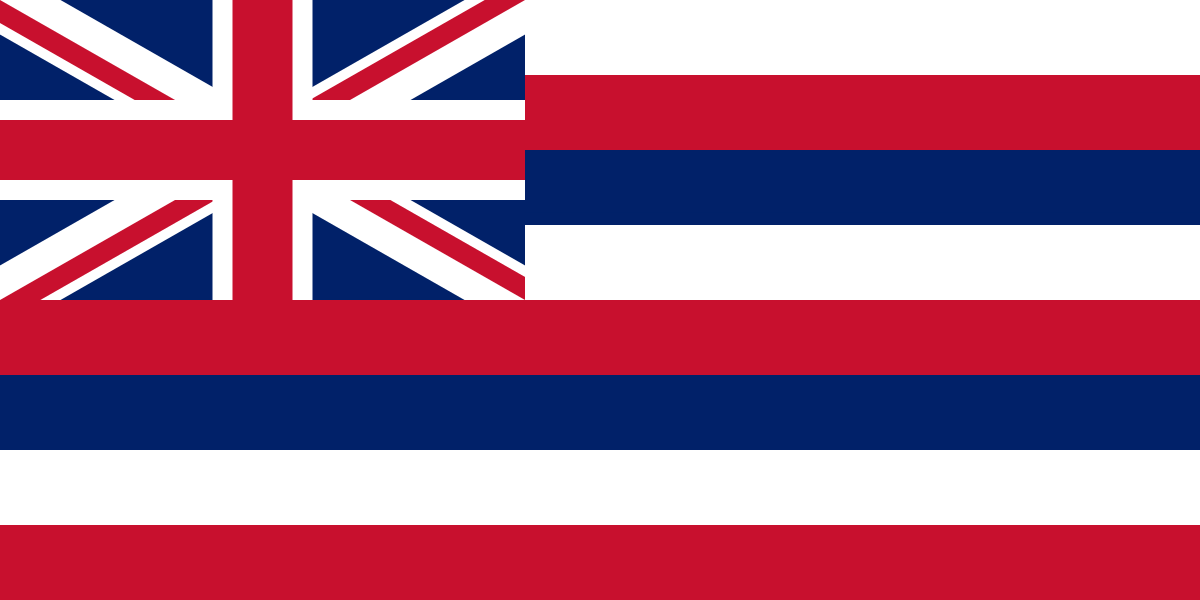
The flag of the former Kingdom of Hawai'i, central to the Native Hawaiian sovereignty movement.
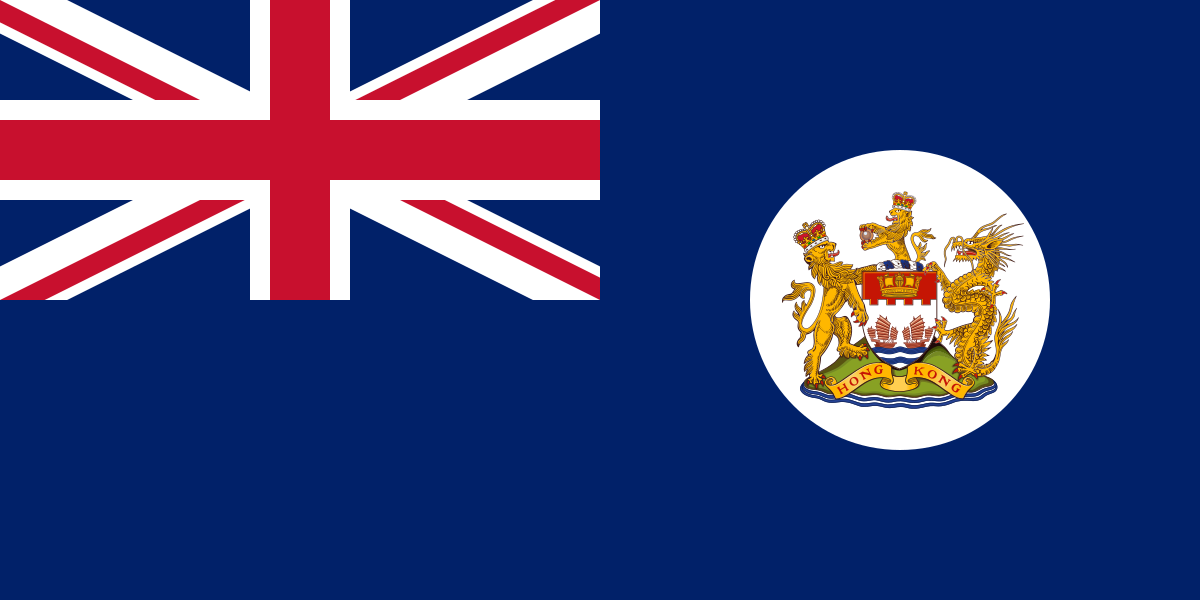
The pre-handover colonial ensign, waved by some pro-democracy and localist protesters.
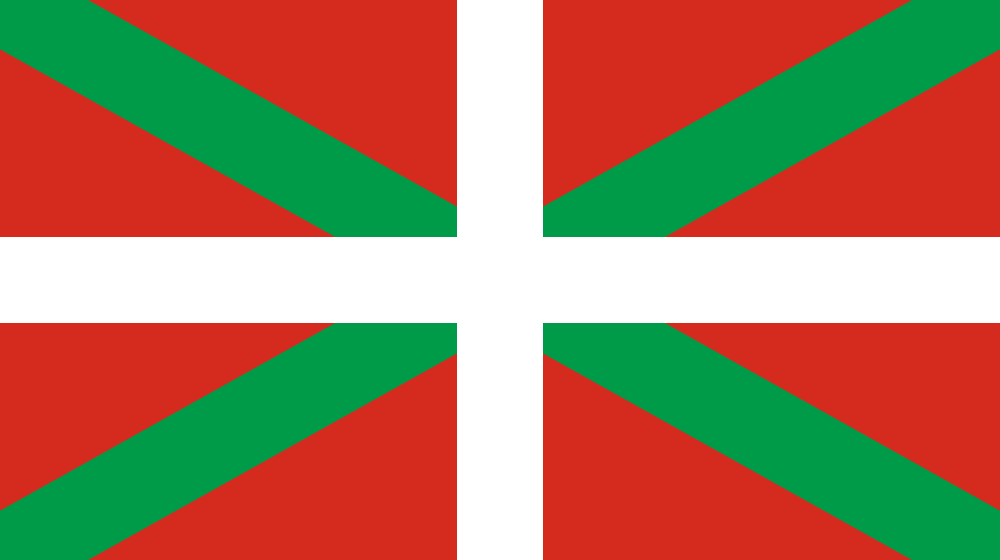
Designed by the Arana brothers in 1894: a red field with a green saltire and white cross, now the official flag of the Basque Autonomous Community.
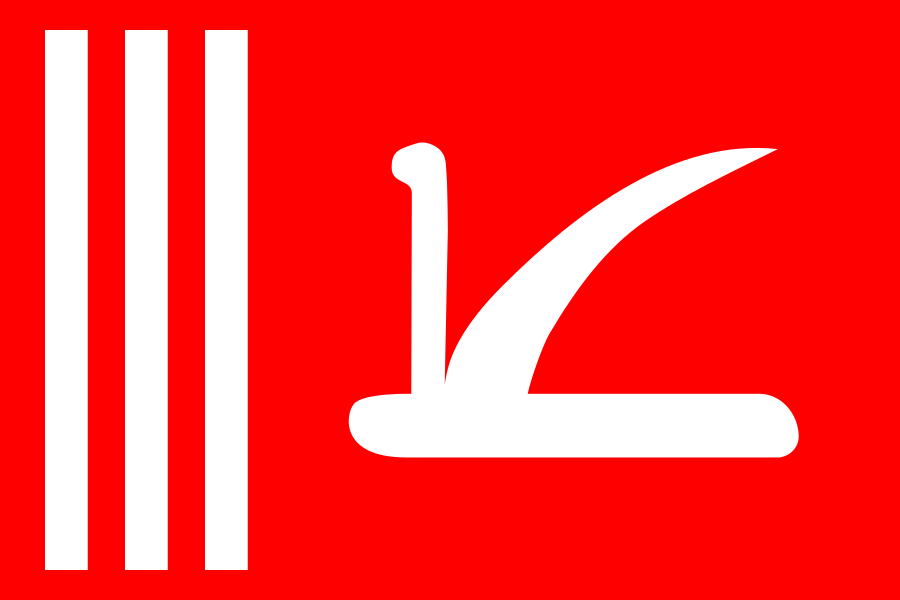
A red field with a plough and three white stripes — the former state flag of Indian-administered Jammu & Kashmir, abolished in 2019.
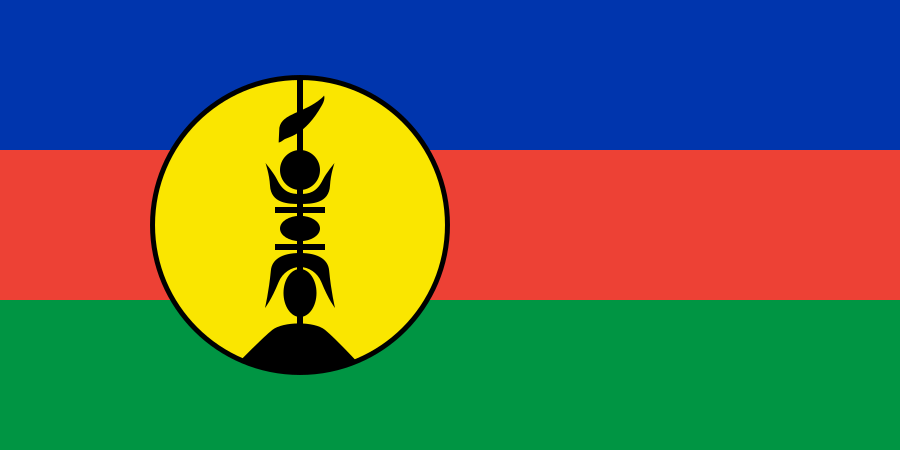
The Kanak independence flag of New Caledonia, with a yellow sun and a flèche faîtière roof-spear, flown officially alongside the French tricolor.
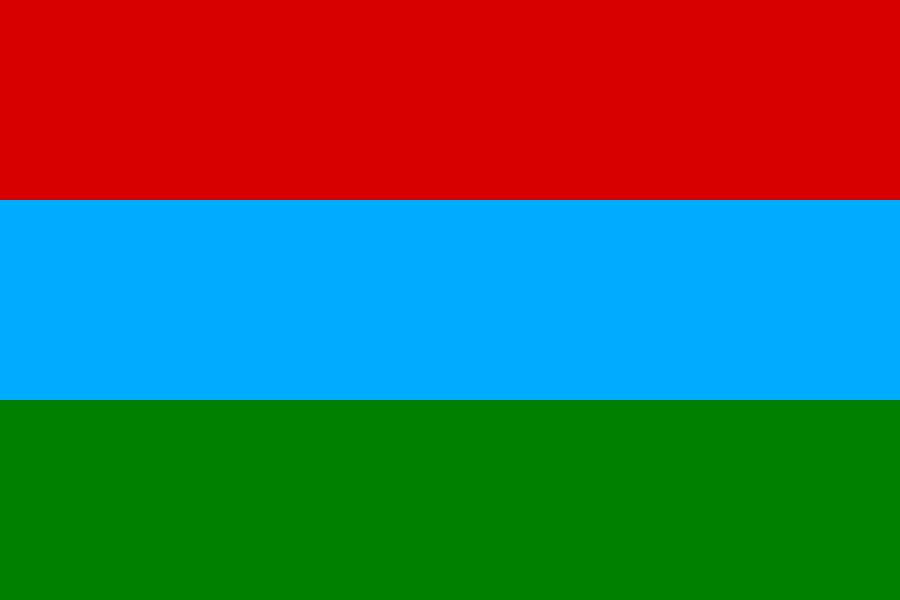
Red-blue-green bands — flag of the Republic of Karelia, a Finnic region of north-west Russia.
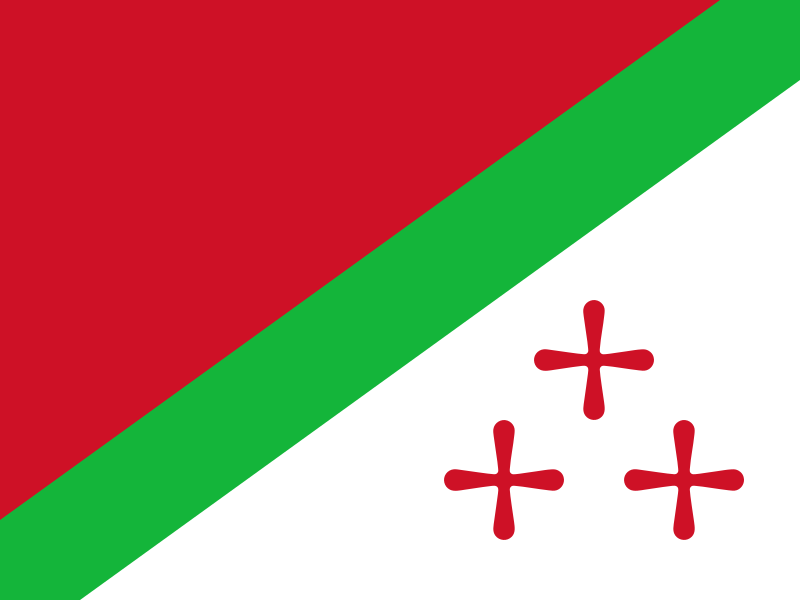
Green-white-red with three red crosses — flag of the mineral-rich State of Katanga that seceded from the Congo, 1960–63.
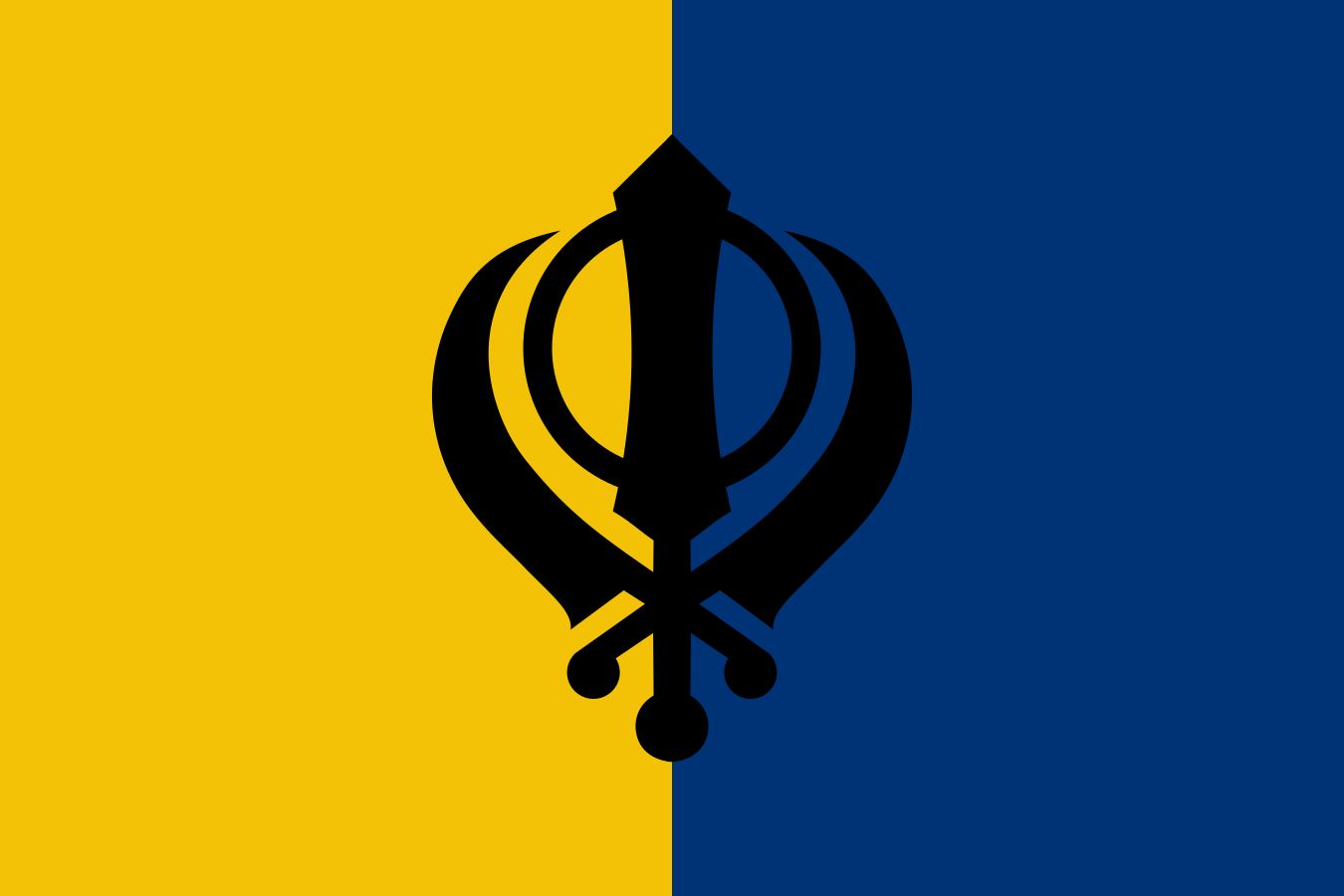
A yellow field with the Khanda — flag of the movement for a sovereign Sikh state in the Punjab.
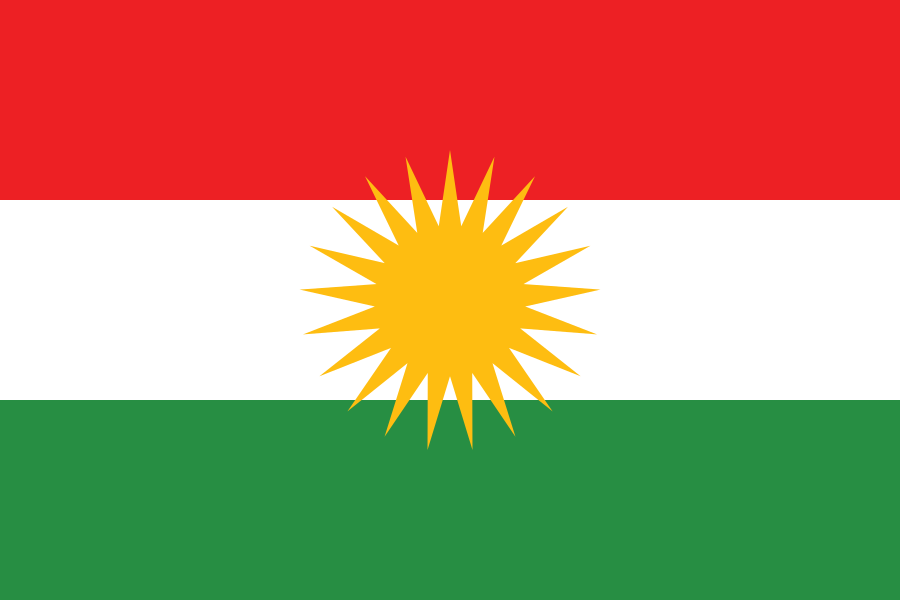
Red-white-green stripes with a 21-ray golden sun (Roj). It is the official flag of Iraqi Kurdistan and a symbol for Kurds across the region.
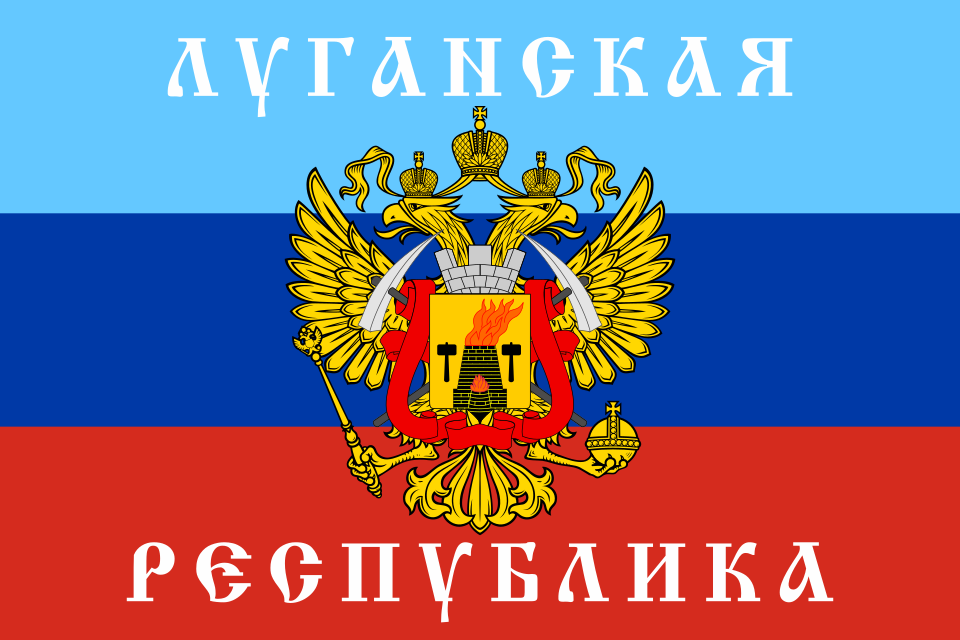
The flag of the other Russian-backed Donbas breakaway, alongside Donetsk.
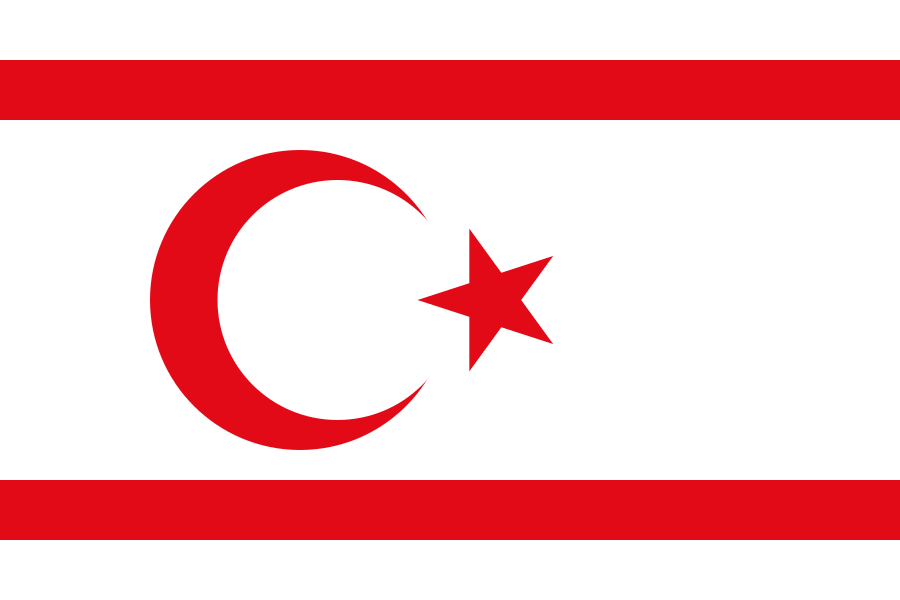
An inverted-color Turkish flag with two red stripes, used by the Turkish-occupied north of Cyprus, recognized only by Turkey.
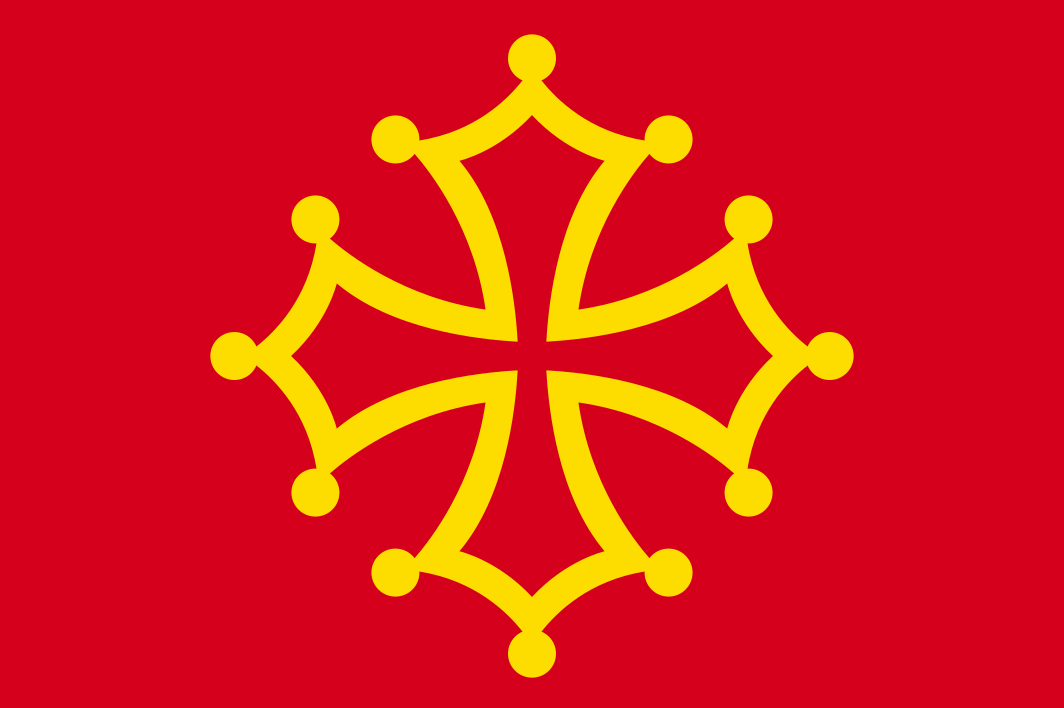
The Occitan cross of Toulouse, sometimes with a star, representing the Occitan-speaking lands of southern France and their cultural revival.
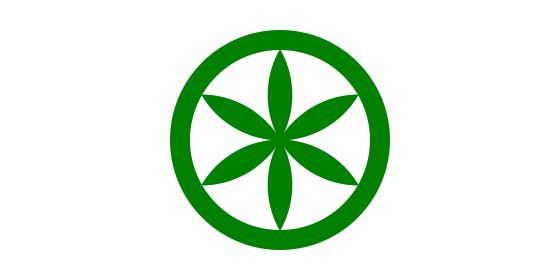
The green 'Sun of the Alps' on white, devised by Italy's Lega Nord for its proposed northern Italian state of Padania.
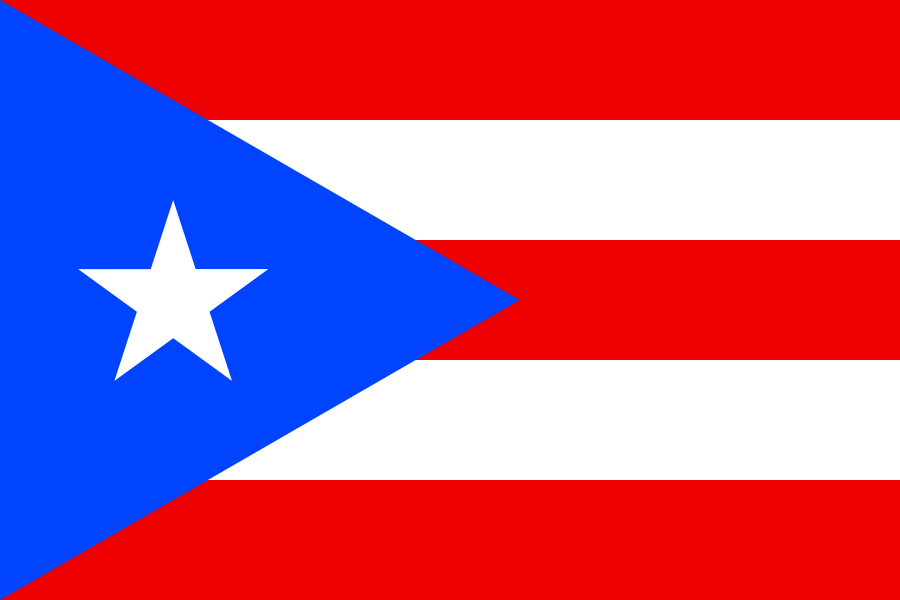
The single-starred flag of Puerto Rico — a US territory whose status is still debated; this flag was once banned as a separatist symbol.
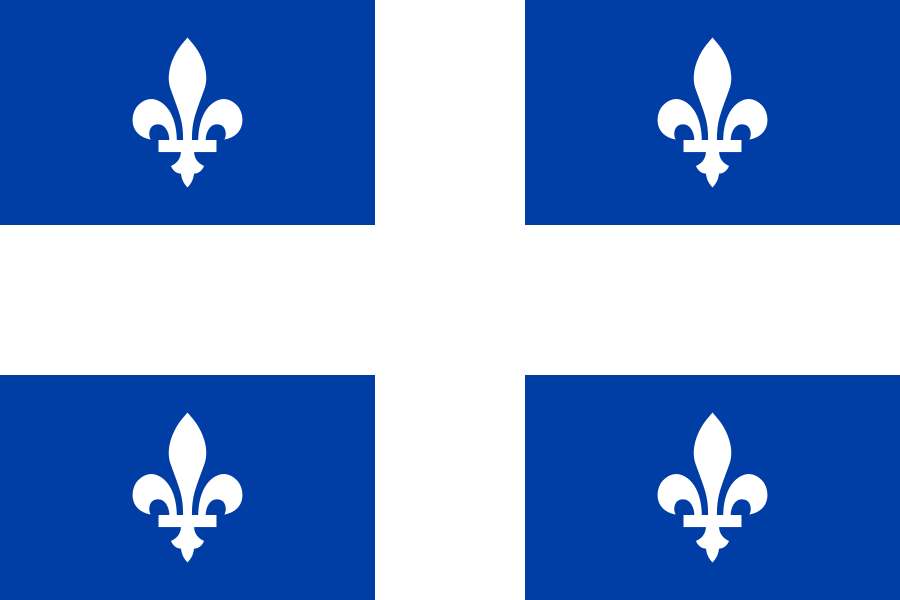
A white cross and four fleurs-de-lis on blue — flag of the French-speaking Canadian province and a banner of Québécois sovereignty.
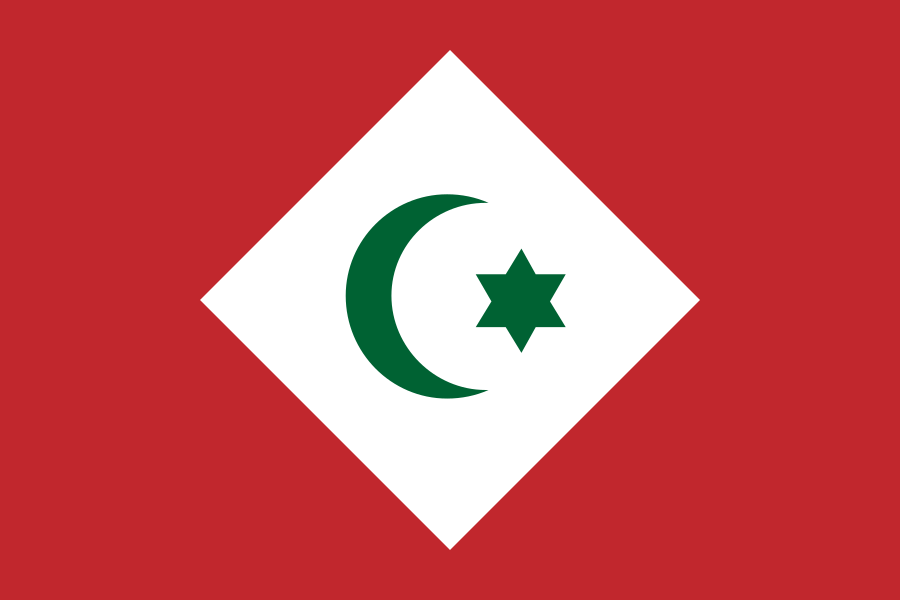
A red field with a white diamond bearing a green crescent and star — the 1920s Berber republic of northern Morocco.
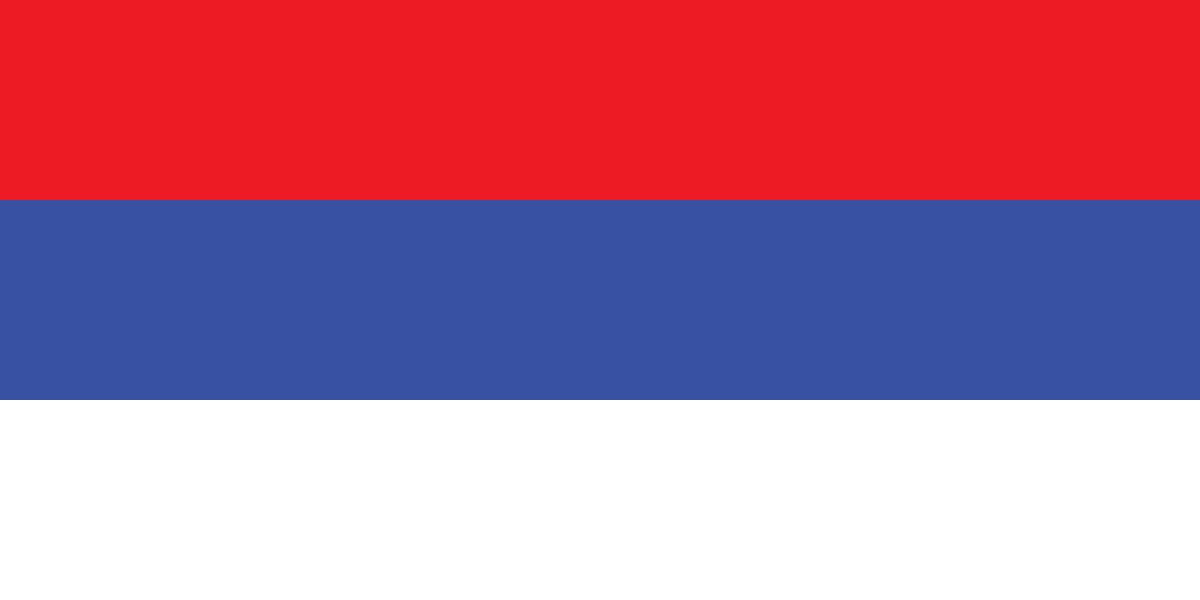
A red-blue-white Serbian tricolour — flag of the Serb-majority autonomous entity within Bosnia and Herzegovina.
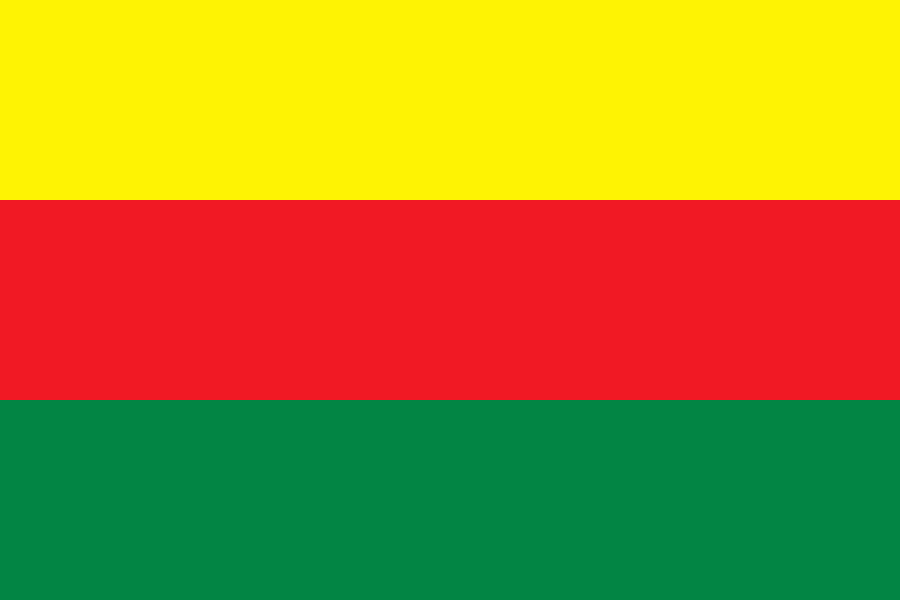
Flag of the Autonomous Administration of North and East Syria — a Kurdish-led, multi-ethnic self-governing region established during the Syrian civil war.
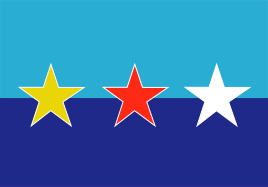
A blue flag with the Shō dynasty's three-comma mitsudomoe, used by advocates of independence for Okinawa and the Ryukyu Islands.

A white sun disc on blue above red, green and white bands — flag of the vast Sakha Republic in Siberia.
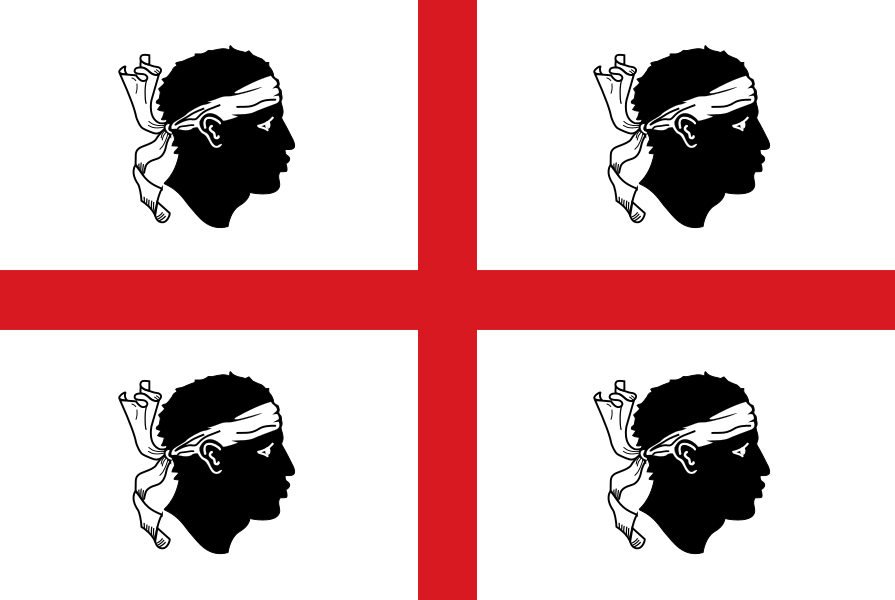
The 'Four Moors' — a red St George's cross with a bandaged Moor's head in each quarter — flag of the autonomous region and Sardinian independence movements.

A yellow Nordic cross on red — regionalist flag of Scania, the southernmost province of Sweden, once part of Denmark.
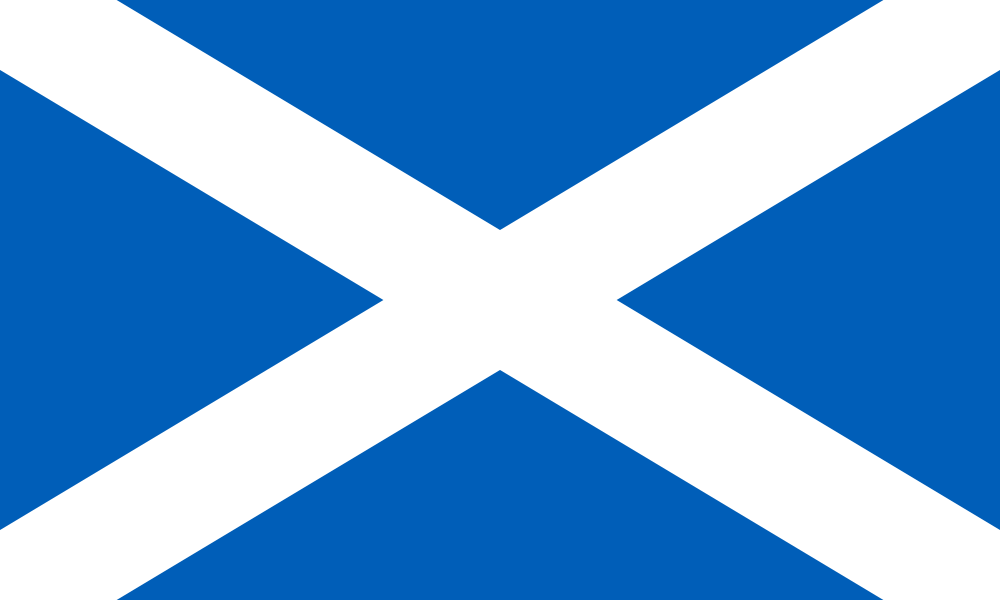
The white St Andrew's cross on blue — emblem of Scotland and its independence movement.
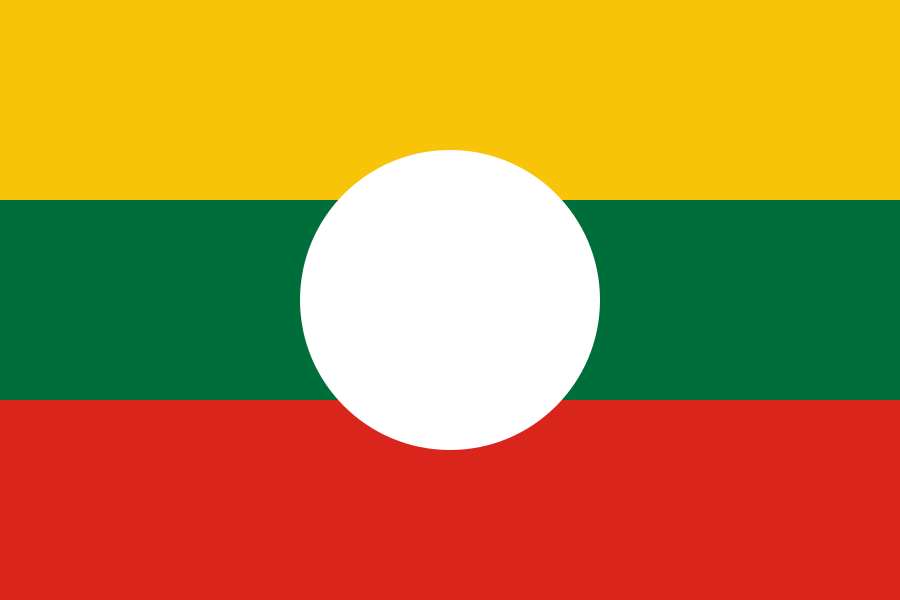
Yellow-green-red with a white disc — flag of the Shan people and their long campaign for autonomy within Myanmar.
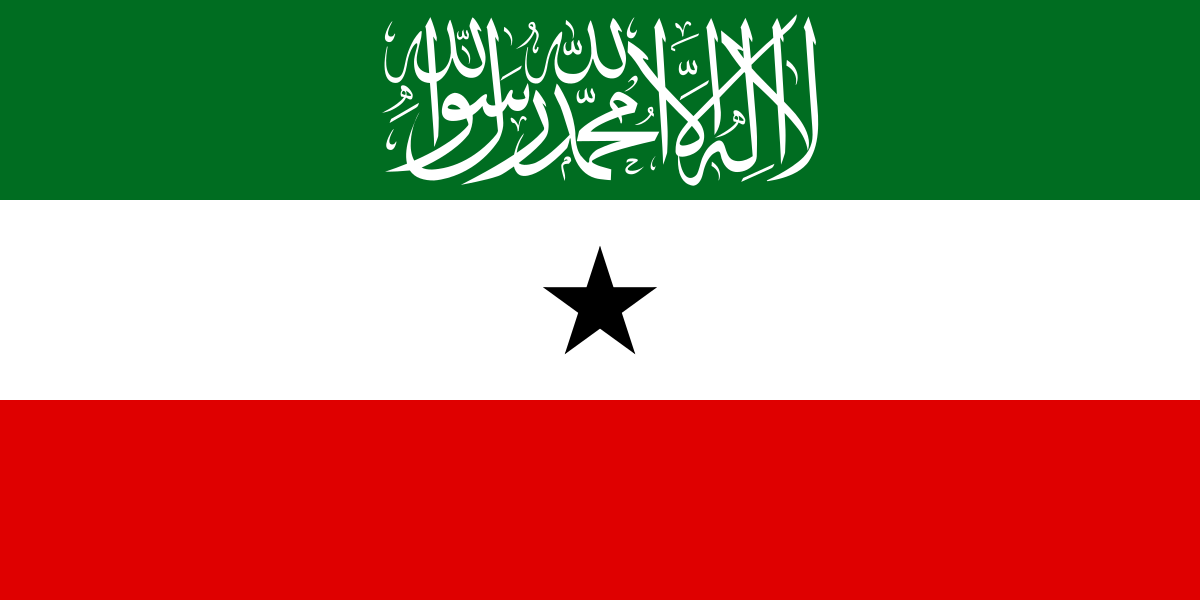
The flag of the self-declared republic that broke from Somalia in 1991: green with the Islamic shahada, white, and red with a black star. Recognized by no UN member.
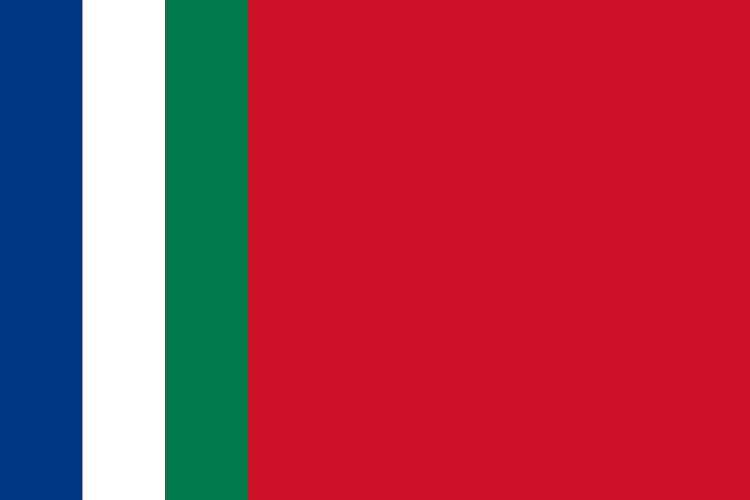
Blue-white-green-red bands — flag of the self-proclaimed Republic of South Maluku, declared against Indonesia in 1950.
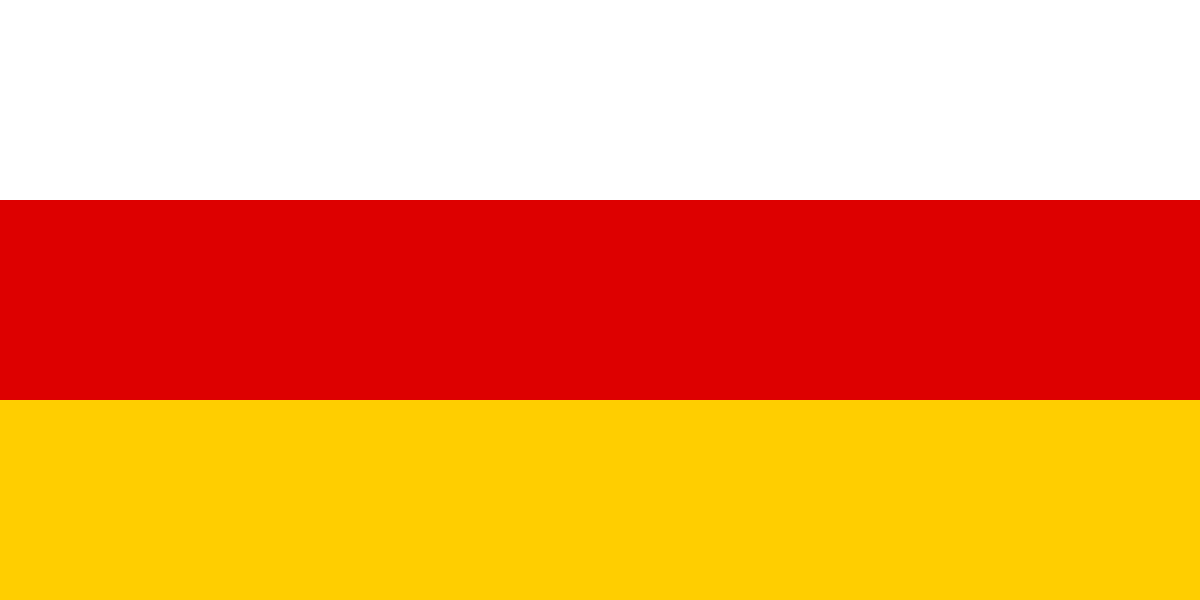
A white-red-yellow tricolor shared with North Ossetia in Russia, flown by the breakaway Georgian region recognized by only a handful of states.
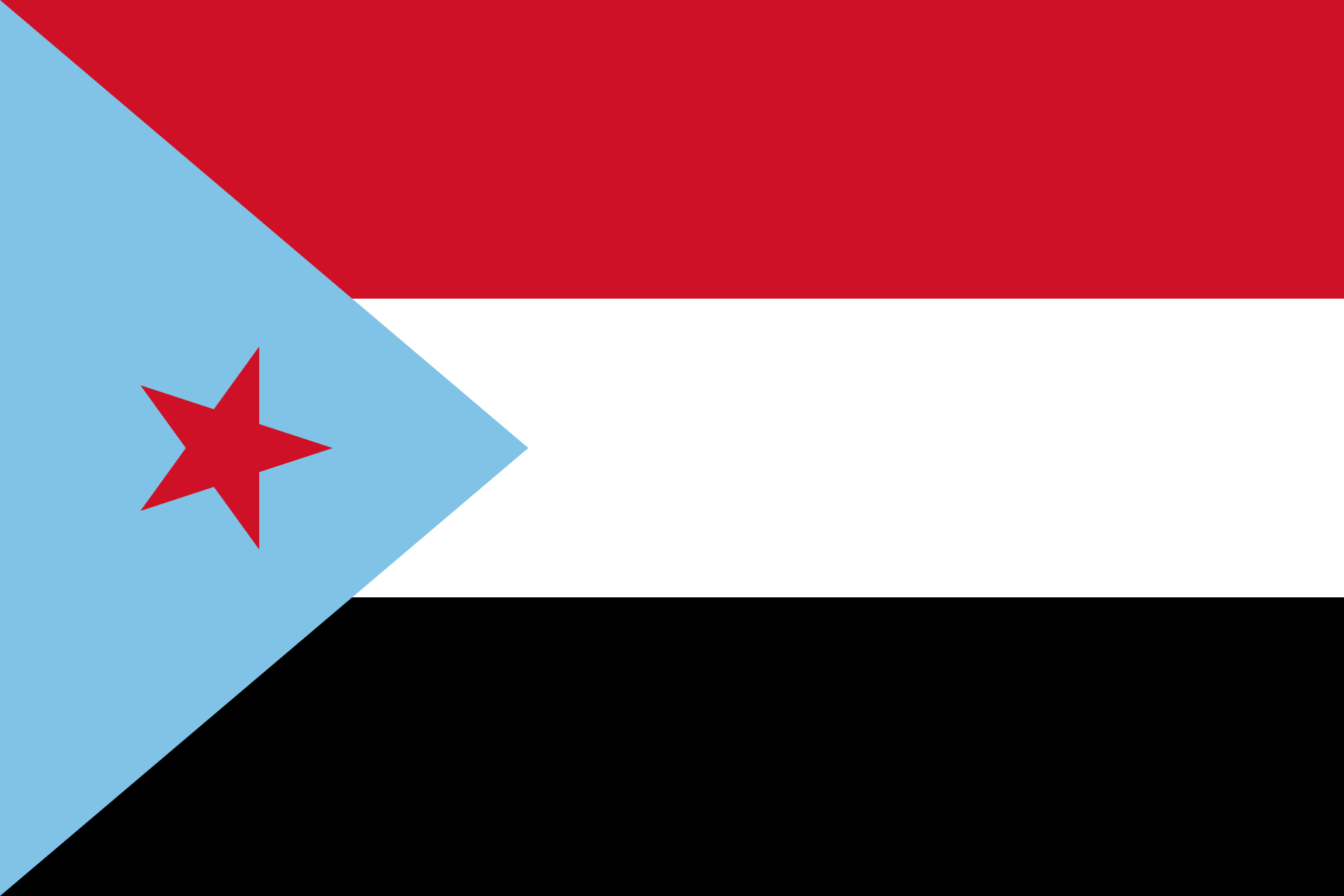
The banner of the former independent south, revived by the Southern Movement.
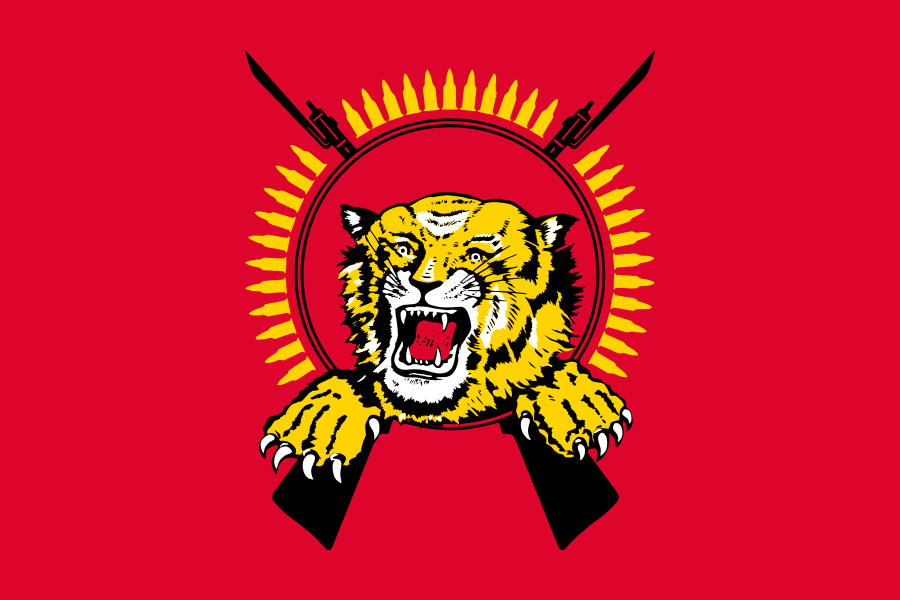
A roaring tiger before crossed rifles ringed by bayonets — emblem of the proposed independent Tamil state in north-east Sri Lanka.
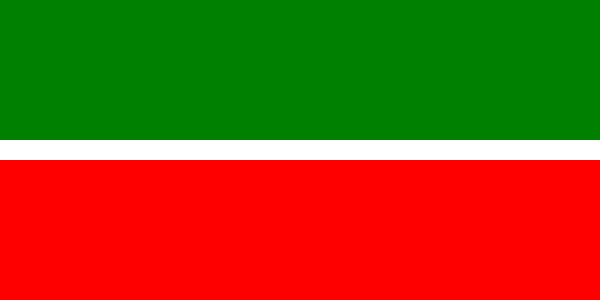
Green-white-red bands — flag of the Tatar-majority republic within Russia.
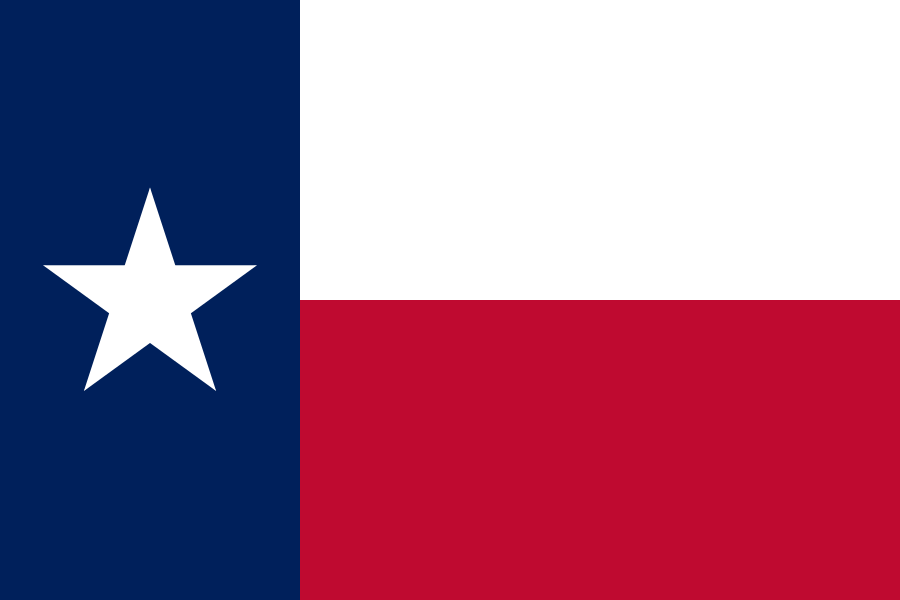
Once the banner of the independent Republic of Texas (1836–45), now a touchstone for secessionist sentiment.
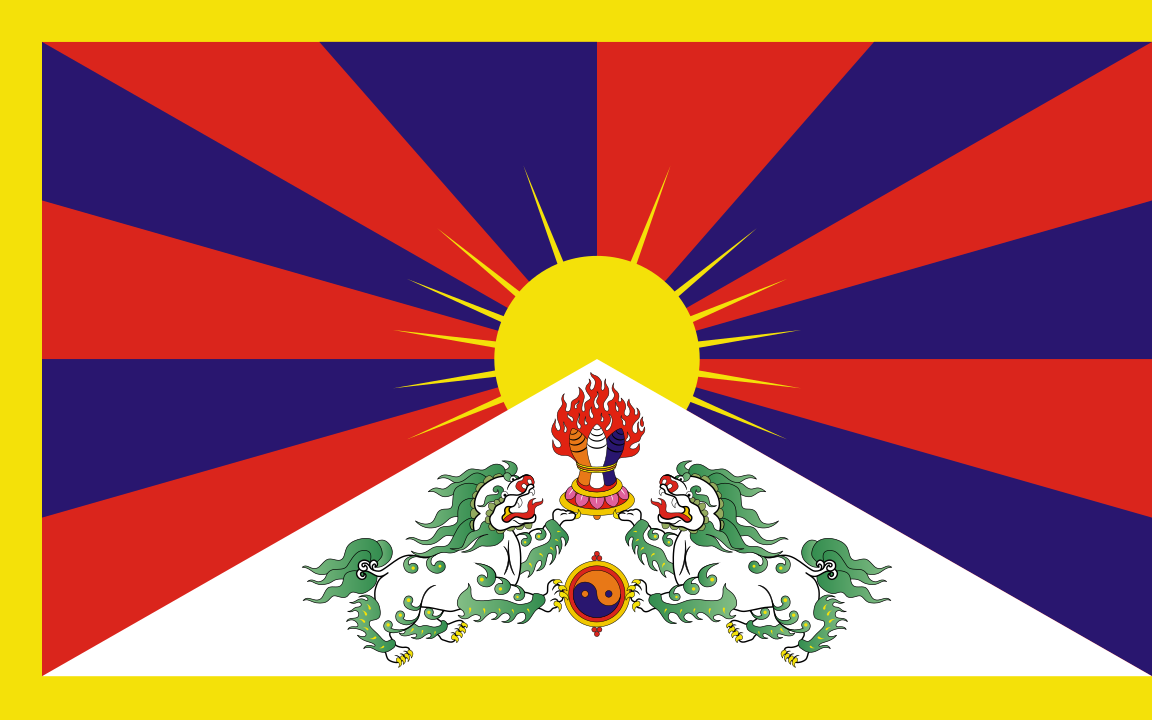
Two snow lions holding a flaming jewel before a sunburst mountain. Used by the Tibetan government until 1959 and by the government-in-exile today; banned within China.
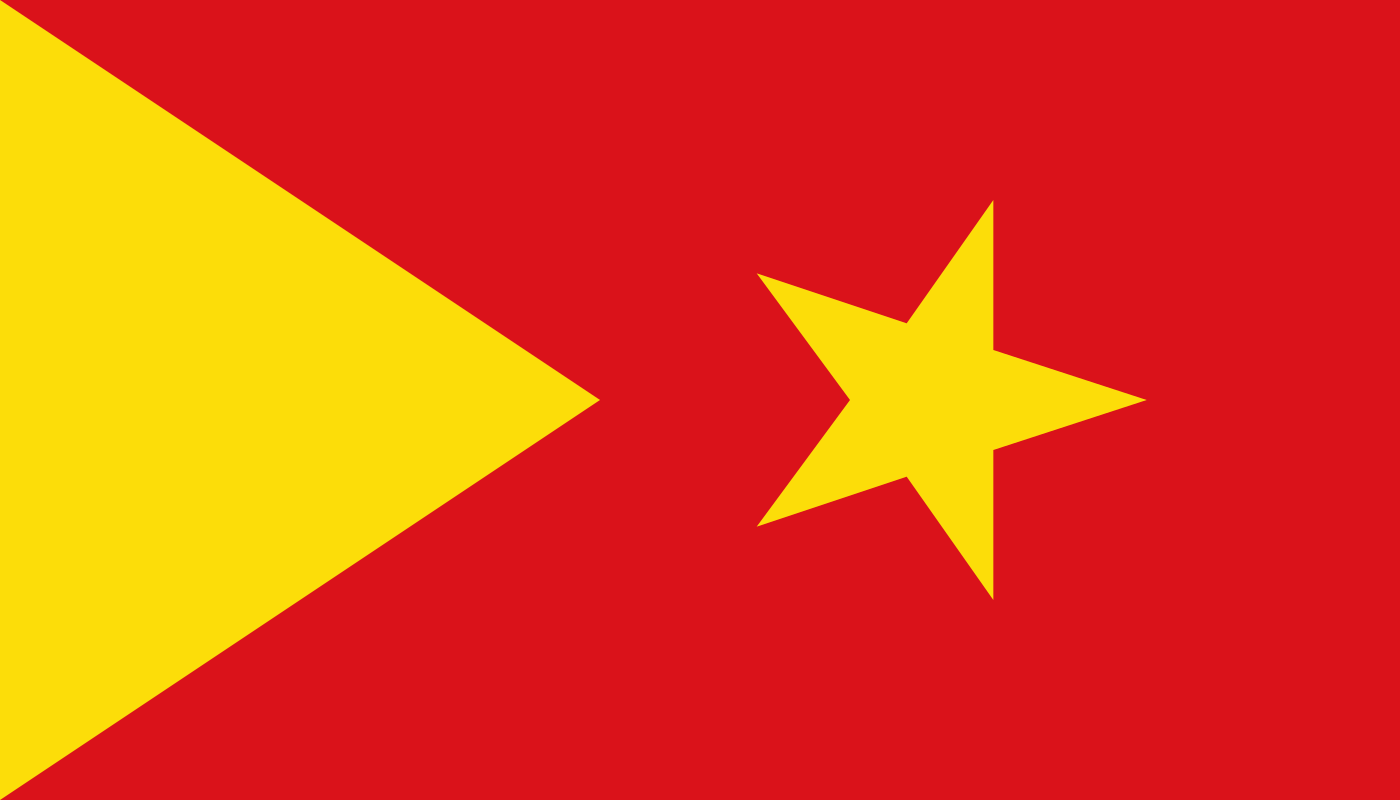
A red field with a central yellow sunburst — flag of Ethiopia's northern Tigray Region.
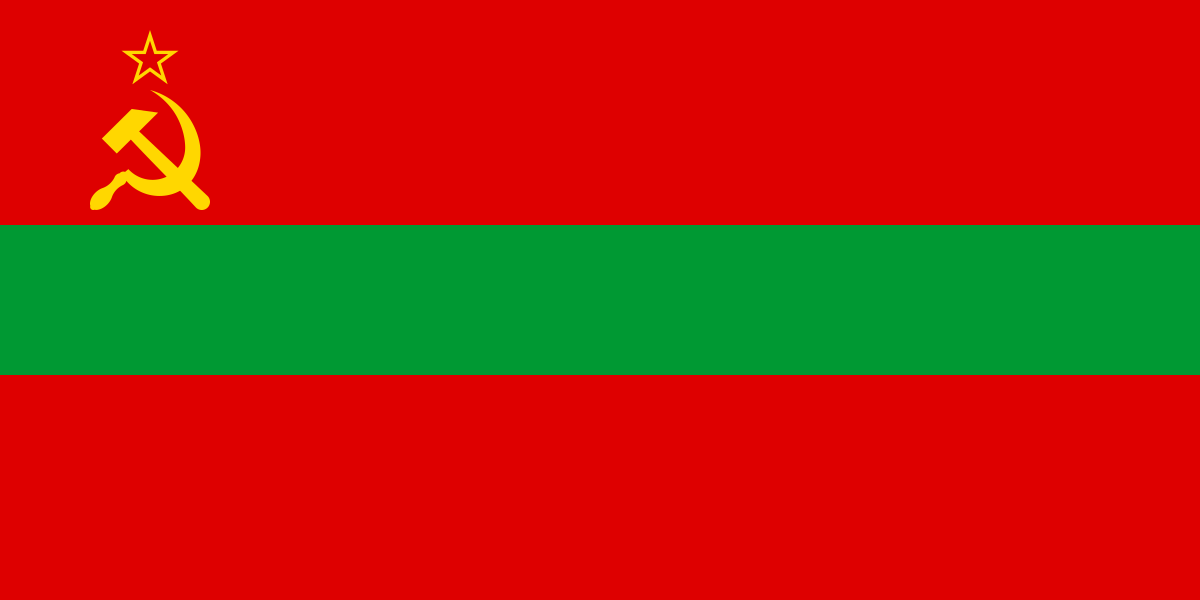
The breakaway sliver of Moldova is the only territory still officially flying the Soviet hammer and sickle on its flag.
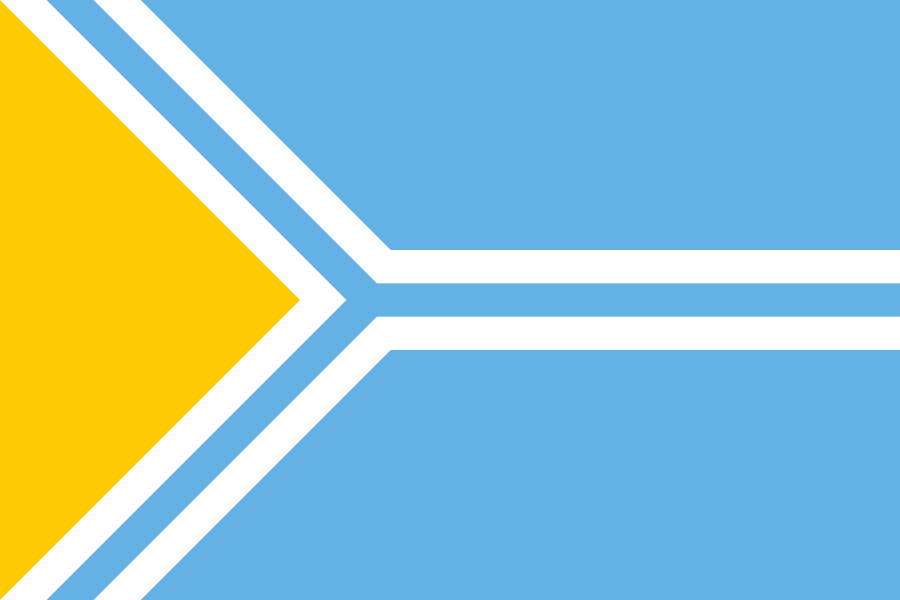
A blue field split by yellow stripes — flag of the Tuvan republic of southern Siberia, an independent state from 1921–44.
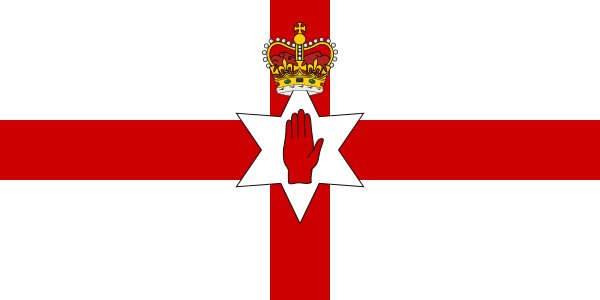
The former flag of Northern Ireland (1953–72), still used by unionists at sporting events.
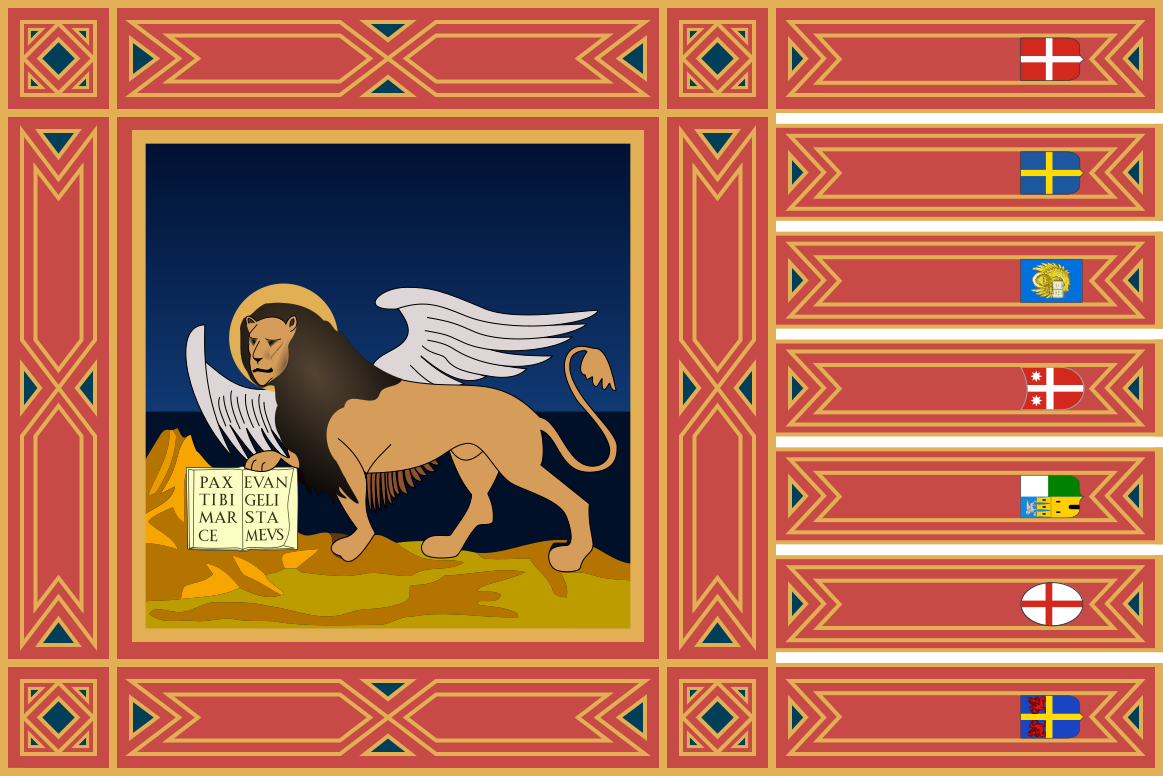
The winged Lion of St Mark on a many-tailed banner — flag of the autonomous Veneto region and of Venetian independence sentiment.
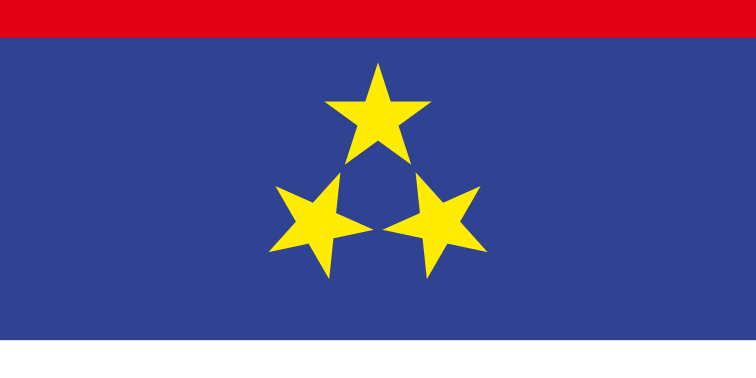
Red-blue-green bands with a wreathed star — flag of the multi-ethnic autonomous province of northern Serbia.
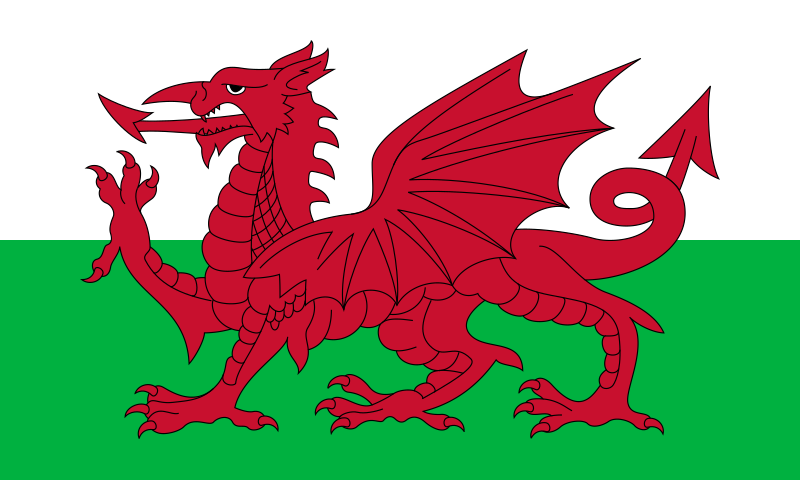
The red dragon on green and white — a Welsh national symbol that flies no place on the Union Jack.
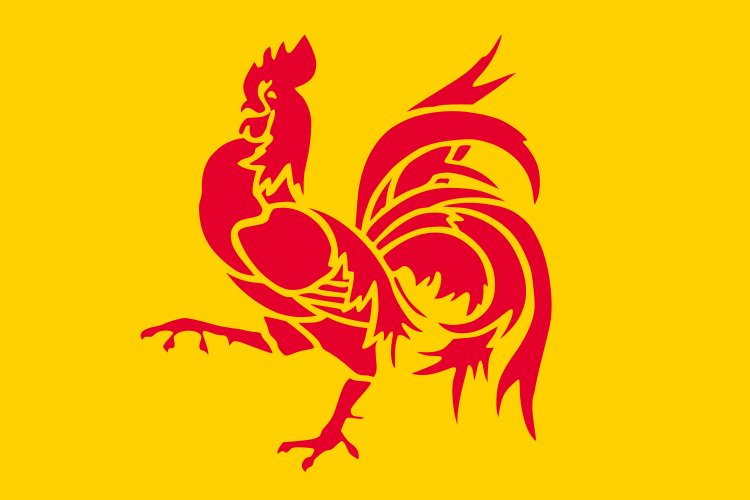
A red rooster ('coq hardi') on yellow — flag of French-speaking Wallonia in southern Belgium.

The Morning Star flag of the West Papuan independence movement, first raised in 1961; raising it in Indonesia can bring a long prison sentence.
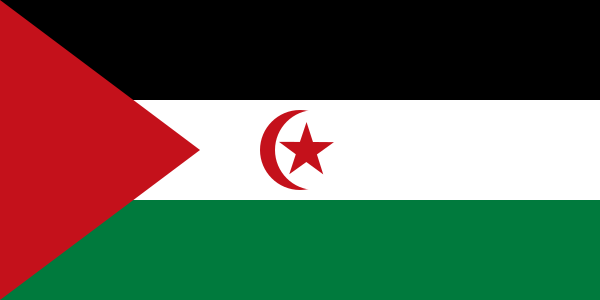
Flag of the Sahrawi Arab Democratic Republic, claimed by the Polisario Front over Western Sahara — a pan-Arab tricolour with a red star and crescent.

Black, blue and green bands with the green flag of Tanzania in the canton — flag of the semi-autonomous archipelago of Tanzania.
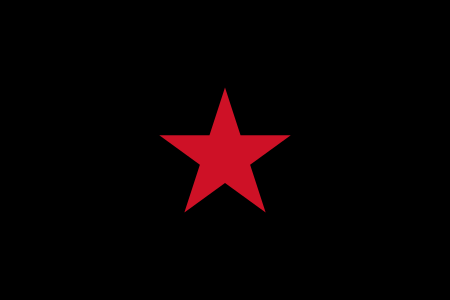
A red star on black — the autonomous Indigenous Zapatista movement of Chiapas, Mexico.
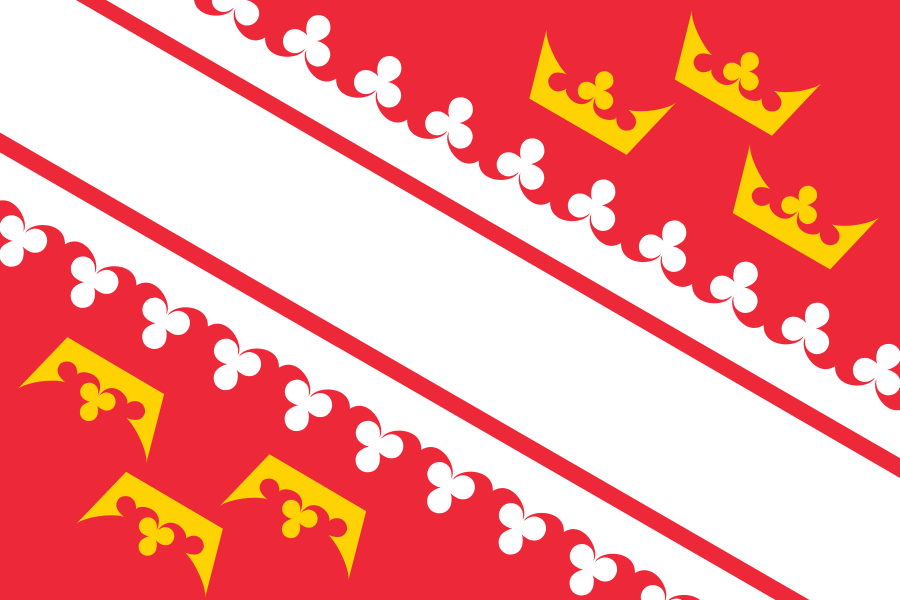
The Rot-un-Wiss (red-and-white) flag of the German-influenced French border region.

A historic Lozi kingdom seeking autonomy within Zambia.
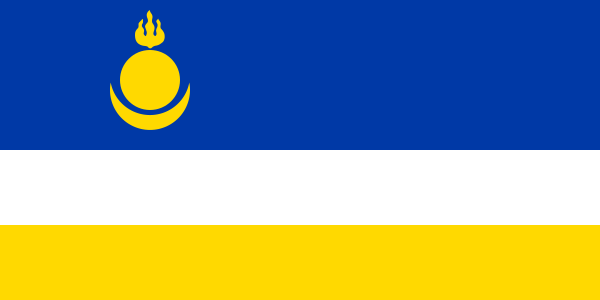
A Mongolic people and republic of southern Siberia around Lake Baikal.
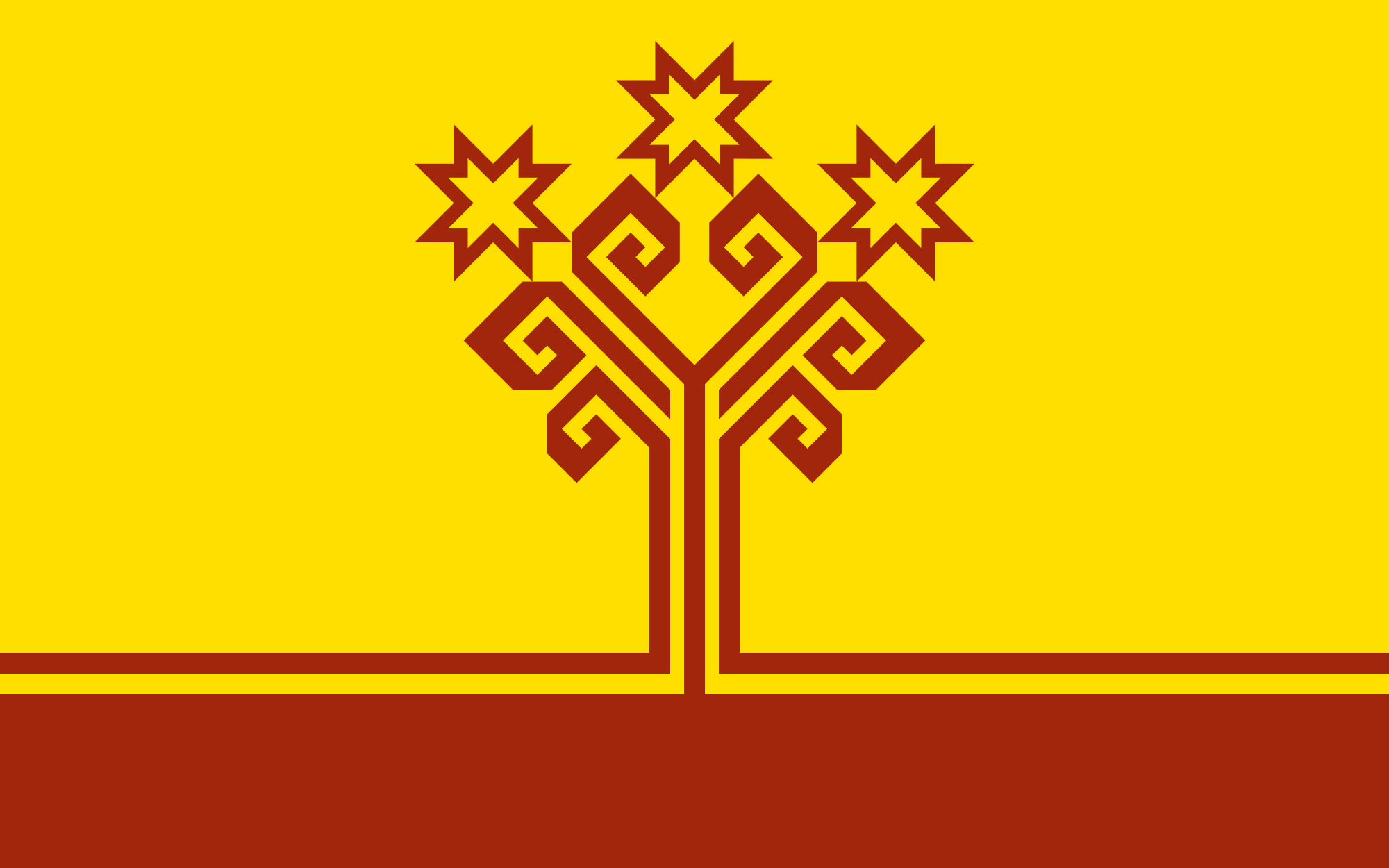
A Turkic people of the Volga region of Russia.
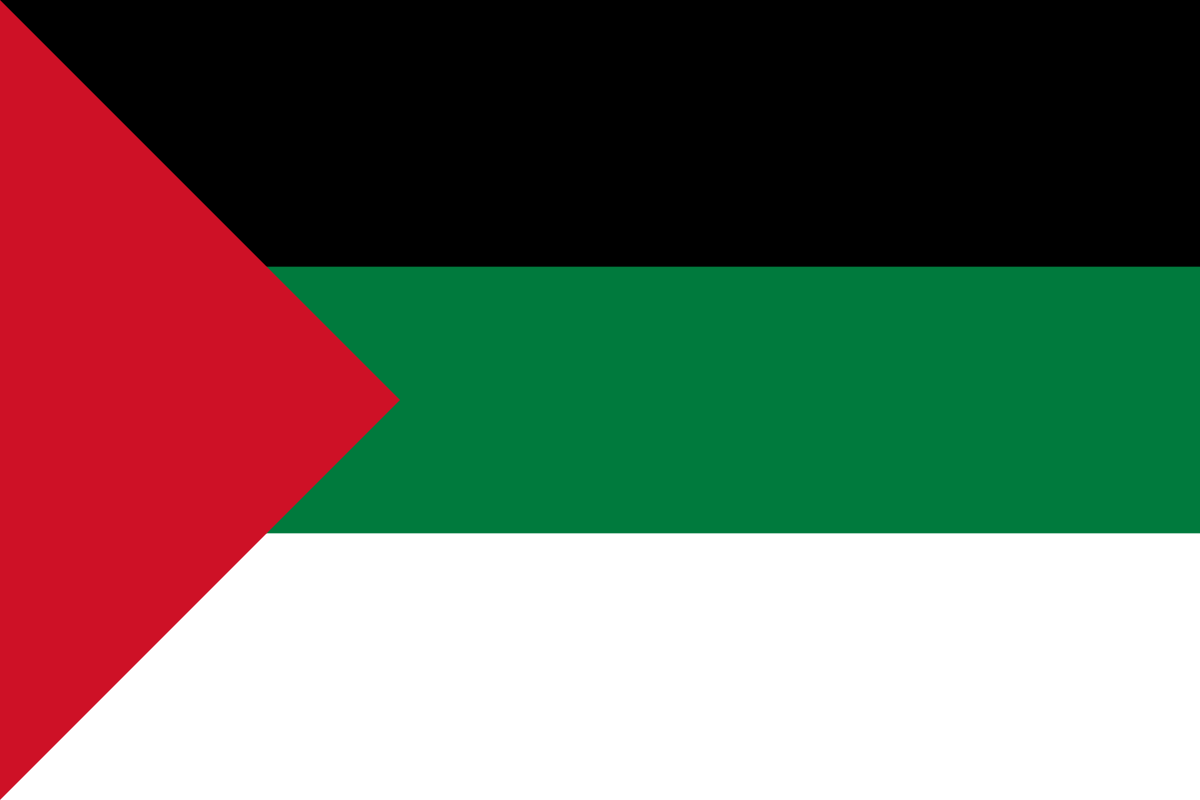
The Arab Revolt banner of the former kingdom along the Red Sea coast of Arabia.
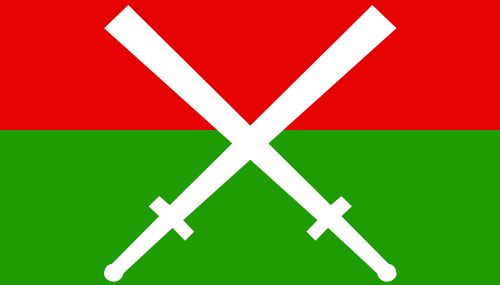
A people of northern Myanmar with a long-running autonomy struggle.
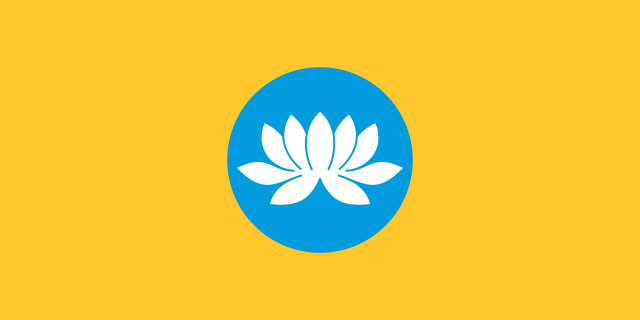
Europe's only Buddhist-majority people, a Mongolic group on the Caspian steppe of Russia.
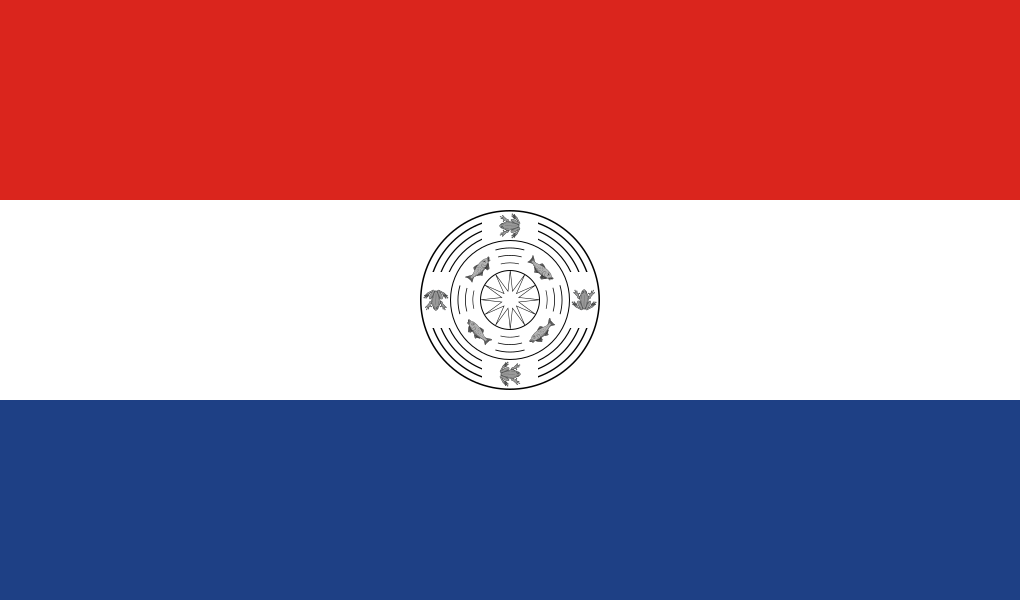
A red-white-blue flag for the Karenni people of eastern Myanmar.
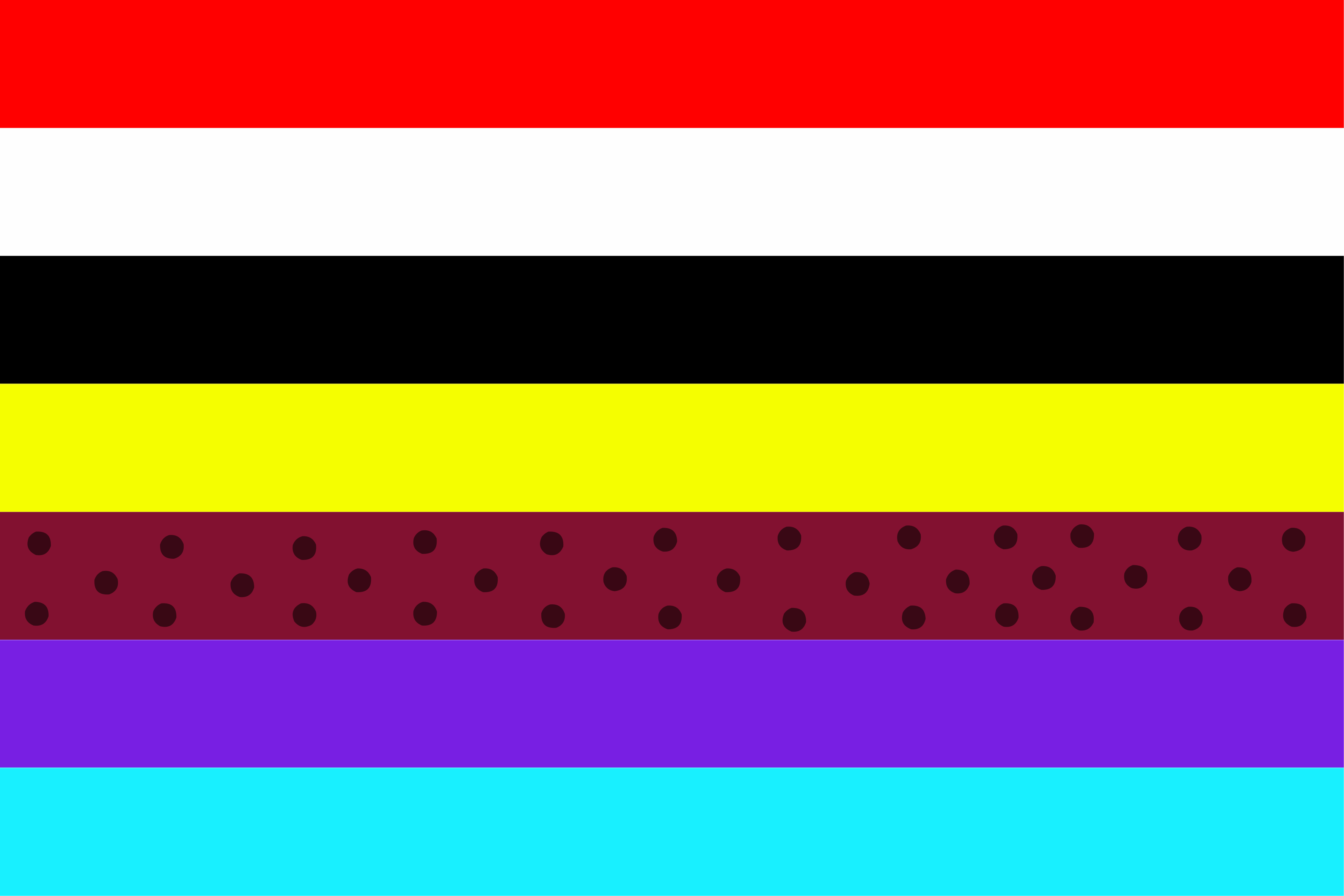
The Salai Taret flag of the Meitei people of Manipur, north-east India.
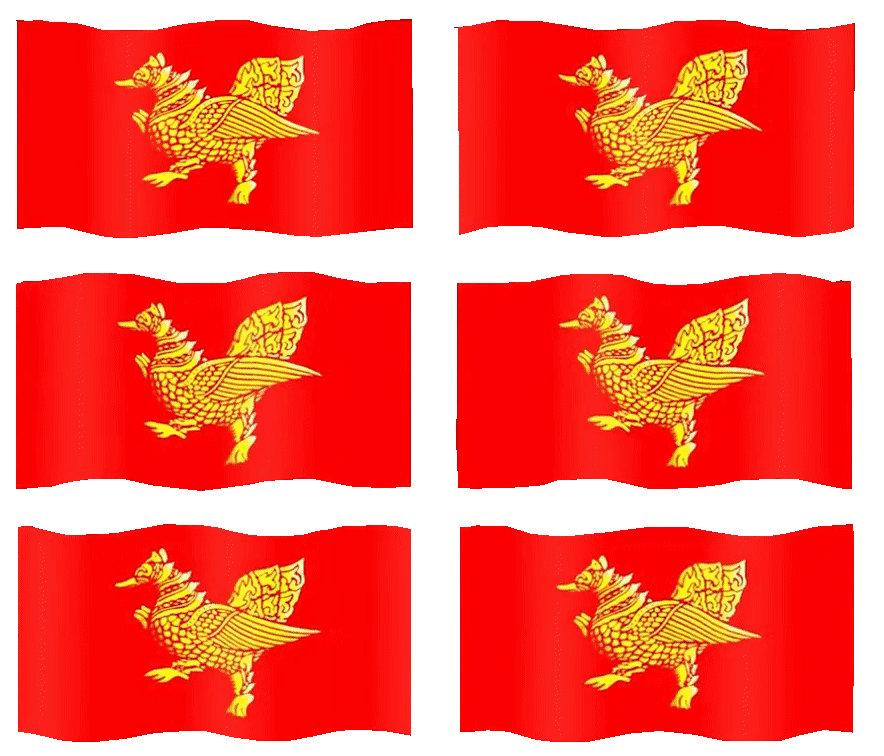
A golden hamsa bird — for the Mon of Myanmar and Thailand, one of the region's oldest peoples.
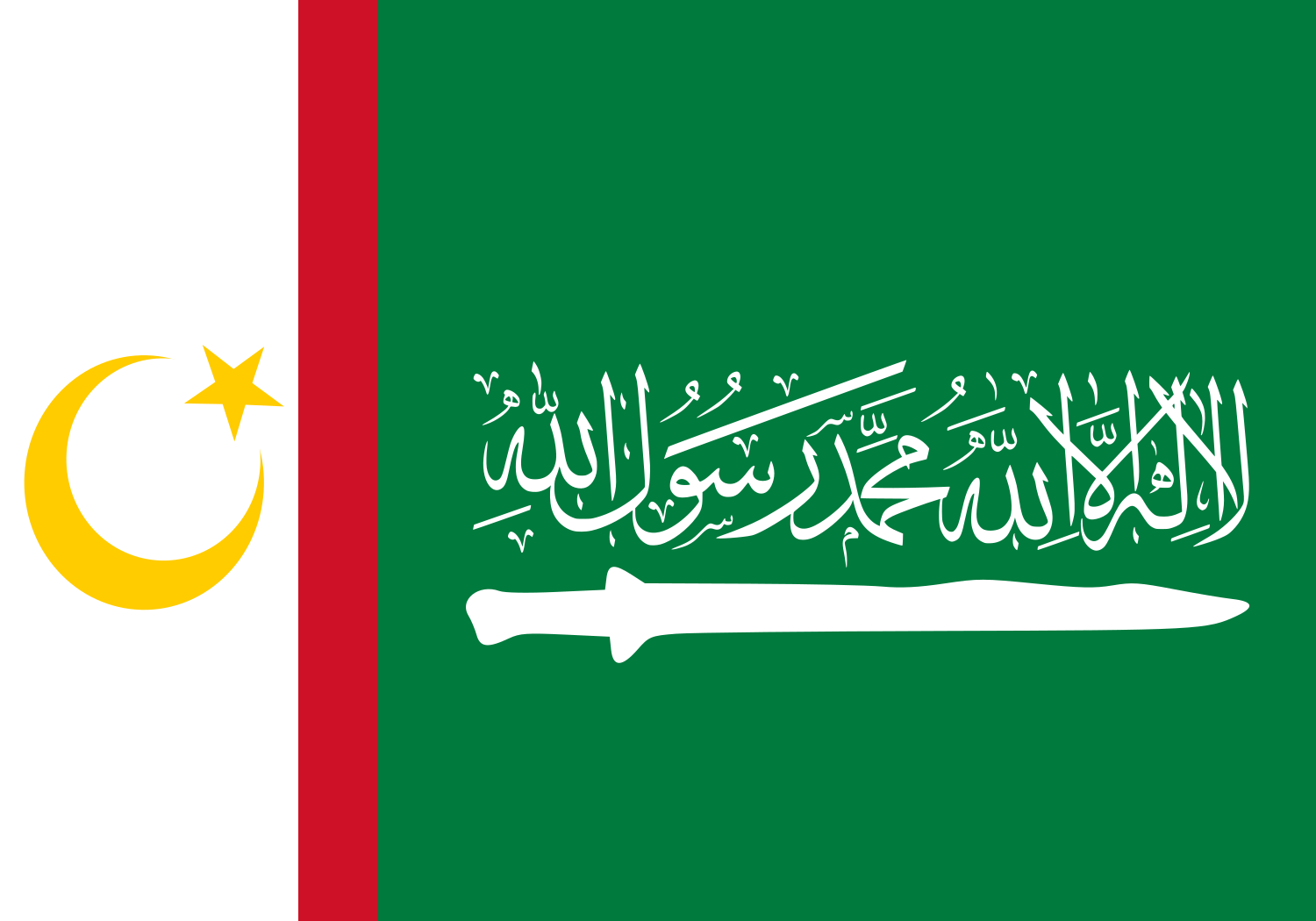
A long-running Moro Muslim autonomy struggle in the southern Philippines.
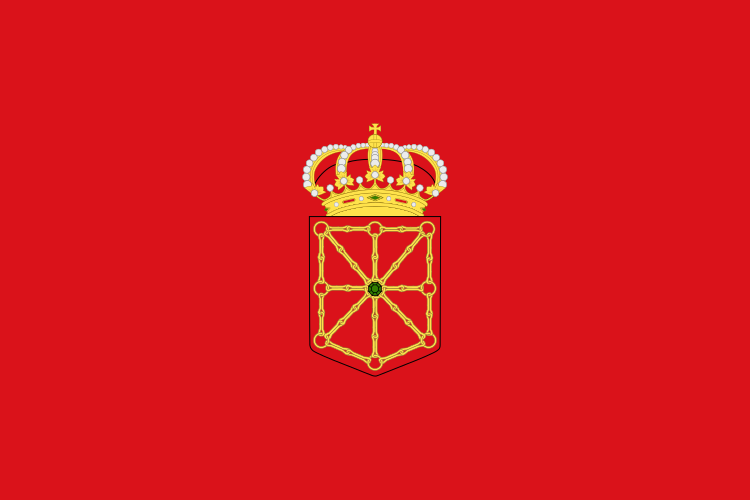
Red with gold chains — the historic Basque-adjacent kingdom of northern Spain.
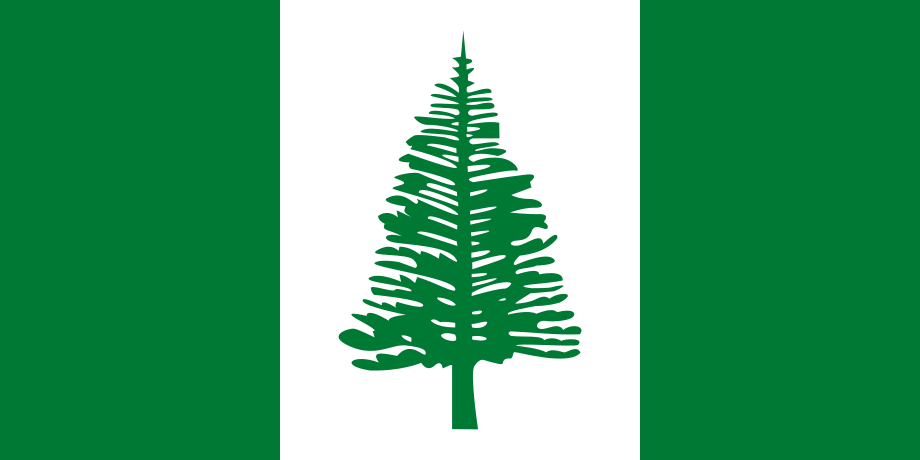
A green-and-white flag with the island pine, for the Pitcairn-descended people who resist Australian control.
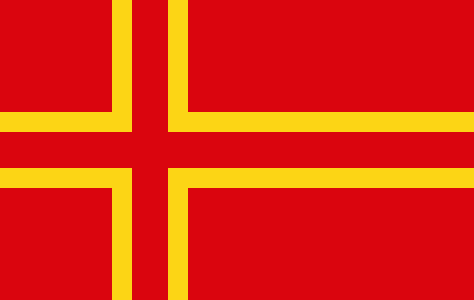
Two gold leopards on red — the historic duchy of northern France.
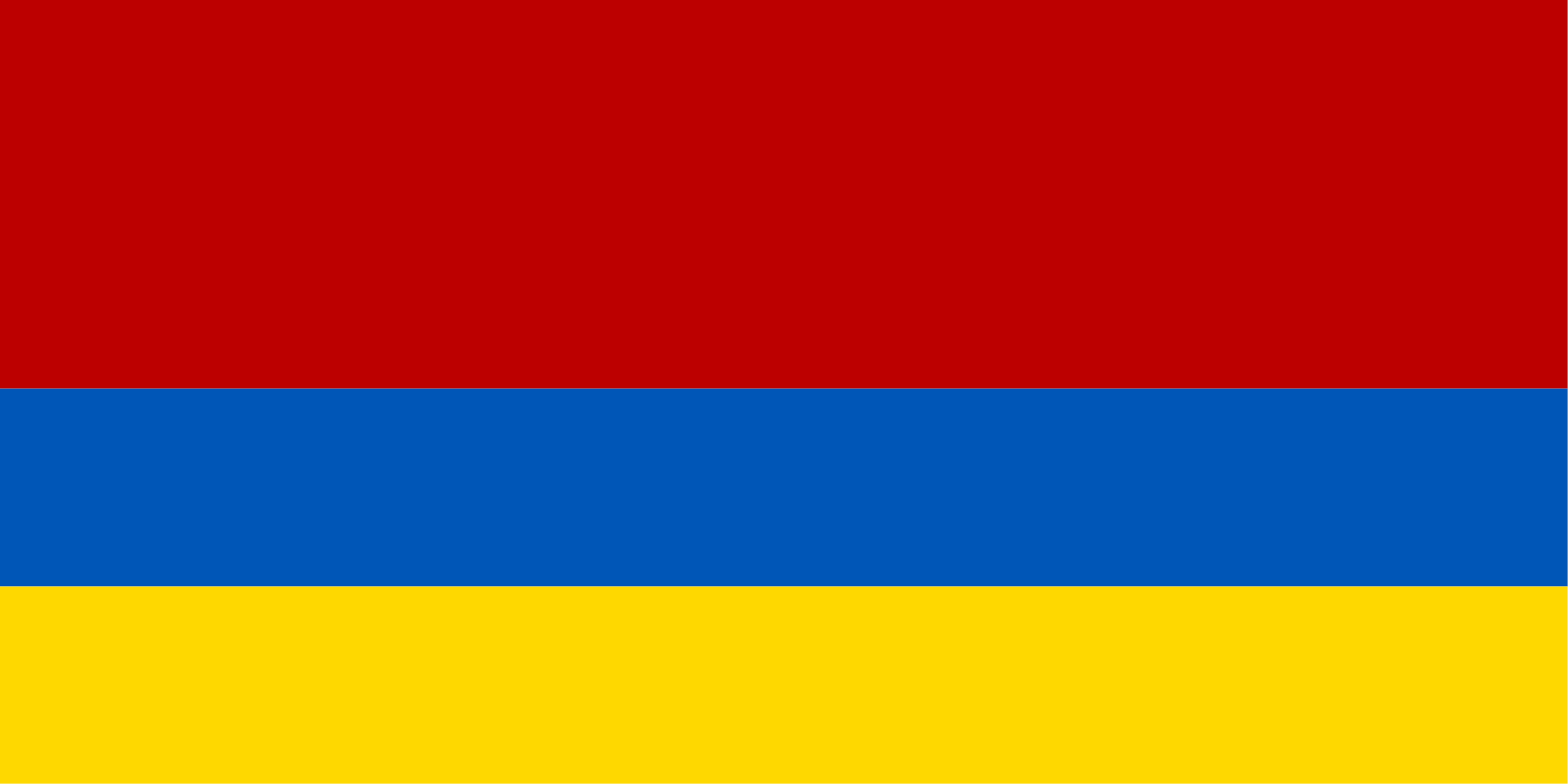
A St Andrew's-style banner for the short-lived confederation of the Donbas republics.
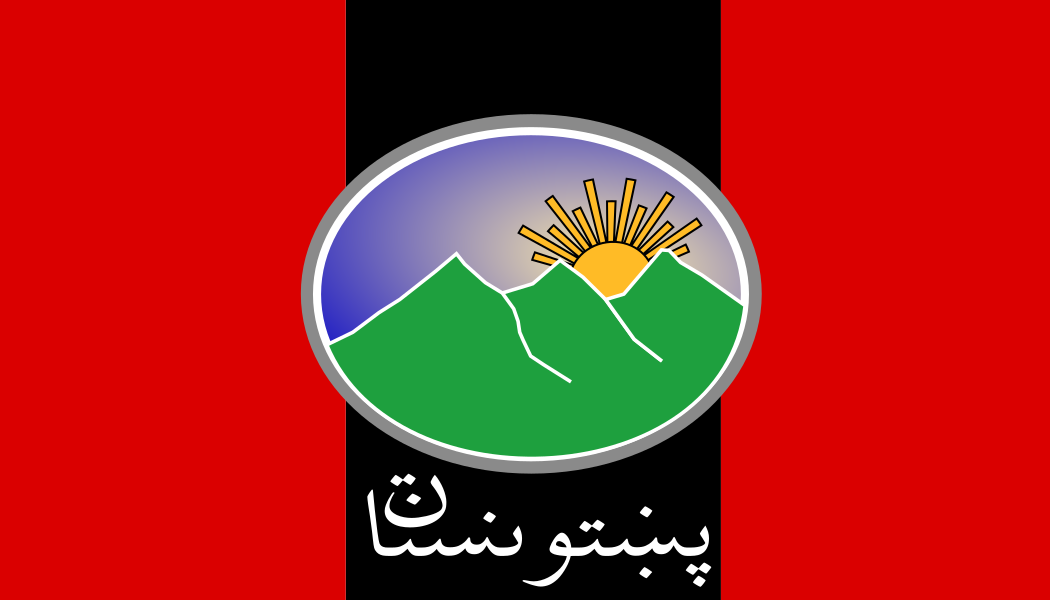
An envisioned homeland for the Pashtun people of Afghanistan and Pakistan.
A white cross on red for the historic Alpine duchy split between France and Italy.
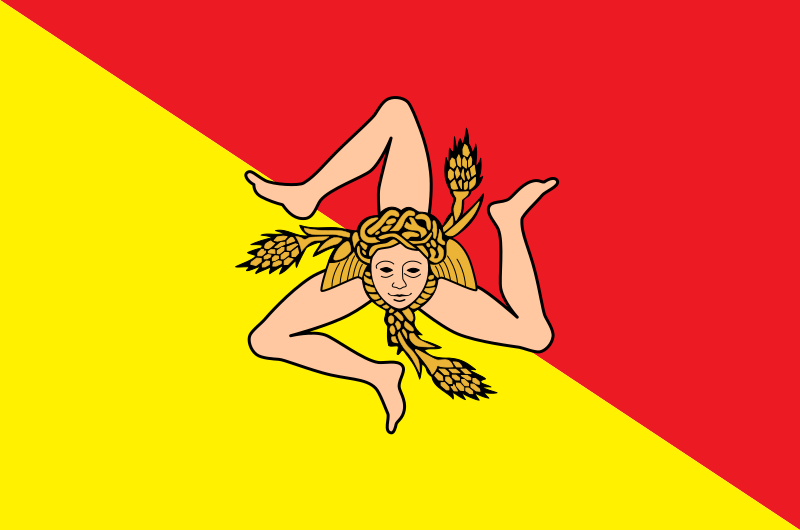
The triskelion (three-legged) banner of Italy's largest island and its autonomy.
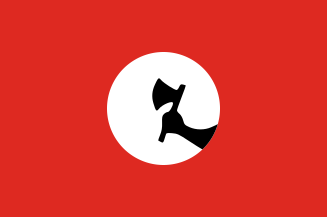
A symbol of Sindhi nationalism in southern Pakistan.
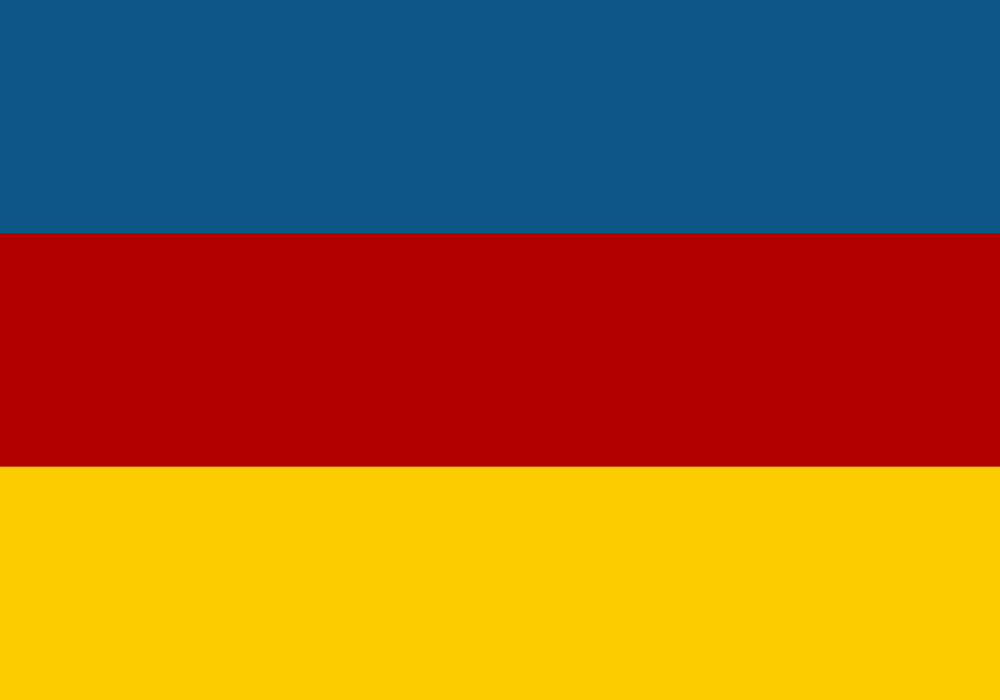
The historic three-nations banner of the Transylvanian region of Romania.
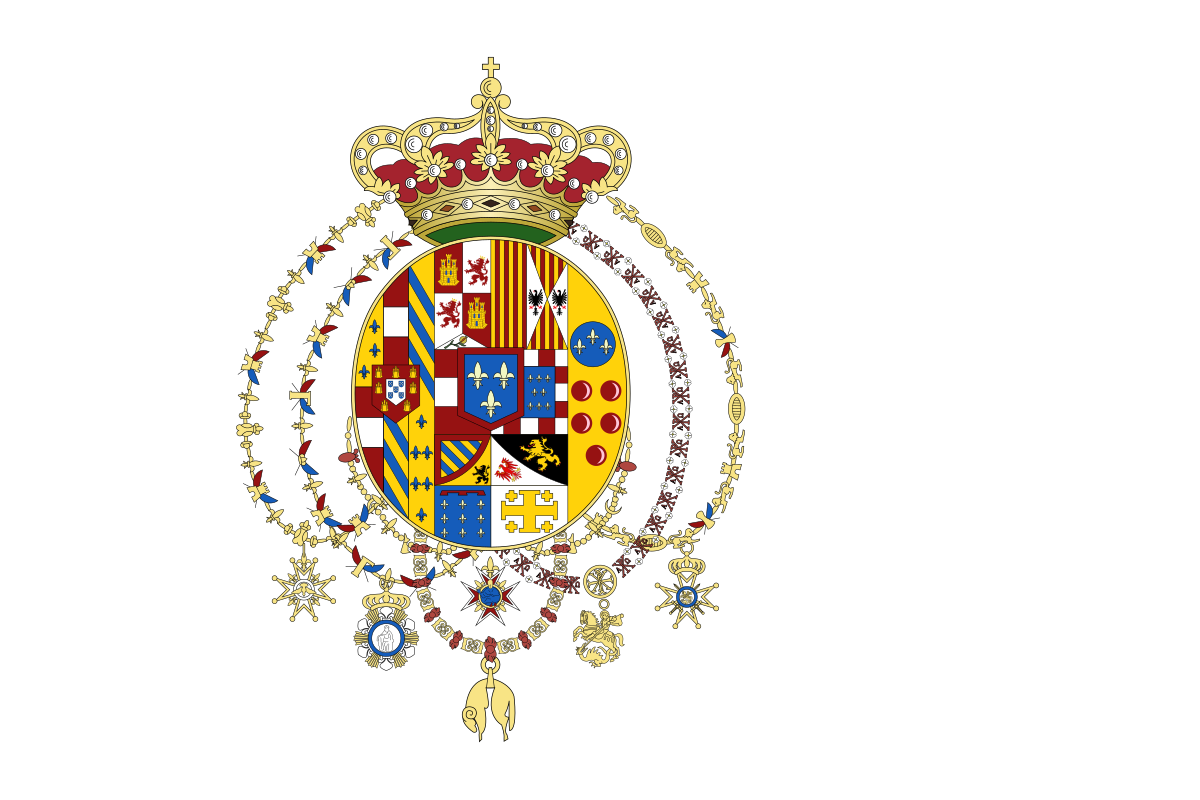
The flag of the former southern Italian kingdom, a symbol of southern (Neapolitan) identity.
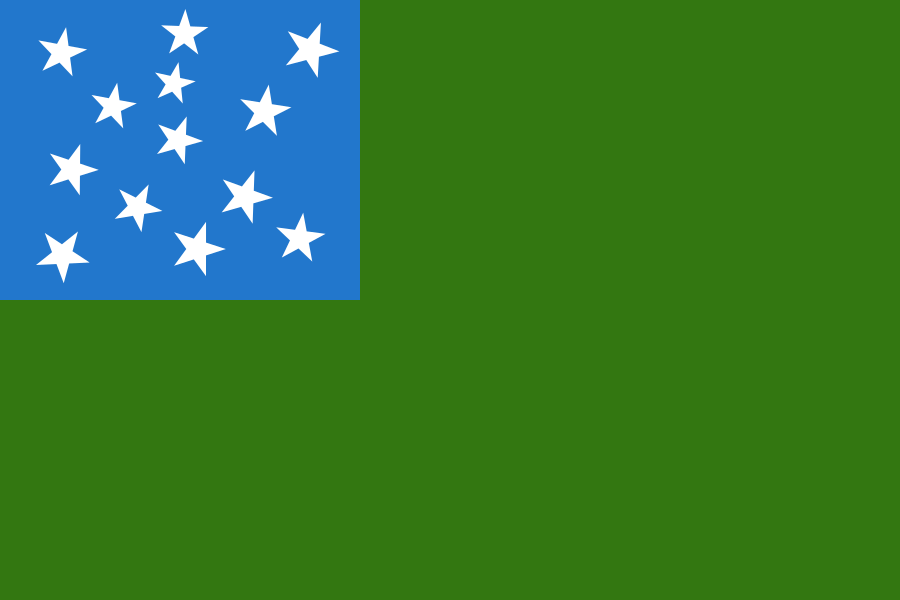
Harks back to the 1777–91 independent Vermont; revived by the modern 'Second Vermont Republic'.
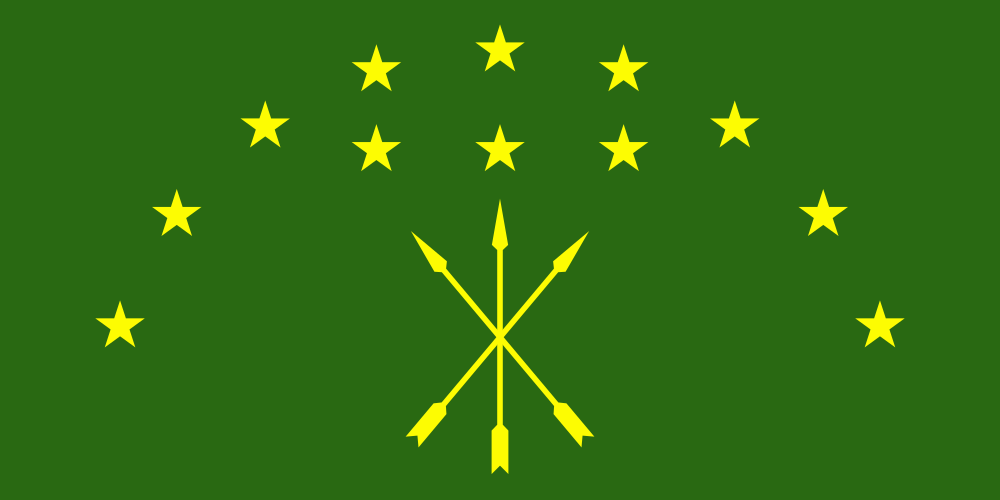
A Circassian (Adyghe) republic of the North Caucasus — twelve stars and three arrows.
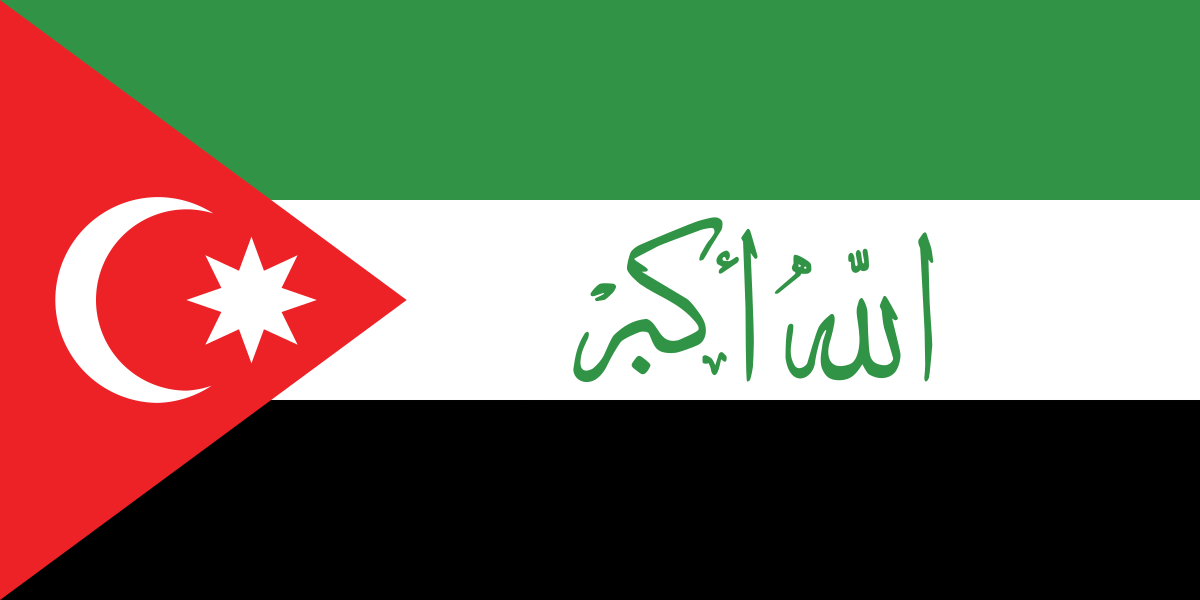
For the Arab population of Iran's oil-rich Khuzestan province.

A Turkic mountain republic where Russia, Mongolia, China and Kazakhstan nearly meet.
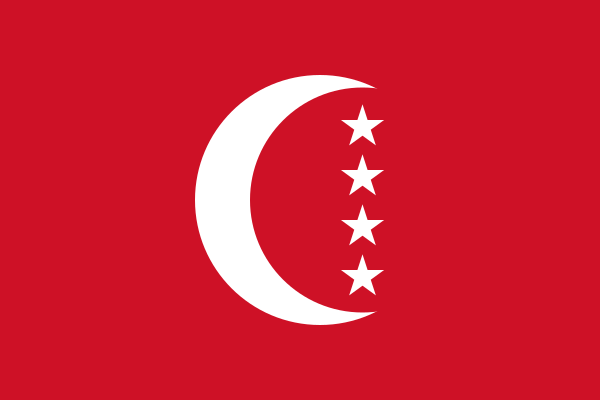
A Comoros island that repeatedly declared independence in the 1990s and 2000s.
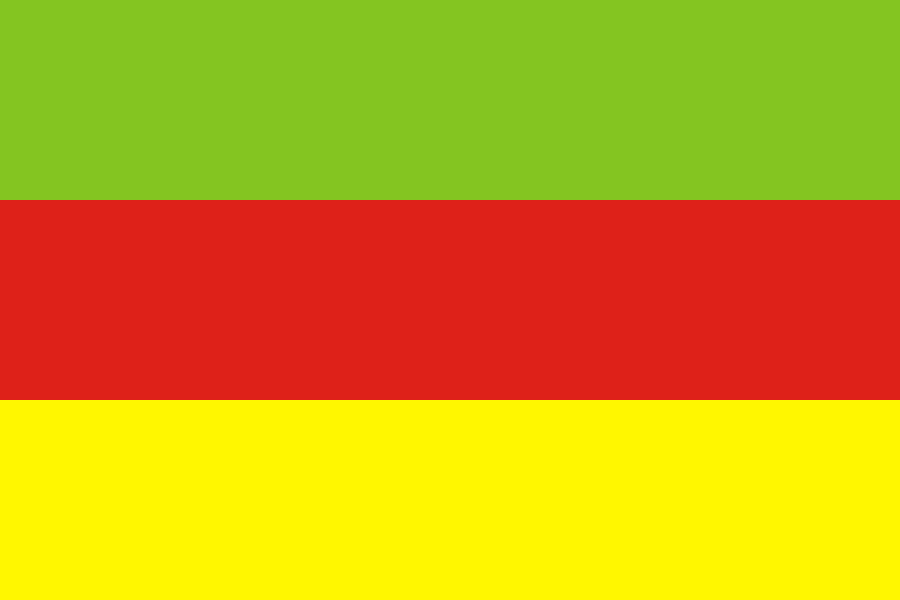
A homeland sought by the Bodo people within Assam, India.
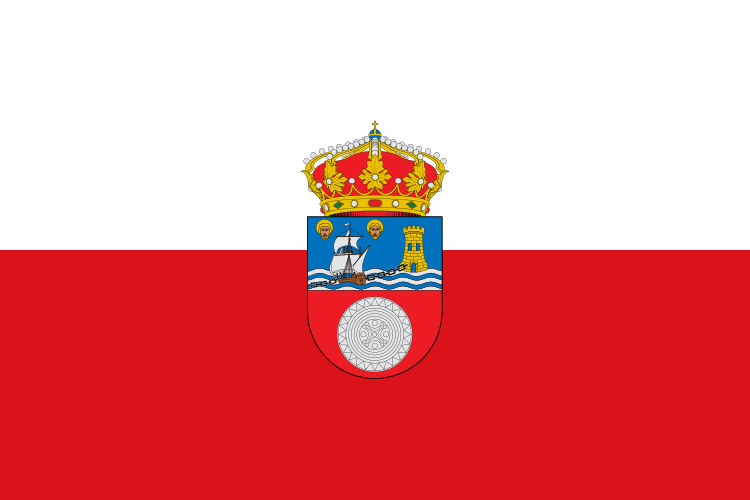
A white-over-red flag with a stele, for the people of Spain's northern coast.
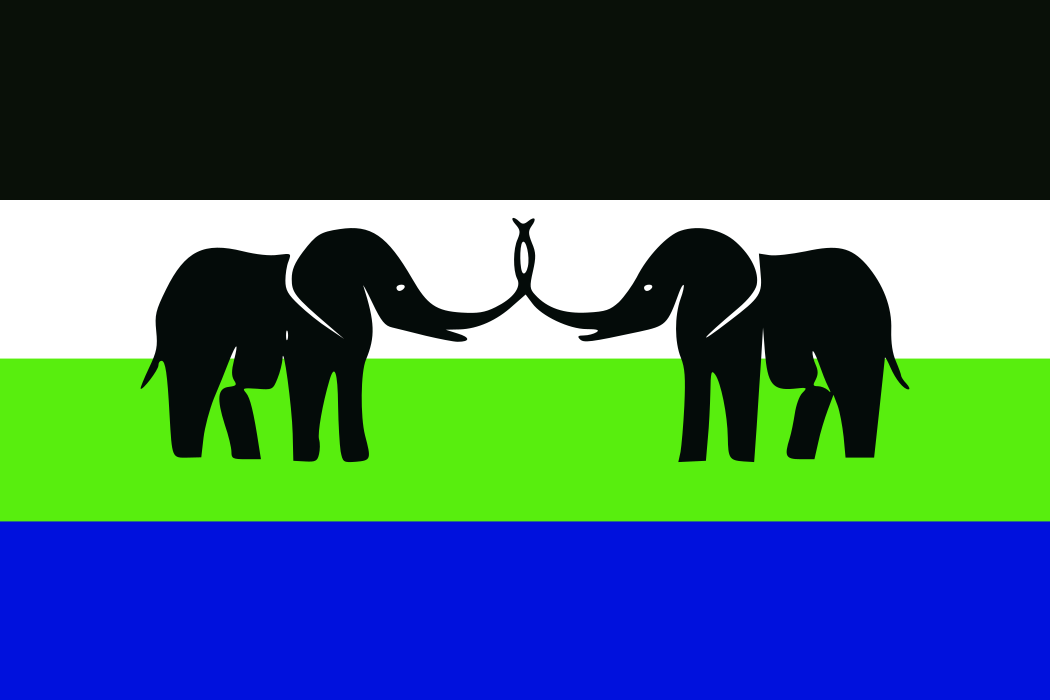
A separatist movement in the narrow Zambezi strip of north-east Namibia.
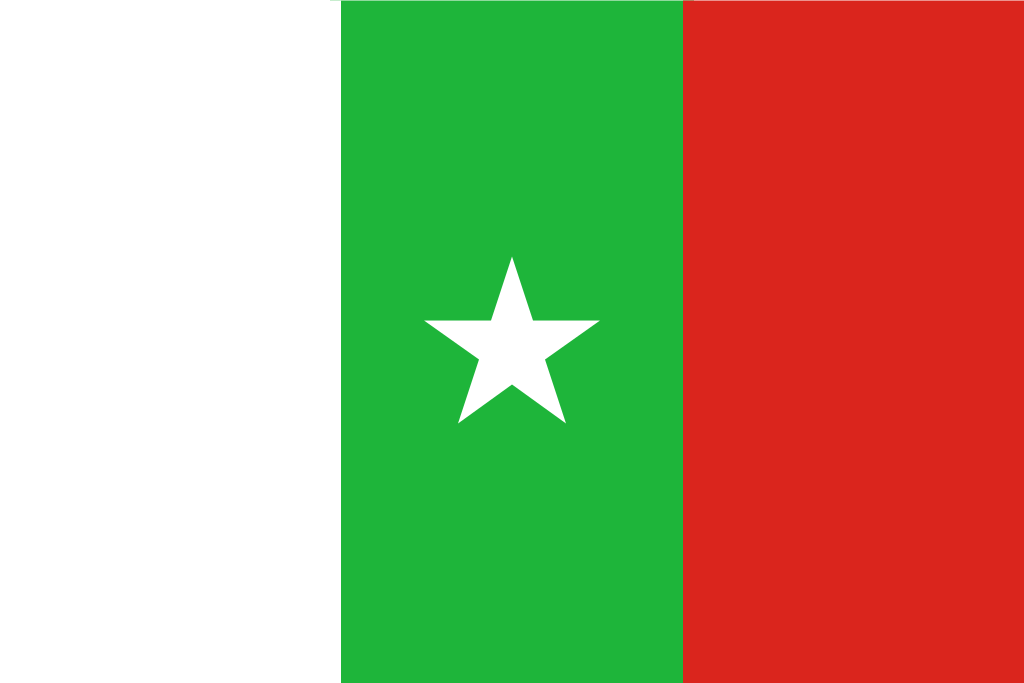
A region of southern Senegal, cut off by the Gambia, with a long independence struggle.
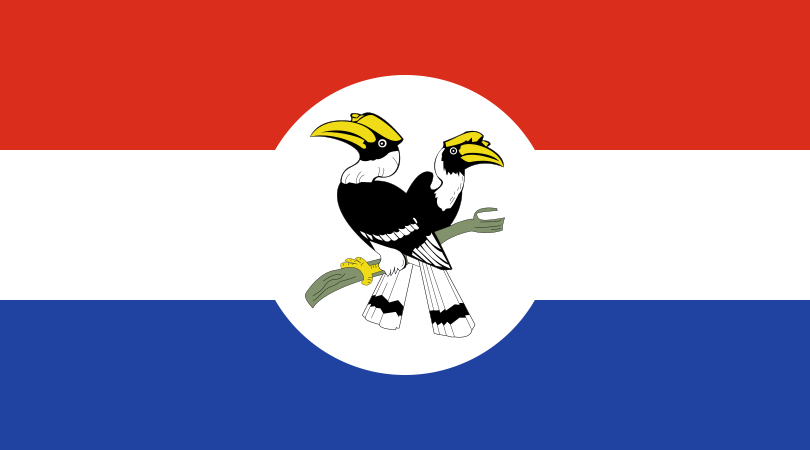
A people of western Myanmar's hills with a long autonomy struggle.
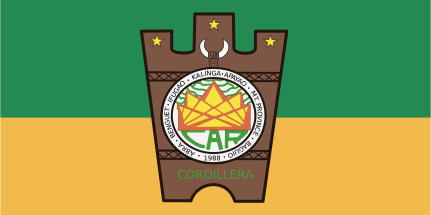
The Indigenous highland region of Luzon in the Philippines.
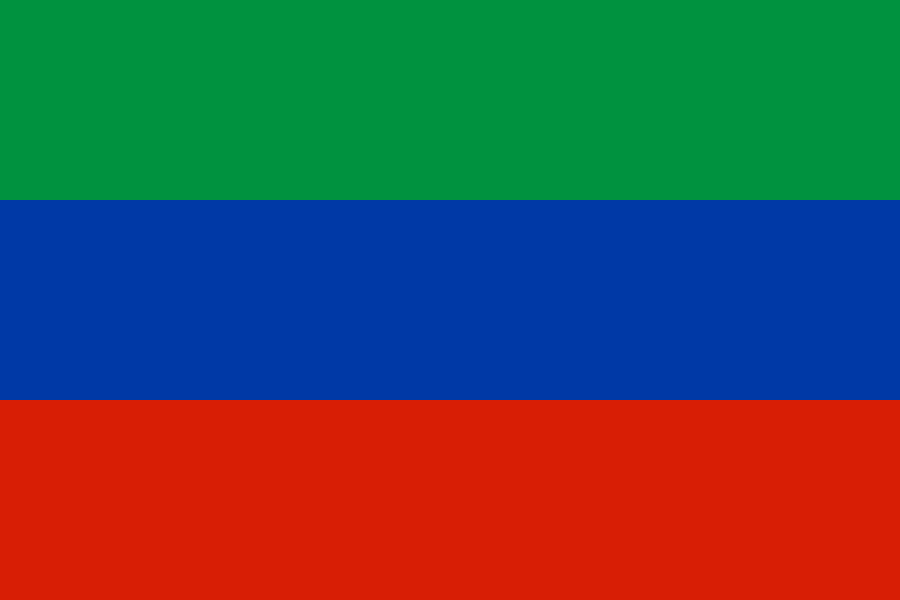
A multi-ethnic republic of the Russian North Caucasus.

The historic Adriatic coastal region of Croatia.
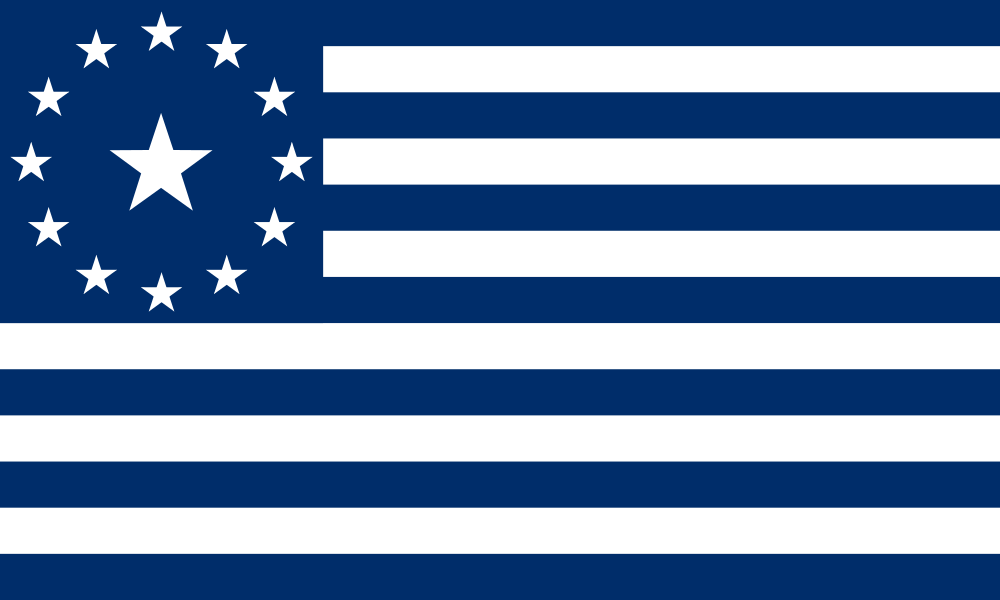
The beehive banner of the 19th-century Mormon proto-state in the Great Basin.
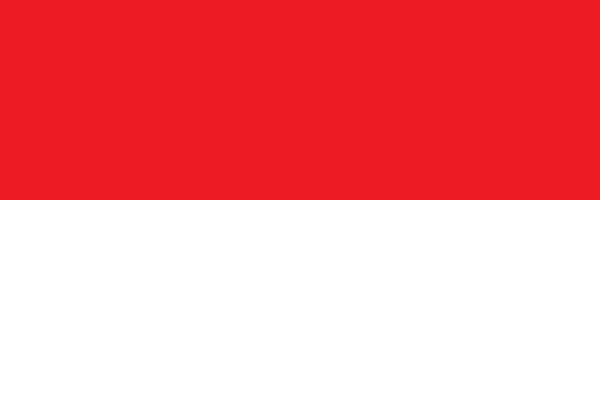
A red-and-white 'Franconian Rake' for the region of northern Bavaria, Germany.
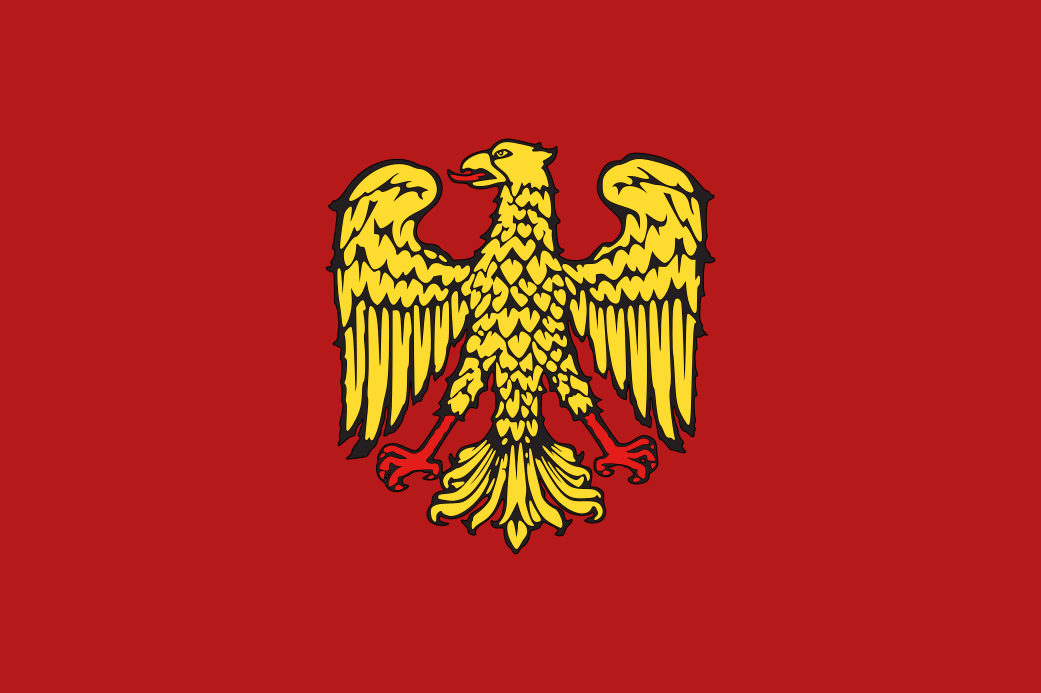
A golden eagle on blue for the Friulian people of north-east Italy.
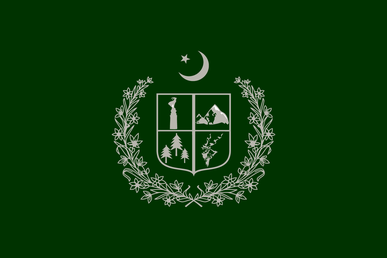
A mountainous, disputed northern territory administered by Pakistan.
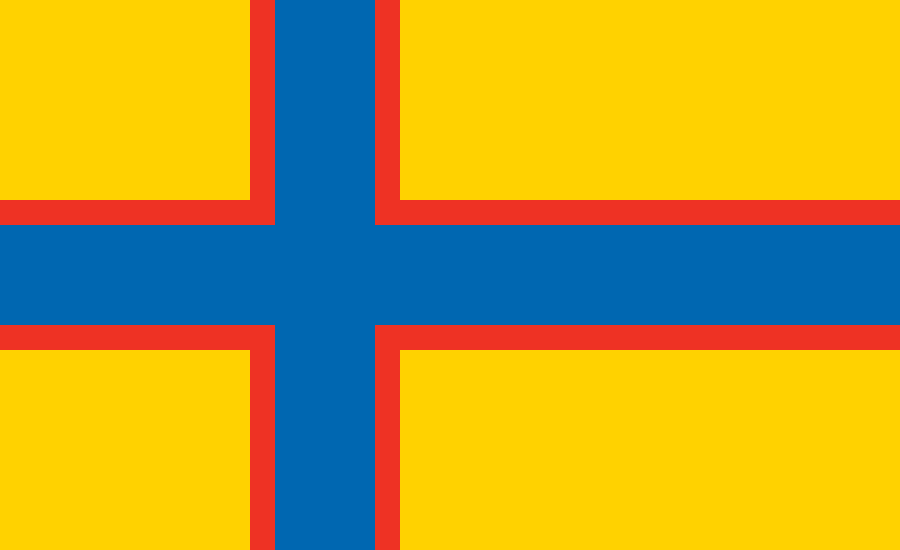
A Nordic-cross flag for the Finnic people of the region around St Petersburg.
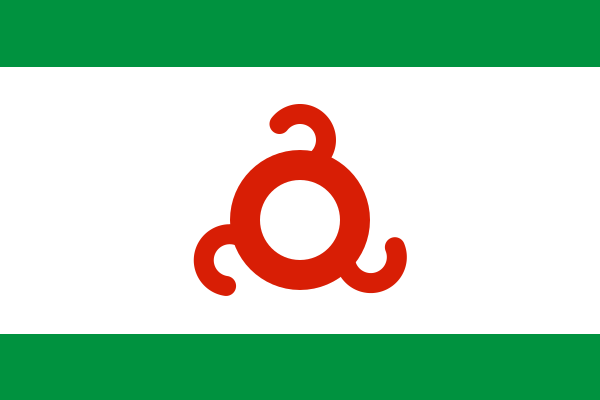
A Caucasus republic of the Ingush people, neighbours of the Chechens.
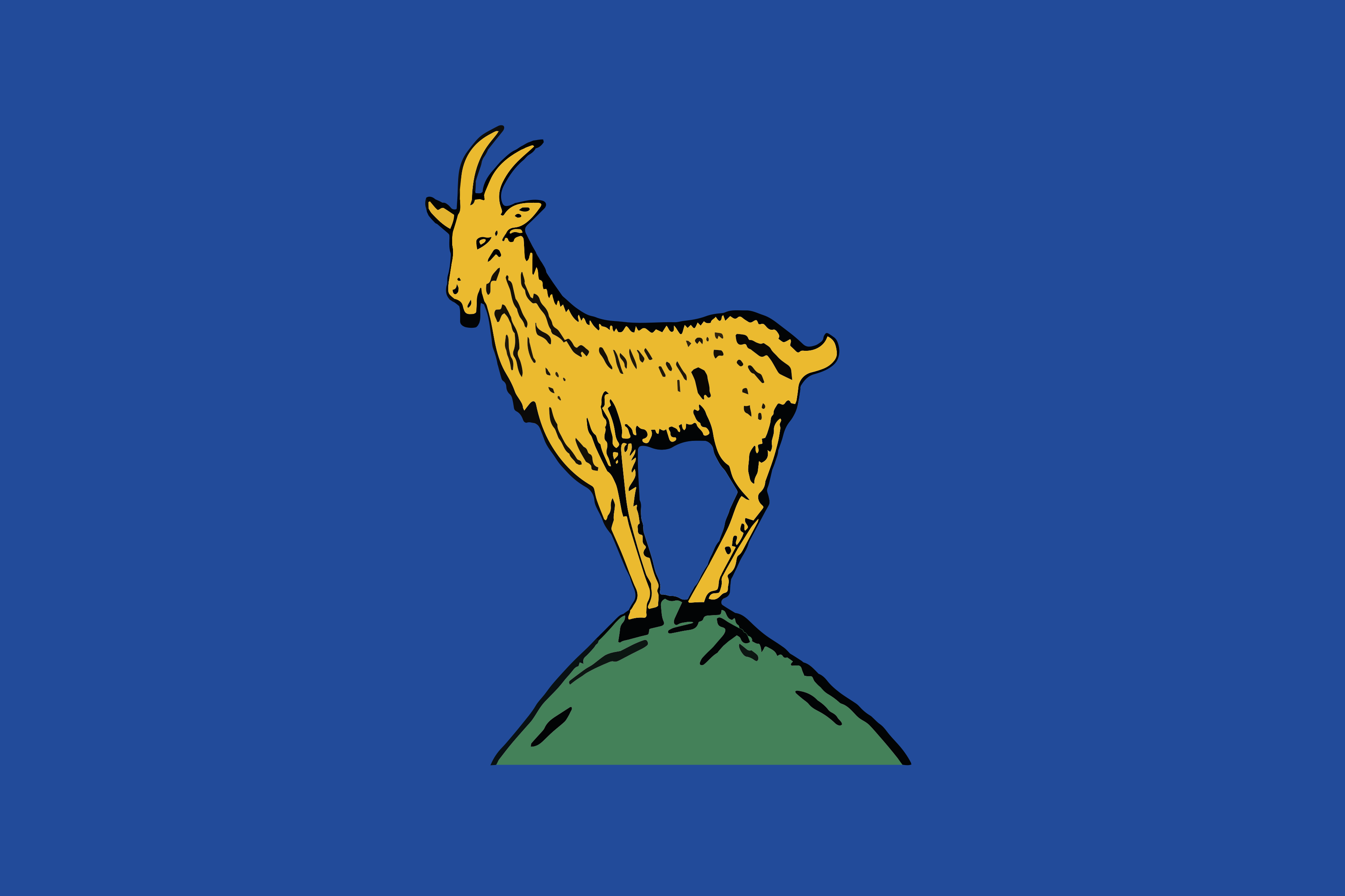
A golden goat on blue — the multi-ethnic peninsula split between Croatia, Slovenia and Italy.
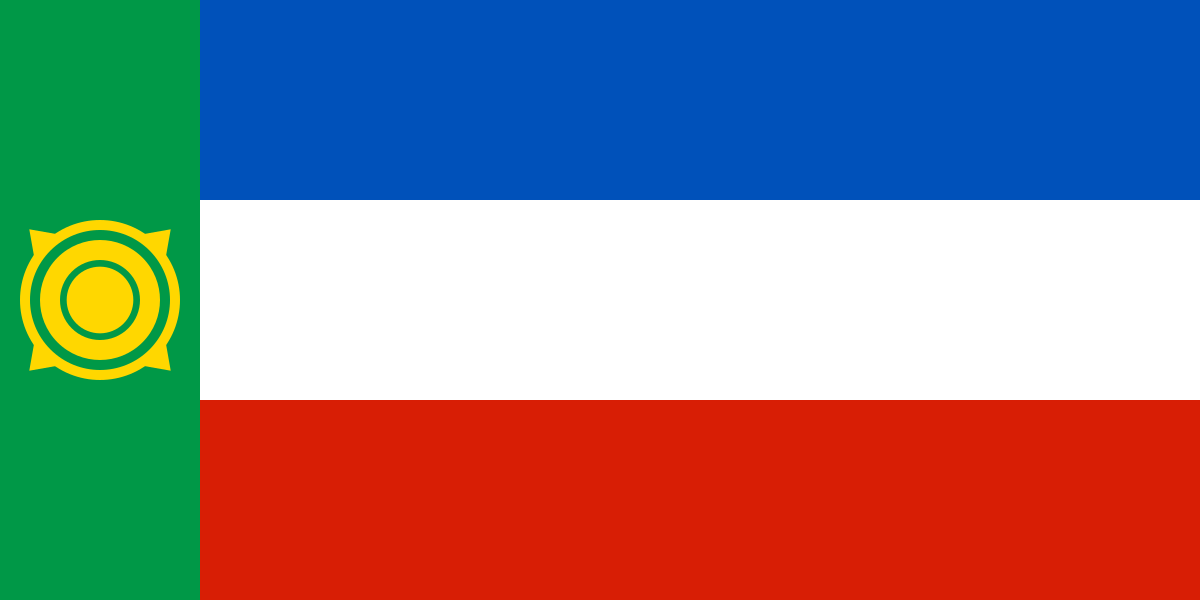
A Turkic people and republic of southern Siberia.
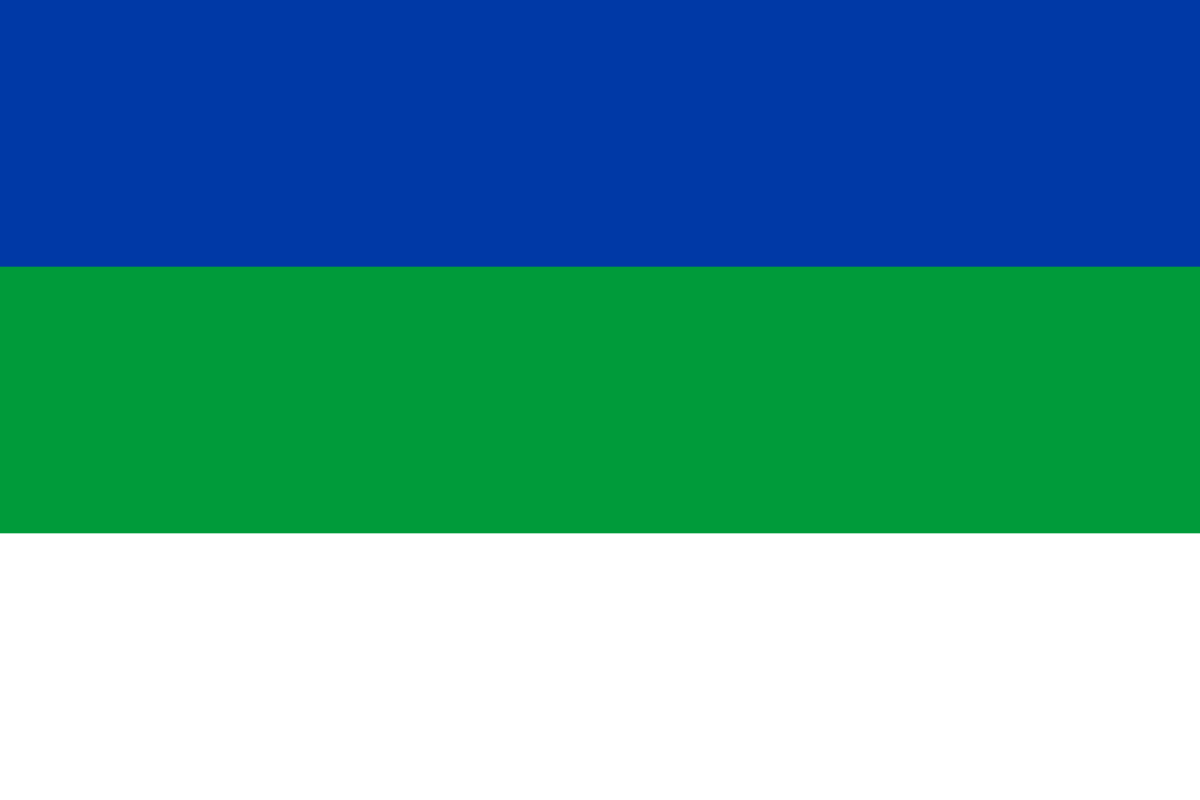
A Finno-Ugric people and republic of north-eastern European Russia.
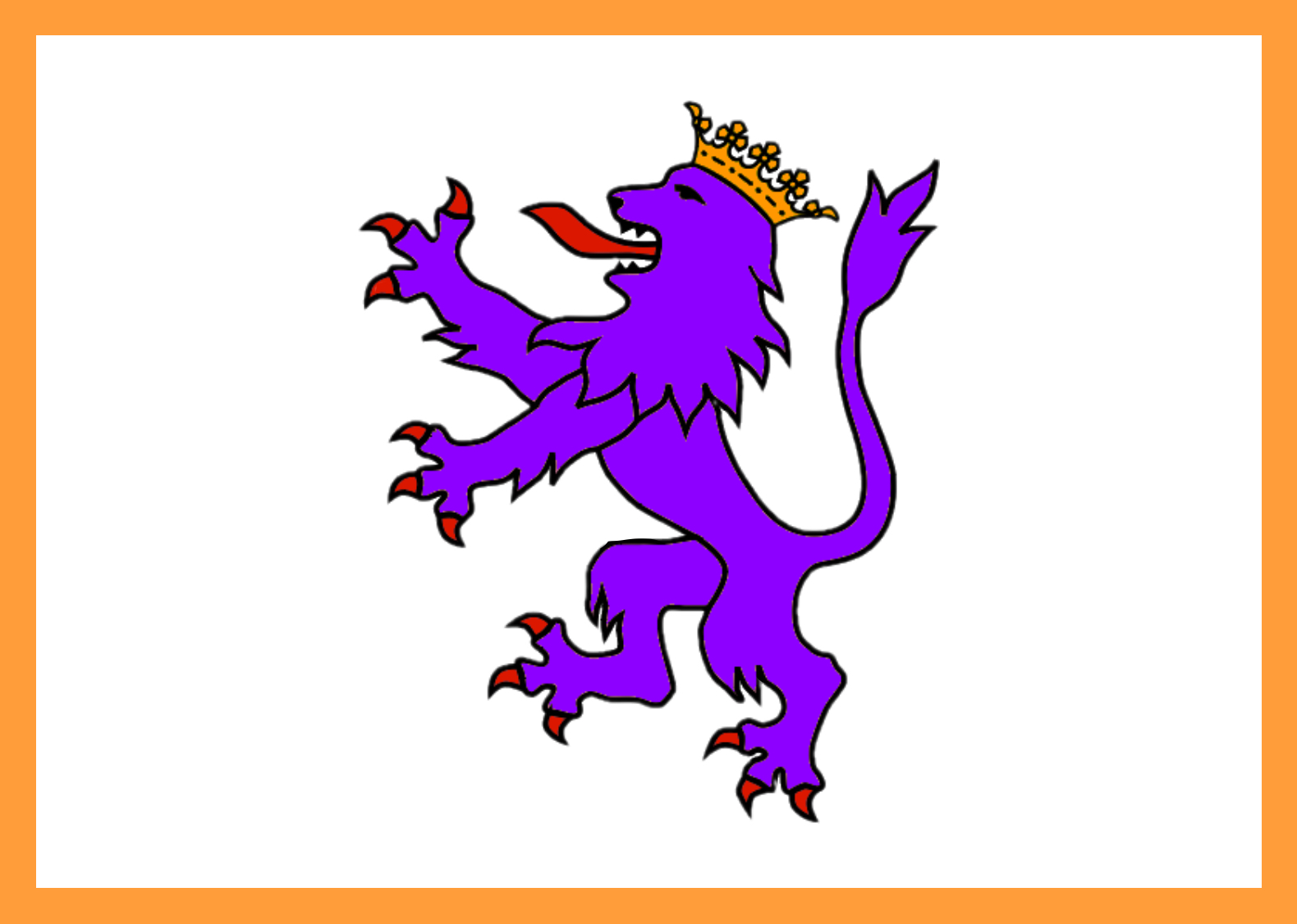
A crimson lion on white — Leonesist regionalism in north-west Spain.
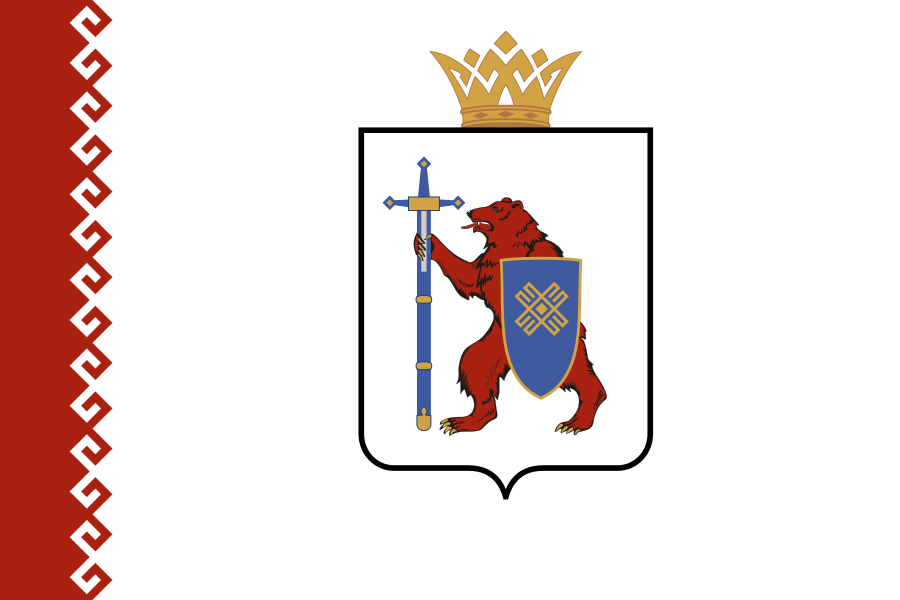
A Finno-Ugric people of the Volga, keepers of one of Europe's last Indigenous pagan traditions.
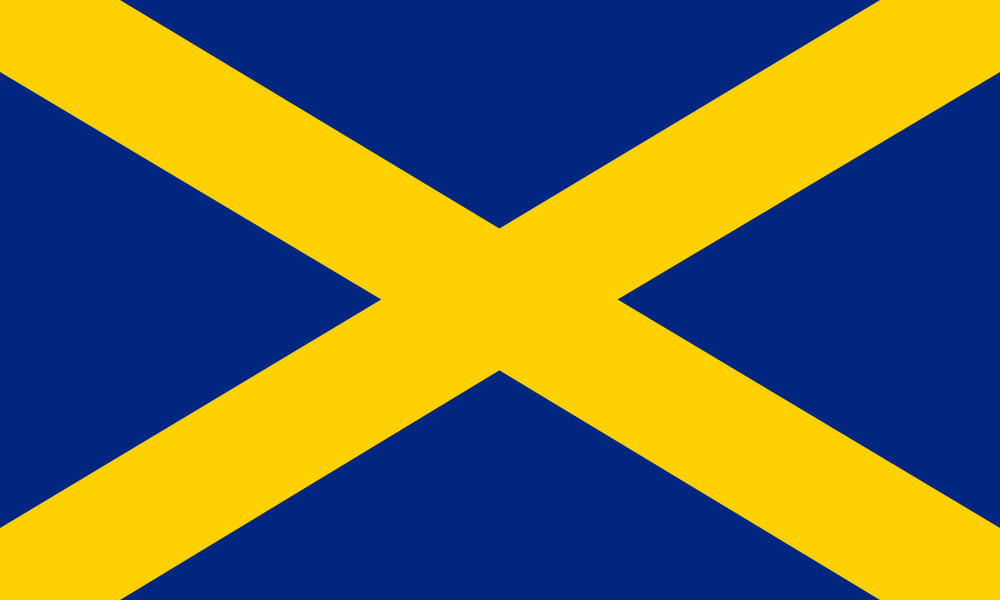
A gold saltire on blue for the English Midlands' old kingdom.
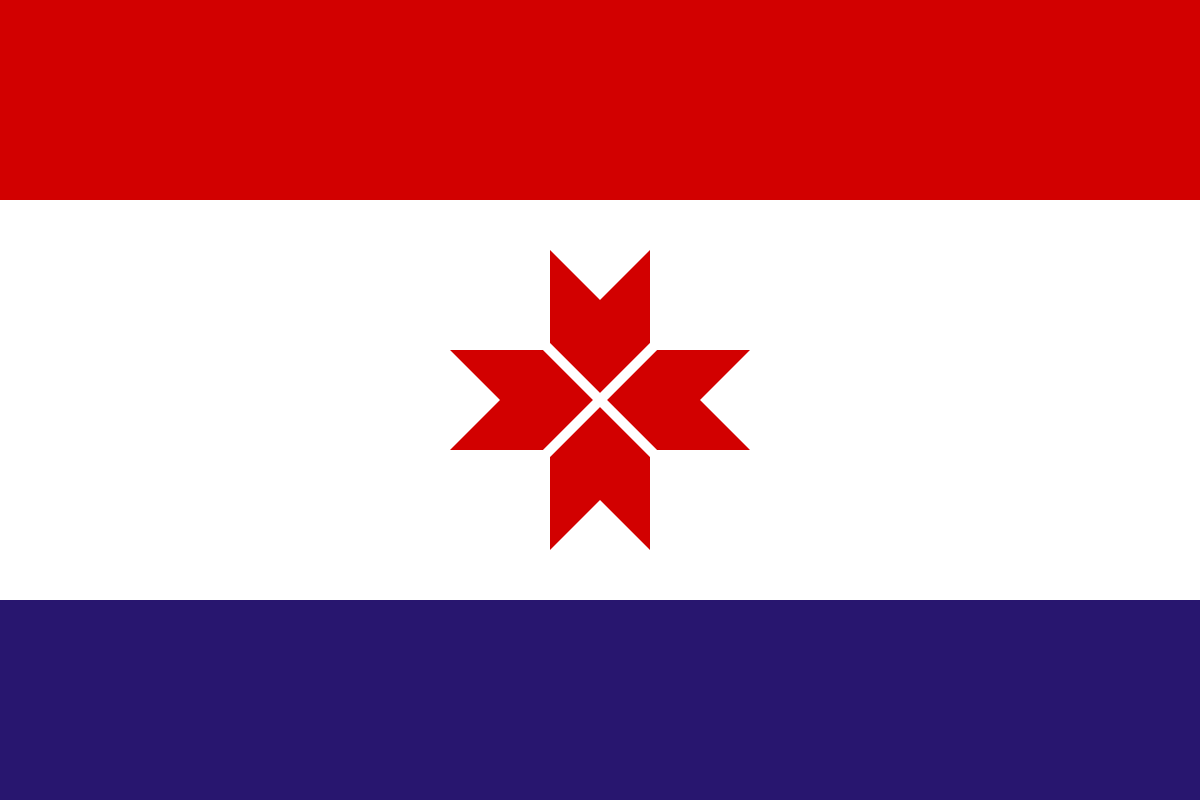
A Finno-Ugric (Erzya and Moksha) republic of the Volga region.
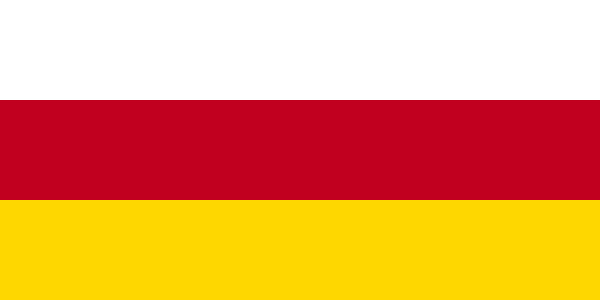
The Russian-side Ossetian republic, counterpart to breakaway South Ossetia.
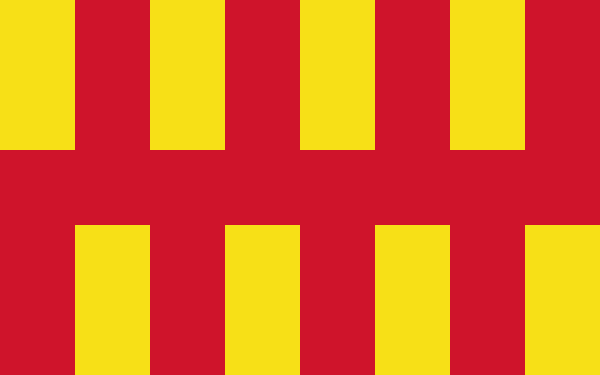
Red-and-yellow stripes for the historic north-eastern English kingdom.
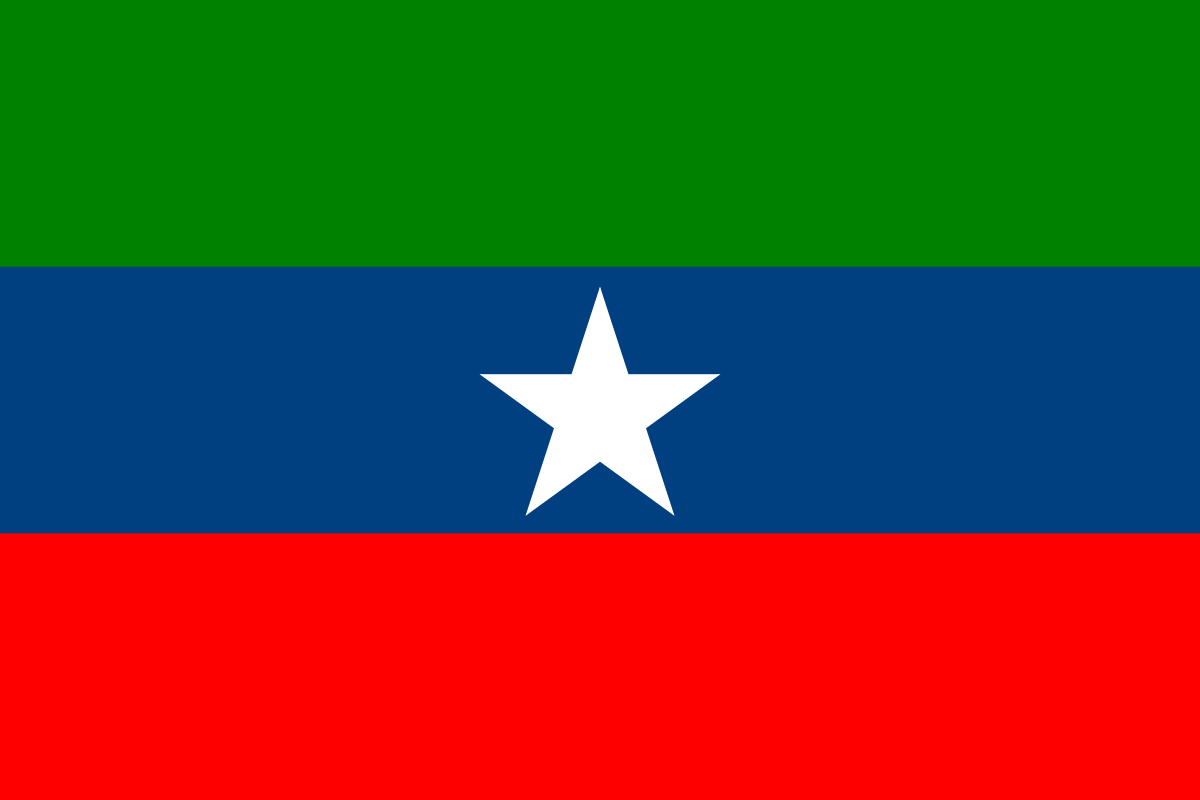
An ethnic-Somali separatist movement in Ethiopia's Somali Region.
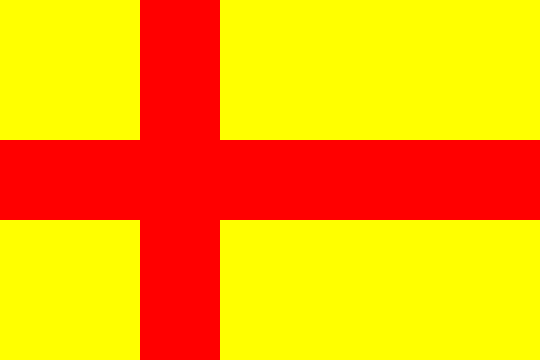
A red-and-yellow Nordic cross for the northern Scottish archipelago.
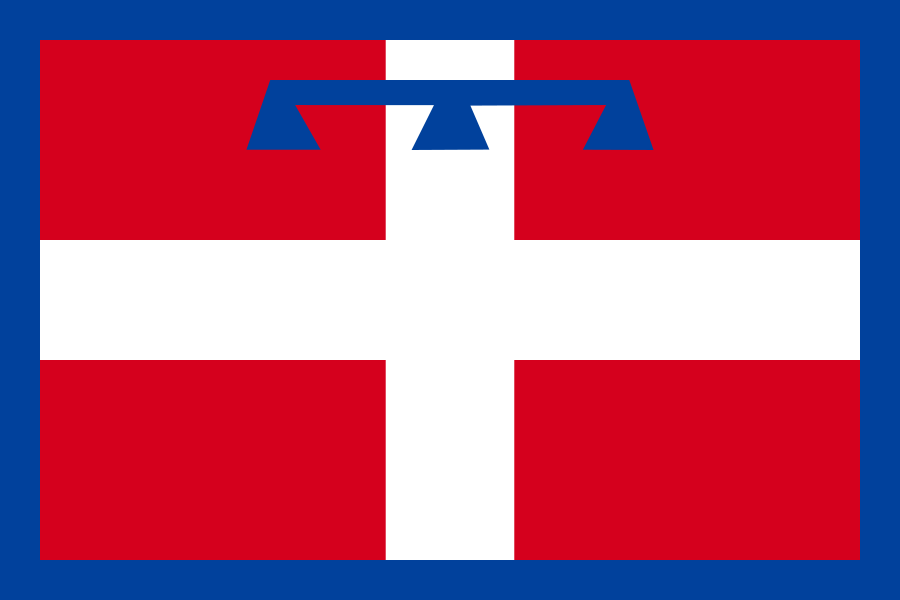
A red-and-blue banner of the north-western Italian region around Turin.
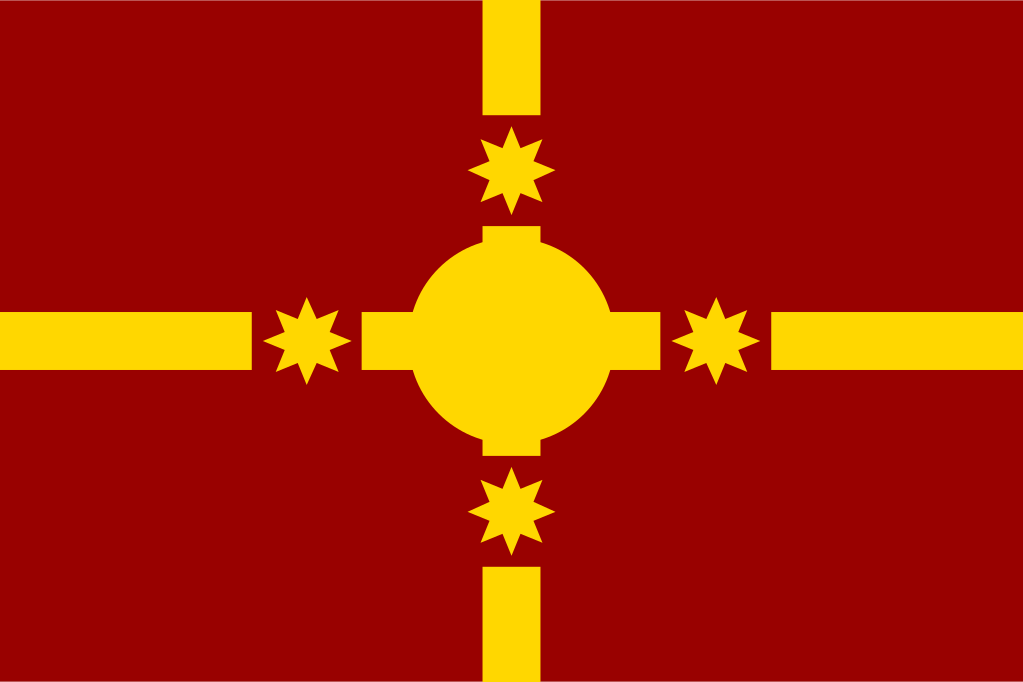
A culturally Polynesian dependency of Fiji with its own identity.
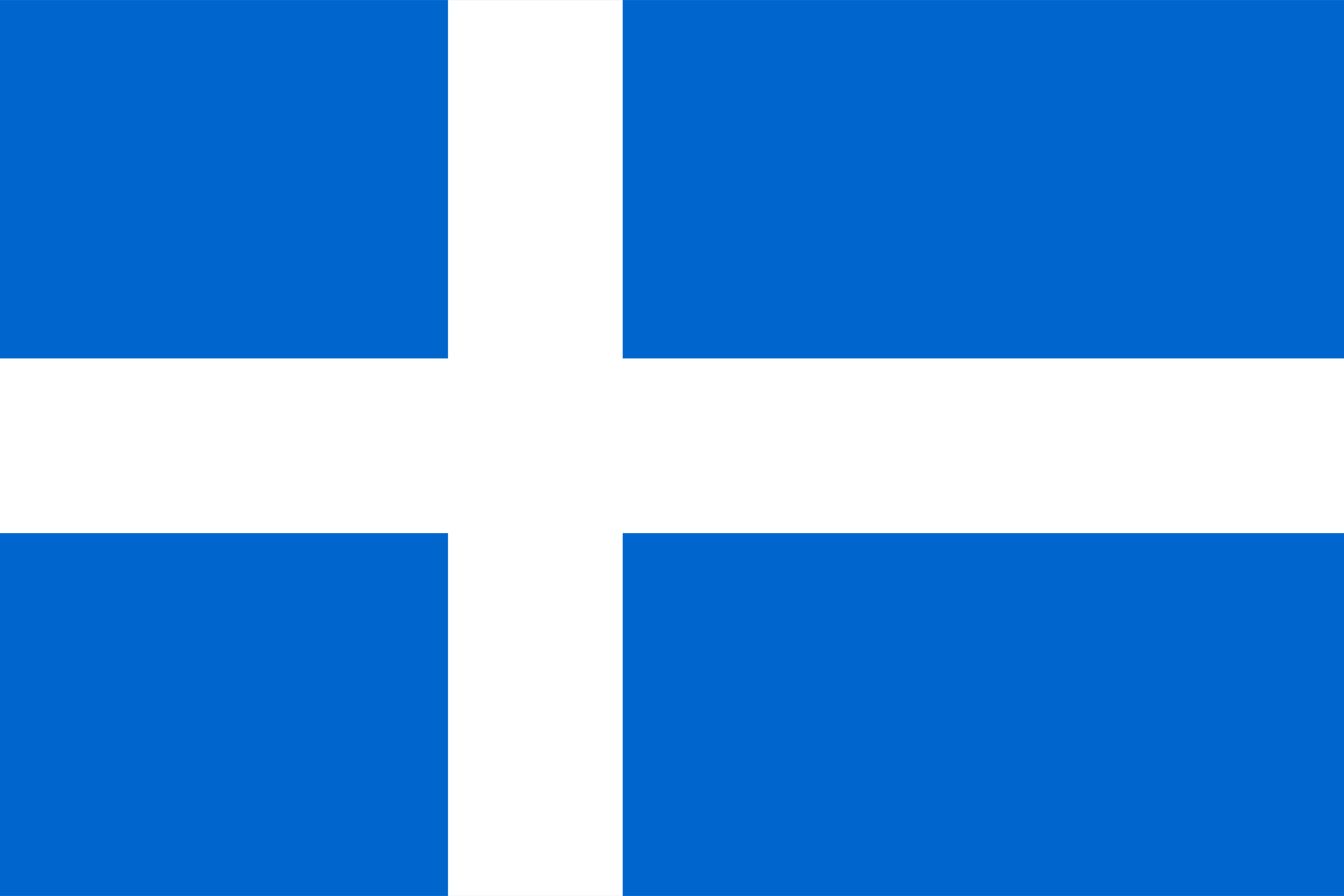
A white Nordic cross on blue, nodding to the islands' Norse heritage off Scotland.
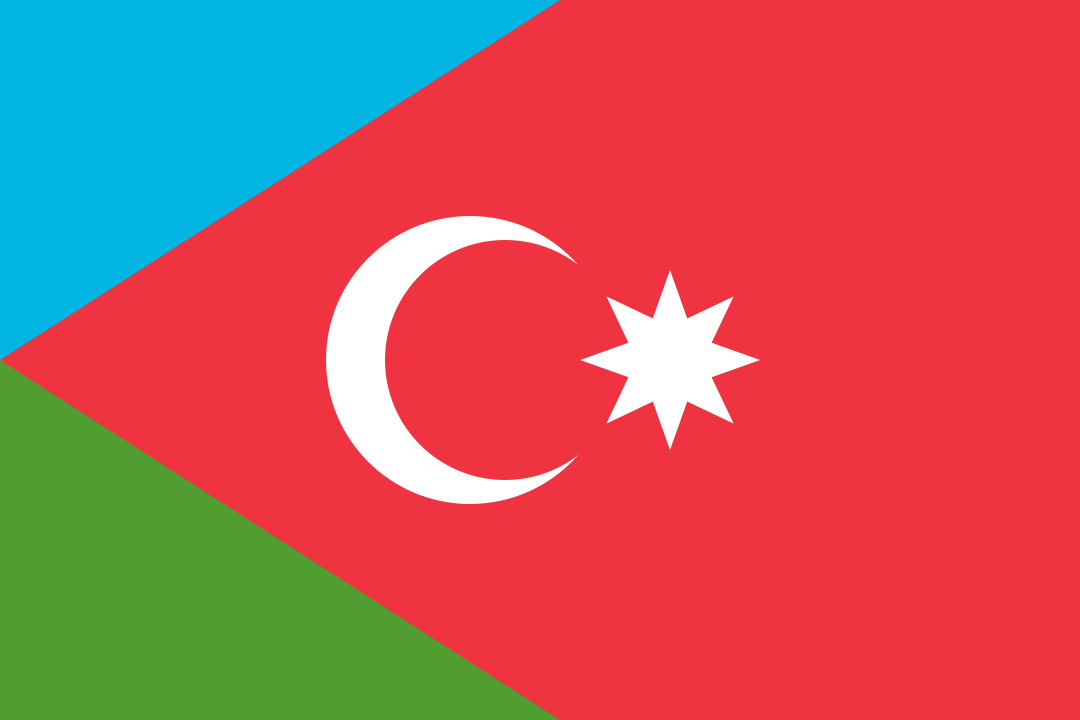
For the Azerbaijani Turks of north-western Iran.
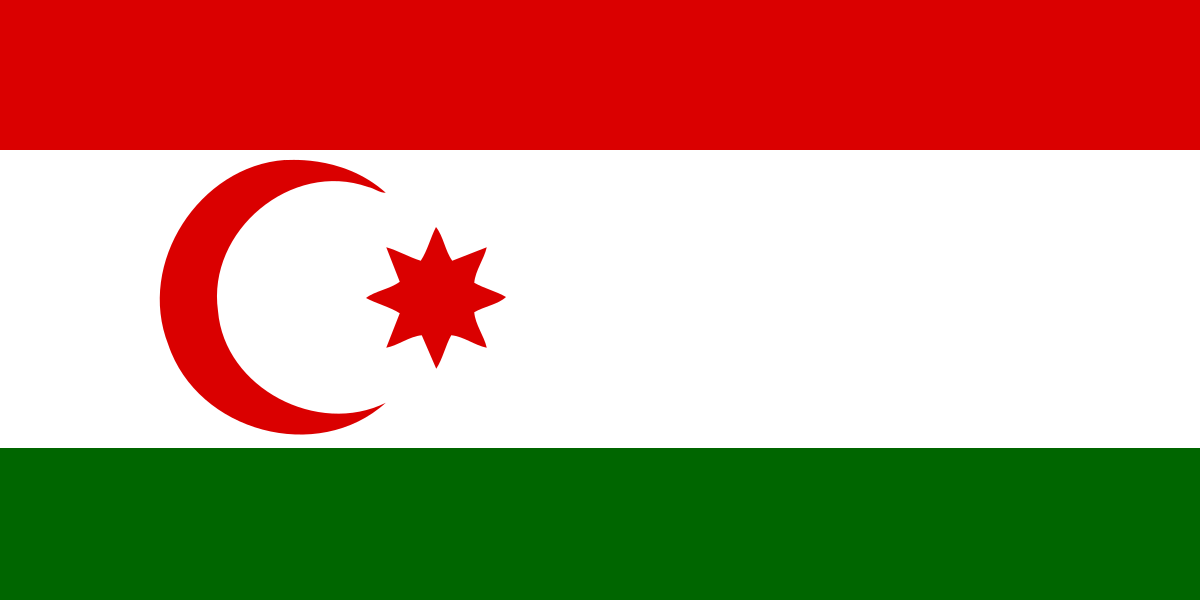
An Iranian-speaking people of south-east Azerbaijan and northern Iran.
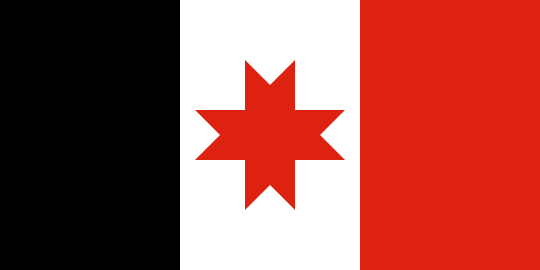
A Finno-Ugric people and republic of the western Urals.
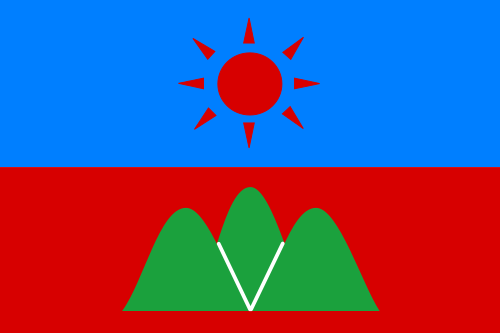
A de-facto autonomous statelet of the Wa people in eastern Myanmar.
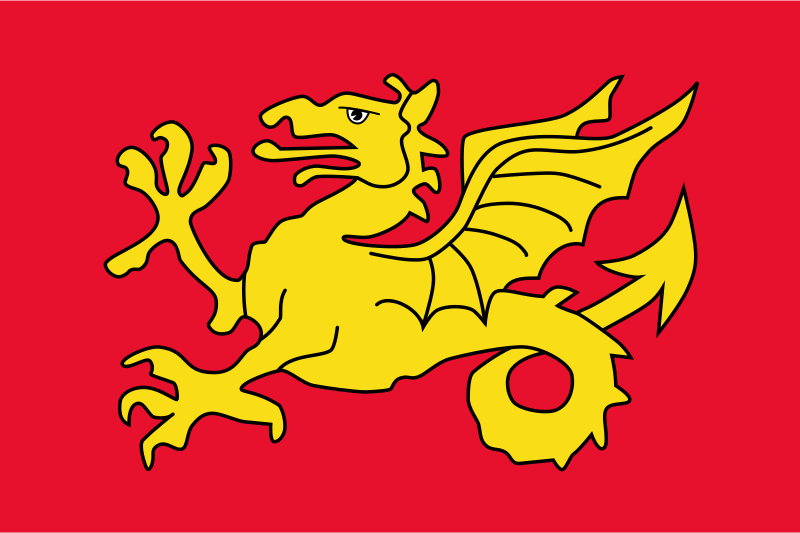
A golden wyvern — a regionalist banner for the historic kingdom of south-west England.
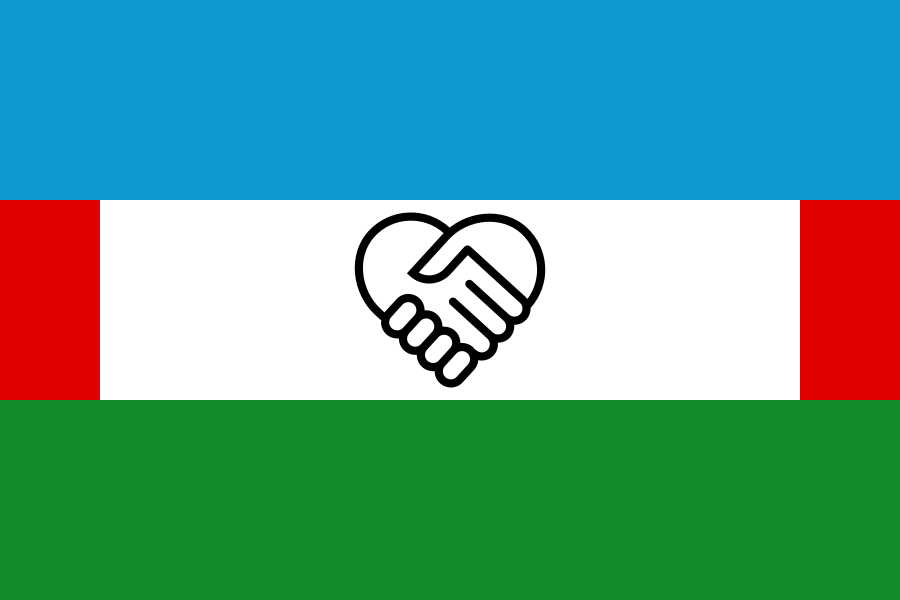
A secessionist push in the Volta region of eastern Ghana.
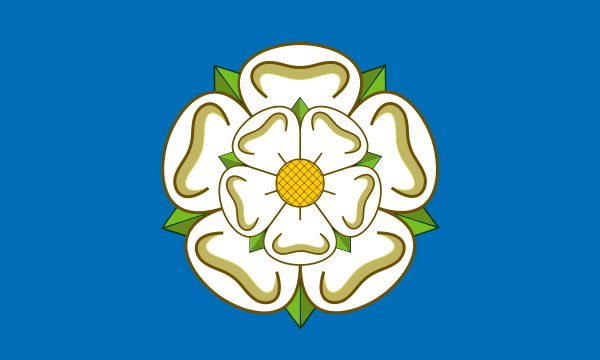
The white rose on blue — a strong regional identity in northern England.