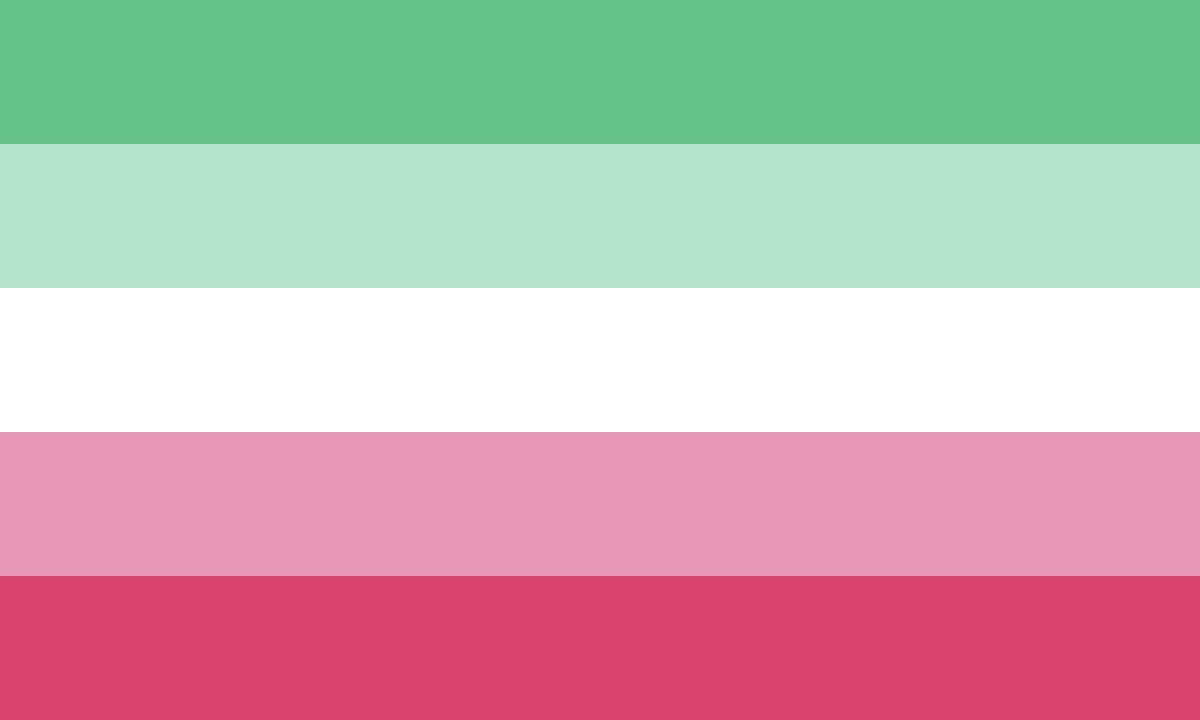
Abrosexual Pride Flag
For an orientation that is fluid and changes over time, with green-to-pink stripes.
The rainbow flag and the many pride flags that followed it, and what each stripe and colour stands for. 44 flags, each with its story.
For an orientation that is fluid and changes over time, with green-to-pink stripes.
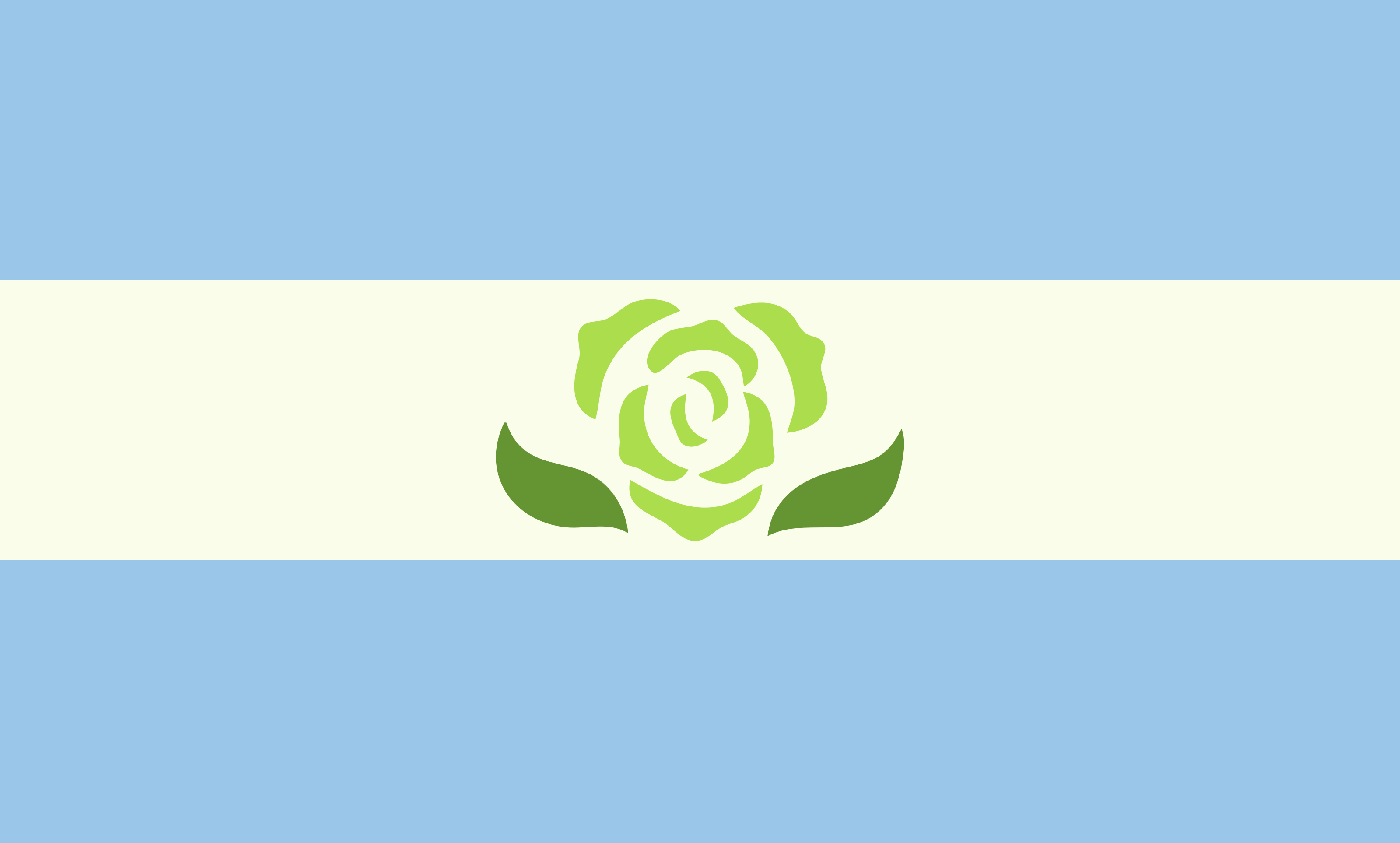
A men-loving-men flag with two green carnations — a nod to Oscar Wilde, who wore a green carnation to subtly signal his orientation.
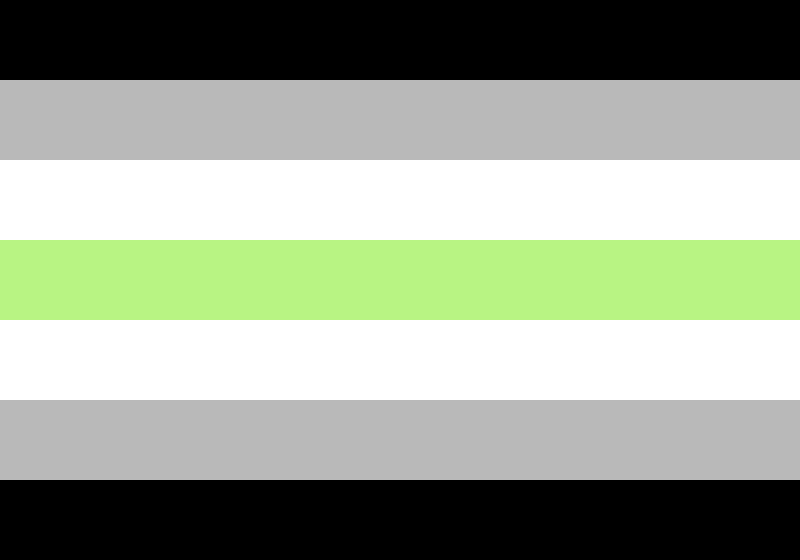
A symmetrical seven-stripe flag (2014) for the absence of gender: black and white for no gender, grey for partial, and green for non-binary.
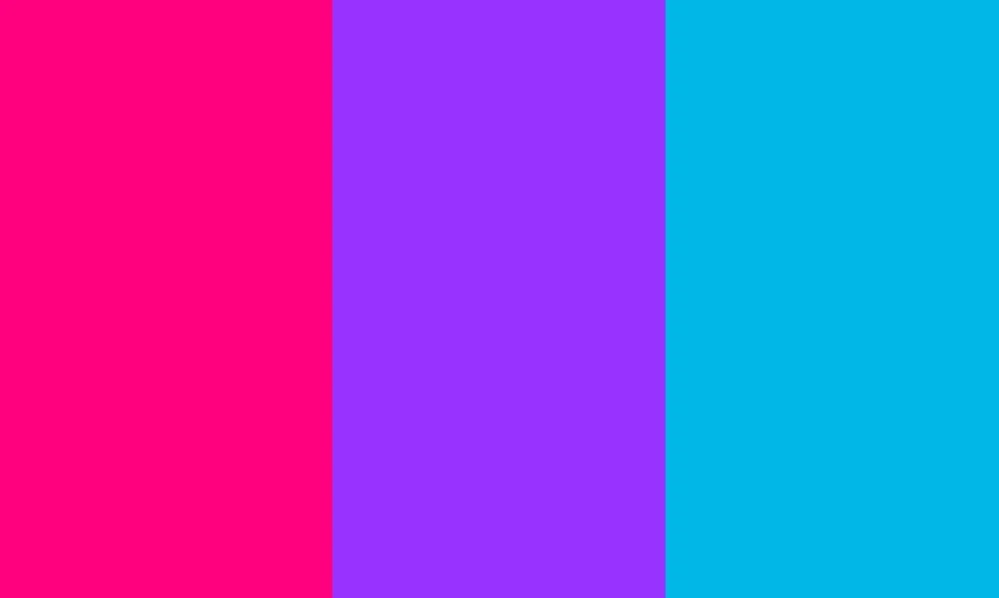
Pink, purple and blue for a gender blending masculine and feminine.
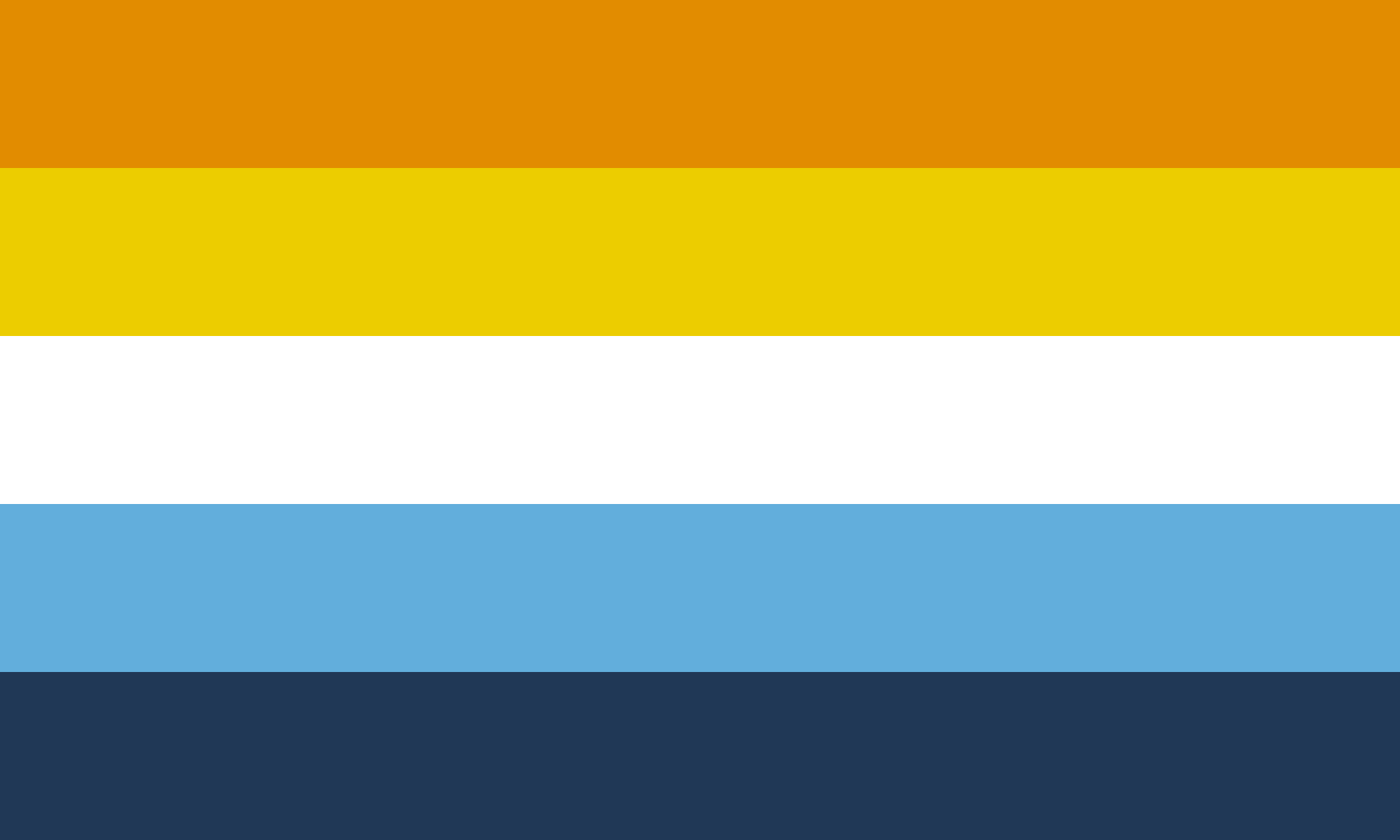
Orange-to-yellow over white and two shades of blue, combining aromantic and asexual identity for people who are both.

For those who experience little or no romantic attraction. The 2014 design uses dark and light green, white, grey, and black stripes.
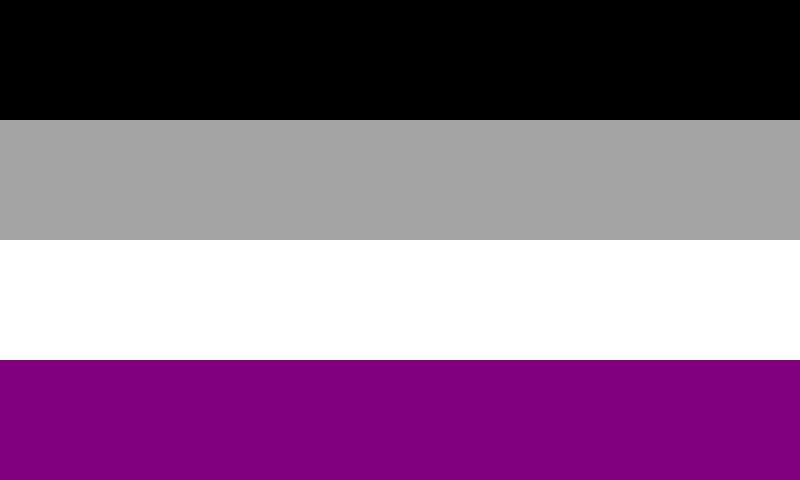
Created by the AVEN community in 2010: black for asexuality, grey for the grey-area, white for allies and partners, and purple for community.
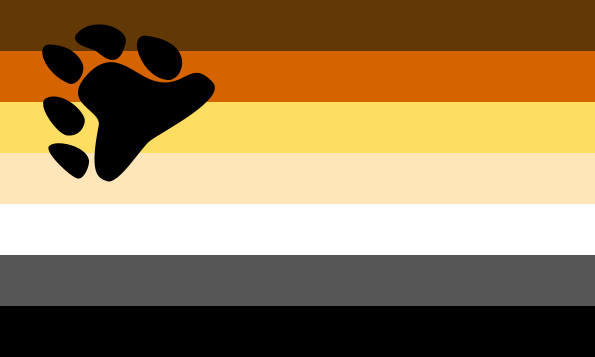
Earthy brown-to-tan stripes with a bear paw — for the burly, hairy 'bear' community of gay culture.
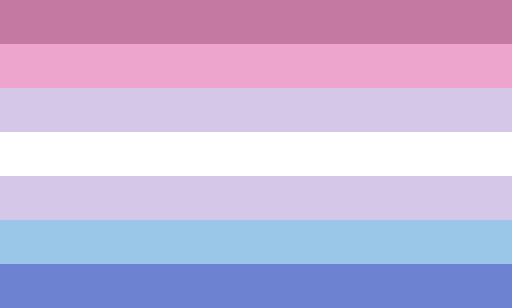
For identifying as two genders at once or fluctuating between them, in shades of pink, purple, white, and blue.
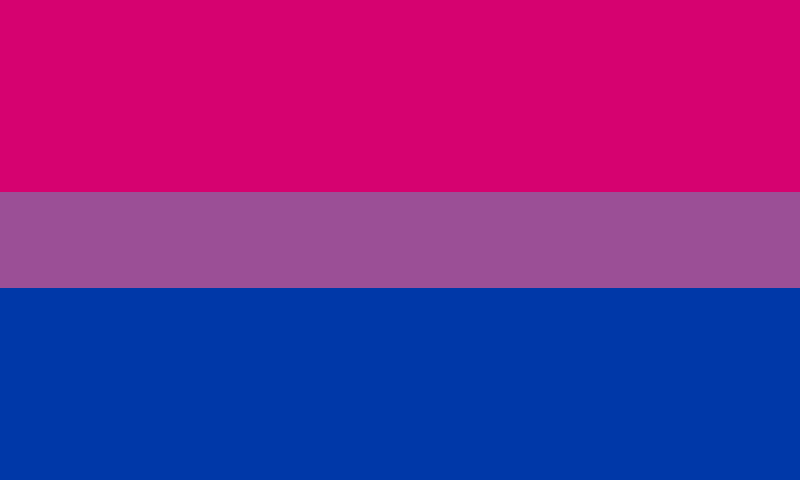
Michael Page's 1998 design: magenta for same-gender attraction, blue for opposite-gender, and an overlapping purple stripe for attraction across the spectrum.
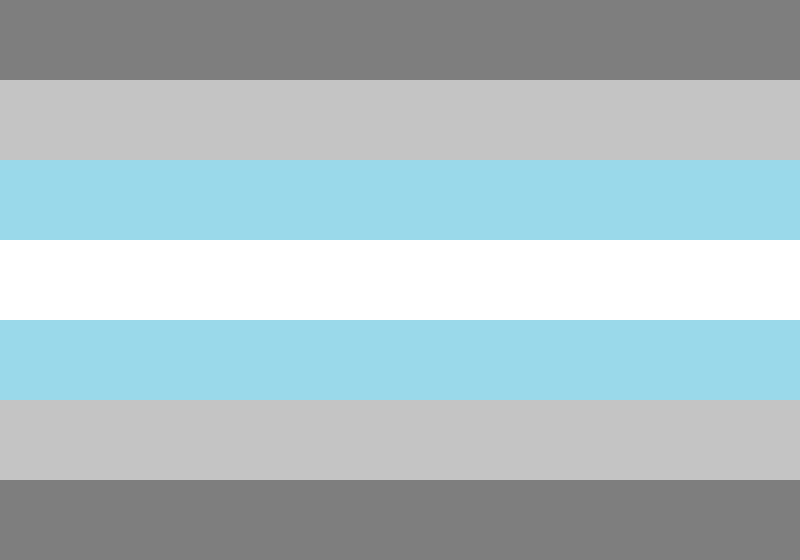
Grey, blue and white stripes for someone who partially, but not wholly, identifies as a boy or man.
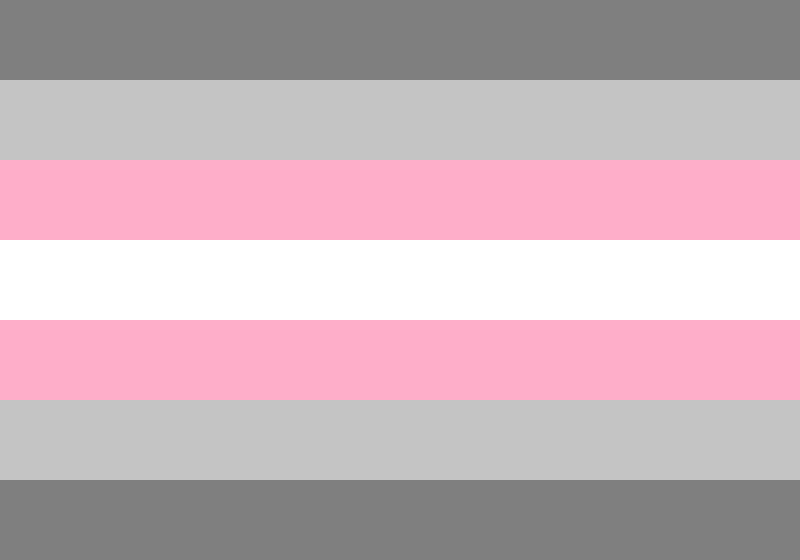
Grey, pink and white stripes for someone who partially identifies as a girl or woman.
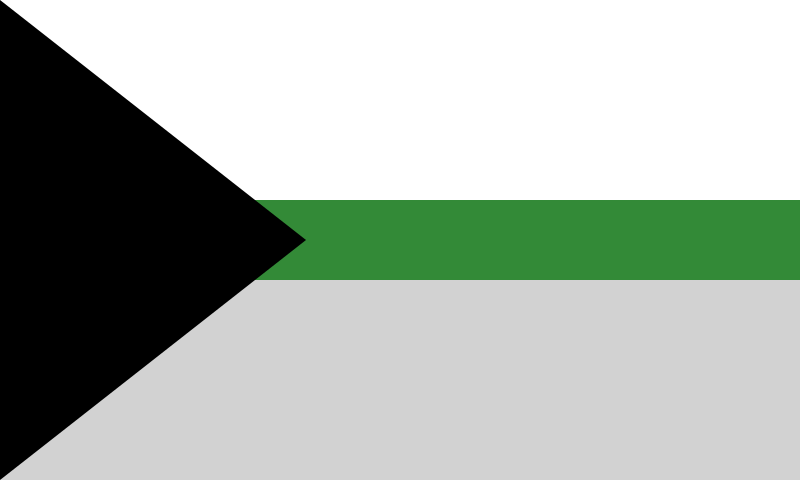
The romantic-attraction counterpart to demisexual, mirroring its layout but using green in place of purple.
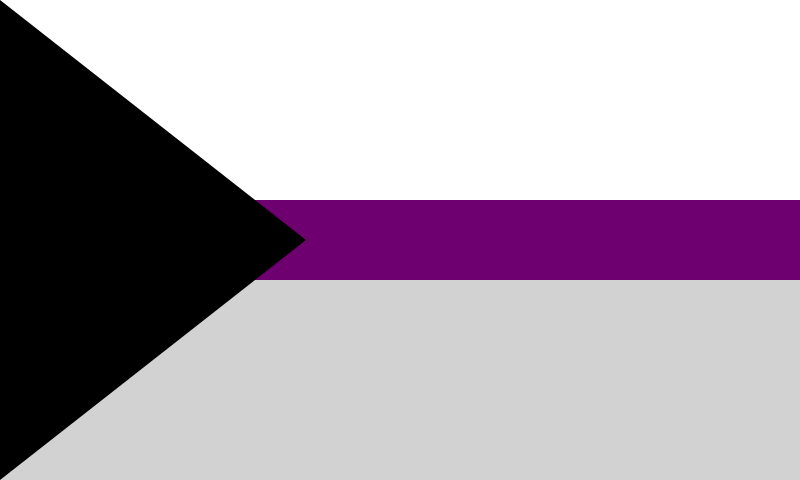
For attraction that forms only after a deep emotional bond: a black hoist triangle, white and grey halves, and a purple central stripe.
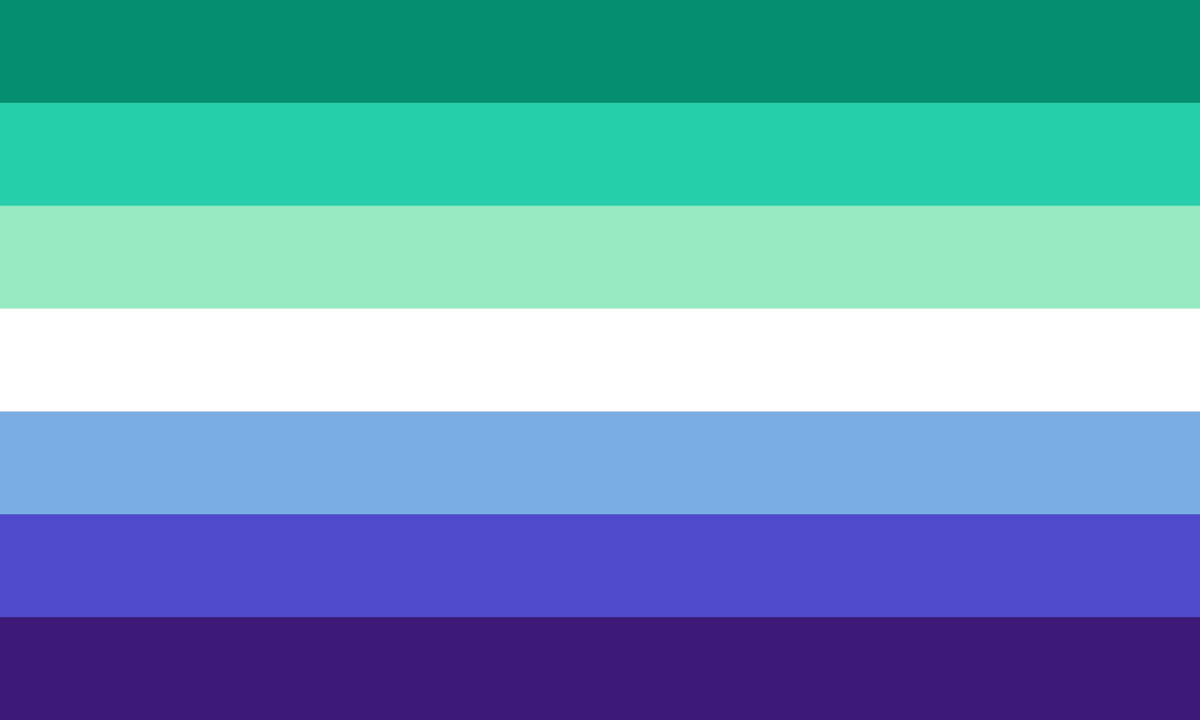
A 2019 counterpart to the sunset lesbian flag, with green-to-blue stripes for community, healing, and diversity among gay and queer men.
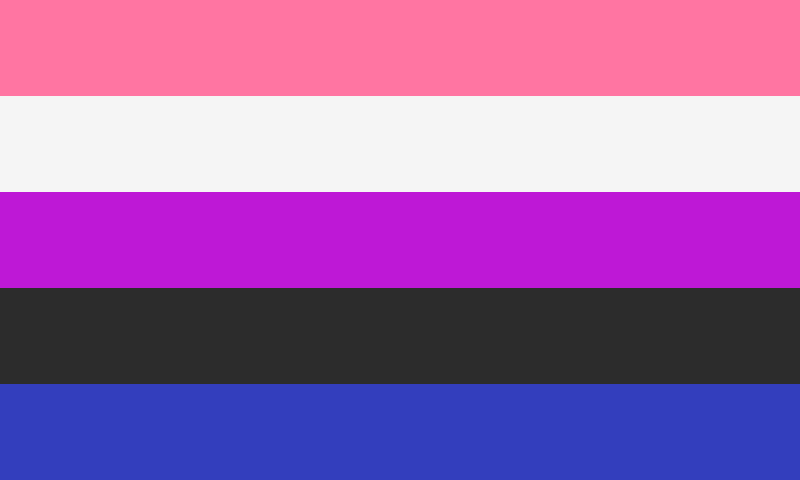
For a gender identity that fluctuates over time, with pink, white, purple, black, and blue stripes (2012).
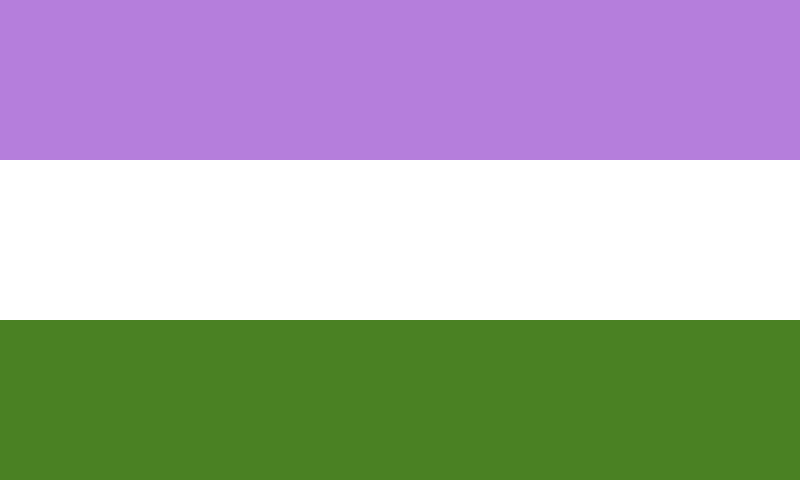
Marilyn Roxie's 2011 design: lavender for androgyny, white for agender identity, and chartreuse green for identities outside the binary.
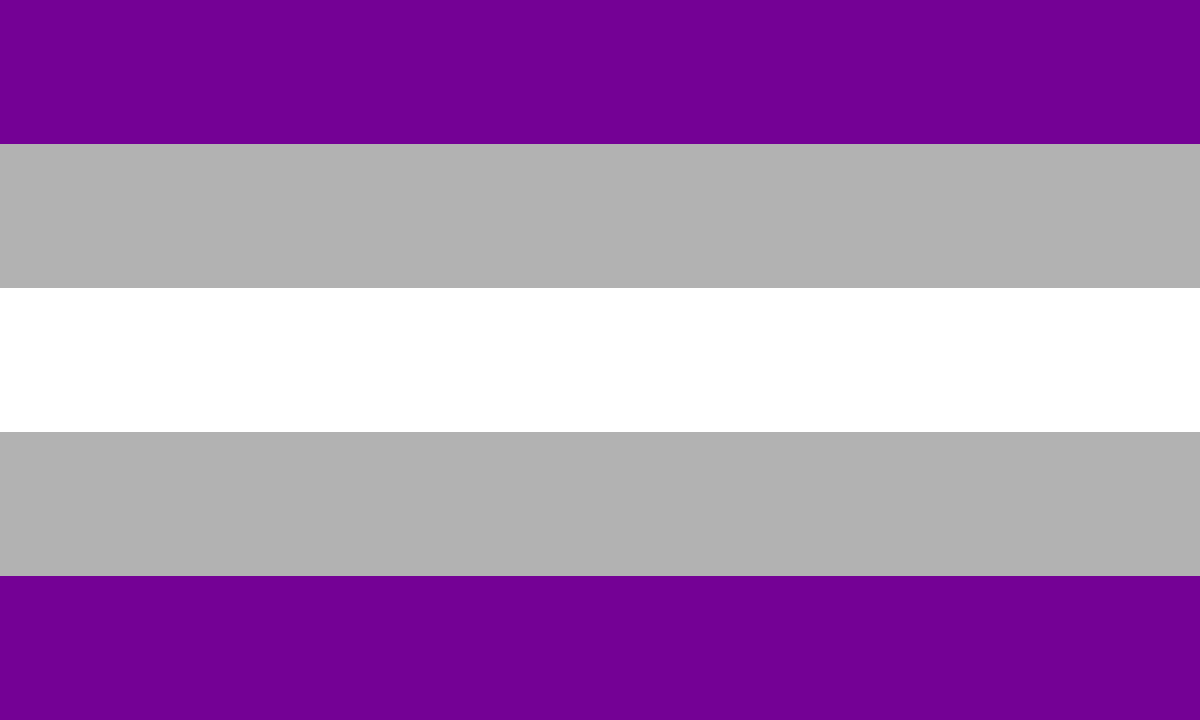
For the spectrum between asexual and allosexual — attraction felt rarely or only under specific conditions. Purple-grey-white-grey-purple stripes.
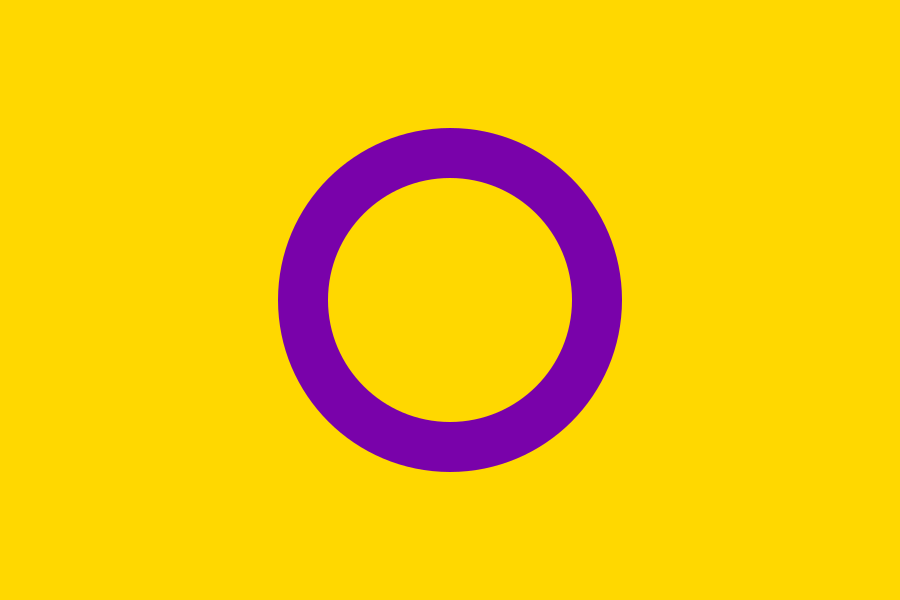
Morgan Carpenter's 2013 design: a purple circle on golden yellow, deliberately avoiding pink and blue, symbolizing wholeness and bodily autonomy.
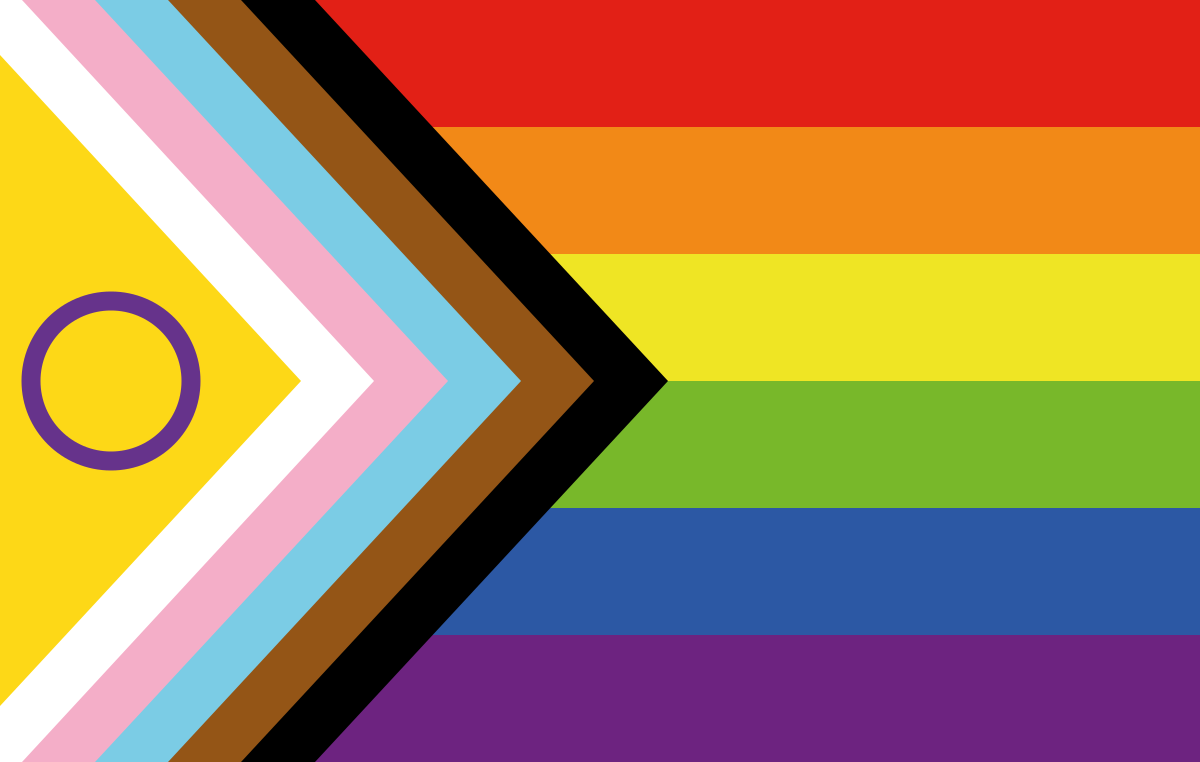
Valentino Vecchietti's 2021 update adds a yellow triangle with a purple circle (the intersex symbol) to the Progress chevron — the current leading standard.
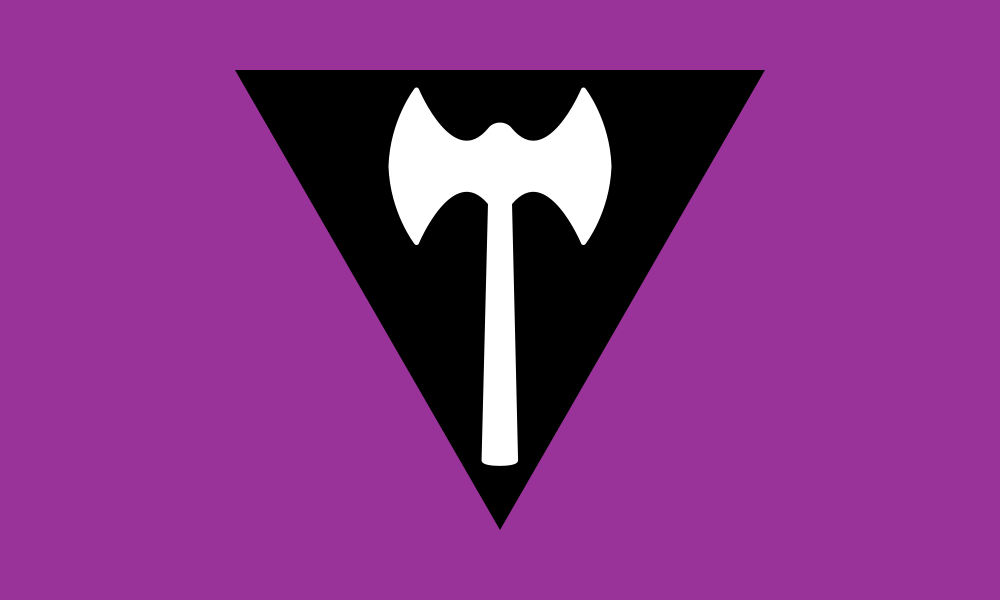
A 1999 design: a white labrys (double-headed Amazonian axe) over a reclaimed black triangle on violet, rooted in lesbian-feminist symbolism.
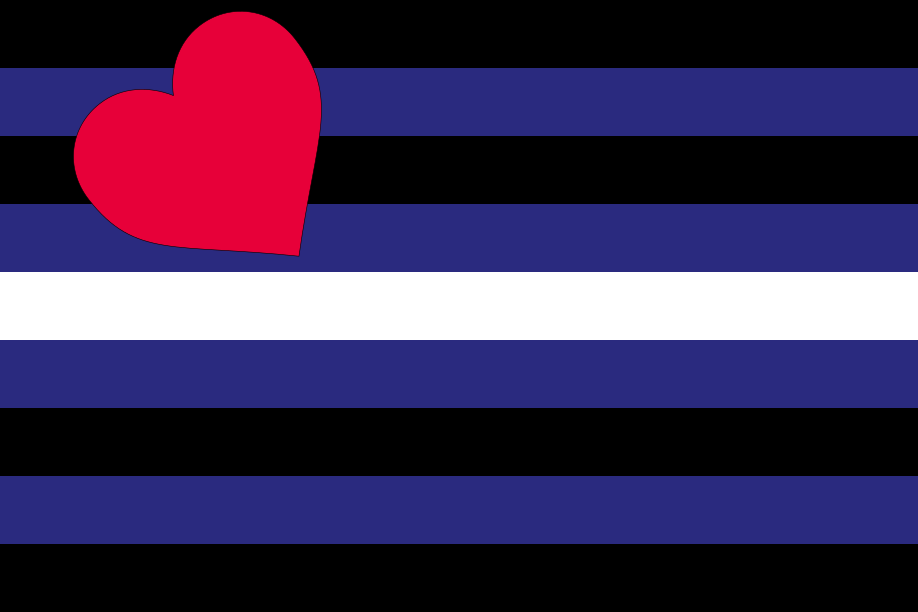
Black and blue stripes with a white line and a red heart — Tony DeBlase's 1989 design for the leather/BDSM subculture.
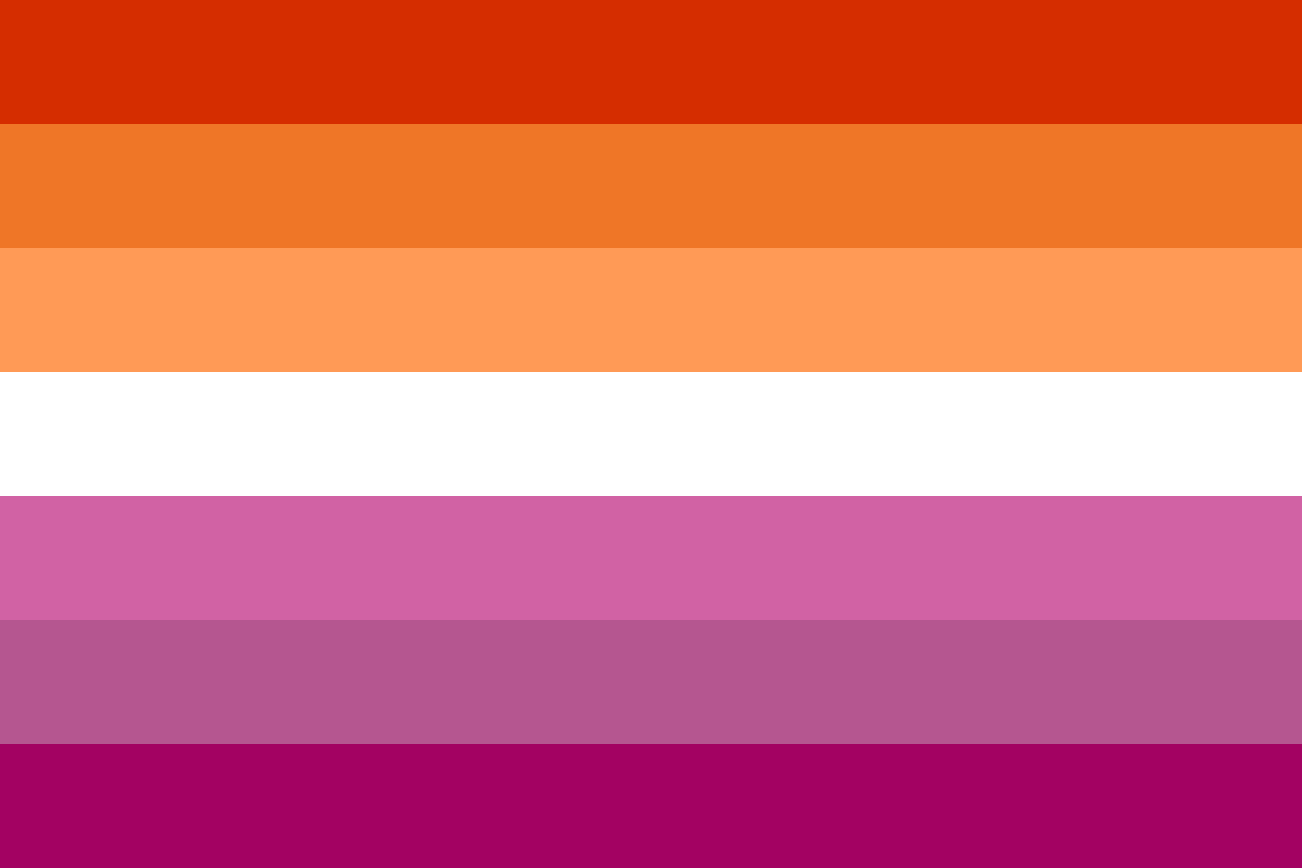
The current community-standard lesbian flag (2018), with sunset stripes from orange (gender non-conformity) through white to pink (femininity).
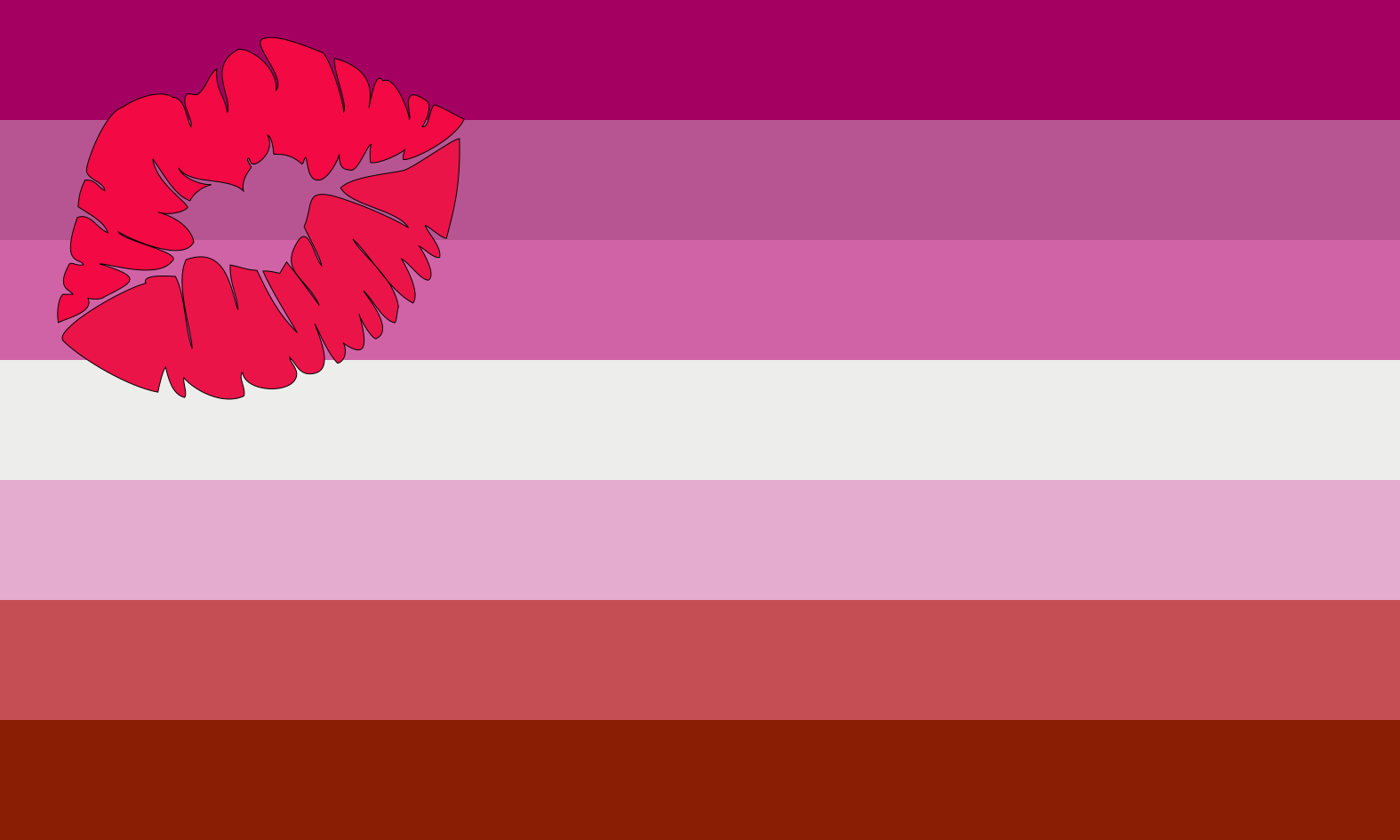
A 2010 flag of pink and red stripes with a red lip-kiss mark; later largely retired for excluding butch lesbians and over controversy about its creator.
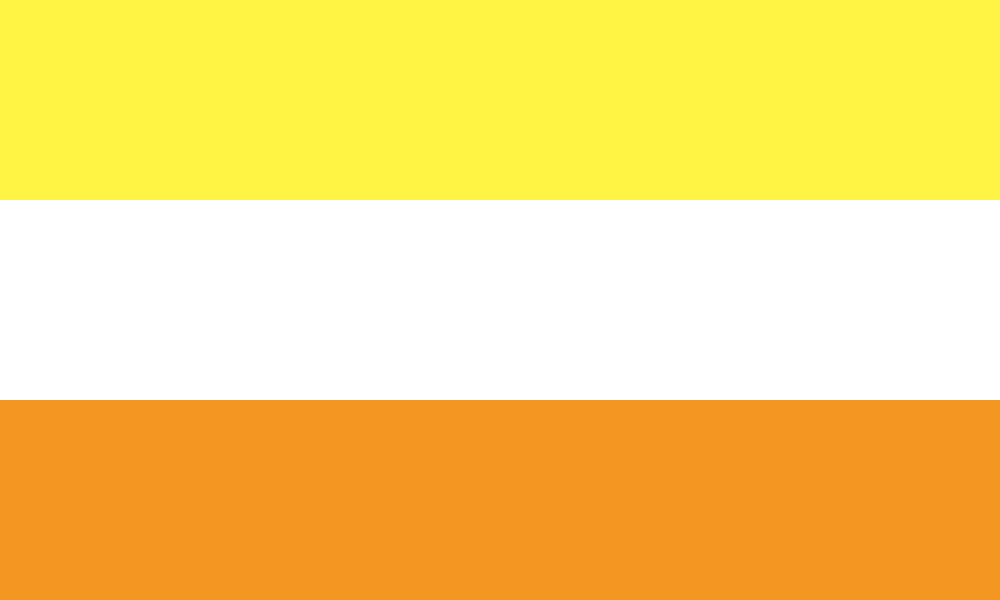
Yellow, white and orange — a non-binary gender independent of the male/female binary, defined by autonomy.
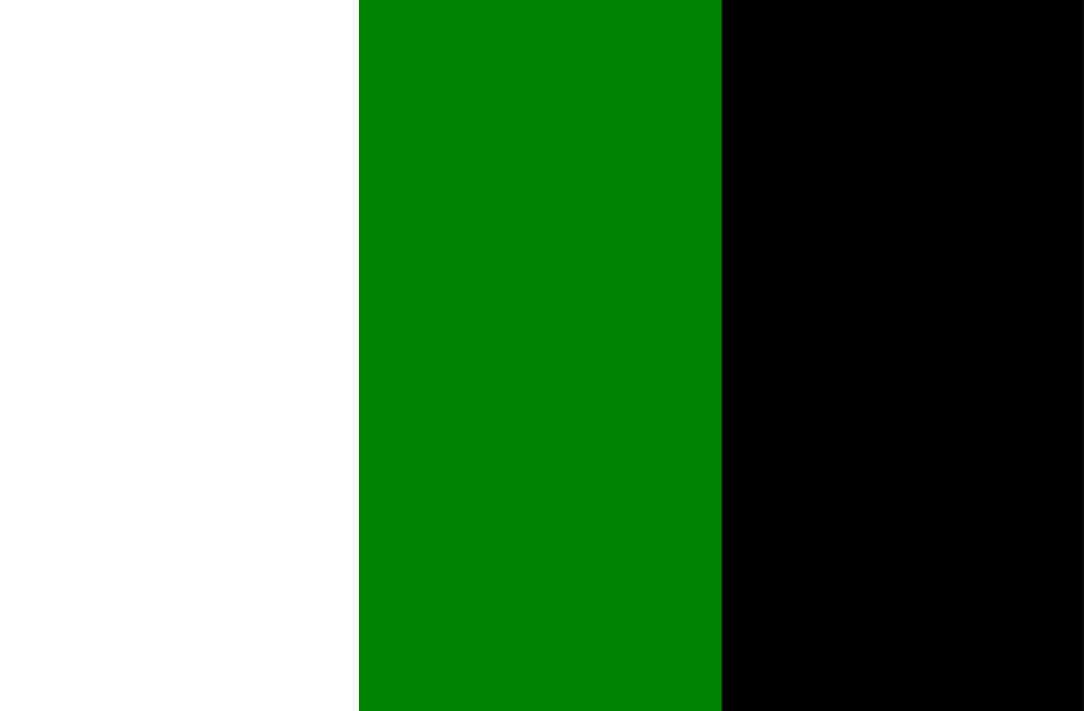
White, green and black — a neutral or null gender within the non-binary spectrum.
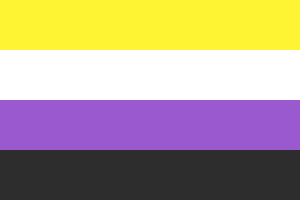
Designed by 17-year-old Kye Rowan in 2014: yellow for genders outside the binary, white for all genders, purple for a mix, and black for agender.
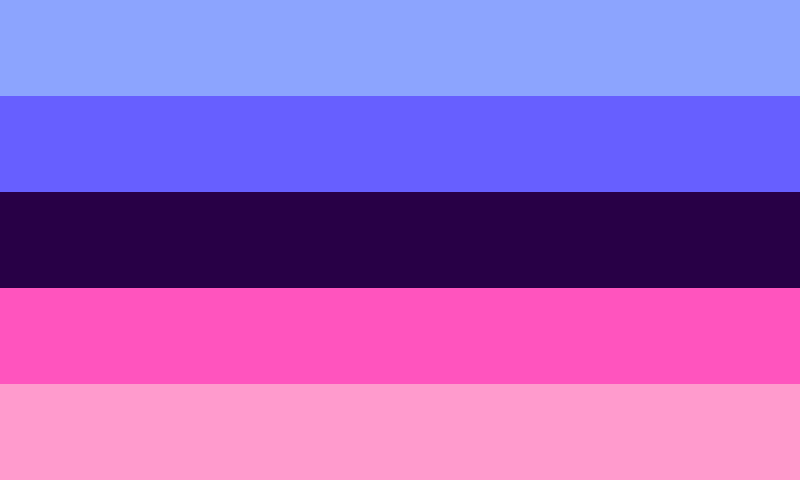
Attraction to all genders, where gender is still a factor (unlike pansexuality). Five stripes from light pink through dark purple to light blue.
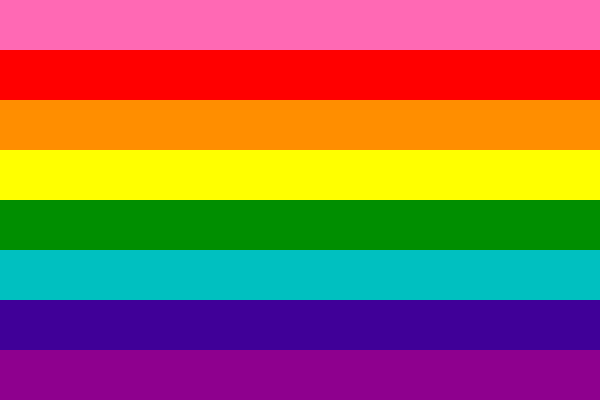
Gilbert Baker's original 1978 design for San Francisco's Gay Freedom Day. It had eight stripes, including hot pink (sex) and turquoise (magic), soon dropped for the six-stripe version.
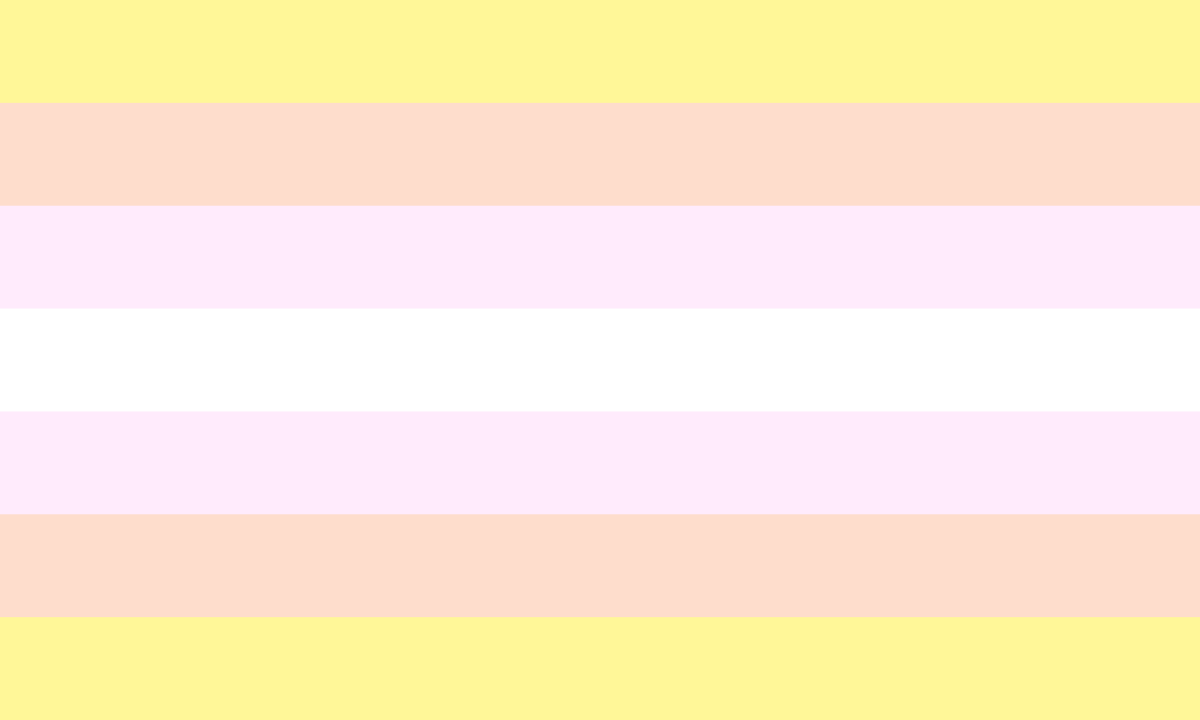
Soft pinks, yellows and white for people who experience many or all genders.

A pink-yellow-cyan tricolor from around 2010, where the central yellow stripe represents attraction to non-binary and all other gender identities.
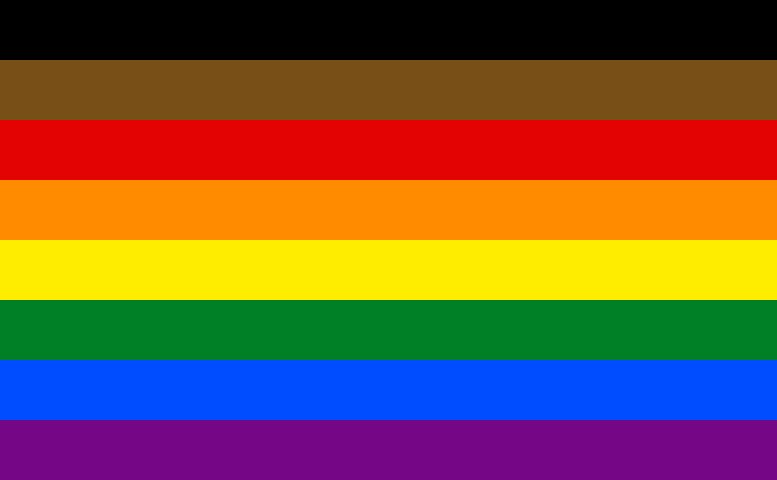
The 2017 'More Color, More Pride' flag added black and brown stripes above the rainbow to explicitly honor LGBTQ+ people of color.
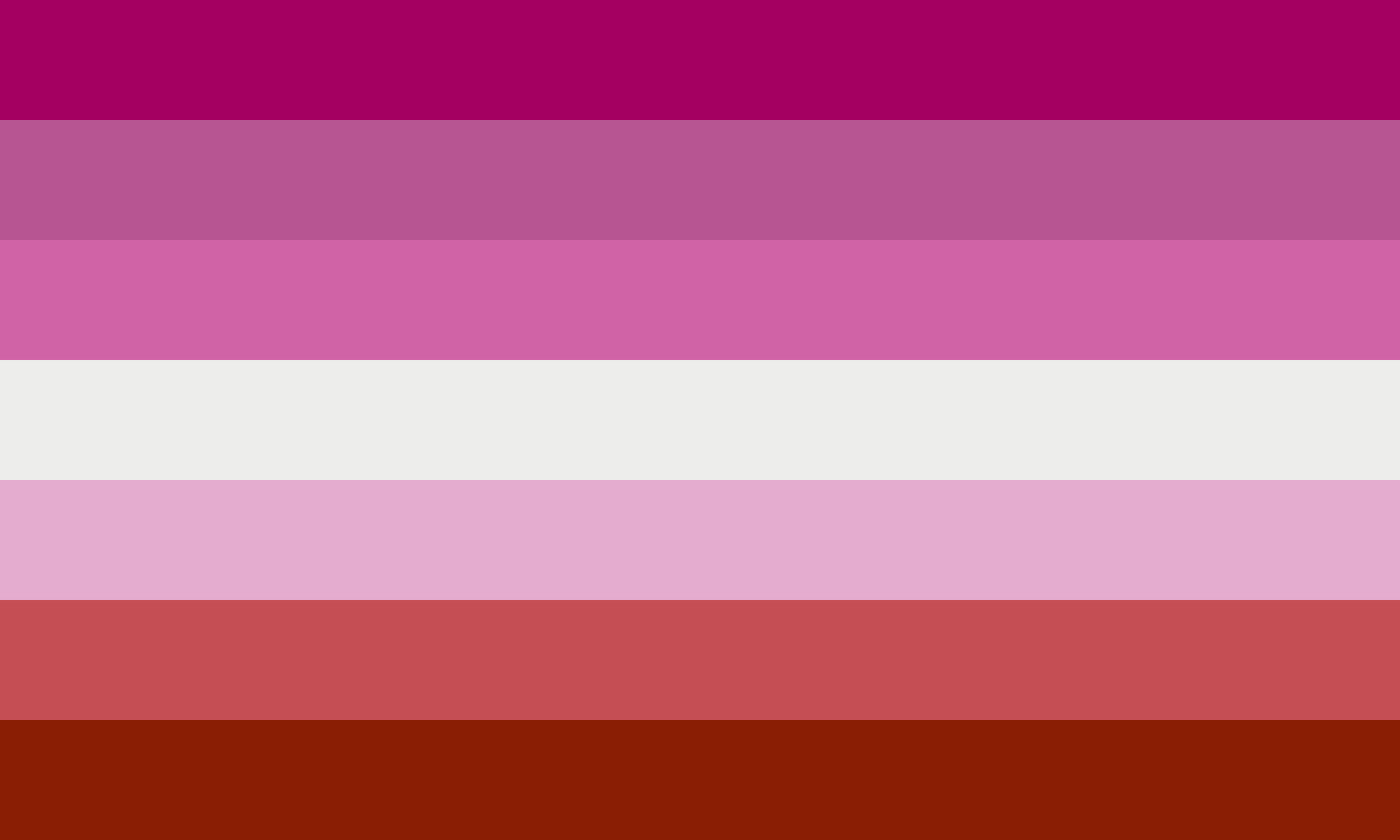
The lipstick flag with the kiss mark removed — widely circulated through the 2010s before the sunset flag became the accepted standard.
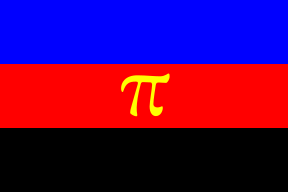
Jim Evans's 1995 design — blue (honesty), red (love), black (solidarity) — with a gold Greek pi for 'infinite love'.
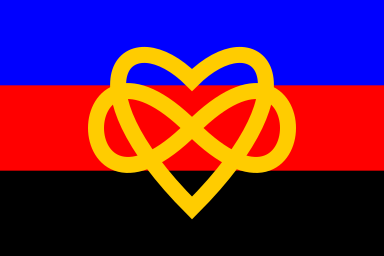
A widely adopted 2022 redesign: a red-blue-black tricolor with a white infinity-heart at the center.
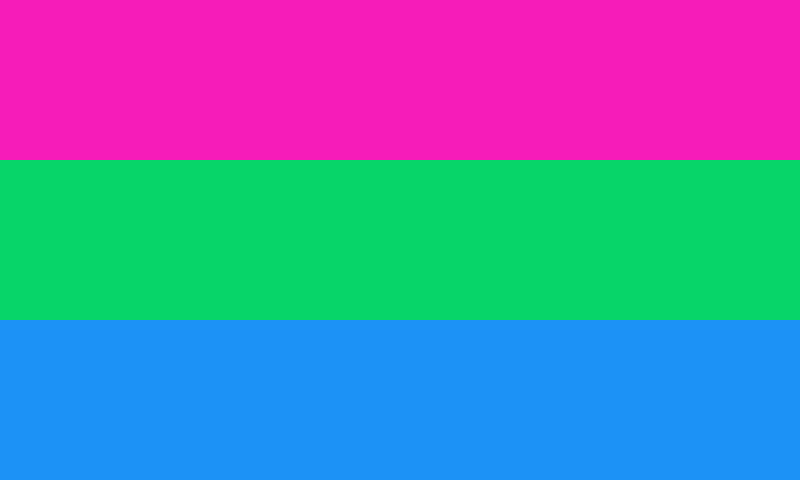
Attraction to multiple — but not necessarily all — genders. A 2012 pink-green-blue tricolor.
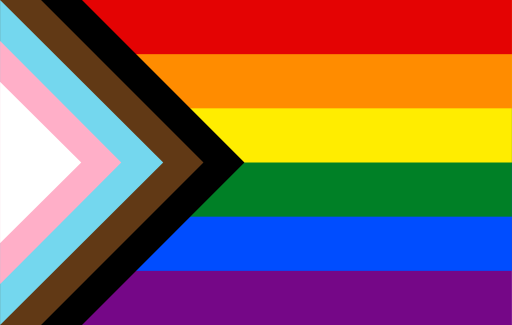
Daniel Quasar's 2018 redesign adds a chevron of black and brown stripes (marginalized communities) plus the trans flag's blue, pink, and white to emphasize forward progress.
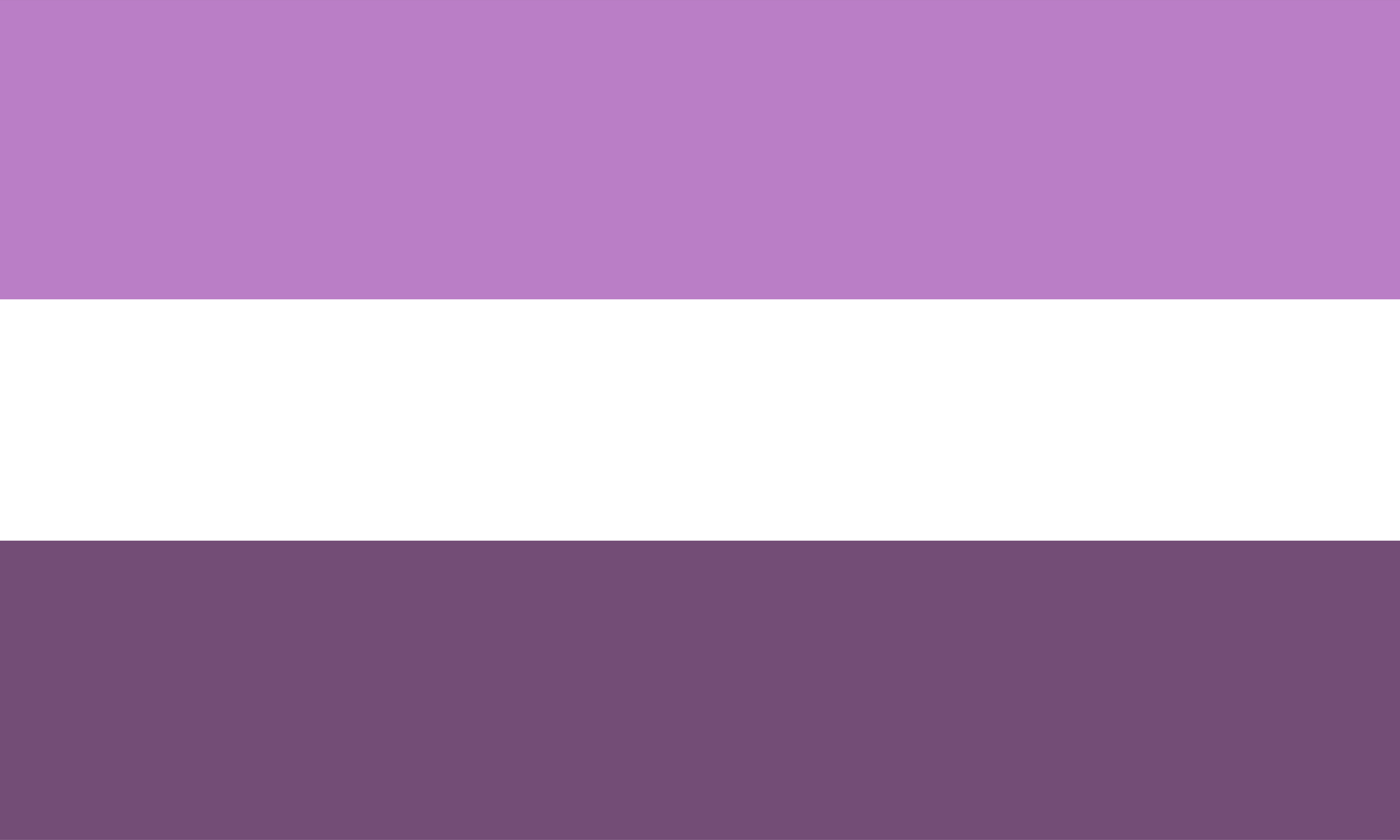
Lavender, white and green bands — an umbrella flag reclaiming 'queer' for the whole community.
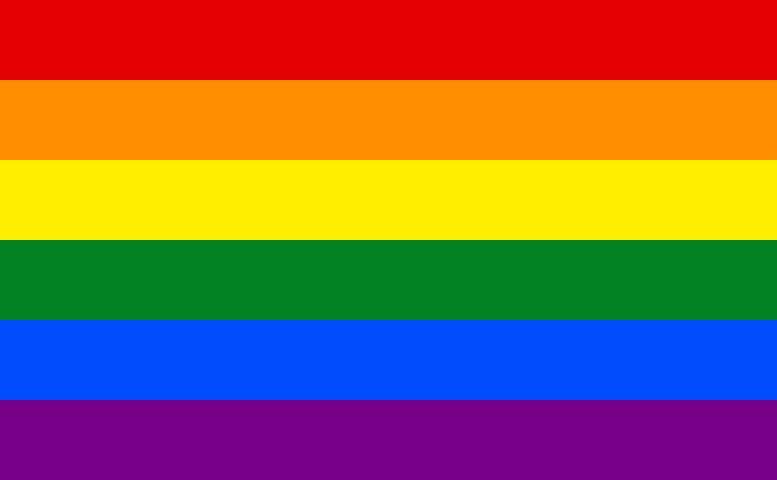
The globally recognized six-stripe rainbow — red, orange, yellow, green, blue, violet — simplified from Baker's original around 1979, partly due to fabric availability.
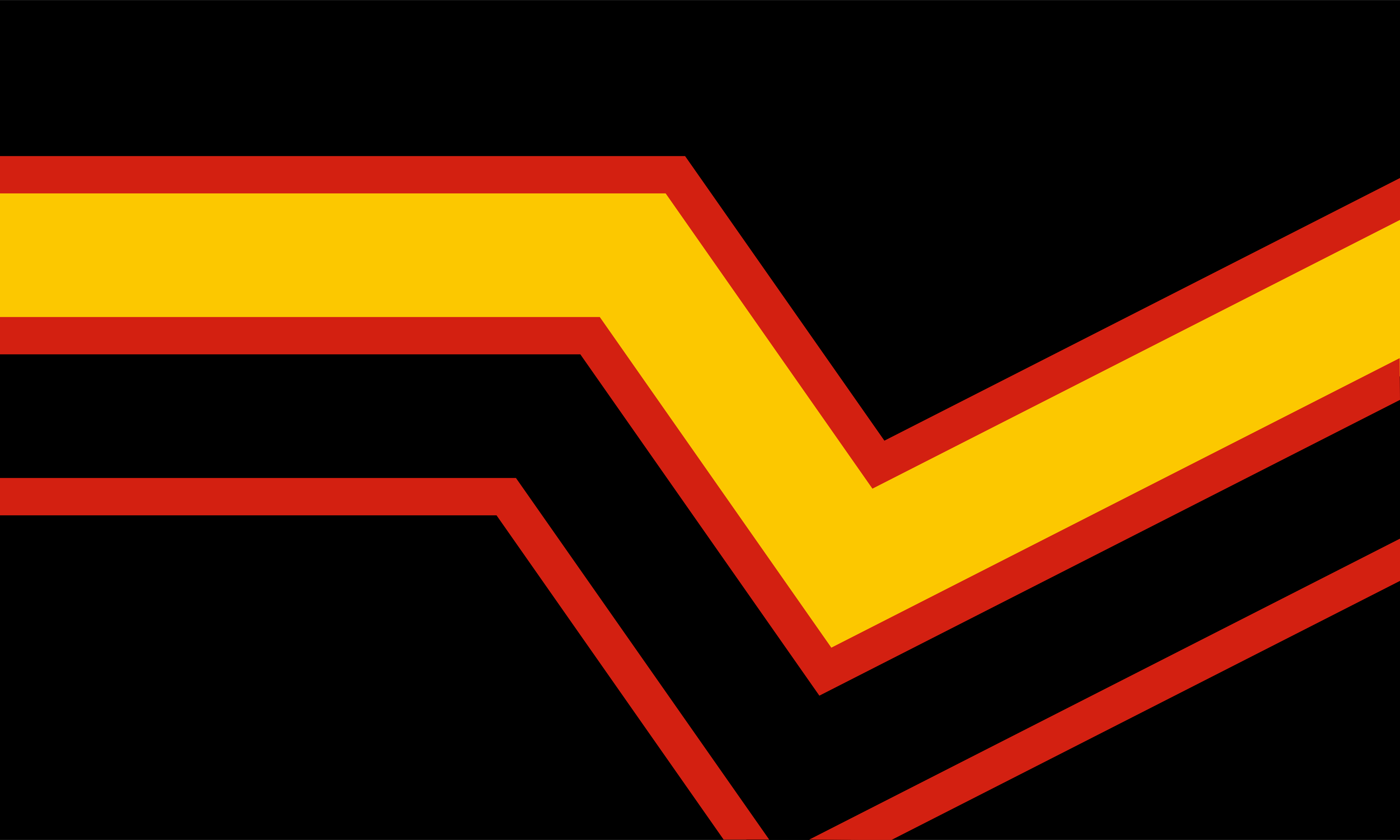
Black and red with a yellow chevron — a 1995 flag for the rubber and latex fetish community.
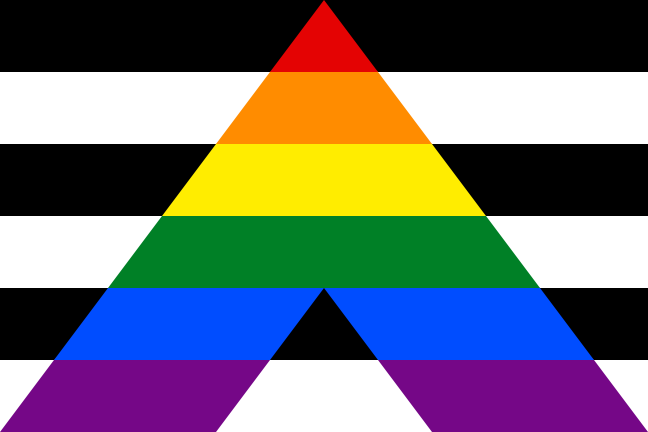
Black-and-white stripes (straight/cis identity) with a rainbow-filled 'A' for ally, showing support for the LGBTQ+ community.
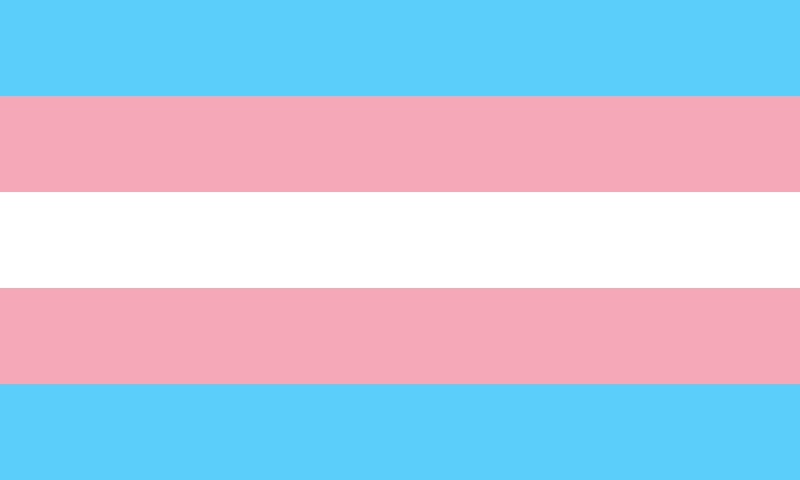
Designed by Monica Helms in 1999. Its light blue, pink, and white stripes are symmetrical, so the flag is always correct no matter which way it is flown.
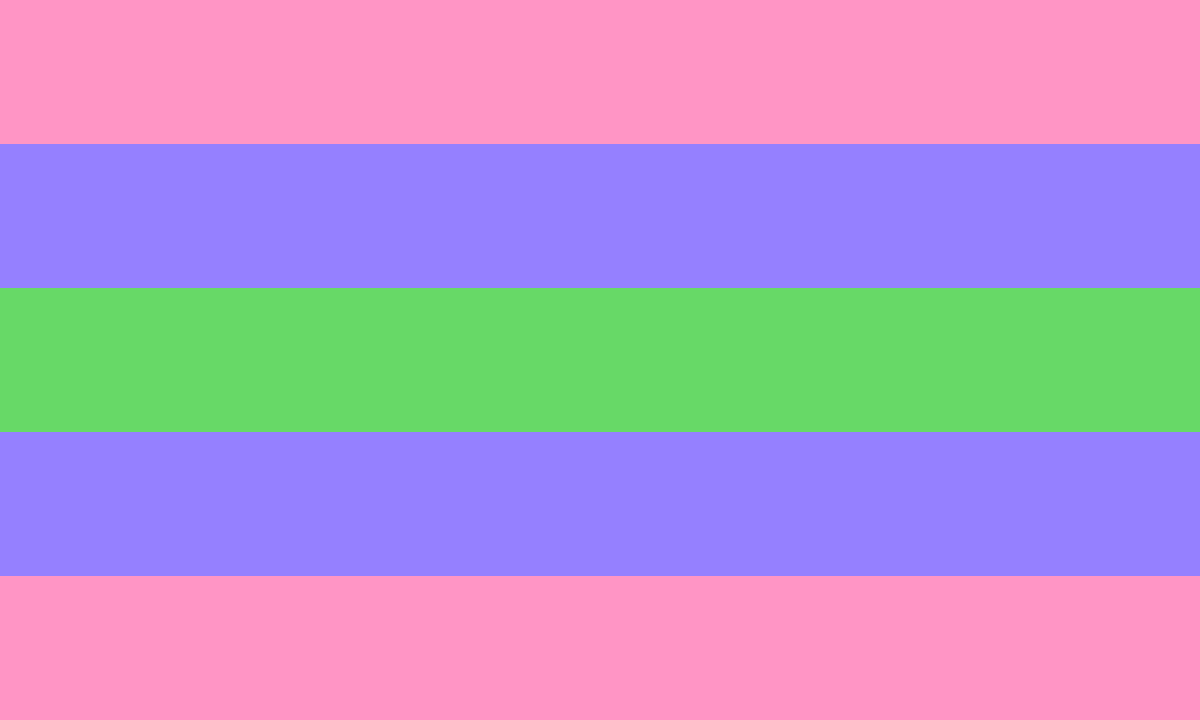
Five symmetric stripes for those who move between three genders.
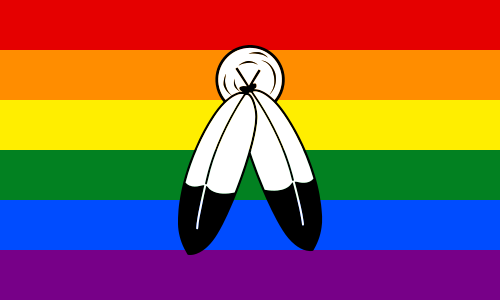
A pan-Indigenous North American umbrella term for traditional third-gender roles; the flag pairs two feathers with a circle over a rainbow field.