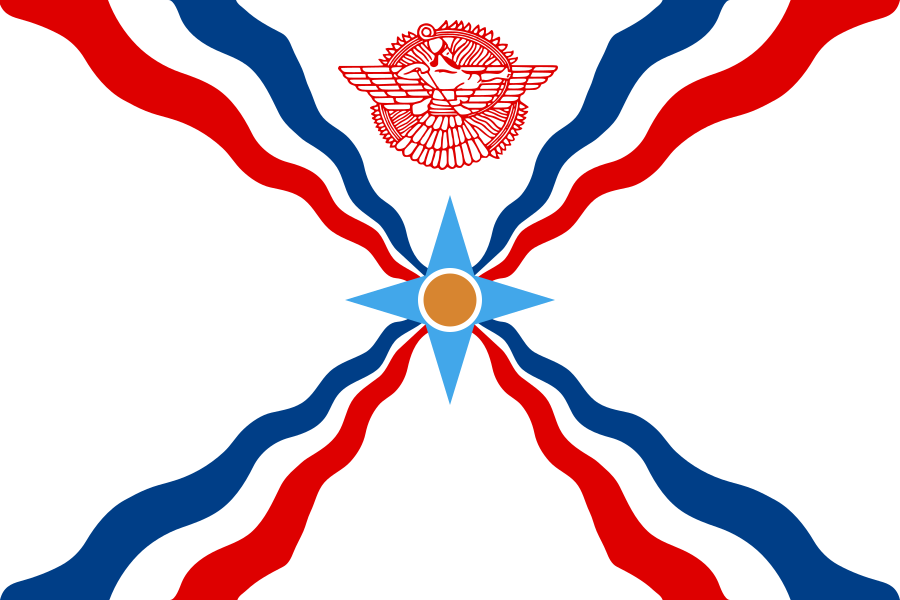
Assyrian Flag
A golden star of Shamash with red and blue wavy rays radiating to the four corners, the modern emblem of the Assyrian people.
Flags that unite a people or a family of nations across borders. 34 flags, each with its story.
A golden star of Shamash with red and blue wavy rays radiating to the four corners, the modern emblem of the Assyrian people.
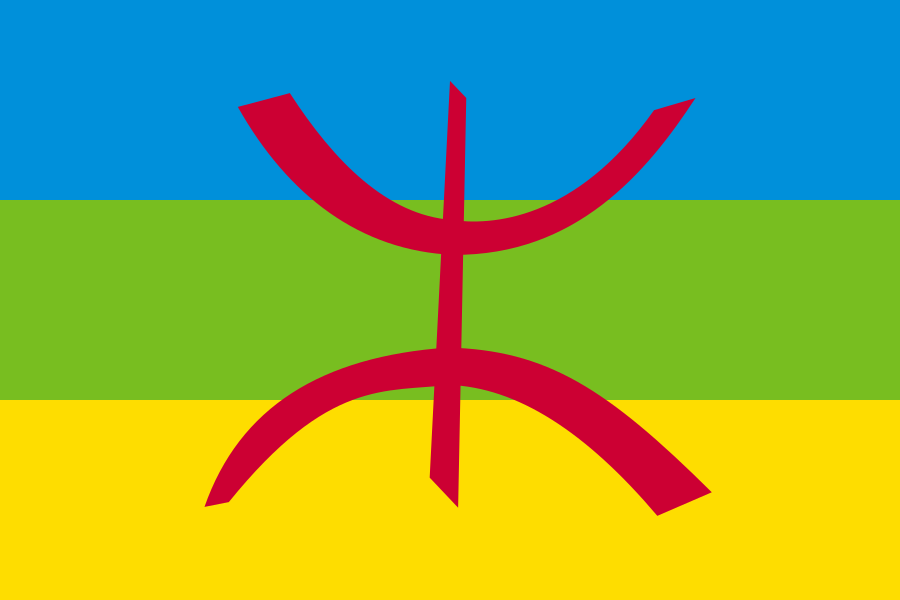
Blue, green, and yellow bands with a red Yaz (ⵣ) — the Tifinagh letter for the free Amazigh people of North Africa.
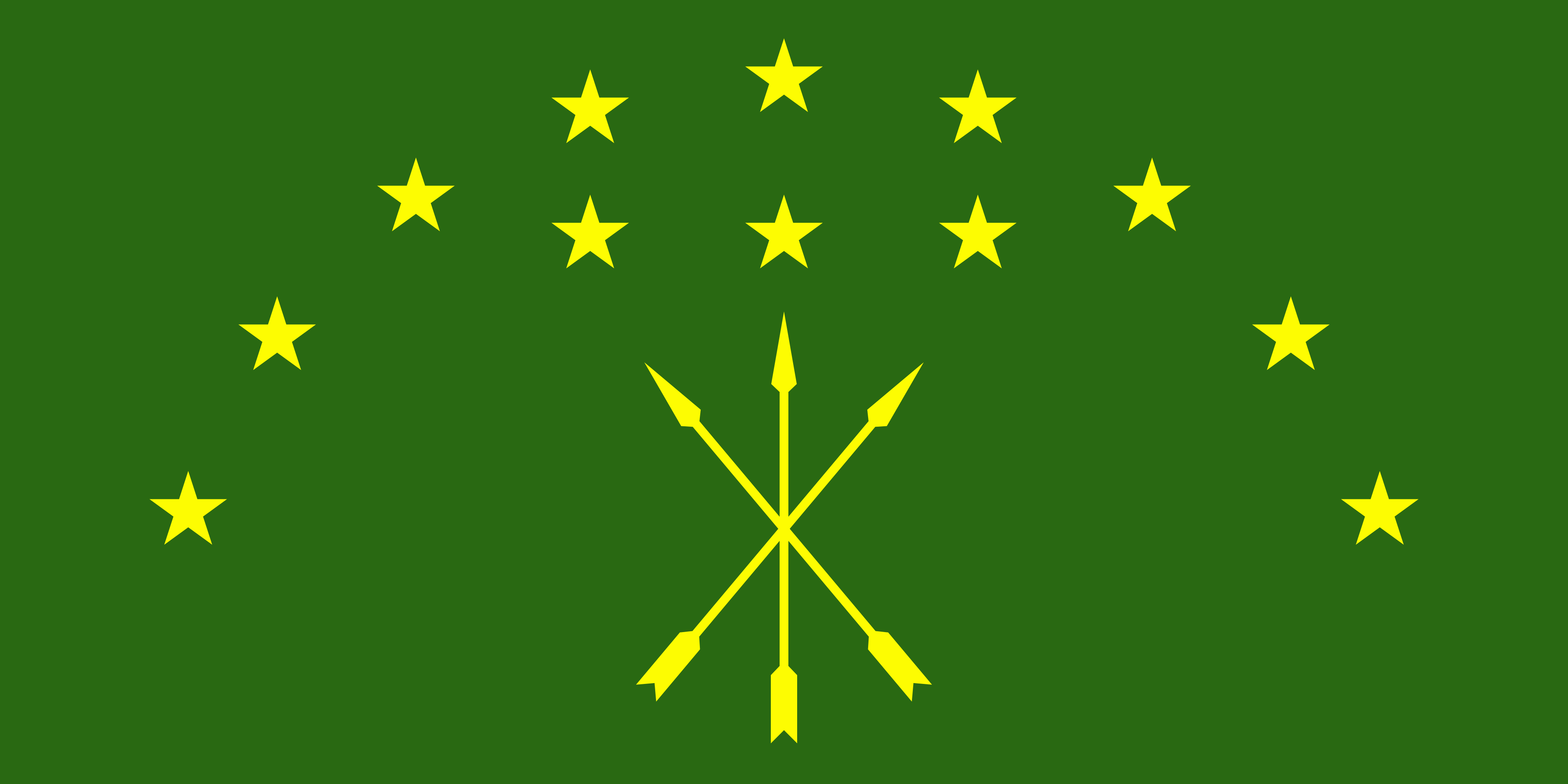
A green field with twelve gold stars (for the historic Circassian tribes) over three crossed arrows, dating to the 19th-century Caucasian War.
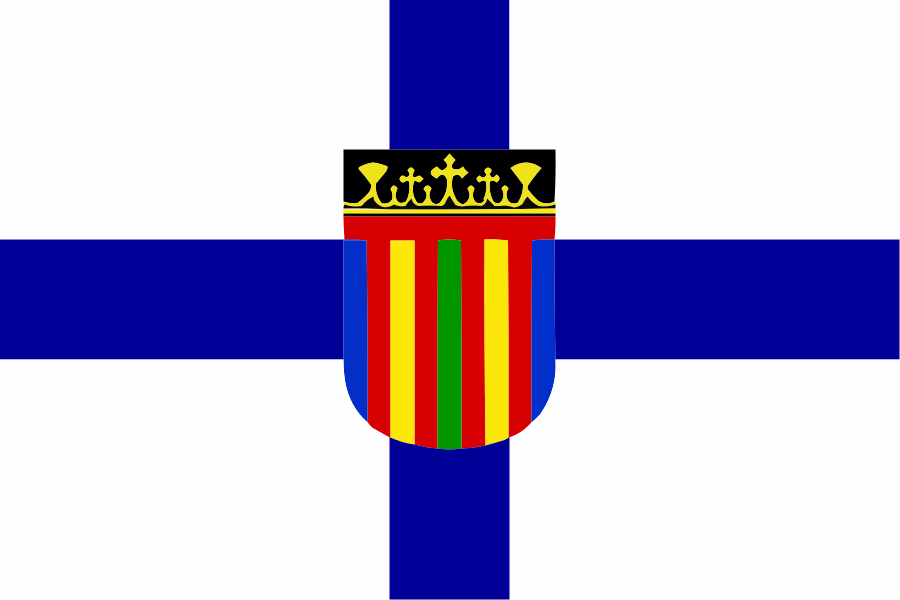
Bears the Coptic cross — identity flag of Egypt's Coptic Christians, one of the world's oldest Christian communities.
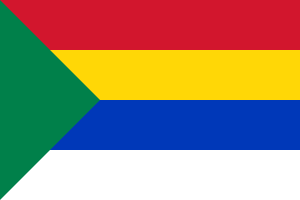
Five colors for the five cosmic principles of the Druze faith: green (mind), red (soul), yellow (word), blue (will), and white (realization).
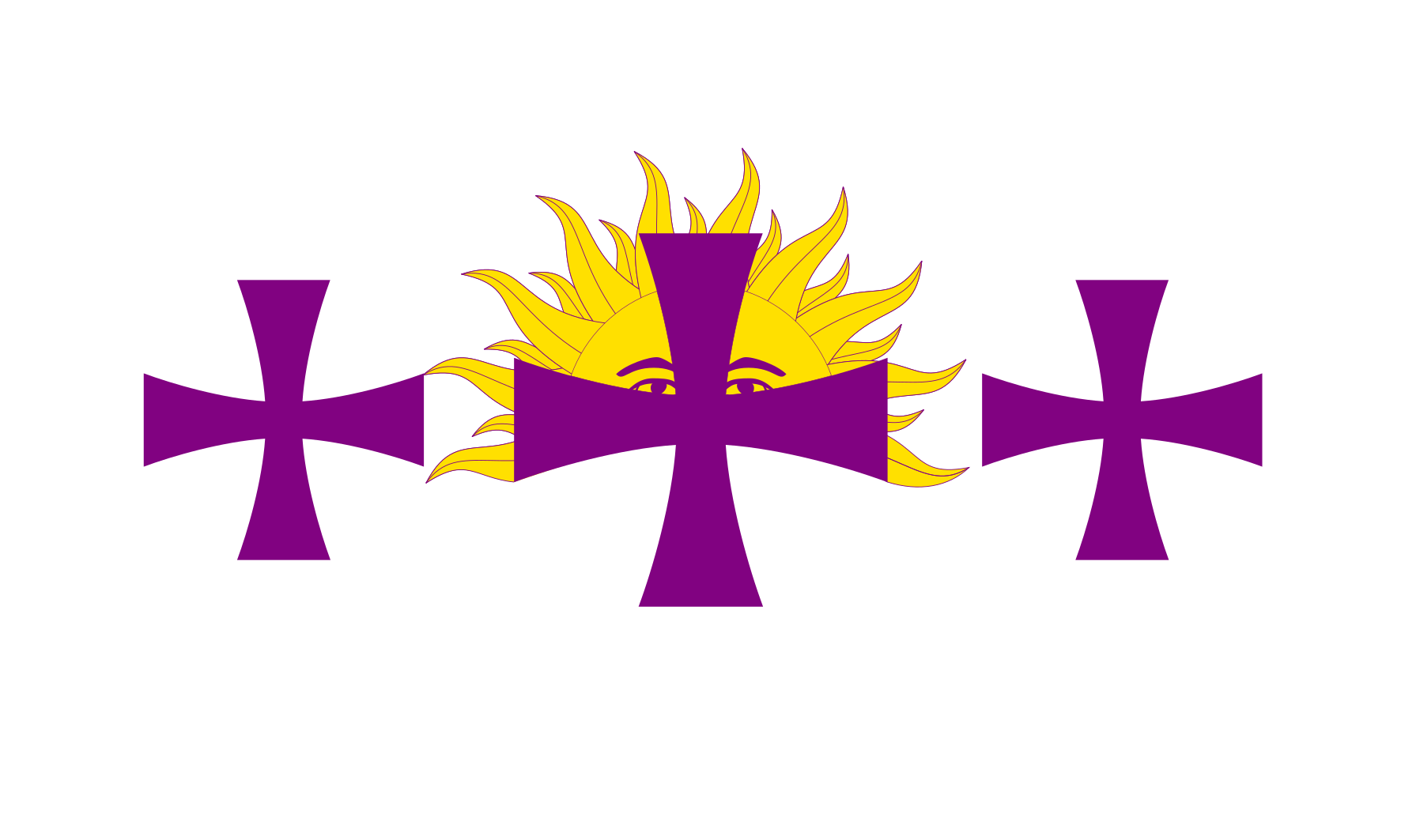
Three crosses on white with a blazing sun — representing the shared heritage of the Spanish-speaking world (Hispanidad).
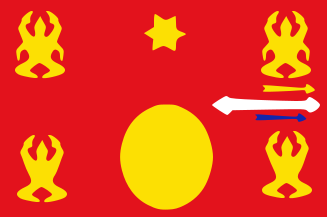
A flag for the Hmong, a stateless people scattered across China, Vietnam, Laos and the global diaspora.
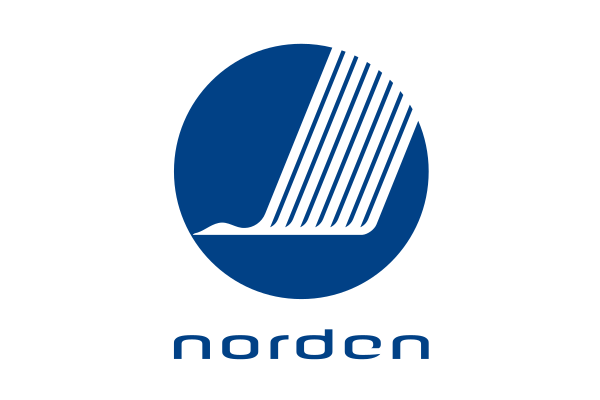
A white swan on blue — the symbol of Nordic cooperation among Denmark, Norway, Sweden, Finland and Iceland.
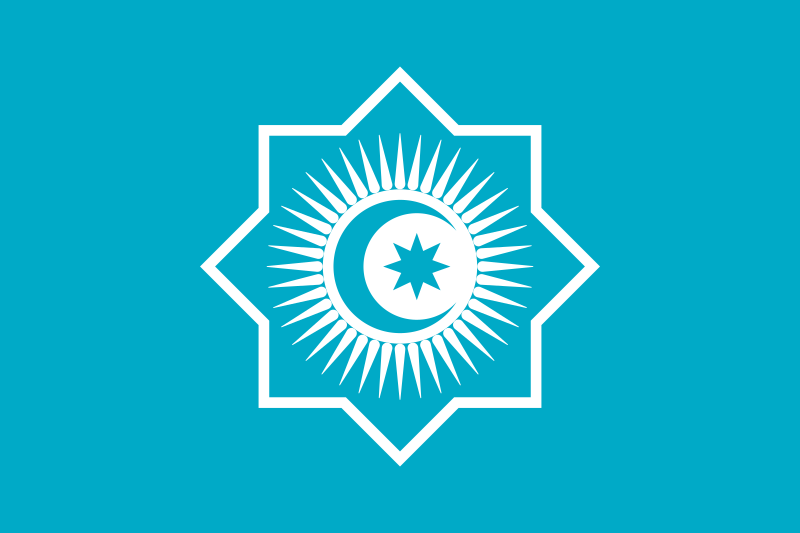
A sky-blue field with the emblems of its member states — a pan-Turkic body spanning Turkey to Central Asia.
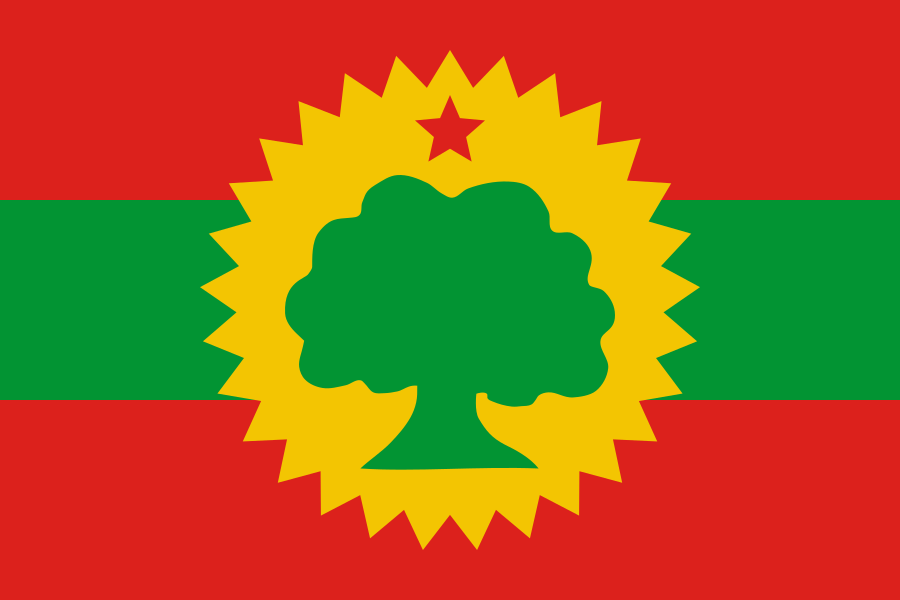
The largest ethnic group in Ethiopia, with a long autonomy and rights movement.
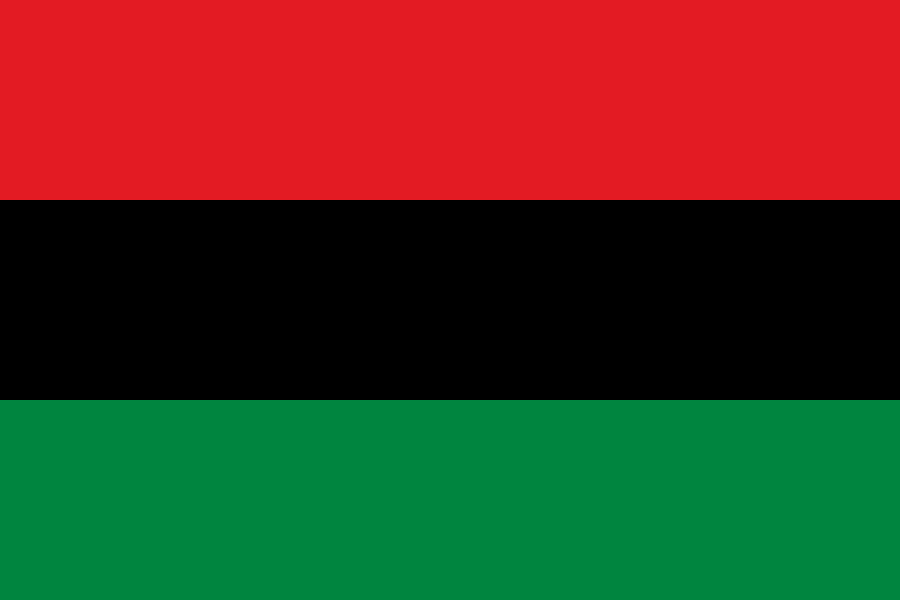
Marcus Garvey's 1920 red-black-green flag for the Universal Negro Improvement Association: red for blood, black for the people, green for the land.
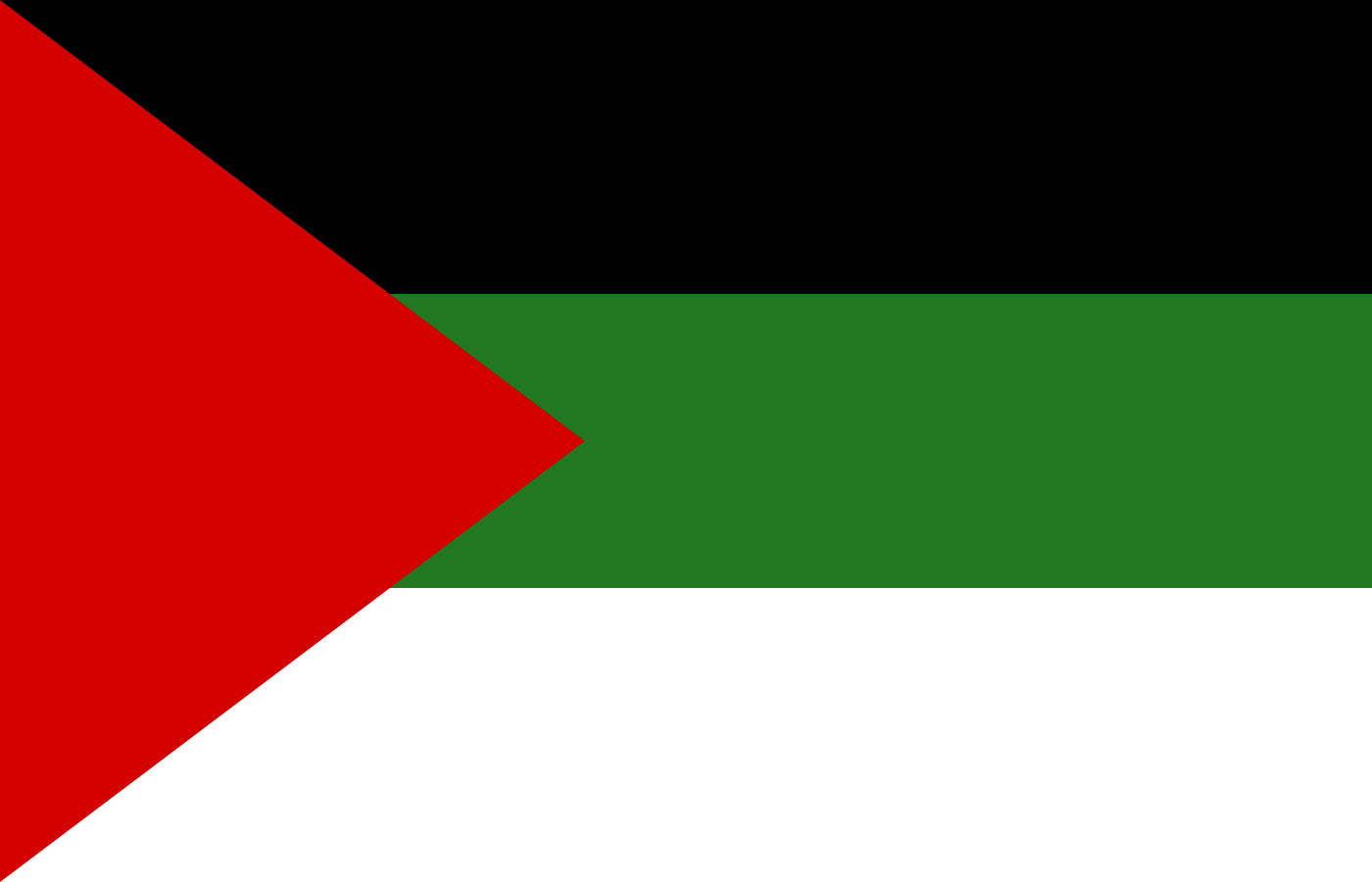
The 1916 Arab Revolt flag — black, green, and white stripes with a red hoist triangle — the source of the pan-Arab colors used by many Arab national flags.
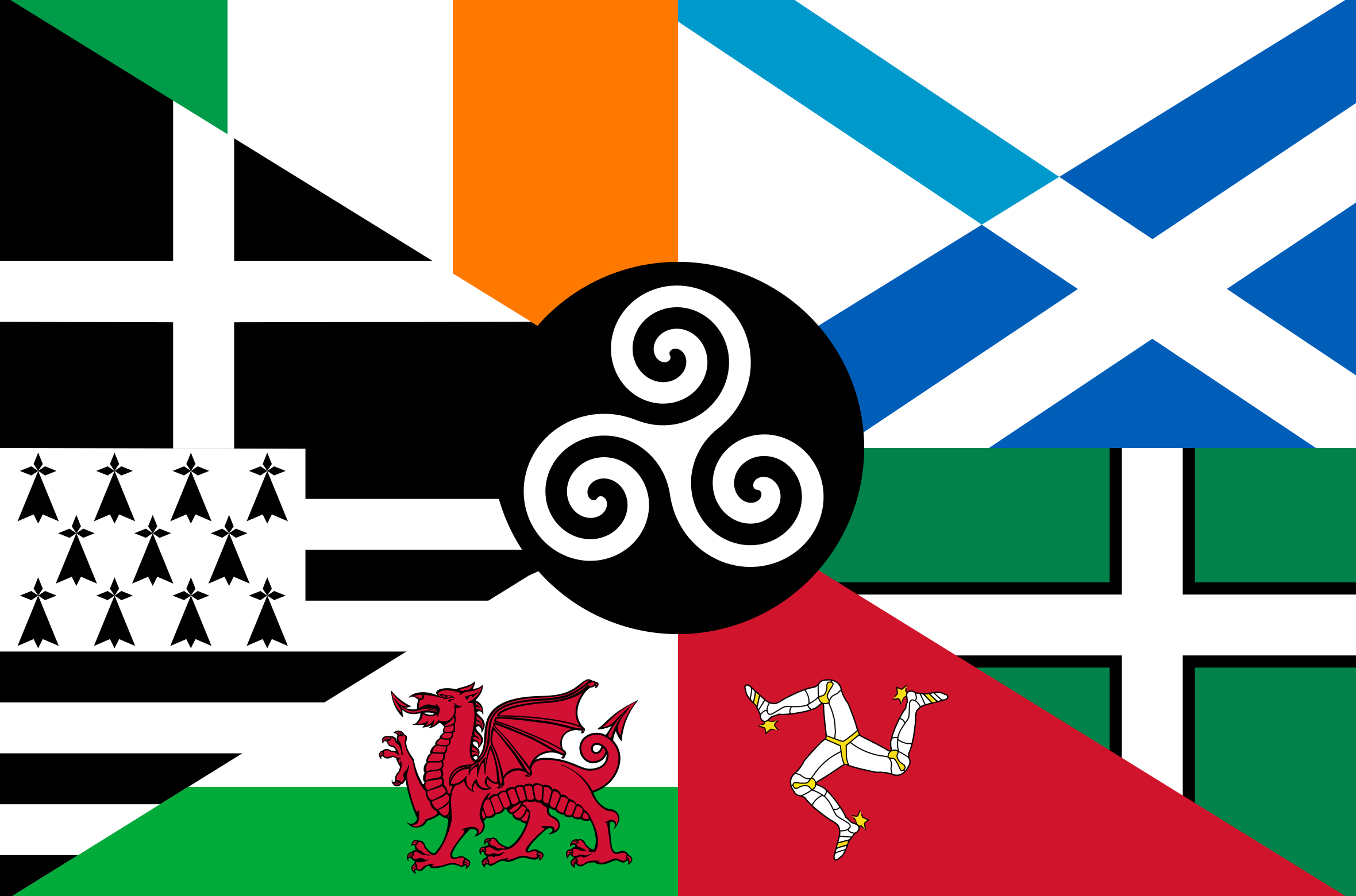
Joins the symbols of the six Celtic nations — Ireland, Scotland, Wales, Brittany, Cornwall and the Isle of Man — used at inter-Celtic festivals.
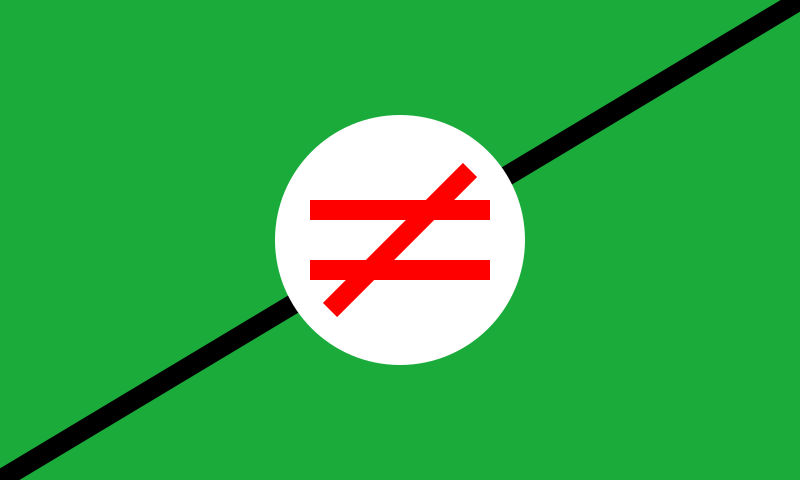
A green-white-red tricolour with a golden lion and sun — a symbol of pan-Iranian (Iranic peoples') unity.

Adopted at the 1848 Prague Slavic Congress, this blue-white-red tricolor inspired the flags of Russia, Serbia, Slovakia, Slovenia, and others.
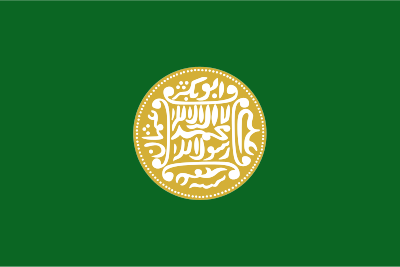
A stateless Muslim people of Myanmar's Rakhine State, subject to mass displacement.
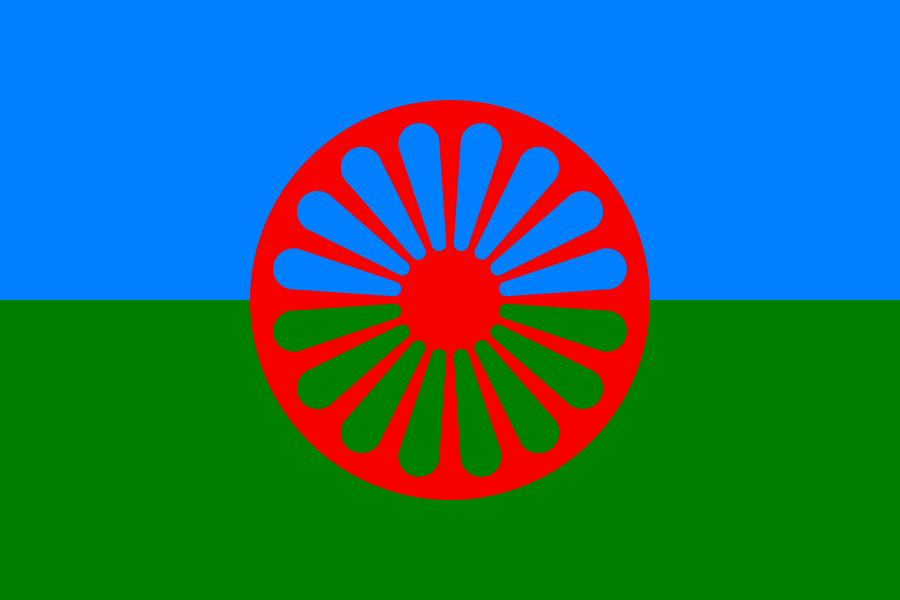
Adopted at the 1971 World Romani Congress: blue sky over green earth with a red 16-spoke chakra echoing the wheel of the Indian flag, marking Romani origins in India.
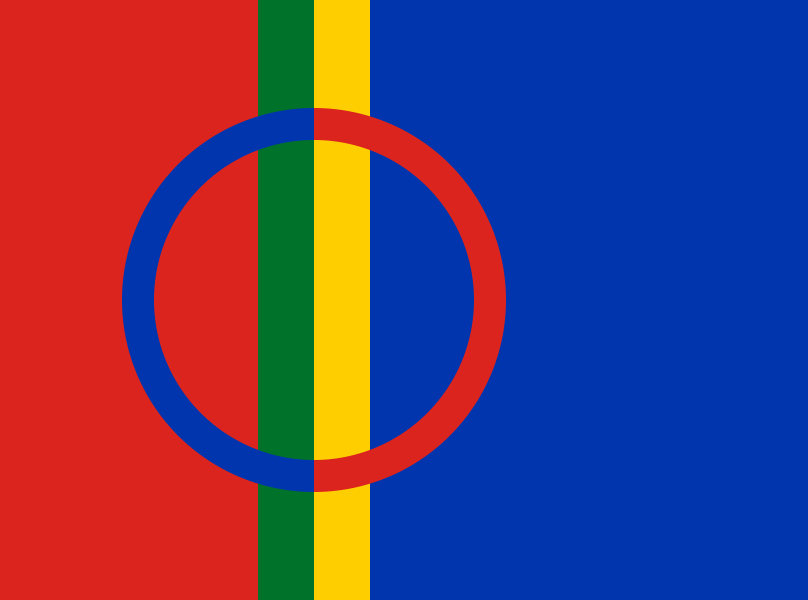
The flag of the indigenous Sámi of northern Scandinavia, adopted in 1986; its offset circle represents the sun (red) and moon (blue).
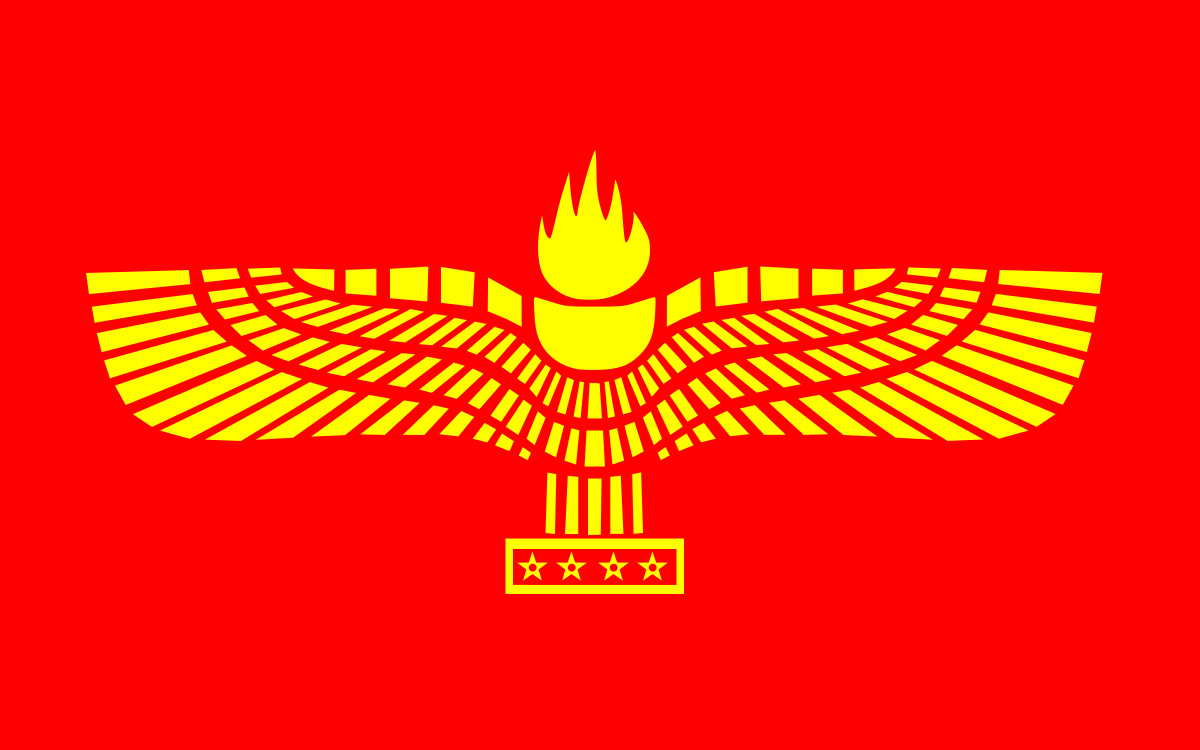
A red field with a golden winged sun disc based on an ancient Tell Halaf relief, used by the Syriac-Aramean people.
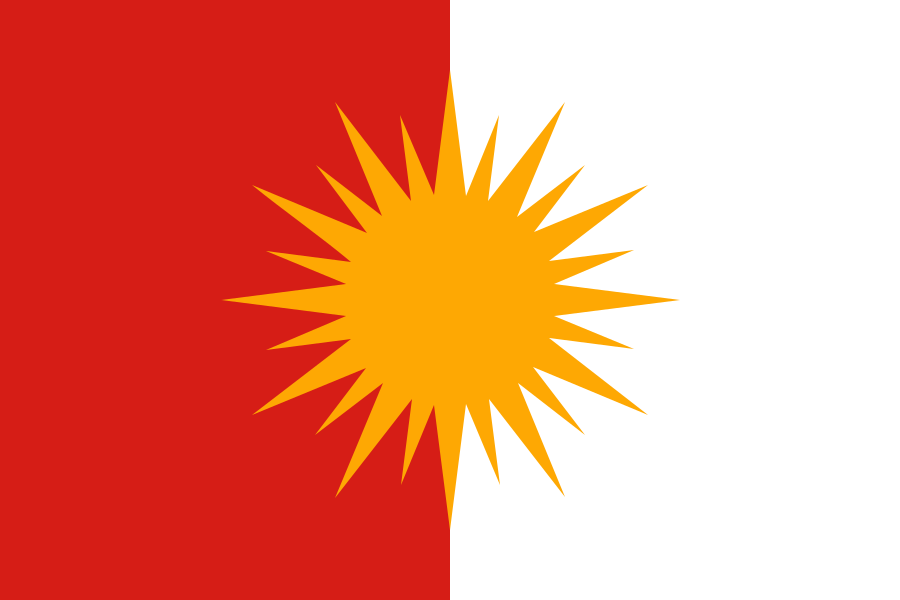
A golden sun on white with a red-bordered field, used by the Yazidi people of northern Iraq, Syria and beyond; the sun reflects their veneration of light.
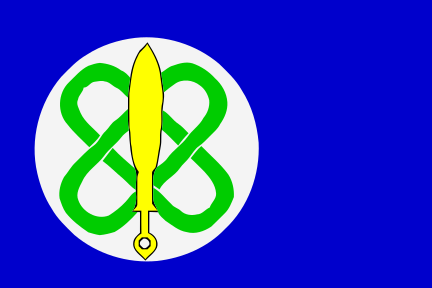
A flag for the Yoruba, one of West Africa's largest ethnic groups, spread across Nigeria, Benin and Togo.
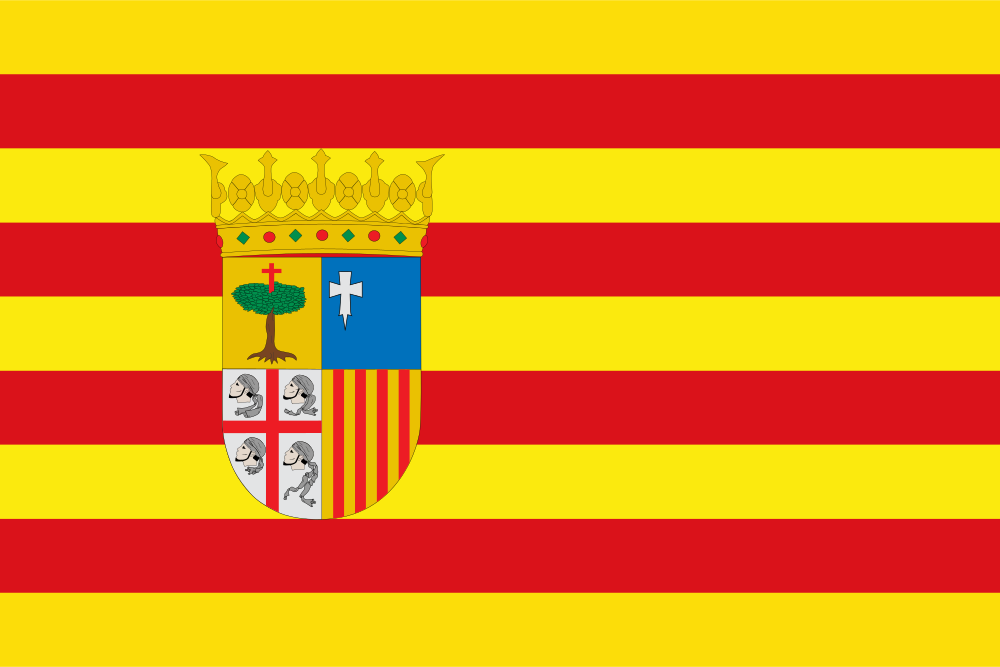
Red-and-gold bars with crowns — the historic kingdom and region of north-east Spain.
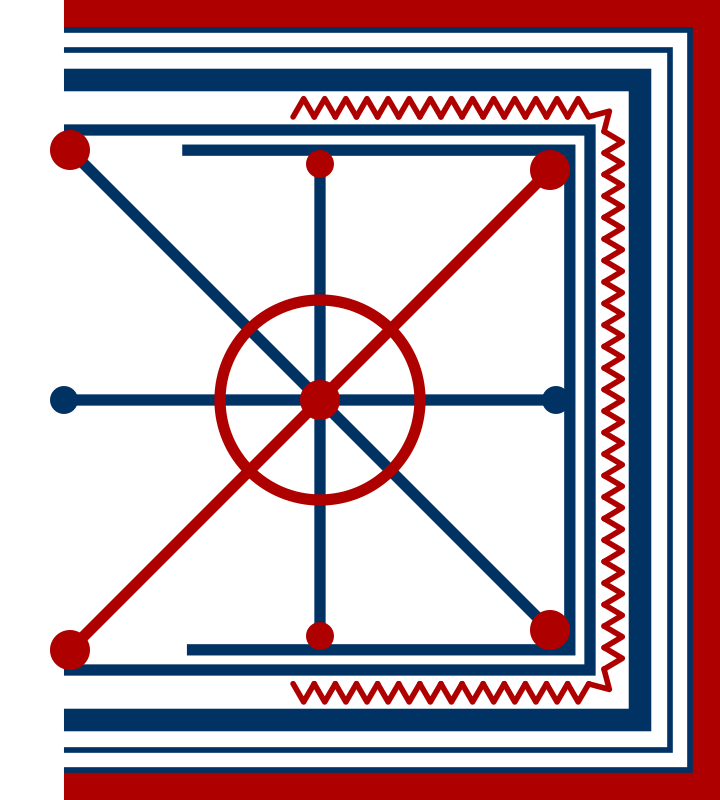
A Latin-speaking people scattered across Greece, Albania, North Macedonia and Romania.
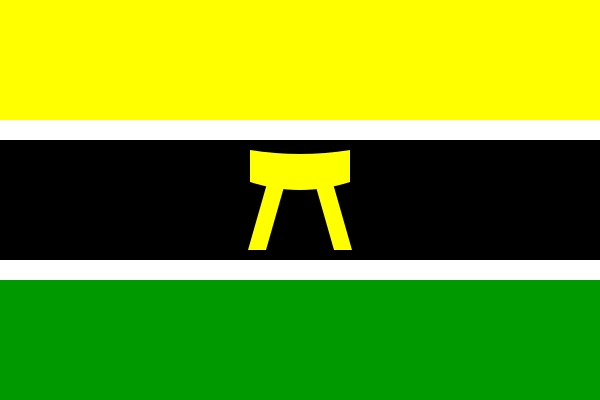
A gold-fronted banner of the Akan Ashanti people and kingdom of central Ghana.
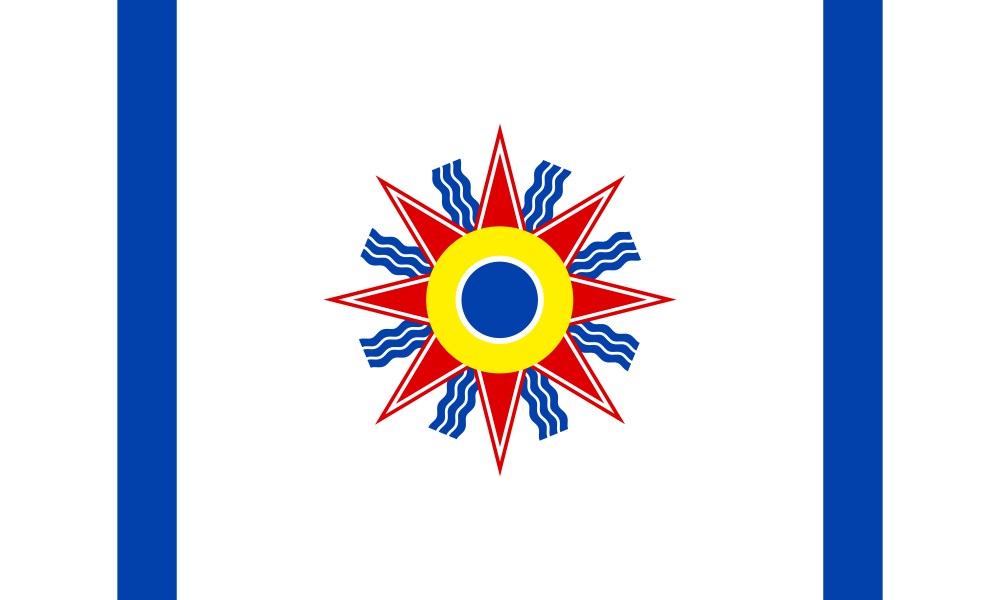
An Aramaic-speaking Christian people of Iraq, related to the Assyrians.
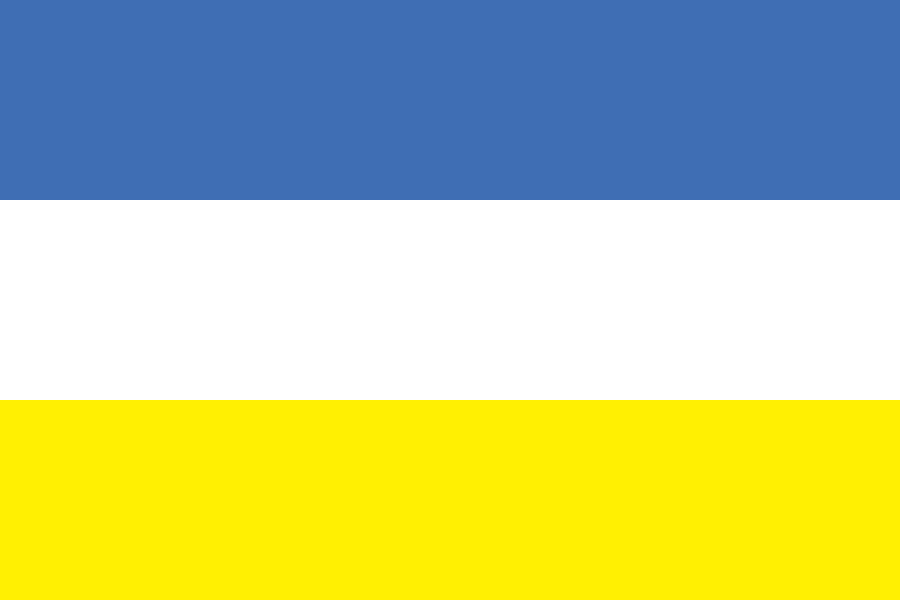
A Persian-speaking people of central Afghanistan's Hazarajat highlands.
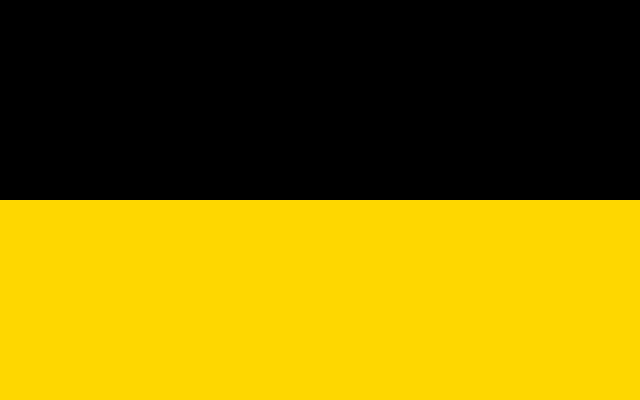
A black griffin on gold — the Kashubs, a West Slavic people of northern Poland.

For the Bakongo people of Angola, the DRC and the Republic of the Congo.
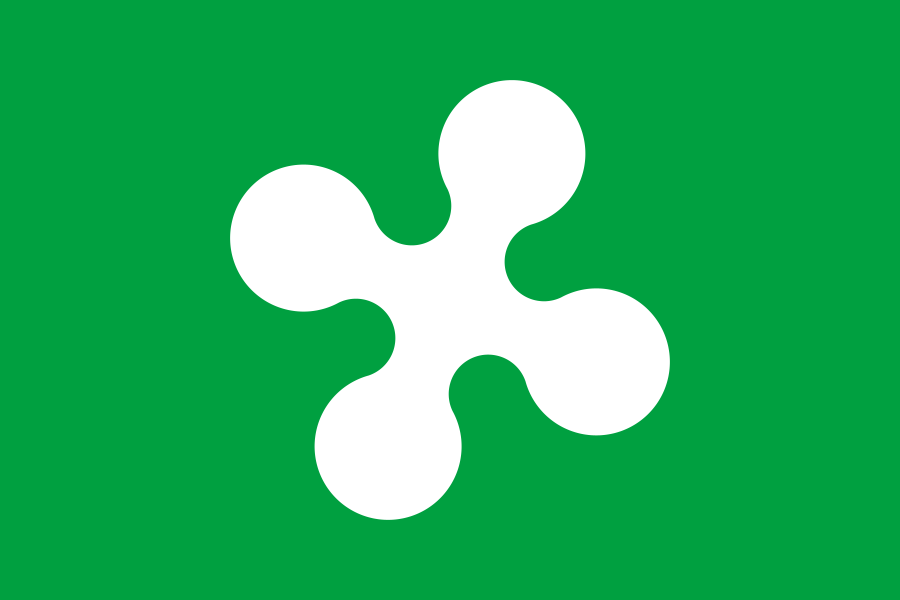
A green field with the white Camunian rose — the Lombard region and its identity in northern Italy.
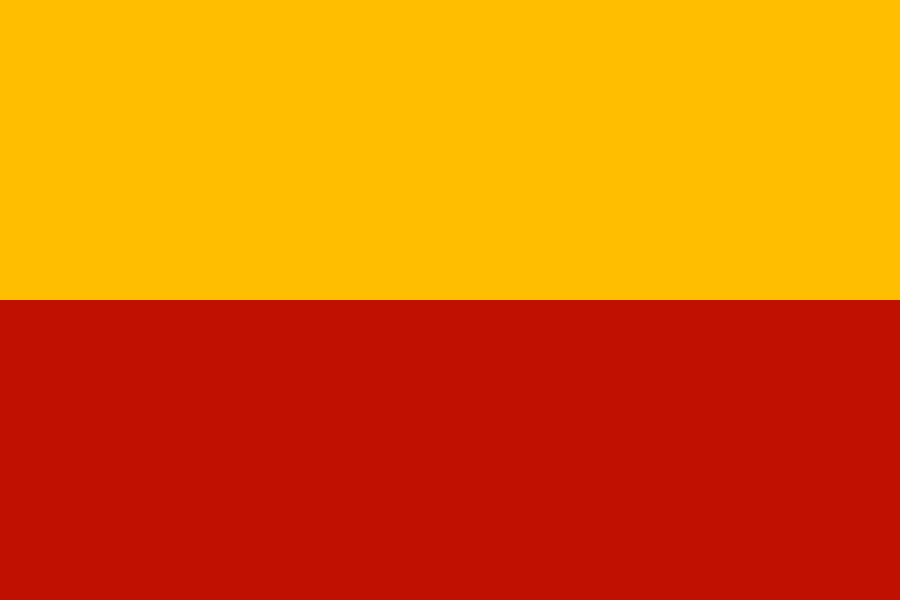
A checkered red-and-white eagle — the historic Moravian lands of the Czech Republic.
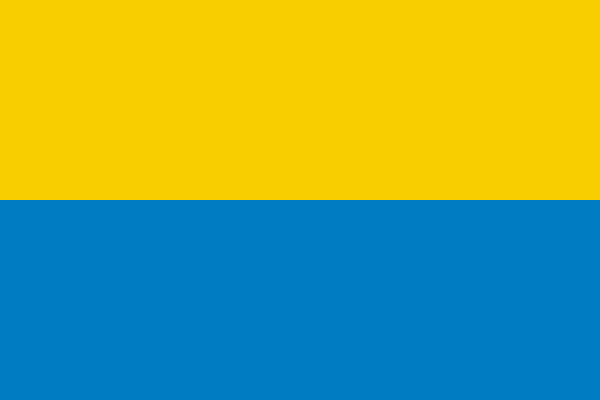
A yellow-and-blue banner for the Silesian people of southern Poland and Czechia.
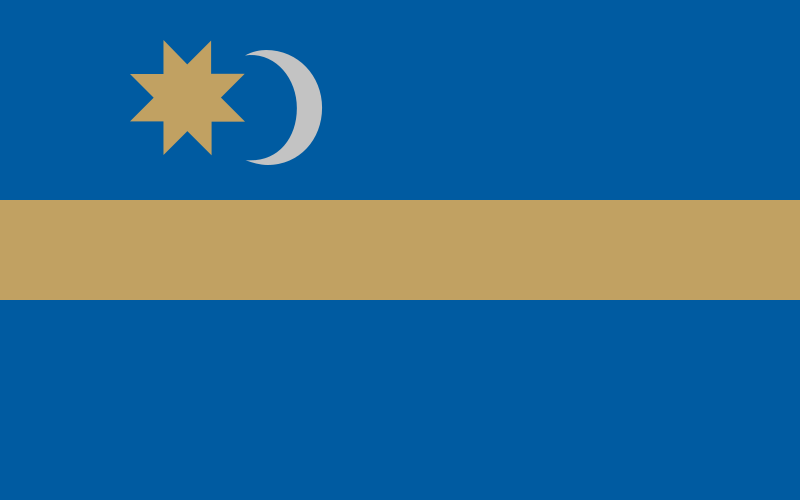
Blue with gold sun and silver moon — the Hungarian-speaking Székely people of Transylvania, Romania.
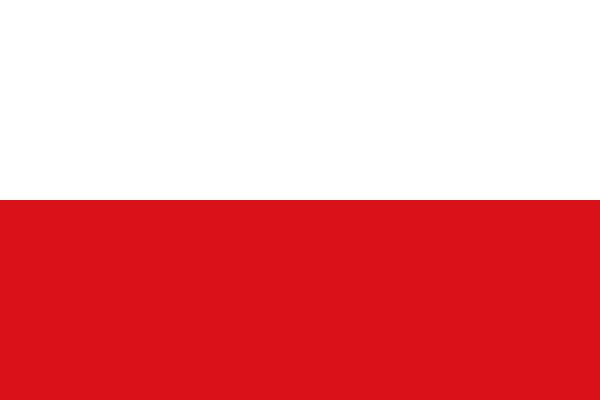
A red eagle on white — the Alpine people of Tyrol, split between Austria and Italy.
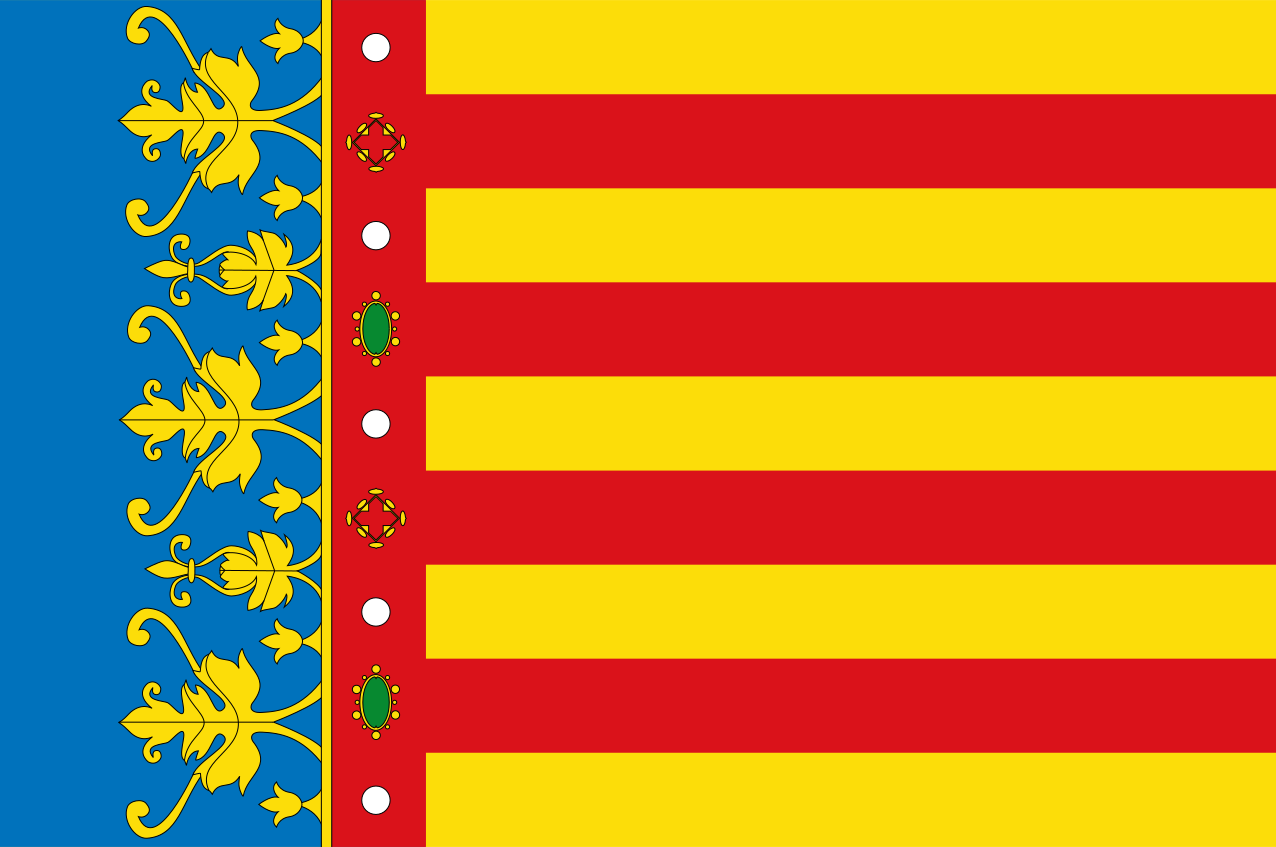
The Senyera Coronada — a crowned blue stripe added to the Aragonese bars, for Valencia.