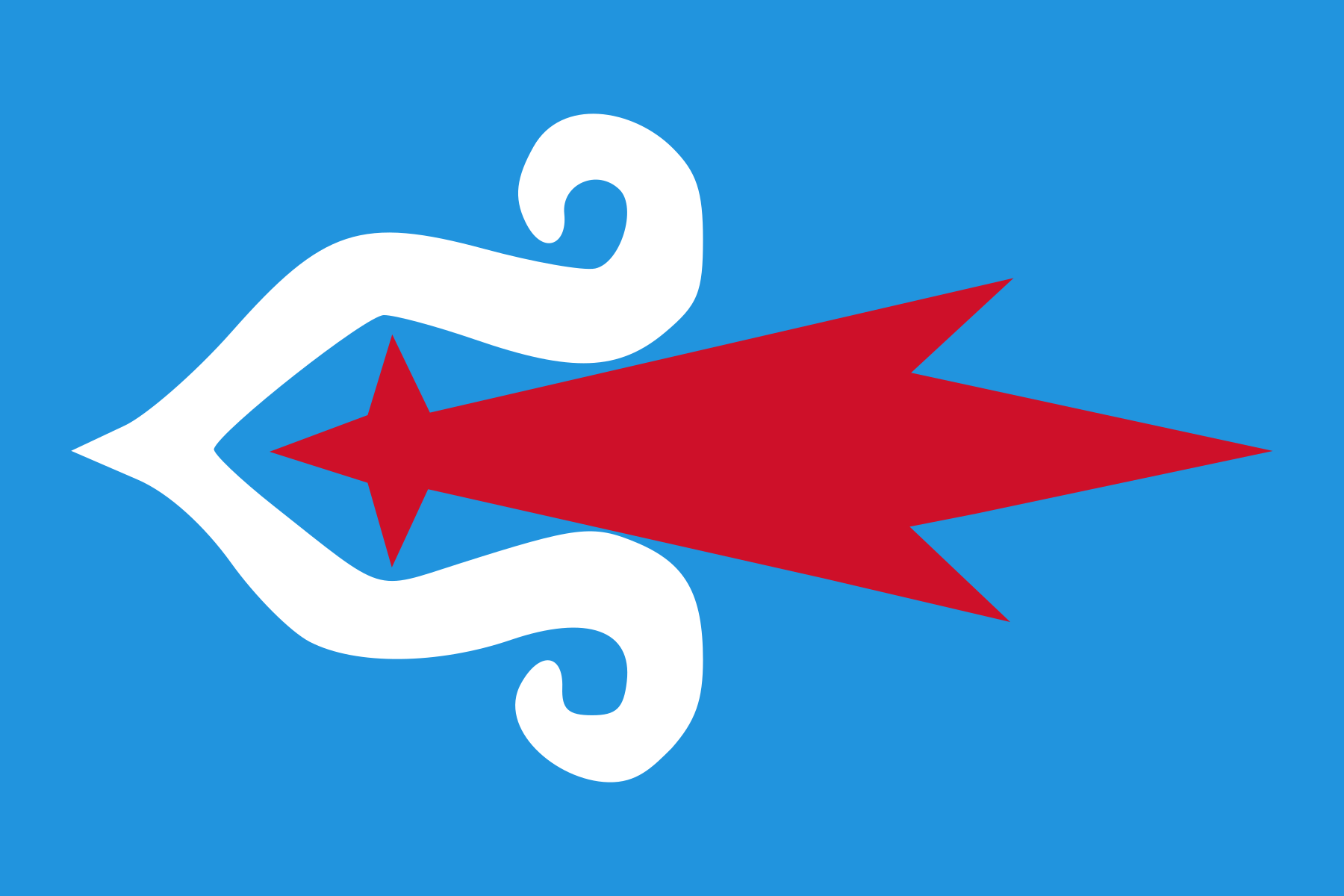
Ainu Flag
Designed in 1973 for the Ainu, the Indigenous people of Hokkaido, Sakhalin and the Kurils.
Flags of indigenous nations and peoples around the world. 26 flags, each with its story.
Designed in 1973 for the Ainu, the Indigenous people of Hokkaido, Sakhalin and the Kurils.

Harold Thomas's 1971 design — black for the people, red for the earth, a yellow sun — became an official flag of Australia; its copyright was freed to the public in 2022.
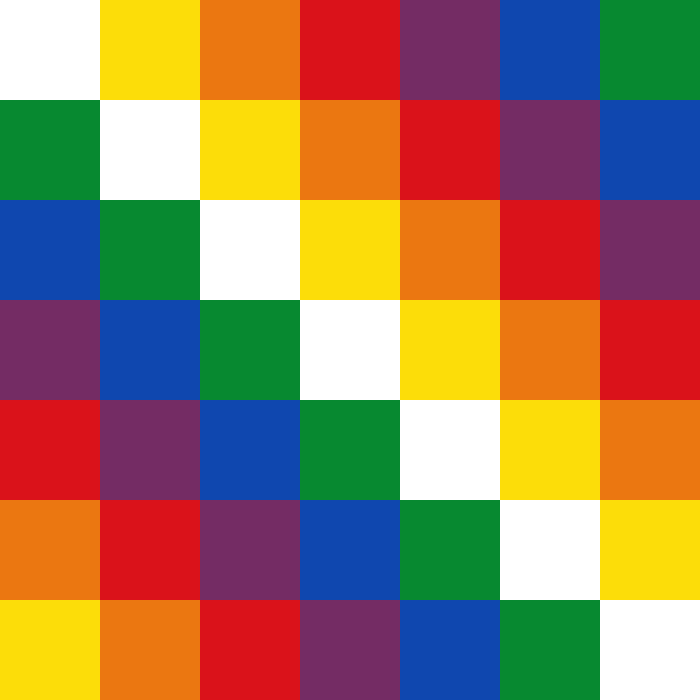
An Andean people of Bolivia, Peru and Chile — the Wiphala is closely tied to them.
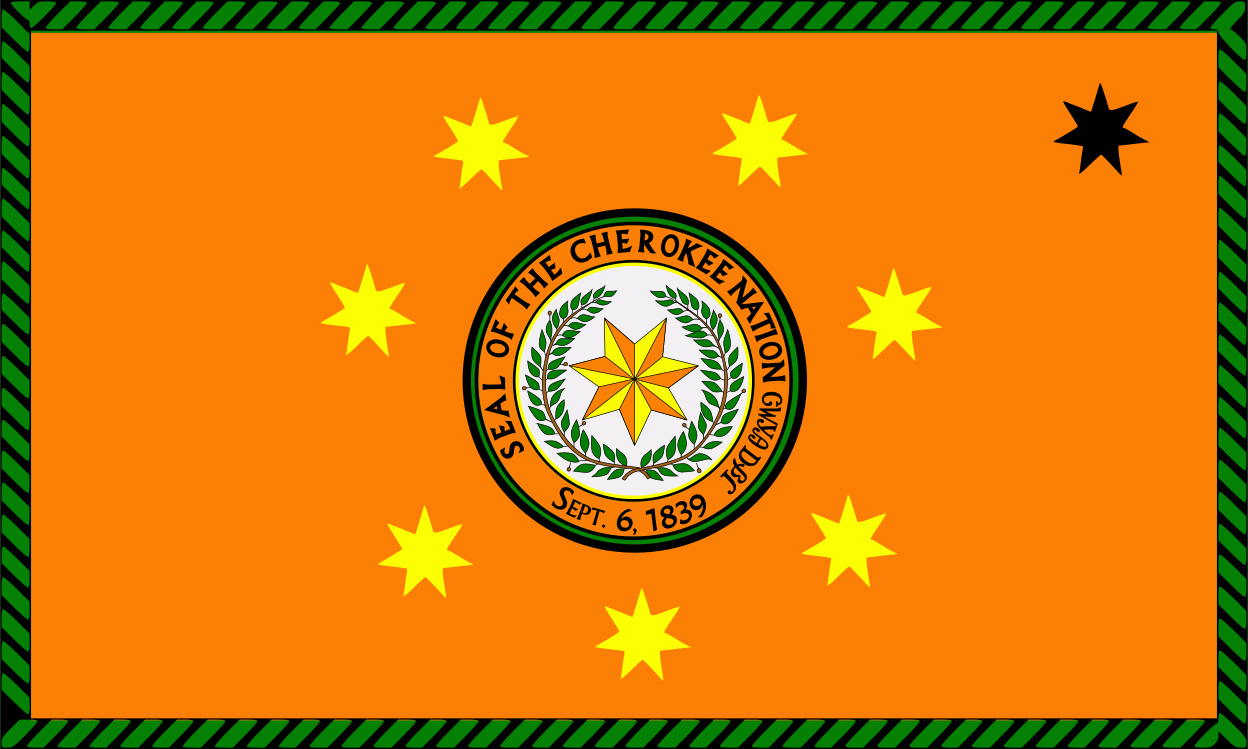
Orange field with the Great Seal ringed by seven yellow stars for the seven clans, plus a black star remembering those lost on the Trail of Tears.
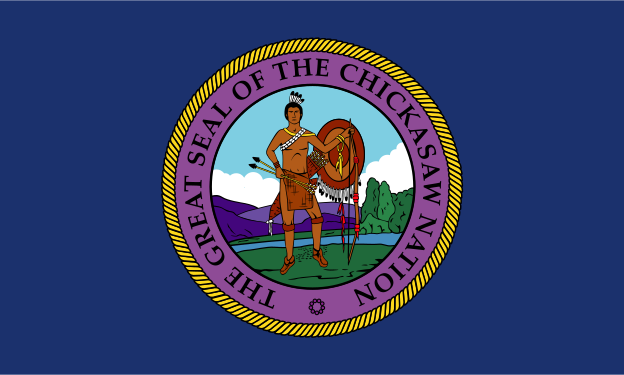
A Chickasaw warrior emblem on a light field — flag of one of the 'Five Tribes' of the American South-east.
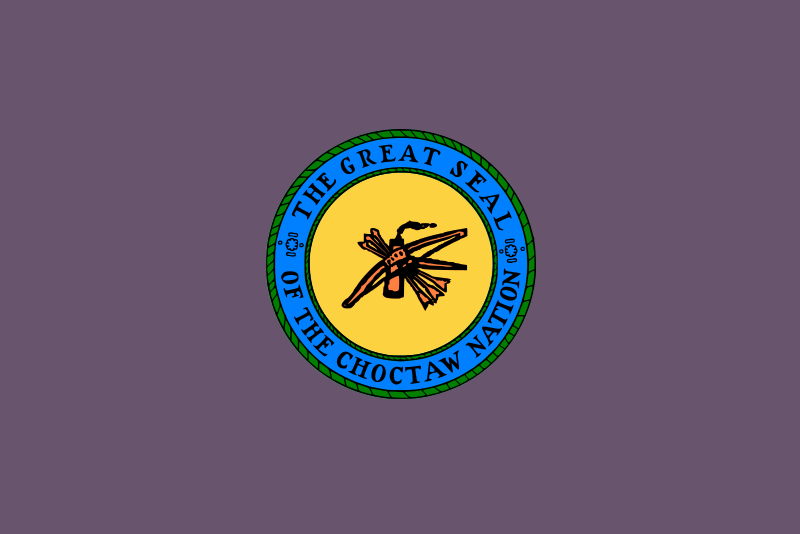
A blue field with the Choctaw seal — an unstrung bow, three arrows and a peace pipe — of the Choctaw Nation of Oklahoma.
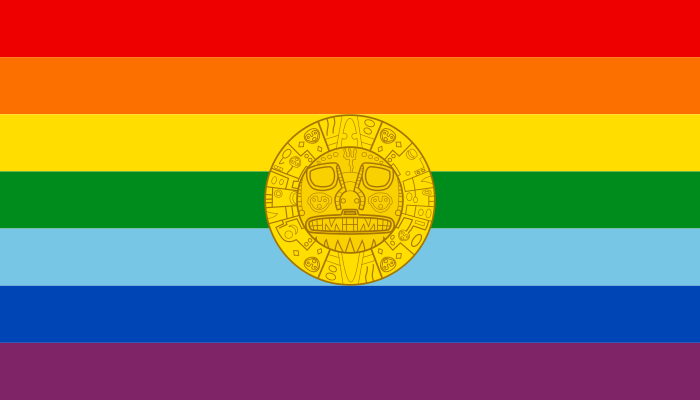
A seven-colour rainbow flag flown over Cusco, Peru and widely embraced as a symbol of Andean and Inca (Tawantinsuyu) Indigenous identity. (Not to be confused with the Pride flag.)
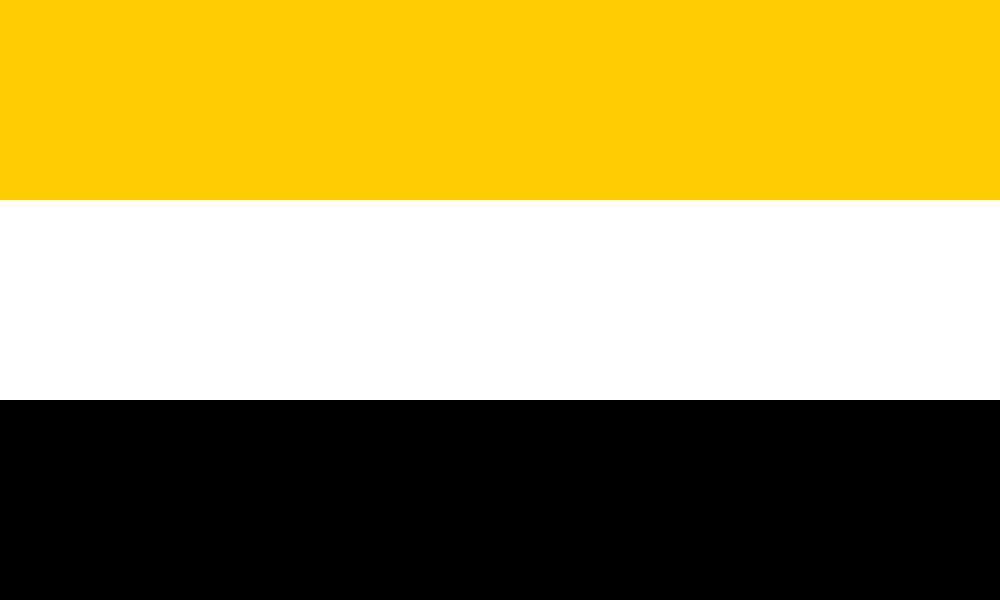
Black, white and yellow stripes for the Garifuna, an Afro-Indigenous people of Central America's Caribbean coast.
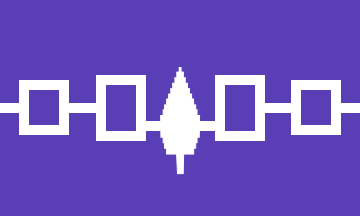
Based on the Hiawatha Wampum Belt: a central white pine tree flanked by four squares on a purple field, representing the founding Mohawk, Oneida, Onondaga, Cayuga and Seneca nations. Still flown today — the Haudenosaunee even field their own lacrosse team under it.
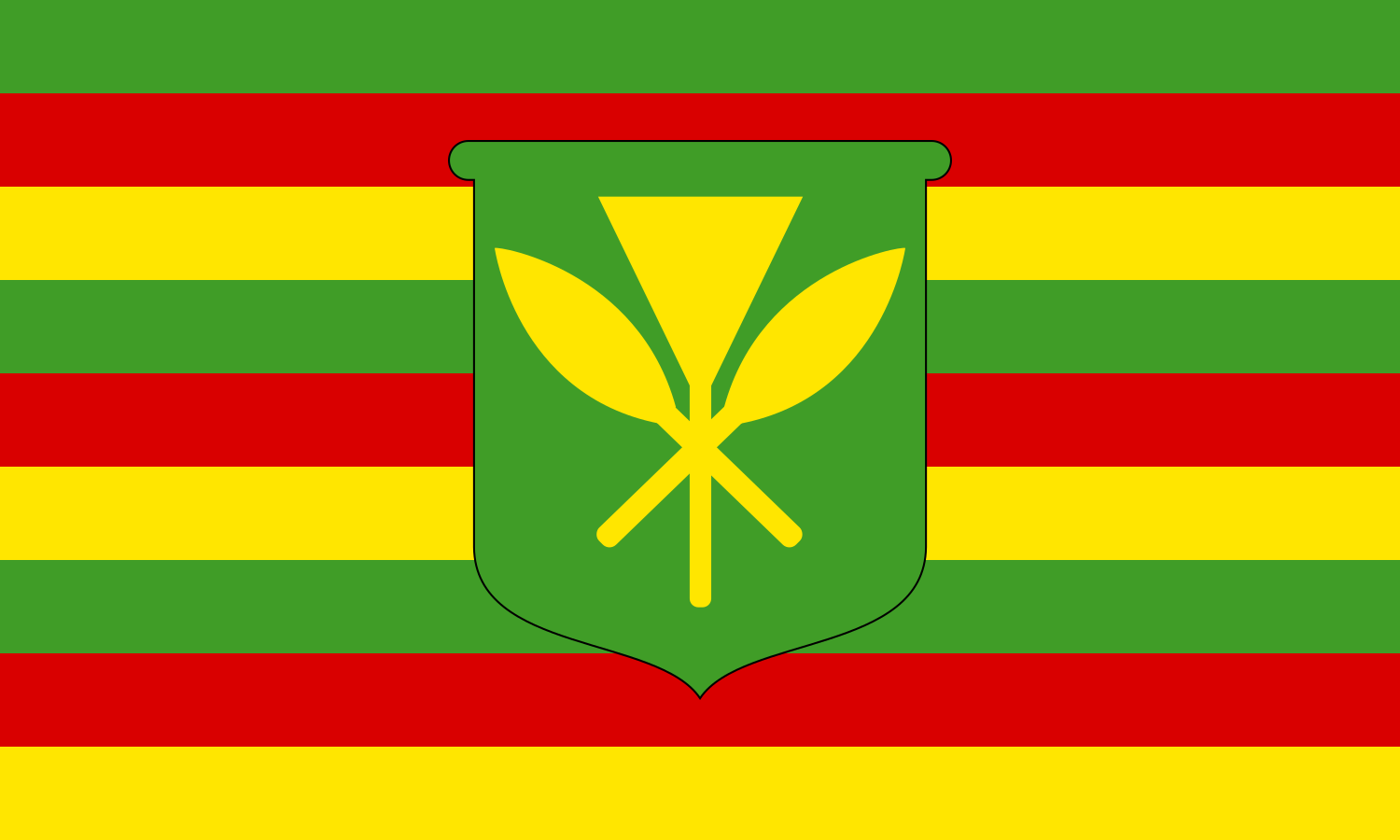
An indigenous Hawaiian flag with a green-red-yellow field and a central shield flanked by crossed kāhili (royal standards) over a paddle.
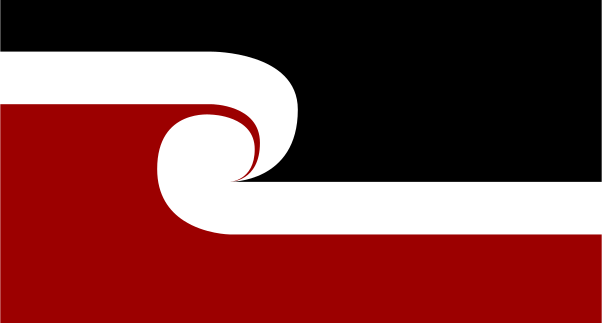
Designed in 1990, this black-red-white koru flag was recognized by the New Zealand government in 2009 as the national Māori flag.
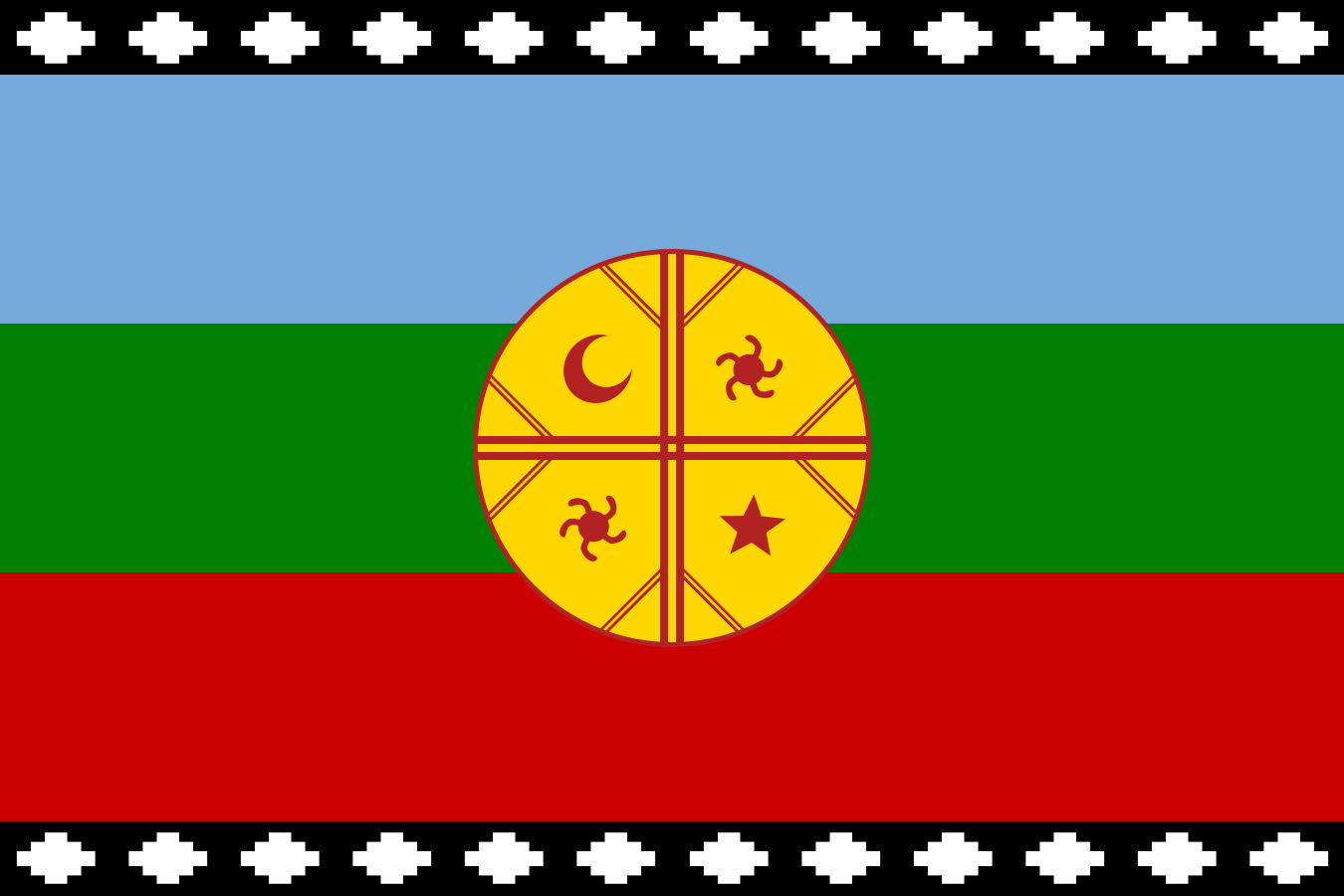
The 1992 flag of the Mapuche people of Chile and Argentina, centered on a kultrun drag and a stepped cross (guñelve) star.
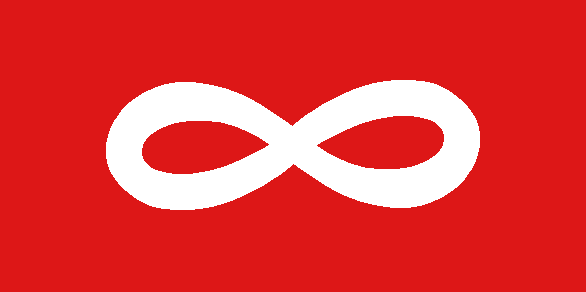
A white infinity symbol on blue (a red variant also exists) — one of North America's oldest Indigenous flags, dating to about 1815. The infinity represents the joining of two peoples and the endurance of the Métis Nation.
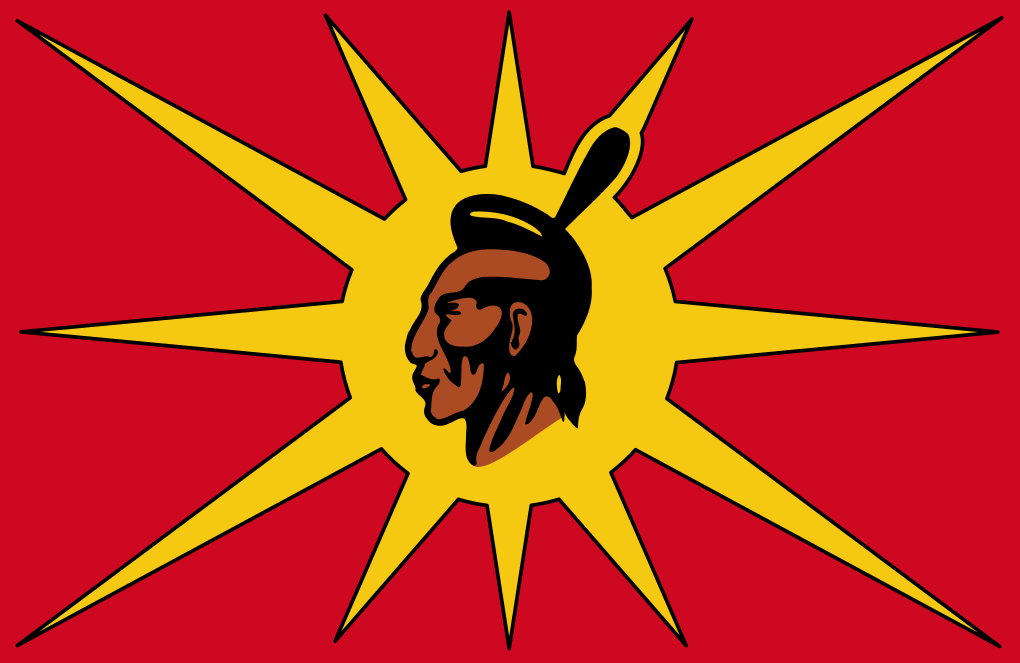
A profile of a Native warrior before a red sun on red — the Kanien'kehá:ka 'Unity' flag, widely flown as a pan-Indigenous symbol of resistance since the 1990 Oka Crisis.
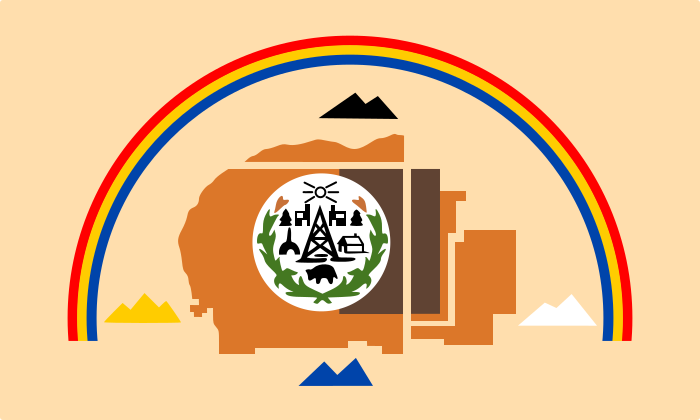
Adopted 1968: a map of the Navajo Nation on a tan field, bounded by the four sacred mountains, with a rainbow arc of sovereignty over the homeland.
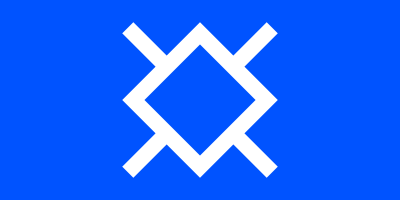
Flag of the Northern Cheyenne Nation of Montana, the 'Morning Star People'.
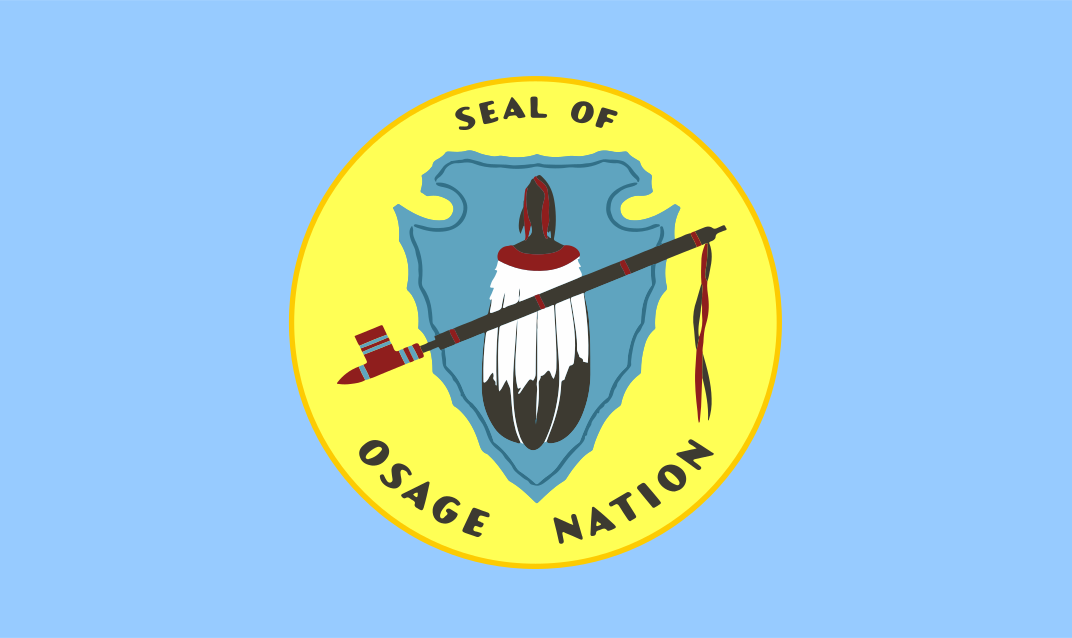
A blue field with an eagle feather, pipe and the four-pointed star of the Osage Nation of Oklahoma.
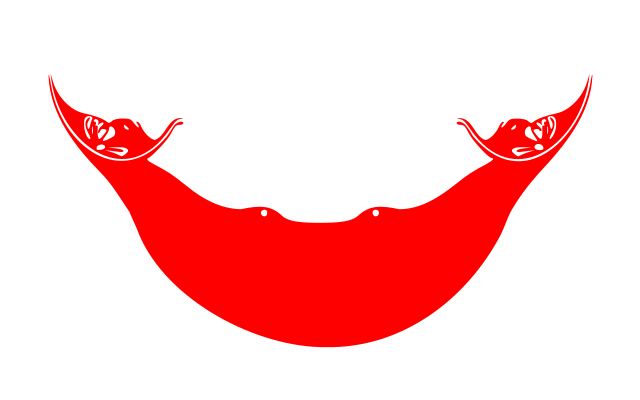
A white field with a red reimiro (a crescent-shaped pectoral ornament) — flag of the Rapa Nui people of Easter Island.
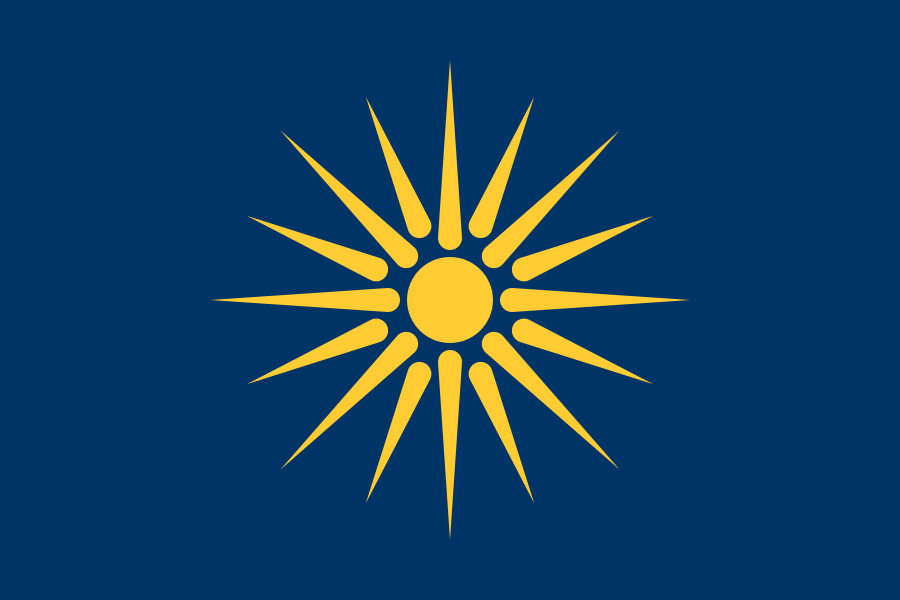
A 16-rayed golden sun on blue — the Argead star found at the royal tombs of Vergina — used as an emblem of Greek Macedonia.
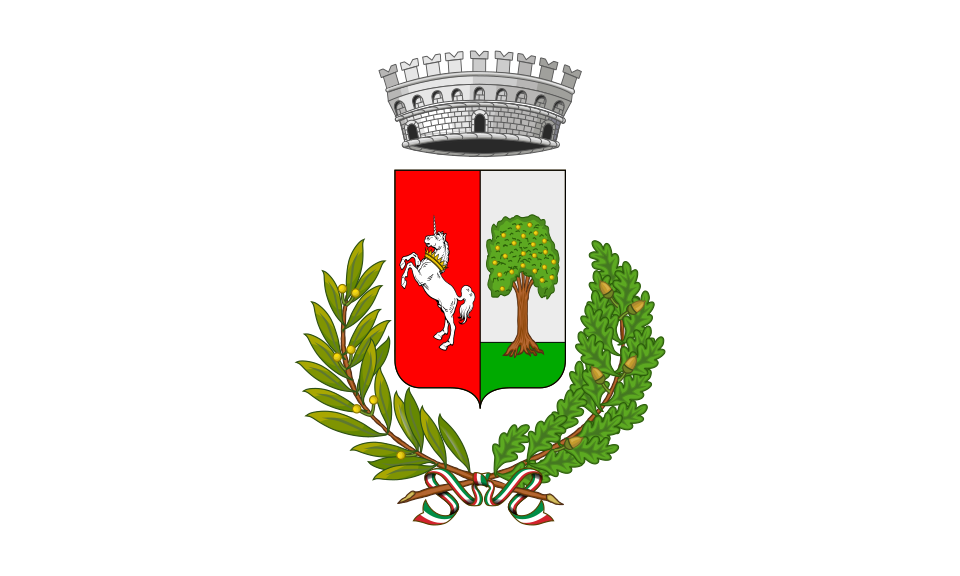
A revival symbol of the Taíno, the Indigenous people of the Caribbean encountered by Columbus in 1492.
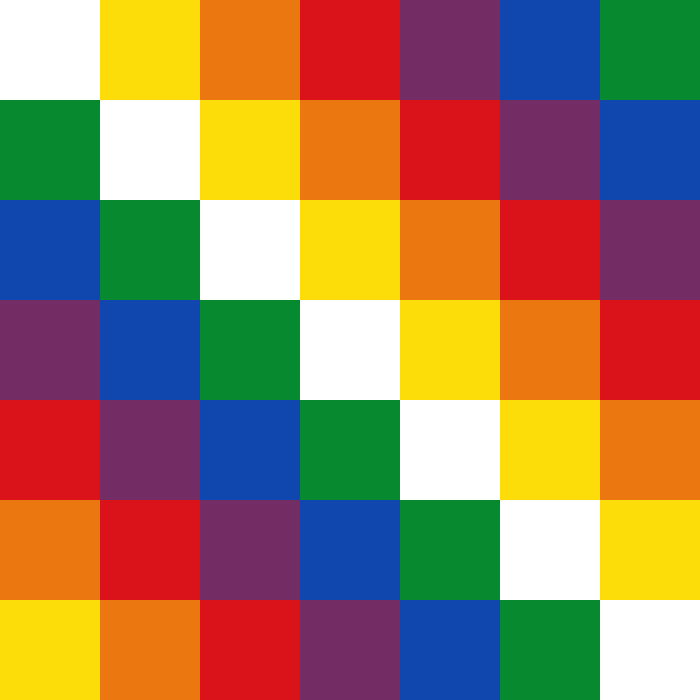
The 7×7 rainbow checkerboard of the Andean peoples, now an official dual flag of Bolivia alongside the tricolor.
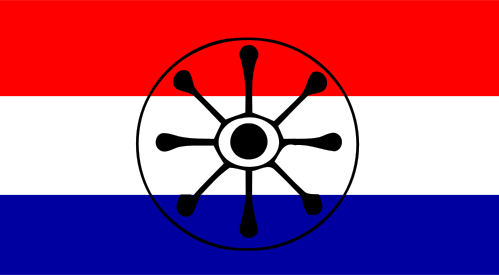
A people of Paraguay, Brazil, Argentina and Bolivia; Guaraní is an official language of Paraguay.
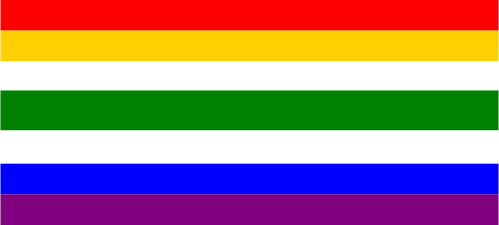
Quechua-speaking peoples of the Ecuadorian Andes and Amazon.
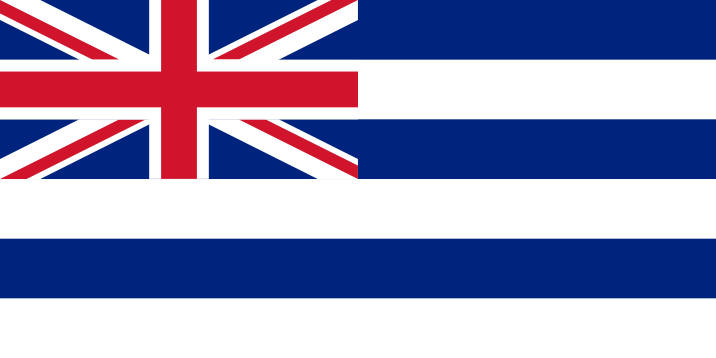
An Indigenous people of the Caribbean coast of Nicaragua and Honduras.
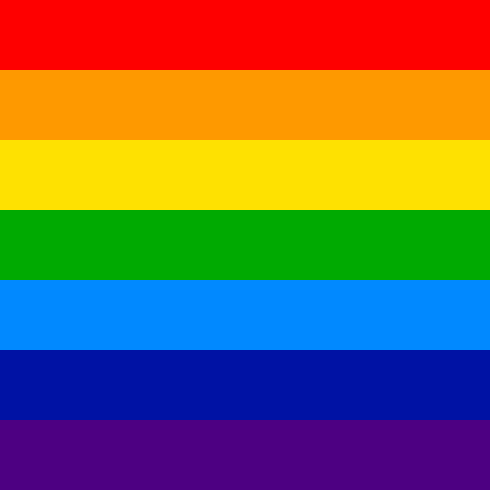
An Amazonian people of Ecuador and Peru, historically known to outsiders as the Jívaro.
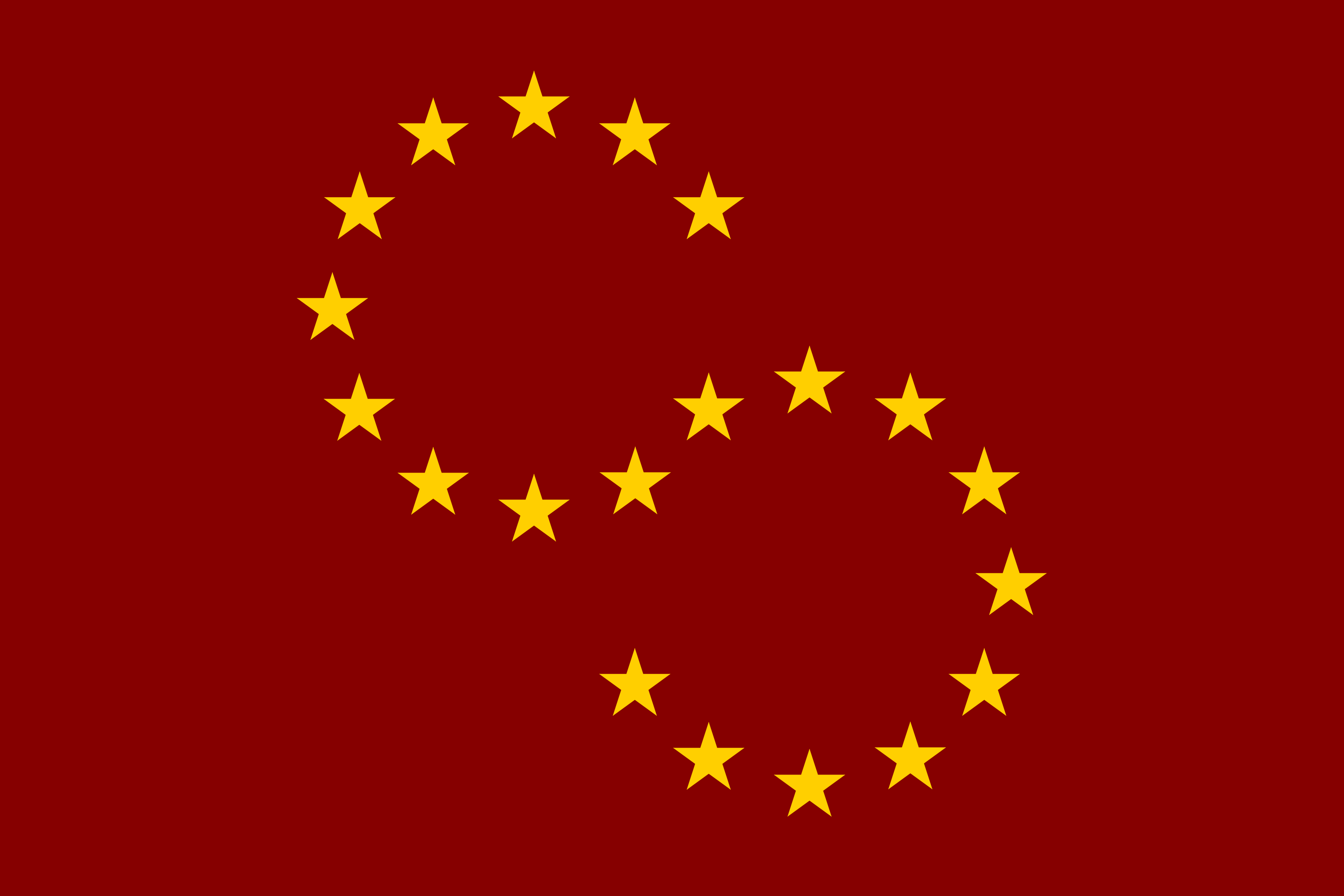
An Indigenous people of western Alaska and the Russian Far East.