Americas
Flag of Saint Lucia
Saint Lucia is a Caribbean island nation sometimes called 'Helen of the West Indies' because it was fought over so intensely that it changed hands between Britain and France fourteen times. The Pitons — two dramatic volcanic spires rising from the sea on the island's southwestern coast — are a UNESCO World Heritage Site. Saint Lucia is known for its rum production, jazz festival, and one of the highest densities of Nobel Prize winners per capita of any country in the world.

- CapitalCastries
- RegionAmericas
- Current flag since1979
- Main coloursBlue, Yellow, Black, White
- Populationabout 180,000
- Areaabout 620 km²
- GeographyIsland nation
- Flags in history3
Population and area are rounded.
What the flag of Saint Lucia means
Blue represents the sky and sea, gold the sunshine, and the black and white the African and European cultures living side by side. The triangles evoke the Pitons, the twin volcanic peaks that are the island's best-known landmark. The flag was designed by the artist Dunstan St Omer and adopted in 1967.
More about the flag
Saint Lucia is often said to be the only country named after a woman, Saint Lucy of Syracuse. Its flag was adopted in 1967, when the island became an associated state of Britain, and was kept at independence on 22 February 1979. In 2002 the blue was lightened and the shape of the triangles slightly changed.
How to recognise it
Blue with a yellow triangle outlined in black, with a smaller black triangle inside.
Did you know?
Saint Lucia is the only country in the world named after a woman — Saint Lucy of Syracuse.
Flag history of Saint Lucia
Every flag that has flown over Saint Lucia, from today back through time.
1979–present
Saint Lucia (independence)
Saint Lucia's distinctive flag — a blue field with a white-edged black isosceles triangle surmounted by a smaller gold triangle — depicts the twin Pitons, the country's iconic volcanic peaks and a UNESCO World Heritage Site. Blue represents the sky and sea; gold the sunshine; black and white the harmony of the two main ethnic groups. The flag was modified in 2002 to make the gold triangle more prominent. Saint Lucia is the only country named after a woman.
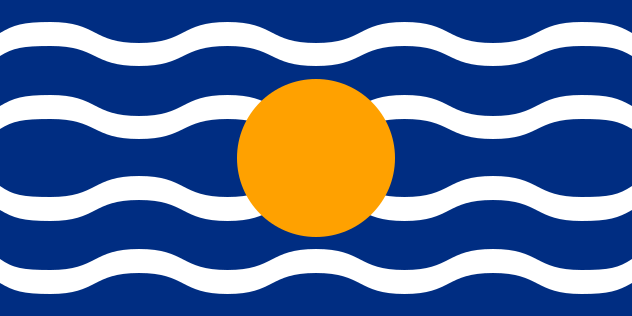
1958–1962
West Indies Federation
Saint Lucia was part of the West Indies Federation (1958–1962). After its collapse the island became a British associated state in 1967, gaining full internal self-government before independence in 1979. The federation's flag of an orange sun on blue waves stood for the Caribbean unity ideal that fragmented when its largest members departed.
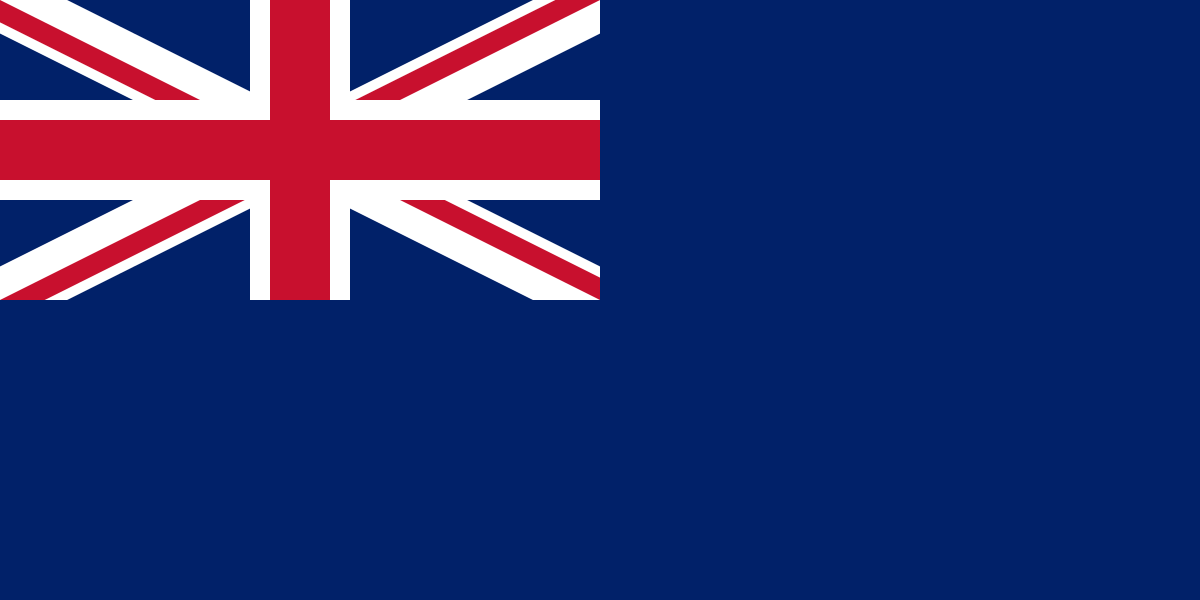
1814–1958
British Windward Islands (colonial era)
Saint Lucia changed hands between France and Britain fourteen times — more than any other Caribbean island — earning it the nickname "Helen of the West Indies" after the much-fought-over Helen of Troy. Britain finally secured it in 1814. The French legacy survives in the island's Creole language and place names. As part of the British Windward Islands, Saint Lucia flew the defaced Blue Ensign.
Play Globalio and learn Saint Lucia's flag