Americas
Flag of Jamaica
Jamaica is a small Caribbean island that has had a cultural influence on the world far exceeding its size. It is the birthplace of reggae music, popularised globally by Bob Marley, and of Rastafarianism. Jamaica has produced some of history's greatest sprinters, including Usain Bolt who set world records at the 2009 World Championships, and gained independence from Britain in 1962. The island is known for its Blue Mountains, vibrant markets, and jerk cuisine.

- CapitalKingston
- RegionAmericas
- Current flag since1962
- Main coloursBlack, Yellow, Green
- Populationabout 2.8 million
- Areaabout 11,000 km²
- GeographyIsland nation
- Flags in history3
Population and area are rounded.
What the flag of Jamaica means
Gold represents sunlight and natural wealth, green the land and hope, and black the strength and creativity of the people. The meaning is often summed up as “hardships there are, but the land is green and the sun shineth”. The flag was adopted at independence in 1962 and is the only national flag with none of red, white or blue.
More about the flag
Jamaica became independent from Britain on 6 August 1962. The flag was designed by a committee of the House of Representatives, and the first version proposed horizontal stripes, which were dropped because the design looked too much like Tanganyika's flag. Its colours appear on the kits of the national football team, the Reggae Boyz, and on the track uniforms of its sprinters.
How to recognise it
Diagonal gold cross (saltire) dividing black upper/lower triangles from green left/right triangles.
Did you know?
Jamaica is the birthplace of reggae music and holds the record for most world-class sprinters per capita.
Flag history of Jamaica
Every flag that has flown over Jamaica, from today back through time.
1962–present
Jamaica (independence)
Jamaica's flag is the only national flag in the world with neither red, white, nor blue. The gold diagonal cross (saltire) divides the flag into four triangles: green above and below, black left and right. Black represents the strength and creativity of the people; gold represents the natural wealth and the beauty of sunlight; green represents hope and the lush vegetation. The design won a national competition ahead of independence from Britain on August 6, 1962.
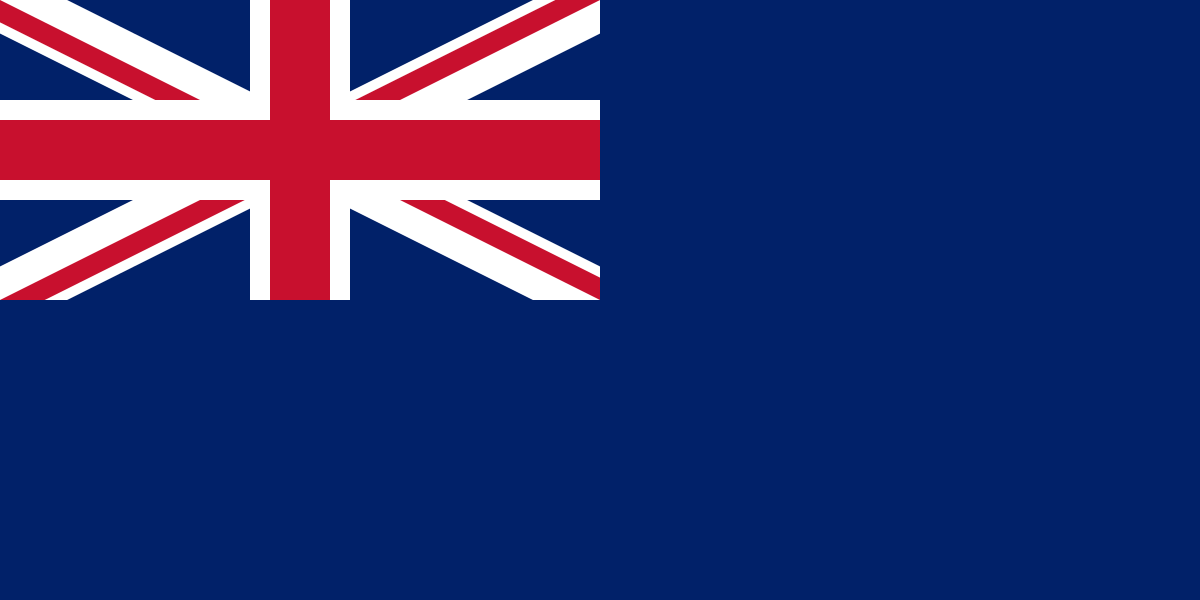
1655–1962
British Jamaica (colonial era)
Britain captured Jamaica from Spain in 1655 and it became one of the most valuable plantation colonies in the Caribbean, dependent on enslaved African labour. Jamaica was a major centre of the transatlantic slave trade and the birthplace of maroon communities — formerly enslaved people who established autonomous settlements in the mountains. Independence in 1962 was achieved peacefully under Chief Minister Alexander Bustamante.
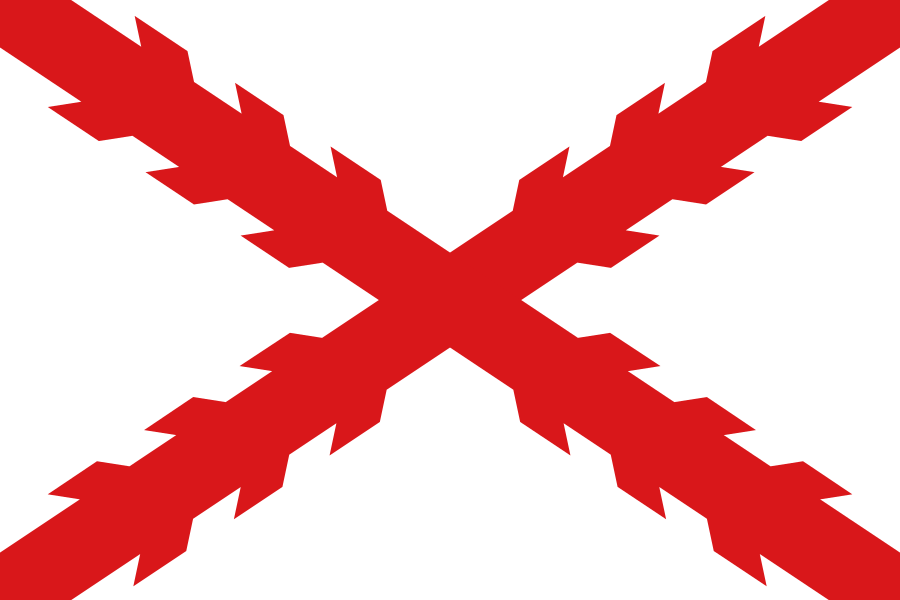
1494–1655
Spanish Jamaica
Columbus landed on Jamaica in 1494, and Spain held the island for over 150 years under the Cross of Burgundy, calling it Santiago. Spanish rule devastated the indigenous Taíno through disease and forced labour and introduced the first enslaved Africans. An English expedition seized the lightly-defended island in 1655 — the retreating Spanish freed their slaves, whose descendants became Jamaica's first Maroons.
Play Globalio and learn Jamaica's flag